Side-by-Side IQ Profile: Bloodhound vs. Yorkshire Terrier
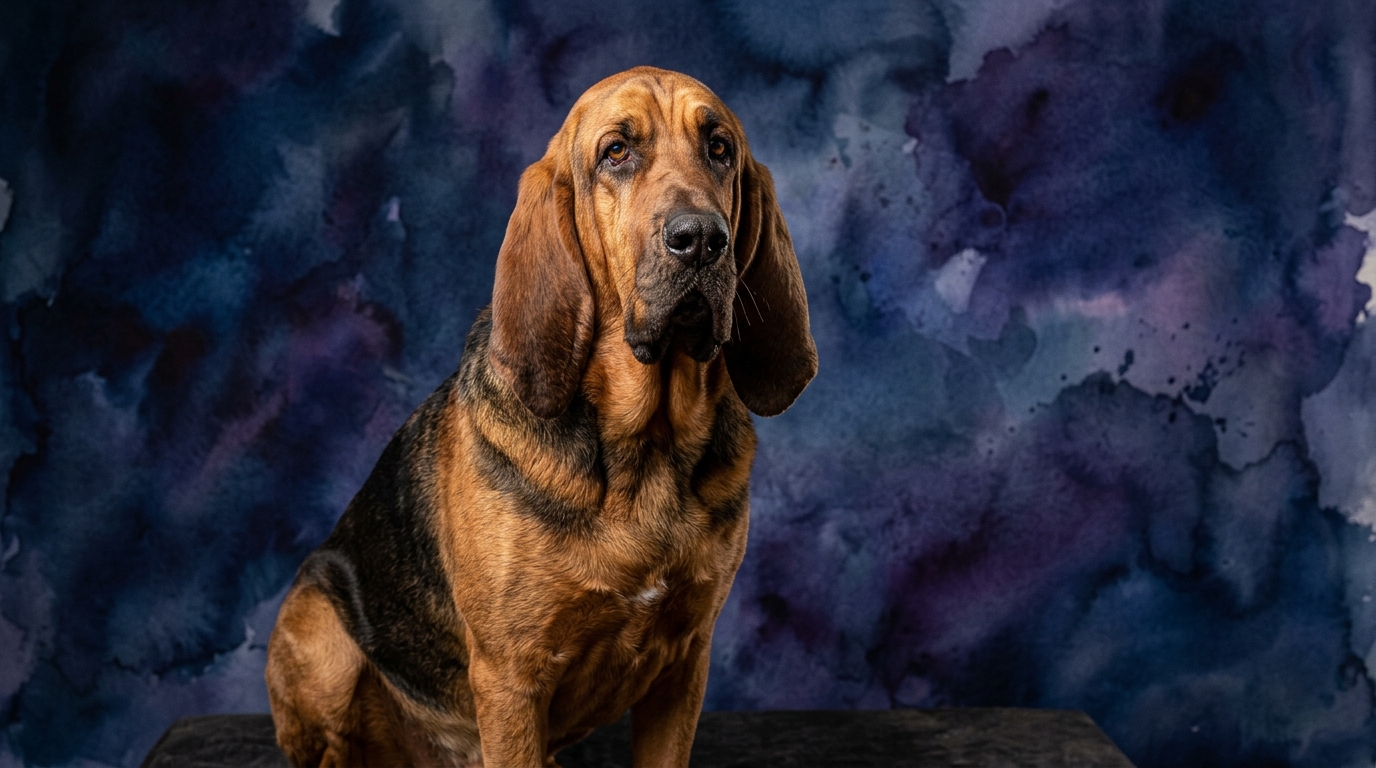
The Cosmic Pet Pet IQ Lab employs a five-dimensional framework to assess canine intelligence, offering a nuanced view beyond simple obedience. For the Bloodhound, this framework illuminates a highly specialized mind. Their Problem Solving is rated 5/5, reflecting an unparalleled ability to follow complex scent trails and overcome environmental obstacles to achieve a goal. Training Speed, however, stands at 1/5, indicating a strong independent streak and a focus on their primary drive rather than handler directives. Social Intelligence is 2/5, suggesting they are often more absorbed in their olfactory world than in intricate human-dog communication. Instinctive Drive is a perfect 5/5, underscoring their relentless, inherent motivation for tracking. Finally, Memory is 5/5, allowing them to retain vast olfactory information and recall specific scent patterns over time and distance.
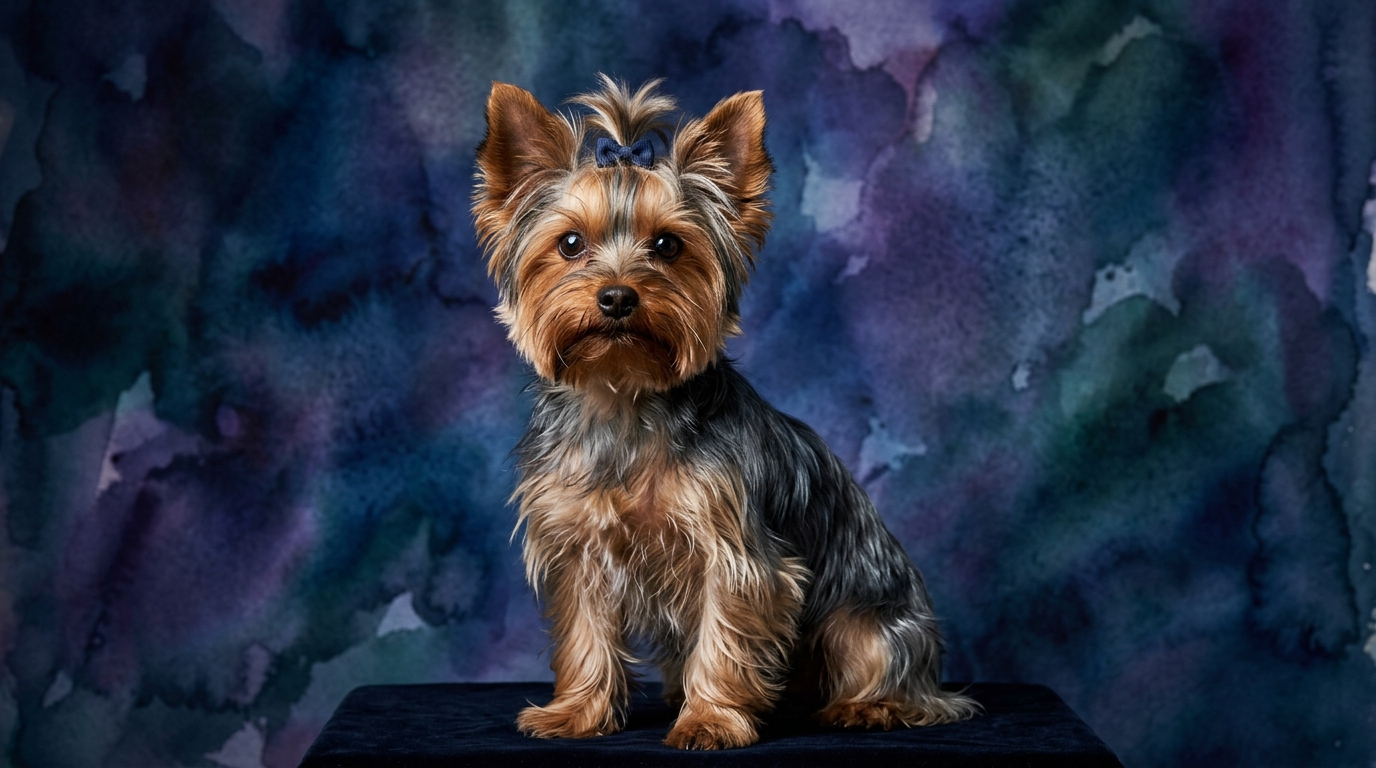
In contrast, the Yorkshire Terrier presents a different cognitive profile, optimized for companionship and adaptability. Their Problem Solving is 3/5, demonstrating an adequate capacity to navigate household challenges or learn tricks, but without the Bloodhound's specialized depth. Training Speed is 4/5, indicating a keenness to learn and a responsiveness to handler cues. Social Intelligence scores 4/5, highlighting their strong bond with humans and their ability to interpret and respond to social cues effectively. Instinctive Drive is 4/5, manifesting as a spirited, sometimes feisty, terrier determination, though not primarily scent-focused. Memory is 4/5, allowing them to remember routines, commands, and social interactions reliably, contributing to their excellent integration into family life.
Where the Bloodhound Excels Cognitively
The Bloodhound's cognitive prowess is unequivocally centered around olfaction and persistent pursuit. Their 5/5 Problem Solving isn't about solving abstract puzzles; it's about dissecting a complex scent puzzle, following a trail that might be hours or days old, over varied terrain, ignoring countless distractions. This isn't just sniffing; it's a sophisticated cognitive process of discrimination, memory recall, and sustained focus, making them unmatched in tasks like search and rescue or law enforcement tracking. Their perfect 5/5 Instinctive Drive fuels this entire process, providing an almost unstoppable internal motivation to complete a task once a scent is engaged. This drive is so profound that it often overrides other stimuli, including direct commands from a handler.
Furthermore, the Bloodhound's 5/5 Memory is specifically tailored to its primary function. They don't just 'smell' a scent; they process and store an immense library of olfactory data. This allows them to differentiate individual scents, recall the trajectory of a trail, and remember specific scent signatures, enabling them to return to a previously identified point or to maintain focus on a target scent even when crisscrossed by others. This specialized memory is a cornerstone of their formidable tracking abilities, allowing them to build a mental map of scent over time and space, a feat few other breeds can rival.
Where the Yorkshire Terrier Shines Cognitively
The Yorkshire Terrier's cognitive strengths lie in its adaptability, social engagement, and responsiveness. With a Training Speed of 4/5, Yorkies demonstrate a readiness to absorb new commands and behaviors, often picking up tricks and routines quickly. This contrasts sharply with the Bloodhound's independent nature, showing the Yorkie's greater inclination to cooperate and perform for human interaction and rewards. Their 4/5 Social Intelligence means they are adept at reading human emotions and intentions, fostering strong bonds and making them highly attuned companions. They are often quick to understand household rules and social dynamics, adapting their behavior accordingly.
While their Problem Solving at 3/5 isn't as specialized as the Bloodhound's, it's highly functional for domestic life. Yorkies can figure out how to access desired toys, navigate complex home environments, or even manipulate situations to get attention. This moderate problem-solving ability, combined with their social intelligence, allows them to integrate seamlessly into family routines and respond appropriately to various social cues, making them engaging and perceptive household members. Their 4/5 Memory also supports this, enabling them to remember a wide array of commands, house rules, and the preferences of their human family.
Training Dynamics: Bloodhound vs. Yorkshire Terrier
Training a Bloodhound presents a unique set of challenges primarily due to their 1/5 Training Speed and intense 5/5 Instinctive Drive. A Bloodhound's mind is often consumed by scents, making it challenging to capture and hold their attention on handler-initiated tasks that don't involve tracking. Their independent nature means they are not inherently motivated to please in the same way many other breeds are; their motivation comes from their drive to follow a scent. This requires immense patience, consistent positive reinforcement, and a deep understanding of their innate behaviors. While they can learn, the process is slow, requires high-value rewards, and often feels like negotiating rather than teaching. Distractions, especially olfactory ones, are incredibly difficult for a Bloodhound to ignore.
Conversely, the Yorkshire Terrier, with a 4/5 Training Speed and 4/5 Social Intelligence, is generally much easier to train in conventional obedience. They are typically eager to engage with their owners, respond well to praise and treats, and possess a natural inclination to cooperate. Their smaller size and focus on their human companions mean they are less likely to become completely absorbed by external environmental stimuli compared to a Bloodhound. While they possess a terrier's spirited determination (4/5 Instinctive Drive), this can be channeled effectively into learning tasks and tricks with consistent, engaging training methods. Their responsiveness makes them quick learners for commands, house-training, and social manners, making them a more straightforward choice for novice owners or those seeking a highly biddable companion.
Lifestyle Match: Active vs. Relaxed Owners
For owners seeking an active, purpose-driven canine partner, the Bloodhound is an exceptional, albeit demanding, choice. Their profound 5/5 Instinctive Drive and 5/5 Problem Solving in scent work mean they thrive when given a 'job' that engages their olfactory talents. This isn't just about walks; it's about providing opportunities for dedicated scent work, whether through formal tracking sports, search and rescue training, or simply structured scent games. Their physical stamina matches their mental endurance, requiring significant daily exercise. Relaxed owners may find the Bloodhound's persistent drive and need for mental stimulation overwhelming, as an under-stimulated Bloodhound can become destructive or vocal. Their lower 2/5 Social Intelligence also means they are not typically 'lap dogs' and may prefer to engage with their world through their nose rather than constant human interaction, though they are generally gentle.
The Yorkshire Terrier, on the other hand, is a versatile companion suitable for a broader range of lifestyles, though they are far from sedentary. Their 4/5 Social Intelligence and 4/5 Training Speed make them excellent companions who enjoy being involved in family activities. While they have a spirited 4/5 Instinctive Drive, their exercise needs can often be met with regular walks, indoor play, and mental stimulation through training and interactive toys, making them adaptable to urban living or apartment life. Owners who appreciate a dog that is responsive, enjoys learning new things, and thrives on close human interaction will find the Yorkie an ideal match. They are generally content to be near their people, making them suitable for owners who prefer a more relaxed pace but still value an engaging and clever companion.
The Verdict
Choose a Bloodhound if you are a dedicated, active owner prepared to channel a powerful, specialized intellect into scent work and can provide ample physical and mental challenges that satisfy their profound instinctive drive.
Opt for a Yorkshire Terrier if you seek a responsive, socially intelligent, and adaptable companion who thrives on human interaction and can be easily integrated into a family setting with consistent, positive training.
🧠 Find Your Pet's IQ Score
Our Pet IQ Lab assessment covers 25+ tests across 5 cognitive dimensions — personalized to your breed.
Take the Full IQ Test →Frequently Asked Questions
Is a Bloodhound difficult to live with due to its low training speed?
A Bloodhound's 1/5 Training Speed indicates they are highly independent and driven by scent, not necessarily difficult in a negative sense, but requiring a unique training approach. Their focus on tracking means conventional obedience can be challenging, but their gentle nature makes them manageable for owners who understand their specific motivations.
Do Yorkshire Terriers bark a lot because of their instinctive drive?
Yorkshire Terriers do possess a 4/5 Instinctive Drive, which can manifest as alertness and a tendency to bark at perceived threats or novel stimuli. However, with their 4/5 Training Speed and Social Intelligence, this behavior is often manageable through early socialization and consistent training, channeling their spirited nature positively.
Which breed is better for a family with children?
The Yorkshire Terrier, with its 4/5 Social Intelligence and adaptability, generally integrates well into family life and can be a charming companion for older, respectful children. Bloodhounds, while gentle, are often less socially interactive (2/5 Social Intelligence) and their large size and intense drive might be overwhelming for very young children, making the Yorkie a more universally suitable family choice.