Side-by-Side Cognitive Profiles: A Deeper Look
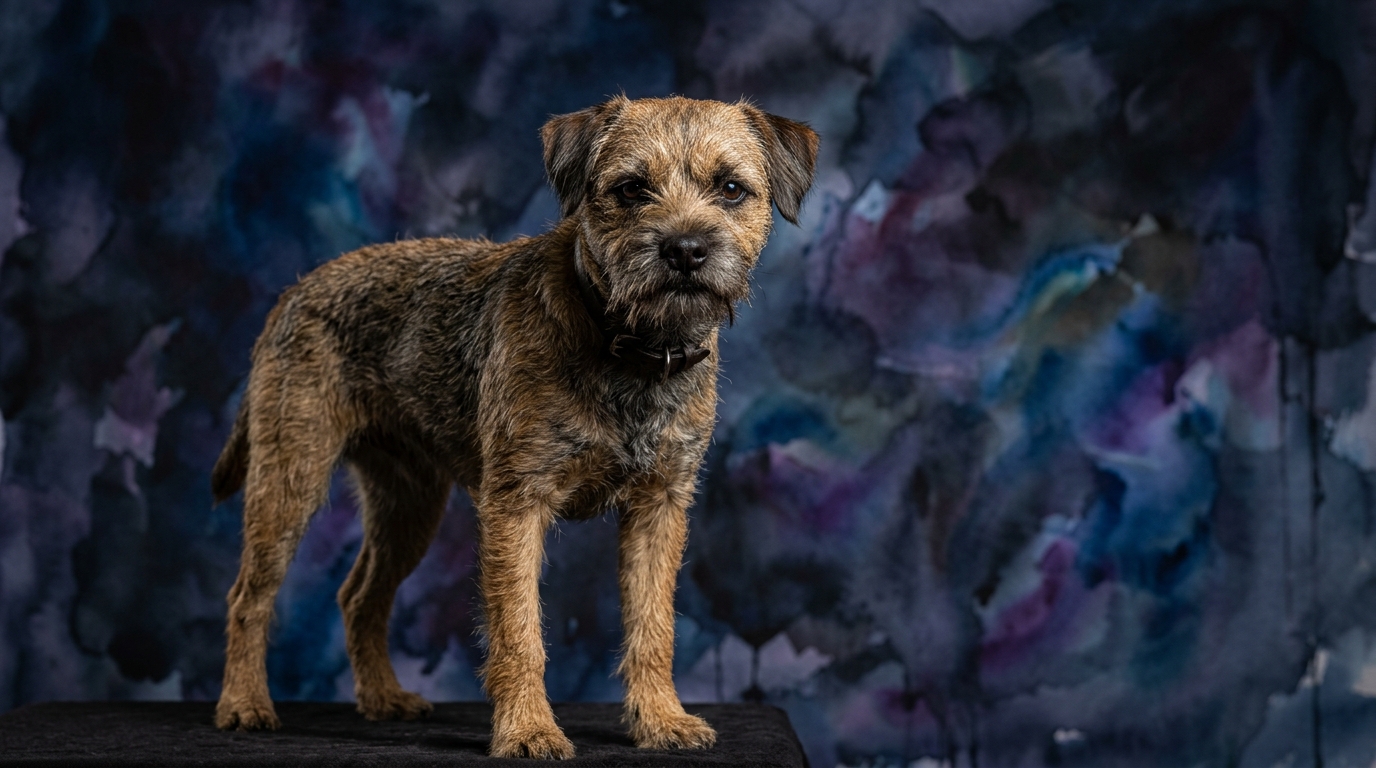
At The Cosmic Pet Pet IQ Lab, we assess canine intelligence across five critical dimensions: Problem Solving, Training Speed, Social Intelligence, Instinctive Drive, and Memory. For the Border Terrier, a breed with a Coren ranking of #30, these metrics paint a picture of sharp wit and practical application. Their Problem Solving is rated at 4/5, indicating a strong capacity for figuring out novel situations and overcoming obstacles. Training Speed also scores 4/5, suggesting they grasp new commands and routines with notable efficiency. Social Intelligence is 3/5, meaning they are capable of understanding and responding to social cues, though perhaps not with the nuanced sensitivity of some other breeds. Their Instinctive Drive, at 3/5, reflects a moderate but present urge to fulfill their ancestral tasks, while Memory scores a solid 4/5, indicating excellent retention of learned behaviors and experiences.
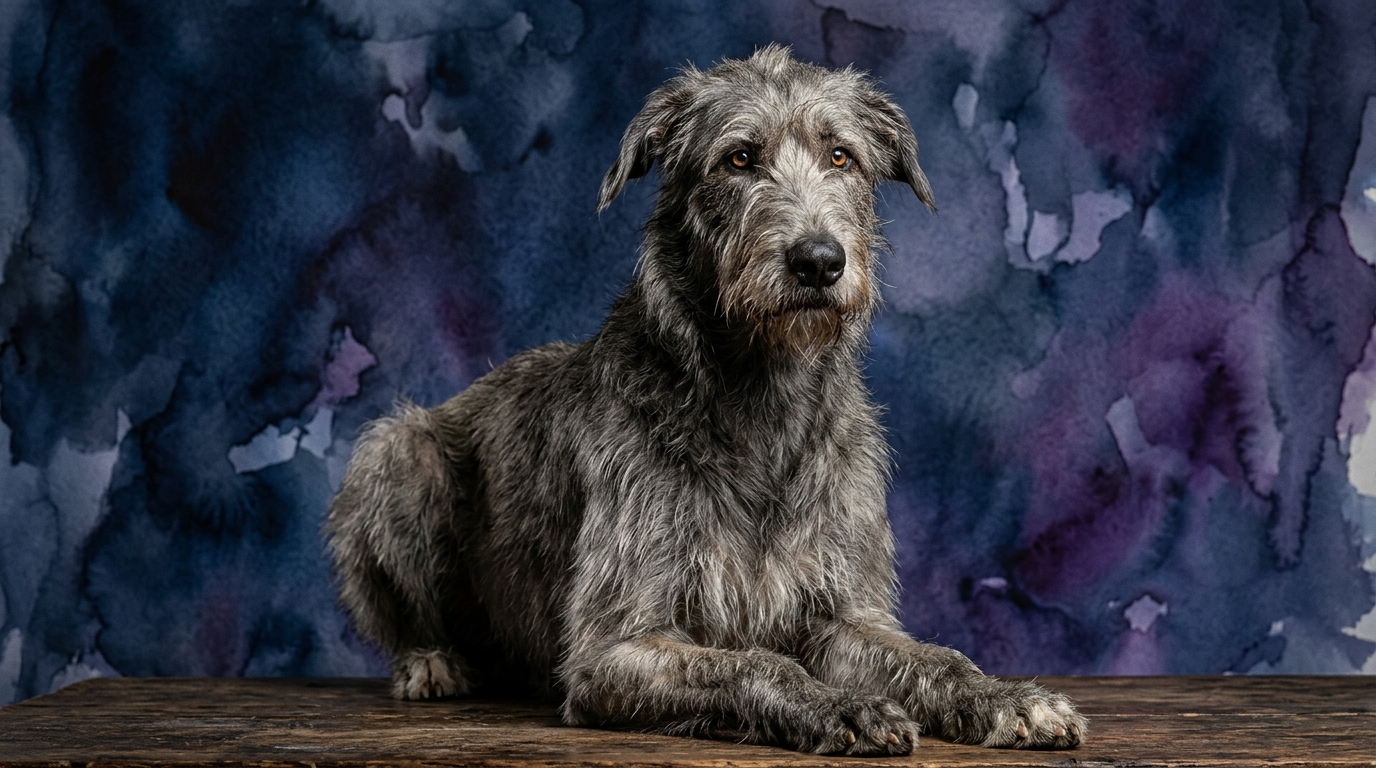
The Irish Wolfhound, a giant among hounds, has not been ranked by Coren, but our IQ Lab assessment provides valuable insights into their cognitive makeup. Across the board, the Irish Wolfhound consistently scores 3/5 in all five cognitive dimensions: Problem Solving, Training Speed, Social Intelligence, Instinctive Drive, and Memory. This uniform scoring suggests a balanced, competent, and adaptable intellect rather than exceptional strengths in any single area. A 3/5 in Problem Solving means they can navigate challenges and learn from experience, albeit perhaps not with the same rapid ingenuity as a Border Terrier. Their Training Speed of 3/5 indicates they are trainable, but require more repetition and patience. A 3/5 in Social Intelligence points to a generally calm and observant nature, capable of forming strong bonds. Their Instinctive Drive at 3/5 implies a manageable level of their historical sighthound instincts, and their Memory at 3/5 means they retain information adequately, if not perfectly.
Where the Border Terrier Cognitively Excels
The Border Terrier truly shines in areas demanding quick thinking and retention. Their 4/5 Problem Solving score means they are adept at navigating complex environments, figuring out how to retrieve a toy from an awkward spot, or even opening cabinets if not properly secured. This isn't just about physical dexterity; it's about understanding cause-and-effect and applying past experiences to new scenarios. Owners often observe their Border Terriers engaging in intricate puzzle toys with a focused determination, often succeeding where other breeds might give up. Their cognitive approach is often one of persistent, intelligent trial-and-error, driven by an innate curiosity.
Coupled with their 4/5 Training Speed and 4/5 Memory, Border Terriers are remarkably efficient learners. They pick up new commands and tricks rapidly, and once a behavior is learned, it tends to stick. This makes them highly rewarding for owners who enjoy advanced obedience, agility, or engaging in various canine sports. Their capacity to quickly form associations between commands and actions, and then reliably recall those associations, stands out. This cognitive agility allows them to adapt quickly to new routines or environmental changes, making them versatile companions for those seeking an intellectually engaged canine partner.
Where the Irish Wolfhound Cognitively Shines
While the Irish Wolfhound’s scores are consistently moderate, their cognitive strengths lie in their balanced and serene application of intellect, particularly for a giant breed. Their 3/5 in Problem Solving, for instance, translates not to a lack of ability, but often to a more considered, less impulsive approach. They might not solve a puzzle as quickly as a Border Terrier, but they will eventually figure it out with a patient, watchful demeanor, often relying on observation before action. This thoughtful approach can be a significant advantage in a large dog, promoting a calm presence rather than boisterous experimentation.
The Irish Wolfhound's 3/5 Social Intelligence is particularly noteworthy given their immense size. This score indicates a capacity for understanding social dynamics and responding appropriately, often with a gentle, tolerant disposition that belies their powerful build. Their cognitive strength here manifests as a remarkable self-awareness in social interactions, allowing them to navigate family life with grace and often surprising delicacy around children or smaller pets. Their moderate Instinctive Drive (3/5) also means that while they possess their sighthound heritage, it is often expressed in a more contained manner compared to some other hounds, making their natural instincts more manageable in a domestic setting, requiring less constant redirection.
Training Dynamics: Patience vs. Precision
When it comes to training, the cognitive differences between these two breeds become quite apparent. The Border Terrier, with its 4/5 Training Speed and 4/5 Memory, is generally a quicker study. They absorb new information efficiently and retain it well, making them responsive to consistent, engaging training methods. However, their moderate Instinctive Drive (3/5) and tenacious terrier spirit mean that while they learn quickly, they can also be independently minded. Training a Border Terrier often involves channeling their problem-solving abilities and energy into desired behaviors, requiring an owner who can be creative and firm without being harsh, ensuring their sharp mind doesn't find its own, less desirable, solutions.
The Irish Wolfhound, with a 3/5 in both Training Speed and Memory, requires a different approach. They are perfectly capable of learning, but they learn at a more measured pace. Patience, consistency, and positive reinforcement are paramount. Their moderate Instinctive Drive (3/5) means they can be distracted by interesting scents or sights, so training sessions need to be kept engaging and relatively short. Due to their size, early and consistent training is crucial for safety and manners, but owners must understand that progress might be slower than with more biddable breeds. Their social intelligence (3/5) means they respond well to gentle, clear communication, valuing the bond with their trainer rather than solely seeking intellectual challenge.
Ideal Owners: Active Engagement vs. Calm Companionship
The Border Terrier is an excellent match for active owners who relish mental stimulation and outdoor adventures. Their high problem-solving capacity and quick learning make them ideal for those interested in dog sports like agility, earthdog trials, or advanced obedience. Owners who enjoy engaging their dog's mind with puzzle toys, scent work, and varied training routines will find the Border Terrier a rewarding and enthusiastic partner. They thrive on having a 'job' to do, even if it's just figuring out a new game in the backyard. Their moderate instinctive drive means they appreciate a good hunt for a ball, but can also settle indoors with proper exercise.
In contrast, the Irish Wolfhound is better suited for owners who appreciate a calm, gentle giant and can accommodate their immense size. While they need regular, moderate exercise to maintain their health, their cognitive profile suggests they are not driven by the same intense need for constant mental engagement as a Border Terrier. Owners who value a serene presence, a loyal companion for quiet walks, and a majestic, watchful presence in the home will find immense joy with an Irish Wolfhound. They benefit from consistent, patient guidance, and a home environment that provides ample space and a predictable routine, allowing their balanced intellect to foster a steady, affectionate temperament.
The Verdict: When to Choose Each Breed
The Verdict
Choose the Border Terrier if you seek an agile, quick-witted companion eager for mental challenges and active engagement, thriving on problem-solving and rapid learning. They are ideal for owners who enjoy structured training, canine sports, and a dog with a tenacious, independent spirit.
Opt for the Irish Wolfhound if you desire a serene, gentle giant who offers calm companionship and a balanced temperament, and you are prepared for patient, consistent training. They are best for owners who appreciate a quieter presence, ample space, and a loyal, observant friend whose intellect shines through their steady demeanor.
🧠 Find Your Pet's IQ Score
Our Pet IQ Lab assessment covers 25+ tests across 5 cognitive dimensions — personalized to your breed.
Take the Full IQ Test →Frequently Asked Questions
Are Irish Wolfhounds difficult to train due to their lower IQ scores?
No, Irish Wolfhounds are not difficult to train, but they do require more patience and consistency than some other breeds. Their 3/5 Training Speed and Memory indicate they learn at a moderate pace, meaning owners should use positive reinforcement and keep sessions engaging and relatively short to maintain their focus and build strong associations.
What kind of mental exercise do Border Terriers need?
Border Terriers thrive on mental stimulation that challenges their 4/5 Problem Solving and 4/5 Memory. This includes puzzle toys, scent work, learning new tricks, advanced obedience, and participating in dog sports like agility. Regular mental engagement helps channel their natural tenacity and prevents boredom.
How does social intelligence differ between these two breeds?
Both breeds score 3/5 in Social Intelligence, but it manifests differently. For Border Terriers, it means they are capable of understanding cues, but might be more independent in their responses. For Irish Wolfhounds, this score, combined with their size, often translates to a calm, observant, and remarkably gentle nature in social interactions, showing surprising self-awareness around family and other pets.