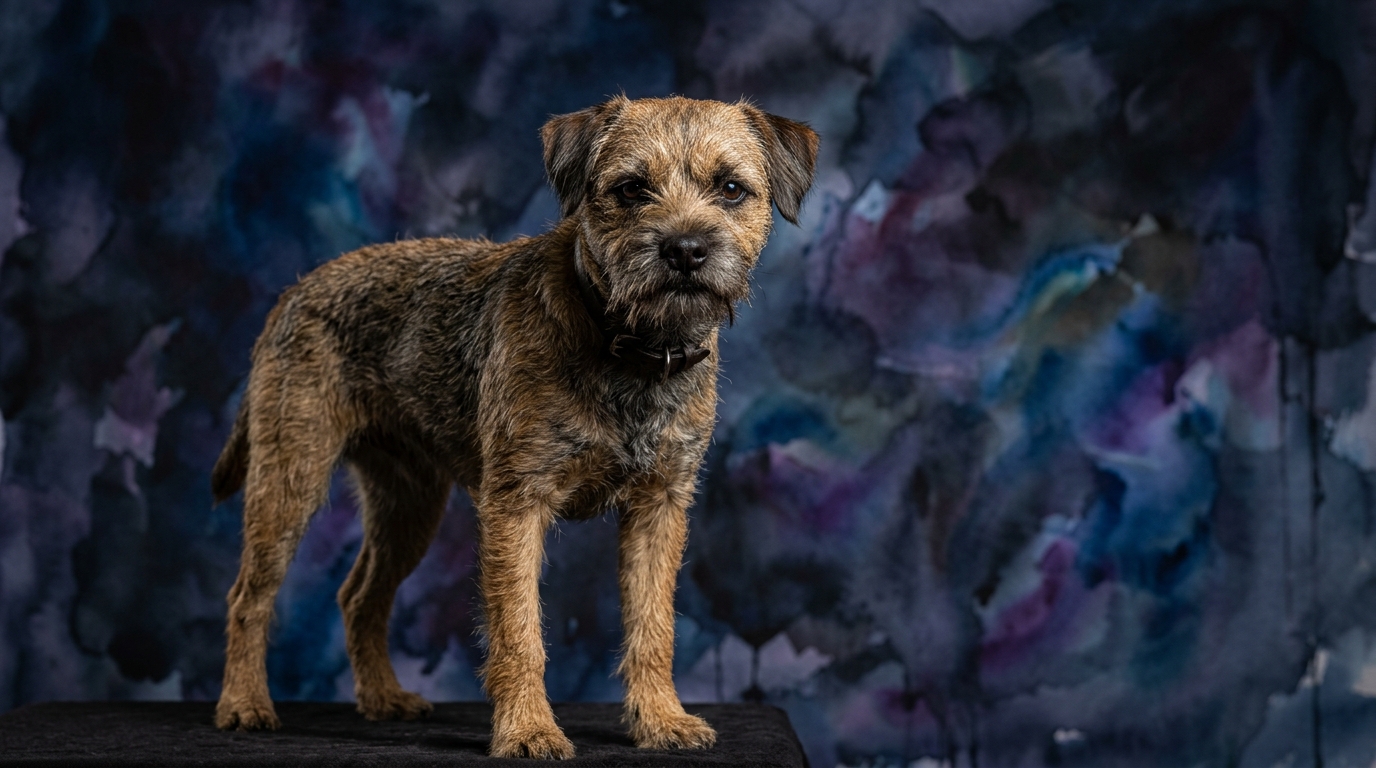
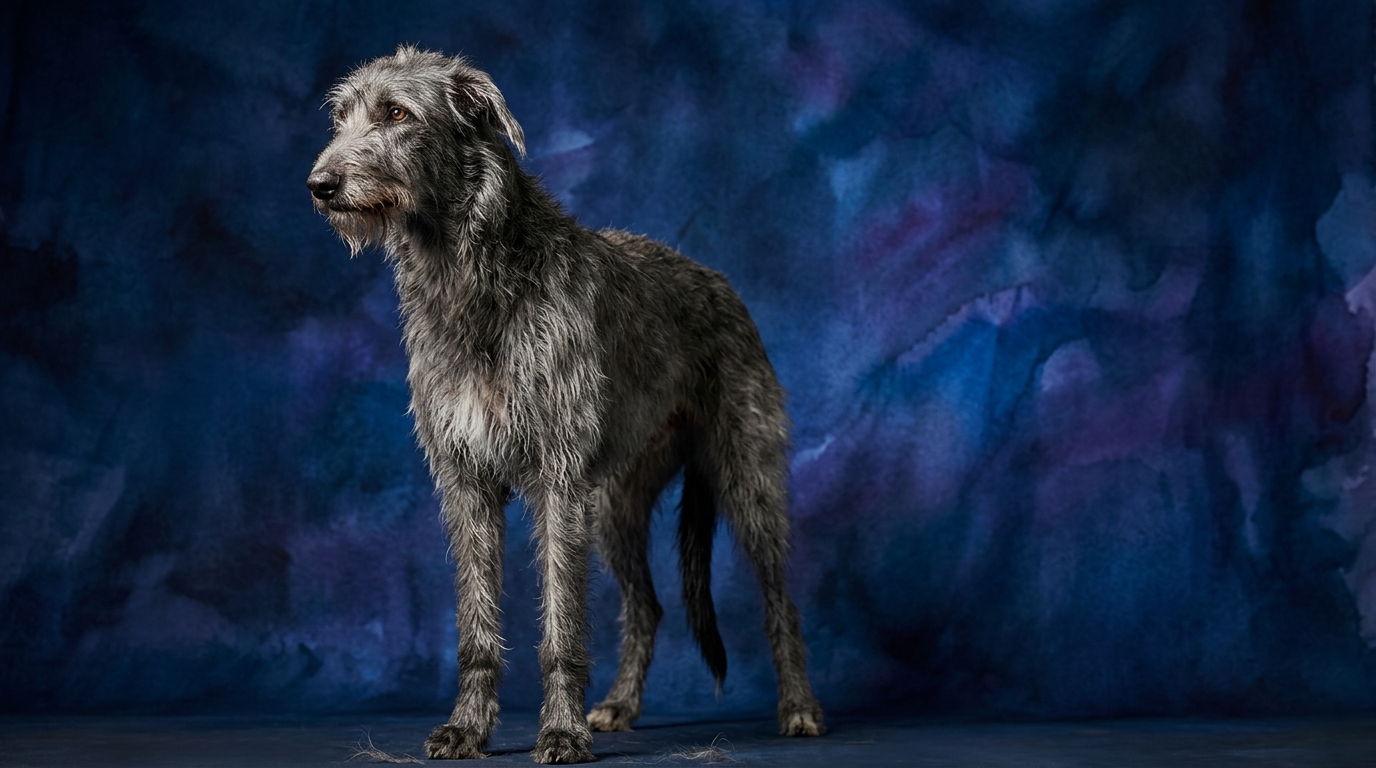
Side-by-Side IQ Profile: Earthdog vs. Sighthound Cognition
The Border Terrier, a breed ranked #30 by Coren, demonstrates a formidable cognitive toolkit shaped by its ratting and fox-bolting heritage. Their problem-solving ability scores 4/5, reflecting their historical need to navigate complex underground tunnels and outwit prey. Training speed is also high at 4/5, indicating a quick grasp of new commands, often driven by an eagerness to work alongside their human, though their independent streak can emerge.
Social intelligence for the Border Terrier sits at 3/5; while capable of forming strong bonds, their inherent terrier spirit means they aren't always seeking constant human direction, preferring to engage on their own terms at times. An instinctive drive of 3/5 points to their inherent chase and hunting instincts, which are present but manageable with proper guidance. Finally, their memory, rated 4/5, is robust, allowing them to recall intricate routes and learned behaviors efficiently, a crucial asset for their working background.
In contrast, the Scottish Deerhound’s cognitive profile is tailored for open-field pursuit rather than intricate puzzles, and they are not included in Coren's ranking. Their problem-solving is rated 3/5, indicating a capacity for strategic thinking during a chase, such as anticipating prey movement, but less emphasis on complex manipulative tasks found in their terrier counterparts. Training speed is 3/5; they can learn commands, but their independent nature often means a slower, more deliberate acquisition process, requiring patience and consistent motivation.
The Deerhound's social intelligence is also 3/5, reflecting their gentle yet reserved disposition; they bond deeply with family but are often aloof with strangers, valuing calm companionship over constant interaction. Their instinctive drive is 3/5, primarily focused on the visual pursuit of fast-moving objects, leading to strong impulses to chase. Their memory, also 3/5, is sufficient for their needs and a stable routine, but perhaps less geared towards recalling specific, detailed sequences than the Border Terrier.
Where the Border Terrier Excels Cognitively
The Border Terrier's cognitive strengths distinctly shine in areas demanding tenacity and detailed application, directly stemming from their working history. Their 4/5 problem-solving score means they are adept at figuring out mechanisms, such as opening latches or retrieving objects from tight spaces, reflecting their historical need to extract prey from burrows and navigate challenging environments. This breed's quicker training speed (4/5) allows them to master new commands and complex tricks with relative ease, particularly when these tasks align with their natural curiosity and desire to engage with their human.
Furthermore, their superior memory (4/5) enables them to retain a vast repertoire of commands and routines, making them excellent candidates for advanced obedience, agility, or canine sports requiring complex sequences and recall. The Border Terrier's unwavering focus and persistence, while sometimes interpreted as stubbornness, are actually cognitive assets when applied to specific goals, allowing them to concentrate on a task until completion, a trait honed by generations of focused working roles.
Where the Scottish Deerhound Shows Unique Cognitive Strengths
While not excelling in the same precise problem-solving as the Border Terrier, the Scottish Deerhound’s cognitive profile is uniquely adapted for its sighthound role, demonstrating a different kind of specialized intellect. Their 3/5 problem-solving rating manifests in the ability to process vast visual information rapidly and make instantaneous, strategic decisions during a high-speed chase. This involves assessing terrain, predicting prey movements, and choosing the most efficient pursuit path across open landscapes without direct human intervention, a form of dynamic, real-time spatial intelligence.
Their social intelligence, while rated 3/5, manifests as a profound, calm bond with their chosen family, often displaying a nuanced understanding of household dynamics and emotional states without needing constant interaction or overt displays. This subtle social awareness, combined with their capacity for independent action and a dignified composure, defines their unique cognitive strengths. Their 3/5 instinctive drive, focused intensely on visual stimuli, allows for a highly specialized form of attention and focus that is unparalleled in its context, making them incredibly effective at their historical purpose of pursuing large game.
Ease of Training: A Question of Motivation and Method
Comparing the Border Terrier and Scottish Deerhound on ease of training reveals significant differences rooted in their core temperaments and cognitive predispositions. The Border Terrier, with its 4/5 training speed, generally picks up new commands and routines more quickly. They often possess a strong work ethic and enjoy engaging in tasks that challenge them, making them responsive to reward-based training and consistent instruction. However, their independent terrier spirit and 3/5 instinctive drive mean that training must be consistently engaging and varied to prevent boredom or single-minded focus on a perceived “better” task, like chasing a small animal.
The Scottish Deerhound, rated 3/5 for training speed, typically requires a more patient and understanding approach. Their sighthound independence means they are less inclined to perform simply to please; instead, they need to be convinced of the value of a command or the enjoyment of the interaction. Training a Deerhound often involves positive reinforcement, short, fun sessions, and understanding that rote obedience is not their primary cognitive strength. Their 3/5 social intelligence suggests they form deep bonds, but this doesn't automatically translate to eager compliance. Instead, training success hinges on building trust and making learning a collaborative, enjoyable experience rather than a demanding one, respecting their inherent calm and sometimes aloof nature.
Suiting Active vs. Relaxed Owners: Lifestyle and Cognitive Match
The cognitive profiles of these two breeds offer clear guidance for owners seeking a match for their lifestyle. The Border Terrier, with its higher problem-solving (4/5) and training speed (4/5), thrives with active, engaged owners who enjoy providing consistent mental and physical stimulation. They are well-suited for households that participate in activities like agility, earthdog trials, or extended adventurous hikes where their memory and tenacity can be put to good use. Owners who appreciate a dog that actively seeks out puzzles and enjoys learning new behaviors will find the Border Terrier a rewarding companion, though they must be prepared to channel its substantial drive and inquisitiveness.
In contrast, the Scottish Deerhound, with its more moderate cognitive scores across the board (3/5), aligns better with relaxed owners who can provide ample space for bursts of intense activity but appreciate a calm, dignified presence indoors. While they require regular opportunities for running in a secure, open area to satisfy their instinctive drive, their social intelligence (3/5) allows them to be content with quiet companionship and observing household life, rather than constantly demanding interaction. Owners who prefer a less overtly “busy” dog, one that values comfort and a peaceful routine, and who are willing to accommodate their need for independent thought and occasional bursts of speed, will find the Scottish Deerhound a harmonious fit. Their memory (3/5) is sufficient for a stable routine, but they aren't dogs that constantly demand complex mental challenges.
The Verdict
Select a Border Terrier if you seek a vigilant, resourceful companion eager to engage in structured learning and outdoor adventures, thriving on consistent mental and physical challenges.
Opt for a Scottish Deerhound if you desire a serene, dignified presence that appreciates long, free runs and calm companionship, valuing independence over constant engagement.
🧠 Find Your Pet's IQ Score
Our Pet IQ Lab assessment covers 25+ tests across 5 cognitive dimensions — personalized to your breed.
Take the Full IQ Test →Frequently Asked Questions
Is a Border Terrier difficult to live with due to its instincts?
A Border Terrier's instinctive drive (3/5) means they possess a natural prey drive and enjoy digging. With consistent training and plenty of appropriate outlets for their energy, such as earthdog sports or puzzle toys, these instincts can be managed and channeled positively, making them well-adjusted companions.
Do Scottish Deerhounds require extensive training for their independence?
Scottish Deerhounds have a training speed of 3/5 and a strong independent streak, meaning training requires patience and positive reinforcement, focusing on motivation rather than strict adherence. Focus on building a strong bond and making training sessions enjoyable to achieve the best results, respecting their inherent sighthound nature.
Which breed is better with children, considering their social intelligence?
Both breeds have a social intelligence of 3/5, meaning they can be good with children, especially if raised together, but their interactions differ. Border Terriers are generally more playful and robust, while Scottish Deerhounds are gentle giants, but their size requires supervision with very young children to prevent accidental bumps.