Side-by-Side IQ Profile: Border Terrier vs. Tibetan Spaniel
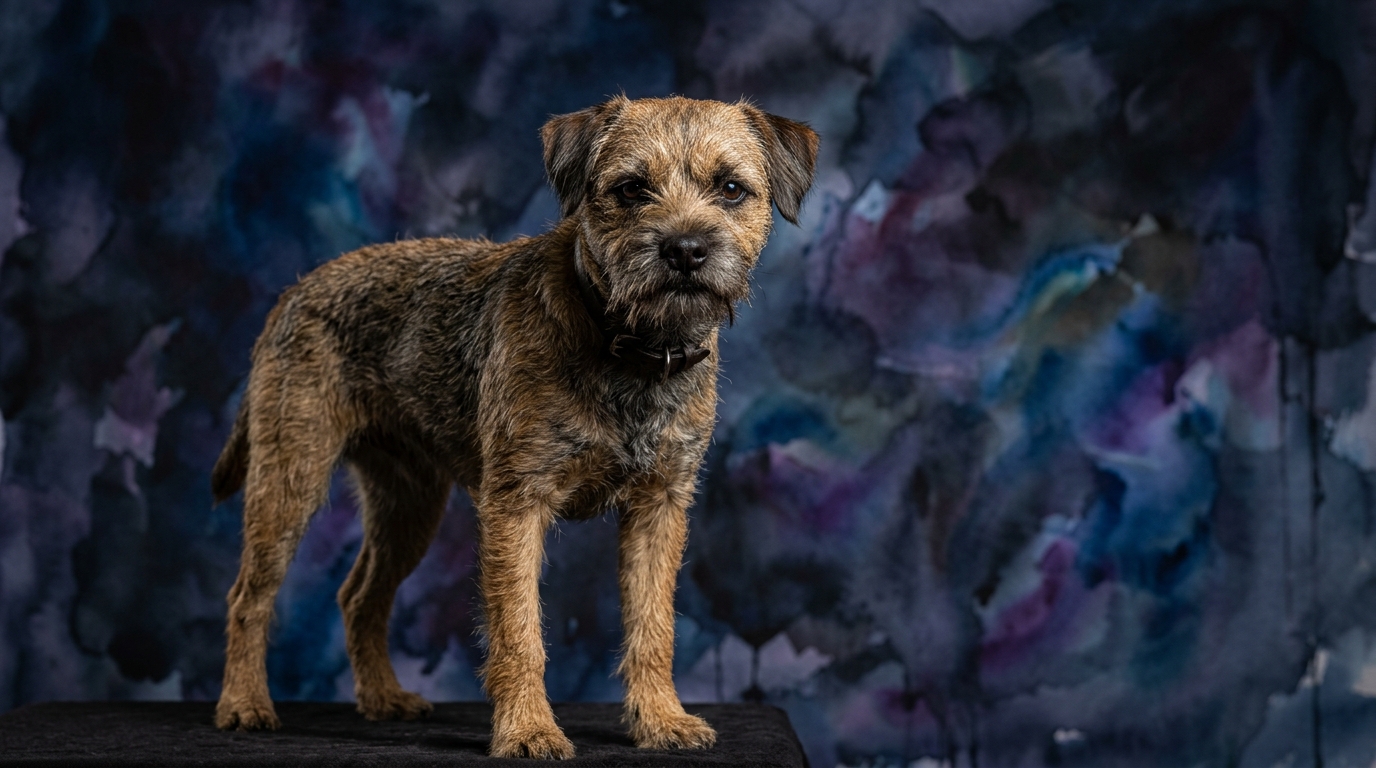
The Cosmic Pet Pet IQ Lab assesses canine intelligence across five key dimensions, offering a nuanced view beyond simple obedience. For the Border Terrier, a breed with a Coren rank of #30, its scores reflect a history of independent work: Problem Solving 4/5, Training Speed 4/5, Social Intelligence 3/5, Instinctive Drive 3/5, and Memory 4/5. These numbers paint a picture of a capable, quick-thinking dog.
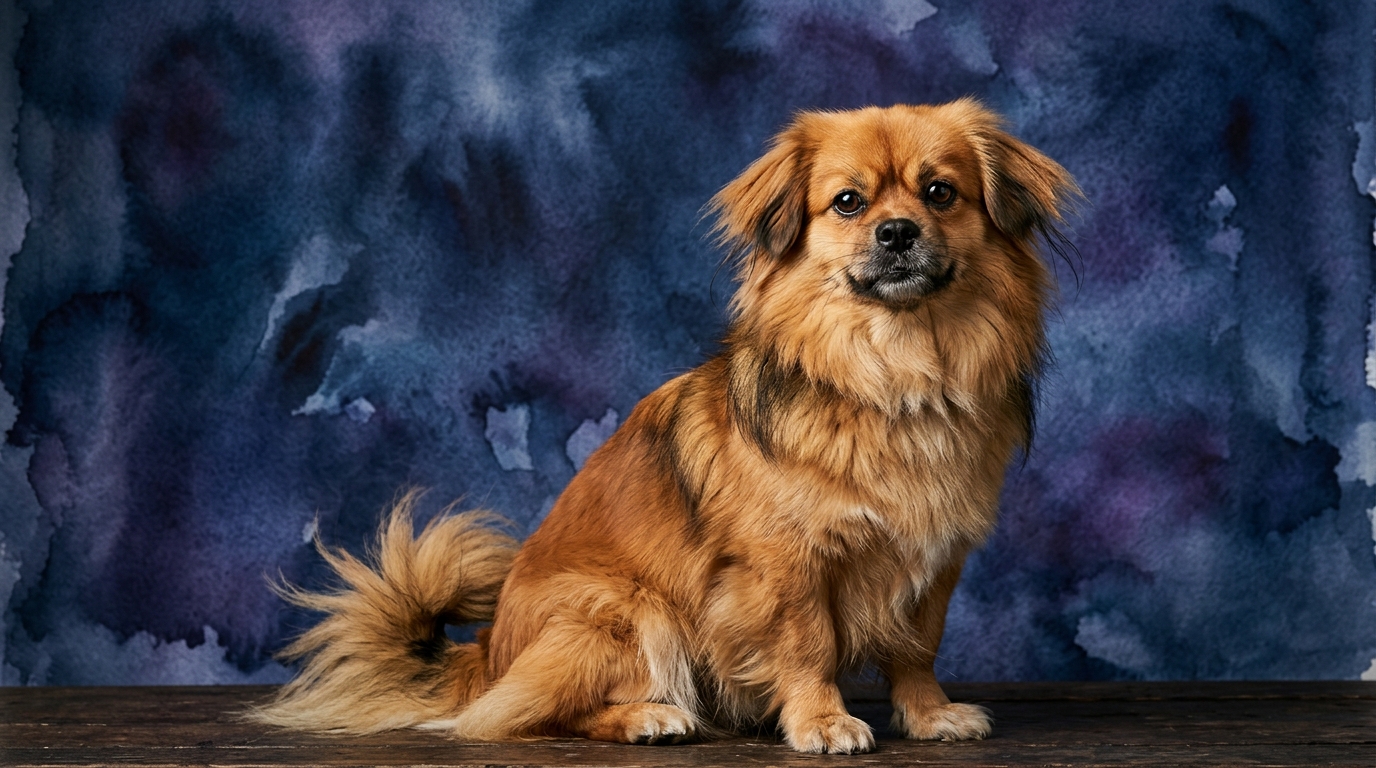
In contrast, the Tibetan Spaniel, a Non-Sporting breed not ranked by Coren, presents a consistent profile: Problem Solving 3/5, Training Speed 3/5, Social Intelligence 3/5, Instinctive Drive 3/5, and Memory 3/5. This uniformity suggests a balanced set of cognitive abilities, perhaps less specialized for tasks requiring extreme mental agility but well-suited for a companion role. Examining these dimensions individually reveals the unique cognitive landscapes of each breed.
Where the Border Terrier's Mind Excels
The Border Terrier truly shines in areas demanding independent thought and recall, scoring a robust 4/5 in both Problem Solving and Memory. Their historical role as a working terrier, tasked with bolting foxes from their dens, required them to assess situations, navigate complex underground tunnels, and remember routes and strategies. This manifests today as a dog adept at figuring out puzzles, opening latches, or devising ways to reach a desired object.
Their 4/5 Training Speed also indicates a capacity for rapid learning, particularly when the task aligns with their inherent drives. A Border Terrier can quickly grasp new commands or routines, especially if the reward or the process itself feels like a stimulating challenge or a 'job.' This combination of sharp problem-solving and excellent memory makes them quick to adapt to new environments and learn complex sequences of actions, provided their motivation is engaged.
Unpacking the Tibetan Spaniel's Cognitive Nuances
While the Tibetan Spaniel's scores are consistently 3/5 across the board, this balanced profile points to a different kind of cognitive strength, tailored to their role as companions and temple guardians. Their Problem Solving at 3/5, for instance, might not manifest as strategic hunting, but rather in their ability to subtly communicate their needs, find the most comfortable spot in the house, or cleverly manipulate situations to gain attention or treats. They are observant and can learn through watching.
Their Social Intelligence at 3/5, combined with their Instinctive Drive also at 3/5, speaks to their heritage as watchdogs and companions. They are attuned to the moods and routines of their human family, often acting as sensitive barometers of the household atmosphere. Their drive is less about physical pursuit and more about alertness and protecting their territory through vocalizations, showcasing a perceptive awareness of their surroundings and social dynamics within their immediate circle.
Training Dynamics: A Tale of Two Temperaments
When it comes to training, the Border Terrier's 4/5 Training Speed suggests they pick up commands quickly. However, their strong Problem Solving (4/5) and Instinctive Drive (3/5) mean they might decide for themselves if a command is worth obeying, especially if a more compelling scent or activity presents itself. Training a Border Terrier requires consistency, creativity, and making the learning process feel like a rewarding game, channeling their natural tenacity and desire to work. They respond best to positive reinforcement that acknowledges their independent spirit.
The Tibetan Spaniel, with a Training Speed of 3/5, may take a little longer to master new commands, but their cooperative nature and desire for companionship often make them eager to please. They are less likely to be distracted by independent pursuits, making them generally more focused during training sessions. However, their sensitivity means that harsh corrections are counterproductive; gentle, patient, and positive methods yield the best results, fostering their trust and willingness to engage.
Real behavioral differences often emerge in consistency. A Border Terrier might learn a trick in three repetitions but then ignore it if a squirrel runs by. A Tibetan Spaniel might take ten repetitions to learn the same trick but then perform it reliably because their motivation is rooted in pleasing their owner and maintaining harmony, rather than satisfying an independent drive.
Lifestyle Match: Active Engagement vs. Thoughtful Companionship
For owners seeking an active and mentally stimulating companion, the Border Terrier is a compelling choice. Their high problem-solving capacity and instinctive drive mean they thrive on structured activities like earthdog trials, agility, or extensive hiking. They require an owner who can provide consistent mental challenges and physical outlets to prevent boredom and channel their natural terrier energies into productive pursuits. A Border Terrier will often seek out mental engagement if not provided, sometimes in ways an owner might find inconvenient.
The Tibetan Spaniel, on the other hand, is an excellent match for individuals or families seeking a more relaxed yet deeply connected companion. While they enjoy moderate daily walks and playtime, their primary need is for companionship and being an integral part of family life. Their observant nature and social intelligence make them content to observe from a comfortable perch, offering quiet companionship and alert guardianship without demanding constant high-octane activity. They are satisfied with indoor games and close interaction.
Ultimately, the choice hinges on how an owner's lifestyle aligns with these inherent cognitive and behavioral tendencies. An active, outdoors-oriented owner who enjoys problem-solving alongside their dog will find a fulfilling partnership with a Border Terrier. A more home-centric owner who values a perceptive, affectionate presence will find the Tibetan Spaniel a wonderful fit.
The Verdict
Choose the Border Terrier if you desire a quick-witted, tenacious companion eager for mental challenges and outdoor adventures, and you are prepared to channel their independent spirit into engaging activities.
Opt for the Tibetan Spaniel if you seek a perceptive, affectionate companion who thrives on close human interaction and offers thoughtful companionship within a more relaxed home environment.
🧠 Find Your Pet's IQ Score
Our Pet IQ Lab assessment covers 25+ tests across 5 cognitive dimensions — personalized to your breed.
Take the Full IQ Test →Frequently Asked Questions
Do Border Terriers need more exercise than Tibetan Spaniels?
Yes, Border Terriers generally require more vigorous physical activity and mental engagement due to their working background, needing structured play and regular outings to satisfy their energetic nature. Tibetan Spaniels are content with moderate daily walks and indoor play, prioritizing companionship over high-intensity exercise.
Which breed is better for first-time dog owners?
The Tibetan Spaniel might be a slightly easier choice for first-time owners due to their generally more compliant nature and lower exercise demands, provided their watchdog tendencies are understood. Border Terriers, with their independent streak and higher mental and physical needs, often benefit from owners experienced in terrier traits.
How do their social intelligence scores of 3/5 manifest differently?
For Border Terriers, their social intelligence is often directed towards their pack (human family) with a clear understanding of hierarchy, but they can be more reserved with strangers. Tibetan Spaniels also show strong family bonds, but their social intelligence is geared towards being an attentive companion, often more openly affectionate and perceptive of human moods.