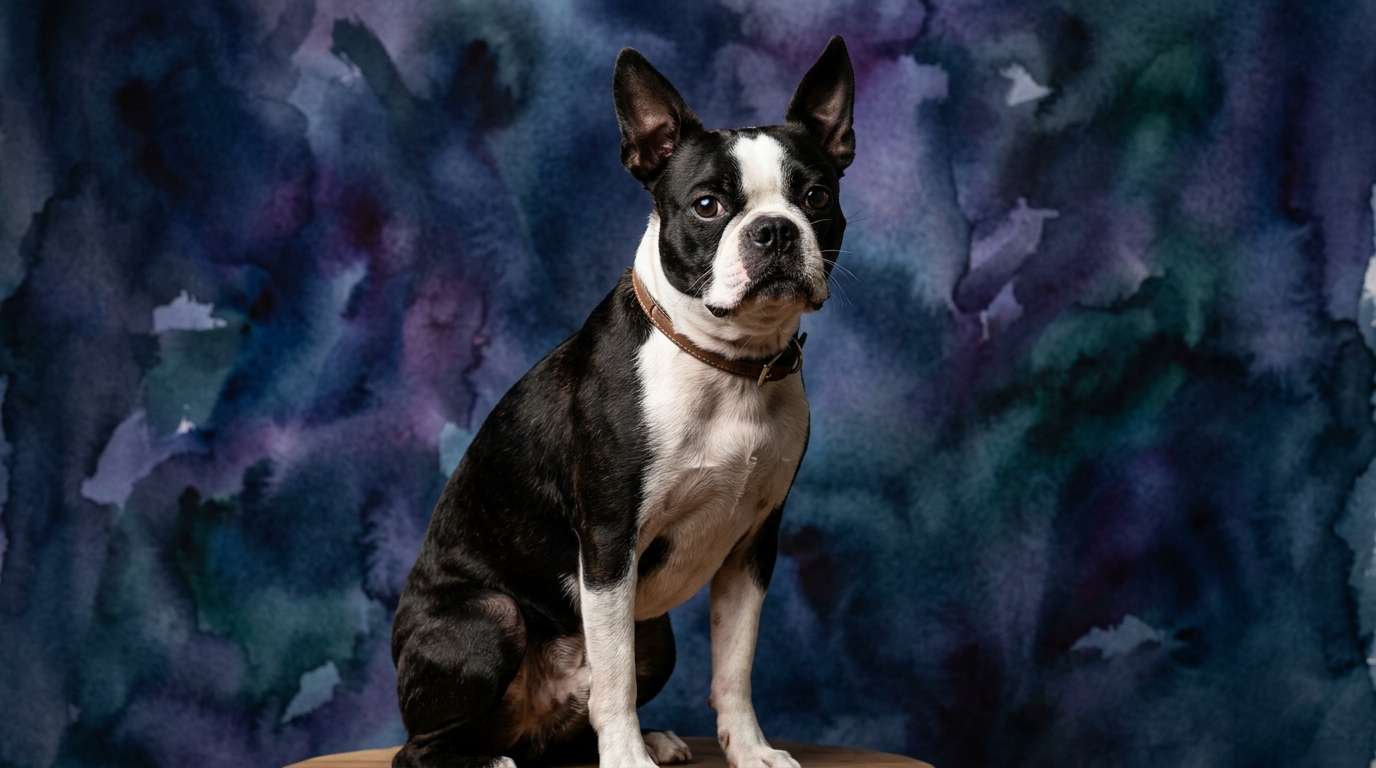
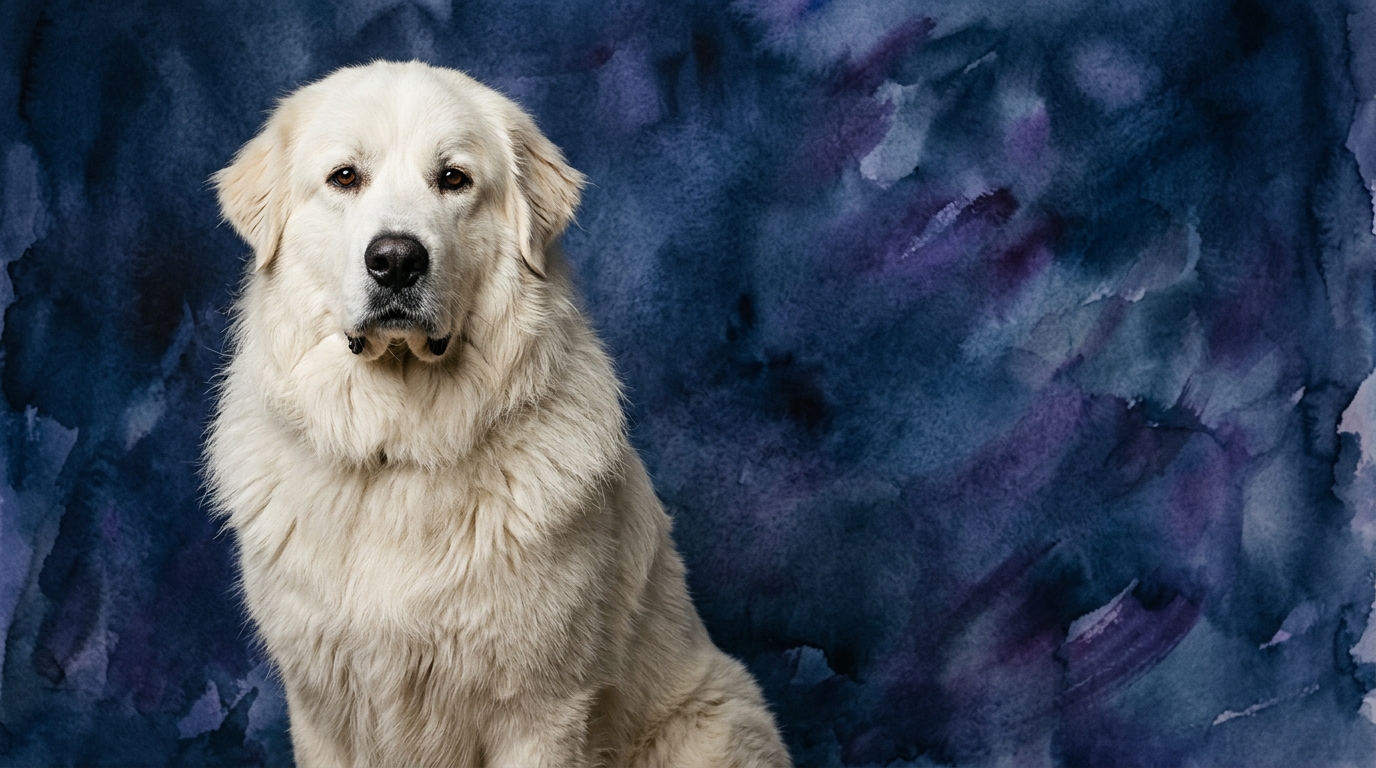
Side-by-Side Cognitive Profile: Boston Terrier vs. Great Pyrenees
The Boston Terrier, a member of the Non-Sporting Group, holds a Coren rank of #54. In our IQ assessment, they score 3/5 for Problem Solving, indicating an aptitude for navigating familiar challenges and engaging with moderate mental puzzles. Their Training Speed is 3/5, suggesting they learn new commands at a steady pace with consistent instruction. Where they truly shine is in Social Intelligence, scoring 4/5, reflecting their strong ability to interpret human cues and connect emotionally. Their Instinctive Drive is 2/5, meaning they have a relatively low innate inclination for independent working tasks, focusing more on companionship. Lastly, their Memory is 3/5, allowing them to effectively retain learned information and routines.
In contrast, the Great Pyrenees, from the Working Group, is ranked #64 by Coren, indicating a different approach to obedience. They match the Boston Terrier with a 3/5 in Problem Solving, particularly in practical, autonomous decision-making related to their guardian role. Their Training Speed is also 3/5, but their independent nature often requires more patient and nuanced methods. Their Social Intelligence is 3/5, meaning they understand family dynamics but often with a more observant, self-reliant perspective. A key difference lies in their Instinctive Drive, which is 3/5, reflecting a powerful innate urge for guarding and protection. Like the Boston Terrier, their Memory is 3/5, enabling them to recall important environmental details and training over time.
Where the Boston Terrier Excels Cognitively
The Boston Terrier's primary cognitive advantage lies in its superior Social Intelligence, scoring 4/5 compared to the Great Pyrenees' 3/5. This higher social acuity means they are often more adept at reading human emotions, understanding subtle body language, and seamlessly integrating into family life as highly responsive companions. They tend to seek out and thrive on human interaction, making them quicker to pick up on social cues for training and bonding. Their lower instinctive drive (2/5 vs 3/5) also means they are less preoccupied with independent tasks like guarding and more focused on their human pack, facilitating closer social bonds and a greater willingness to engage in shared activities. This makes them particularly responsive to social praise and interaction, which can be a powerful motivator in daily life and training scenarios.
Where the Great Pyrenees Holds Cognitive Strengths
The Great Pyrenees' cognitive strengths are rooted in their robust instinctive drive and practical, independent problem-solving, both scoring 3/5, which aligns with their heritage as livestock guardians. While their Coren rank is lower, indicating less eagerness for rote obedience, their independent problem-solving manifests in their ability to assess complex situations and make autonomous decisions without constant human direction. This might involve evaluating potential threats or determining the most effective patrol route for their territory. Their stronger instinctive drive means they excel at tasks requiring self-reliance, vigilance, and protective instincts, often surveying their territory and acting on perceived threats with minimal prompting. This self-sufficiency, while sometimes translating to a perceived independence in traditional obedience, is a testament to their evolved capacity for independent thought and action in a working context.
Training Dynamics: Boston Terrier vs. Great Pyrenees
Based on their cognitive profiles, the Boston Terrier generally presents an easier training experience for most pet owners, primarily due to their higher social intelligence and lower instinctive drive. The Boston Terrier's 4/5 social intelligence means they are more naturally inclined to engage with their human trainers, seeking approval and understanding cues more readily. Their 2/5 instinctive drive translates to fewer independent working impulses to override, making them more amenable to structured obedience lessons and eager to participate in learning sessions.
In contrast, the Great Pyrenees, with a 3/5 social intelligence and a 3/5 instinctive drive, approaches training with a more independent mindset. They are capable of learning at the same speed (3/5), but their strong protective instincts and inherent self-reliance mean they often weigh commands against their own judgment or perceived priorities. Training a Great Pyrenees requires greater patience, consistency, and an understanding of their guardian instincts, often involving convincing them that complying with a command aligns with their perceived role rather than simply obeying. For instance, a Boston Terrier might quickly learn "stay" to earn a treat and praise, while a Great Pyrenees might "stay" only if they deem the situation safe and there's no perceived threat requiring their independent intervention.
Matching Breeds to Lifestyles: Active vs. Relaxed Owners
The Boston Terrier, despite its spirited nature, often suits a wider range of owners, including those with a more relaxed lifestyle, provided their social needs are met. Their moderate energy levels and compact size make them adaptable to apartment living and urban environments, requiring regular but not extreme physical activity. They thrive on companionship and mental stimulation through interaction, making them ideal for owners who enjoy consistent engagement, short walks, and indoor play, valuing a responsive and present companion.
Conversely, the Great Pyrenees is better suited for owners who provide a large, secure space and understand their need for independent patrol and vigilance. Their lower Coren rank and strong instinctive drive mean they are not typically eager participants in highly structured, fast-paced activities like agility, but they require ample space to roam and survey their territory. They are not high-energy in the sense of needing constant running, but their natural guarding requires them to be "on duty," which is a form of mental and physical engagement that thrives in a less constrained environment, making them less suited for purely relaxed, small-space living.
The Verdict
Opt for a Boston Terrier if you seek a highly socially attuned companion eager to engage, quick to integrate into family routines, and generally more straightforward to train for obedience, thriving on shared activities in various living spaces.
Select a Great Pyrenees if you have ample secure space, appreciate an independent and vigilant guardian, and are prepared for patient, consistent training that respects their self-reliant nature and protective instincts.
🧠 Find Your Pet's IQ Score
Our Pet IQ Lab assessment covers 25+ tests across 5 cognitive dimensions — personalized to your breed.
Take the Full IQ Test →Frequently Asked Questions
Are Boston Terriers good with children?
With their high social intelligence, Boston Terriers are generally affectionate and tolerant with children, often enjoying play and companionship. Supervision is always recommended with any dog and child interaction to ensure respectful engagement.
Do Great Pyrenees need a lot of exercise?
Great Pyrenees do not typically require intense, high-impact exercise but do need ample space to roam and fulfill their guarding instincts. Regular, moderate walks and a secure yard are usually sufficient to keep them content and mentally stimulated.
How do their memories compare for training?
Both breeds score a 3/5 in memory, indicating they retain learned commands and experiences effectively. The difference in training often lies more in their motivation and willingness to apply that memory, driven by their distinct social intelligence and instinctive drives.