Unpacking the Cognitive Profiles: Boston Terrier vs. Irish Wolfhound
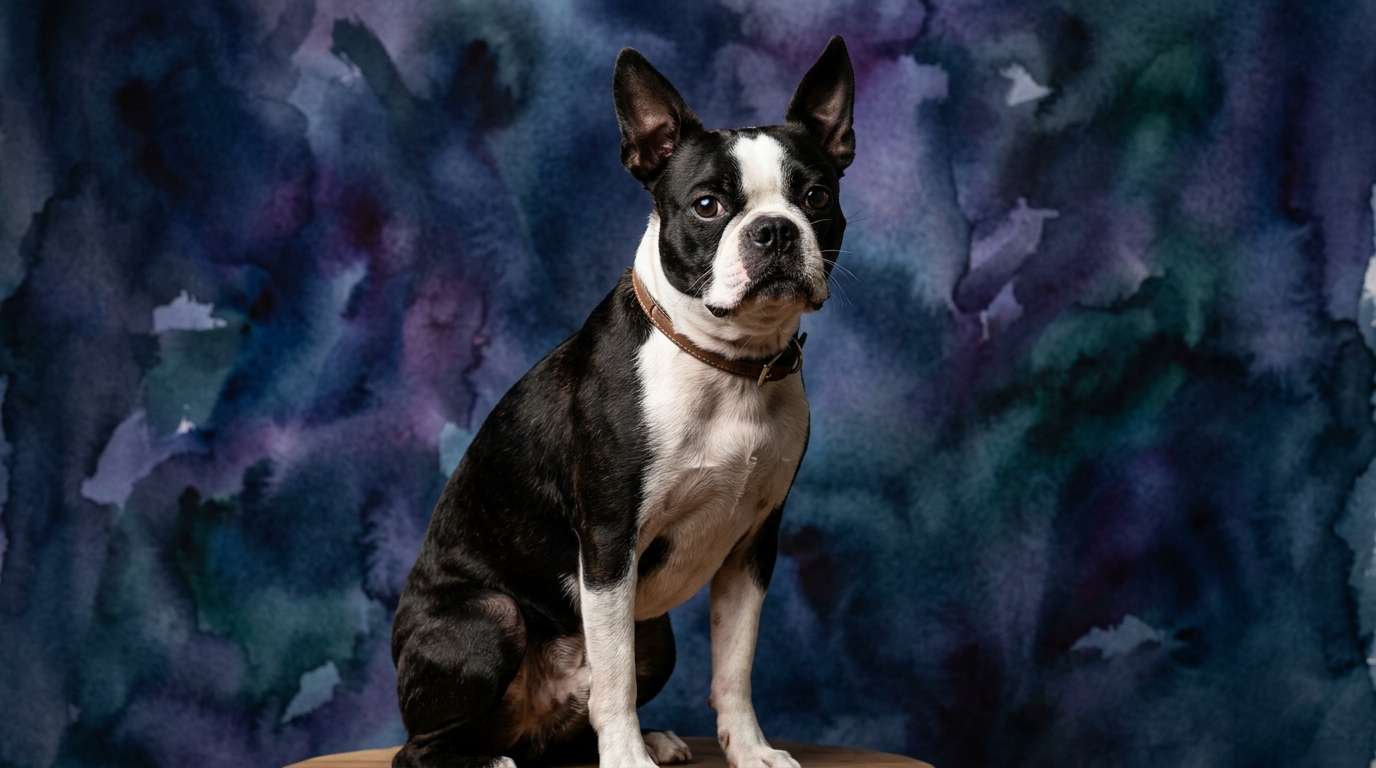
The Boston Terrier, a member of the Non-Sporting Group and ranked #54 by Coren, presents a balanced cognitive profile. Their Problem Solving is rated 3/5, suggesting a moderate capacity for navigating novel challenges and proficient with routine puzzles but not typically highly inventive. Training Speed is also 3/5, indicating they learn new commands at an average pace, responsive to consistent positive reinforcement. A standout trait is their Social Intelligence at 4/5, showing a strong aptitude for understanding human cues, adapting to social situations, and forming deep bonds, making them highly attuned companions. Their Instinctive Drive is relatively low at 2/5, meaning natural predispositions like hunting or herding are not dominant, reducing tendencies to chase or explore independently due to primal urges. Memory is rated 3/5, an average recall ability, capable of remembering commands and routines, though complex sequences might need regular reinforcement.
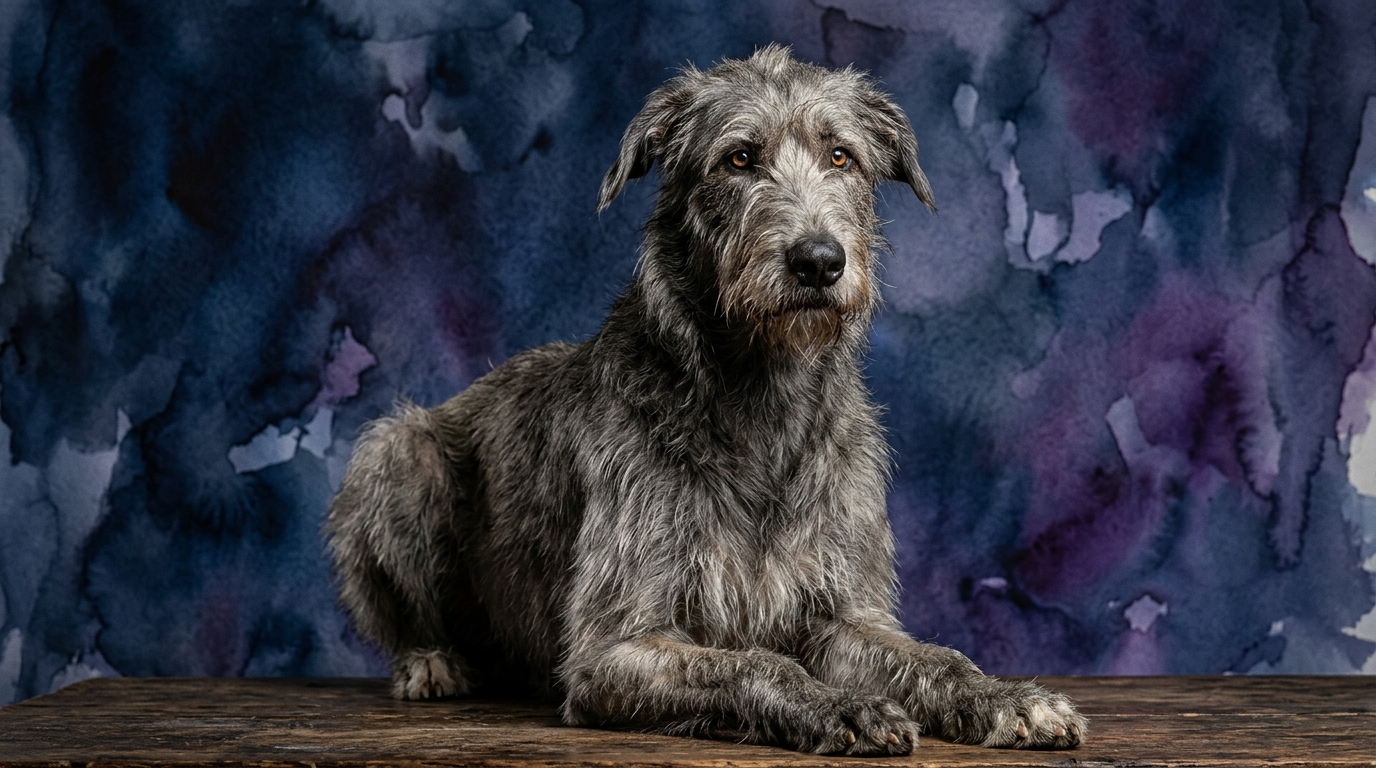
The Irish Wolfhound, a majestic Hound breed not specifically Coren-ranked, shares some cognitive similarities but with distinct differences. Their Problem Solving is 3/5, akin to the Boston, showing a moderate ability to tackle new problems, learning through experience but not typically seeking complex mental challenges. Training Speed is also 3/5, indicating an average learning curve for new behaviors, responding well to patient, consistent training methods. Social Intelligence stands at 3/5, a solid score denoting good social adaptability and an ability to bond, though perhaps slightly less overtly expressive or nuanced than the Boston Terrier. Their Instinctive Drive is 3/5, higher than the Boston, reflecting their sighthound heritage; this drive manifests as a natural inclination to pursue moving objects, requiring management. Memory is rated 3/5, an average ability to retain information, remembering learned commands and routines effectively, similar to the Boston Terrier.
Boston Terrier's Cognitive Edge
The Boston Terrier shines brightest in social intelligence, scoring a notable 4 out of 5. This elevated capacity means they possess a remarkable ability to interpret human moods, gestures, and vocalizations, often anticipating desires and reacting appropriately to subtle social cues. Their inherent desire to be an integral part of the family unit fuels this social acumen, making them exceptionally empathetic and adaptable companions in diverse household dynamics. This cognitive strength allows them to seamlessly integrate into various social settings, understanding their place with grace. Furthermore, their lower instinctive drive, rated at 2 out of 5, gives them a unique advantage in domestic environments. Unlike breeds with strong predatory instincts, Boston Terriers are generally less inclined to bolt after squirrels or obsess over neighborhood cats. This reduced primal urge translates into more focused attention on their human companions and less distraction from external stimuli, making them less prone to independent pursuits that challenge household harmony. Their cognitive energy is thus more readily directed towards social engagement and cooperative tasks.
Irish Wolfhound's Distinct Cognitive Strengths
The Irish Wolfhound, while sharing similar scores in several cognitive domains, demonstrates a distinct advantage in its instinctive drive, rated at 3 out of 5. This score, higher than the Boston Terrier's, directly reflects their historical role as large game hunters, where keen observation and powerful pursuit were paramount. This inherent drive translates into a deep-seated motivation to scan their environment, detect movement, and, when appropriate, engage. While often perceived as gentle giants, this instinctive drive provides them with a profound sense of purpose and a natural inclination towards activities that engage their sighthound heritage. This cognitive strength lies in their ability to process and react to environmental cues with primal efficiency, making them incredibly aware of their surroundings and capable of swift, decisive action when their instincts are engaged. This intrinsic motivation, when guided, can lead to a highly engaged and purposeful companion, particularly in environments that allow for the expression of their natural sighthound tendencies, fostering a deep connection between their ancient lineage and their modern lives.
Training Trajectories: Understanding Responsiveness
When evaluating ease of training, both the Boston Terrier and the Irish Wolfhound score a 3 out of 5 for training speed, suggesting they learn new commands and routines at an average pace. However, the nuances in their other cognitive dimensions create different training experiences. The Boston Terrier's superior social intelligence (4/5) often translates into a keen desire to please their human companions. This intrinsic motivation to connect and cooperate means they are typically highly responsive to positive reinforcement and praise, making them eager participants in training sessions. Their lower instinctive drive (2/5) also means fewer distractions from external stimuli, allowing them to maintain focus more readily. Training a Boston Terrier often feels like a cooperative effort, with the dog actively trying to understand and meet expectations. In contrast, the Irish Wolfhound, despite the same training speed score, might present different challenges due to their higher instinctive drive (3/5). While not stubborn, their sighthound nature means they can be more easily diverted by visual stimuli or the urge to explore. Training an Irish Wolfhound requires an owner who understands this inherent drive, using consistent, positive reinforcement to channel their focus and redirect natural inclinations. They respond best to patient, gentle methods that build trust. Therefore, while both breeds are trainable, the Boston Terrier's cognitive makeup often makes the training process feel more inherently cooperative and less prone to environmental distractions, whereas the Irish Wolfhound benefits from an owner who can expertly guide and manage their powerful natural instincts.
Lifestyle Compatibility: Matching Cognitive Needs to Owner Lifestyles
The cognitive profiles of these two breeds offer clear insights into which might best suit different owner lifestyles. The Boston Terrier, with its moderate energy levels, lower instinctive drive, and exemplary social intelligence, is an ideal fit for owners seeking a highly adaptable and engaged companion. Their cognitive makeup allows them to thrive in various living situations, from city apartments to suburban homes, provided they receive consistent social interaction and moderate daily exercise. They are equally content with a vigorous walk or a relaxed evening on the couch, making them suitable for both moderately active individuals and those who prefer a more relaxed pace. Their strong social intelligence means they genuinely enjoy being included in family activities and are less likely to seek independent adventures, preferring to share experiences with their humans. The Irish Wolfhound, conversely, while possessing a calm demeanor indoors, is better suited for owners who can accommodate their greater physical needs and respect their inherent instinctive drive. Despite their gentle nature, their size and sighthound heritage necessitate ample space to stretch their long legs and opportunities for regular, vigorous exercise in a secure area where their instinct to chase can be safely managed. Owners who appreciate long walks, have a large, fenced yard, or enjoy activities that engage a sighthound's natural inclinations will find a profound connection. While they can be wonderfully relaxed companions indoors, they are not content with a purely sedentary lifestyle. Their cognitive needs demand an owner who can provide both mental stimulation and physical outlets that honor their majestic heritage.
The Verdict
Choose a Boston Terrier if you prioritize a highly socially attuned, adaptable companion who thrives on consistent human interaction and possesses a lower drive for independent exploration, fitting seamlessly into diverse living situations.
Opt for an Irish Wolfhound if you are an active owner with ample space, prepared to accommodate a giant breed's physical and instinctive needs, appreciating their majestic presence and deep, quiet companionship.
🧠 Find Your Pet's IQ Score
Our Pet IQ Lab assessment covers 25+ tests across 5 cognitive dimensions — personalized to your breed.
Take the Full IQ Test →Frequently Asked Questions
Do Boston Terriers need a lot of mental stimulation?
While not requiring constant complex puzzles, Boston Terriers benefit greatly from mental engagement through training, interactive toys, and social interaction. Their high social intelligence means they find significant mental stimulation in simply being part of family activities and understanding human routines.
Are Irish Wolfhounds difficult to manage due to their size and instincts?
Irish Wolfhounds require consistent training and management due to their size and sighthound instincts, but they are generally gentle and trainable. Owners must provide secure spaces for exercise and understand their natural drive to chase, ensuring safety for both the dog and others.
How do their memory scores impact daily life?
Both breeds score 3/5 in memory, indicating they effectively remember routines and commands with consistent reinforcement. This means they are capable of learning and retaining a good repertoire of behaviors, but complex or infrequently practiced tasks might require occasional refreshers.