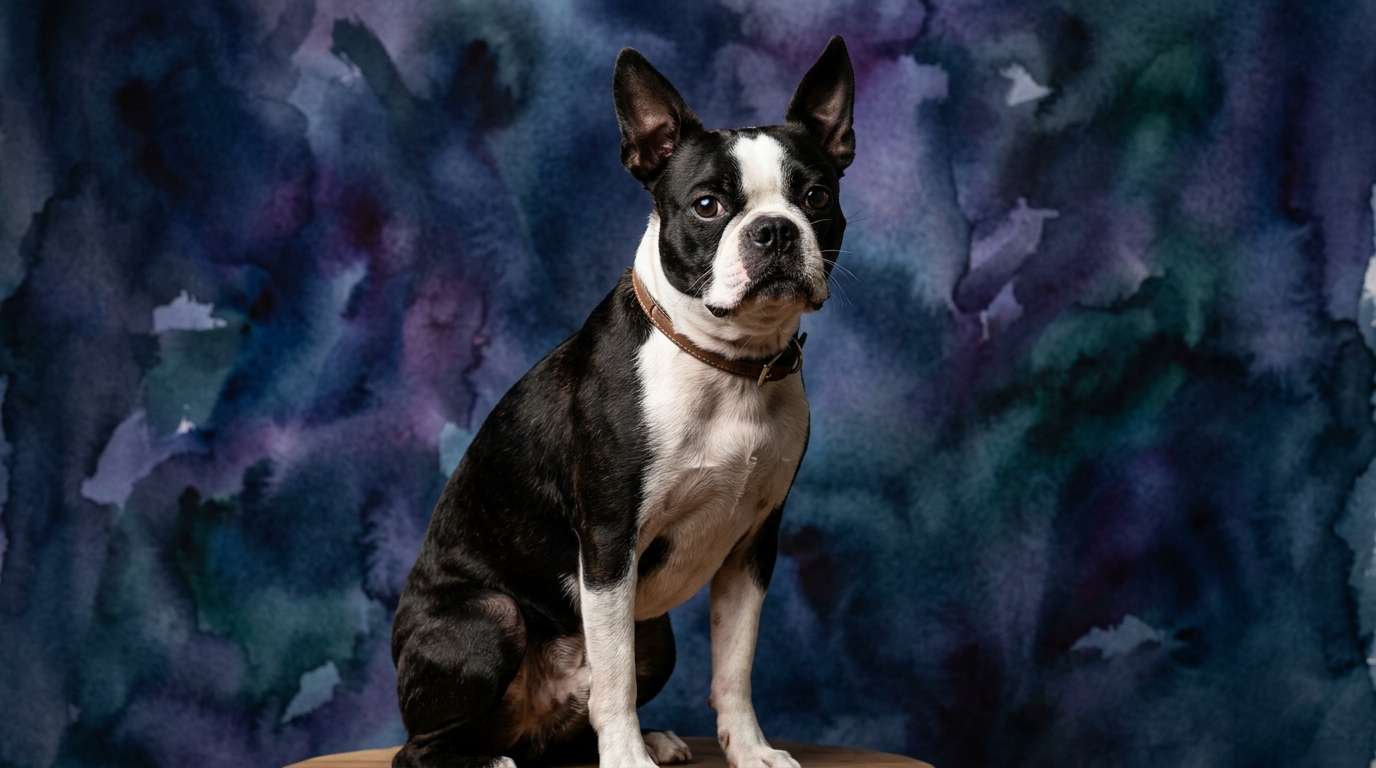
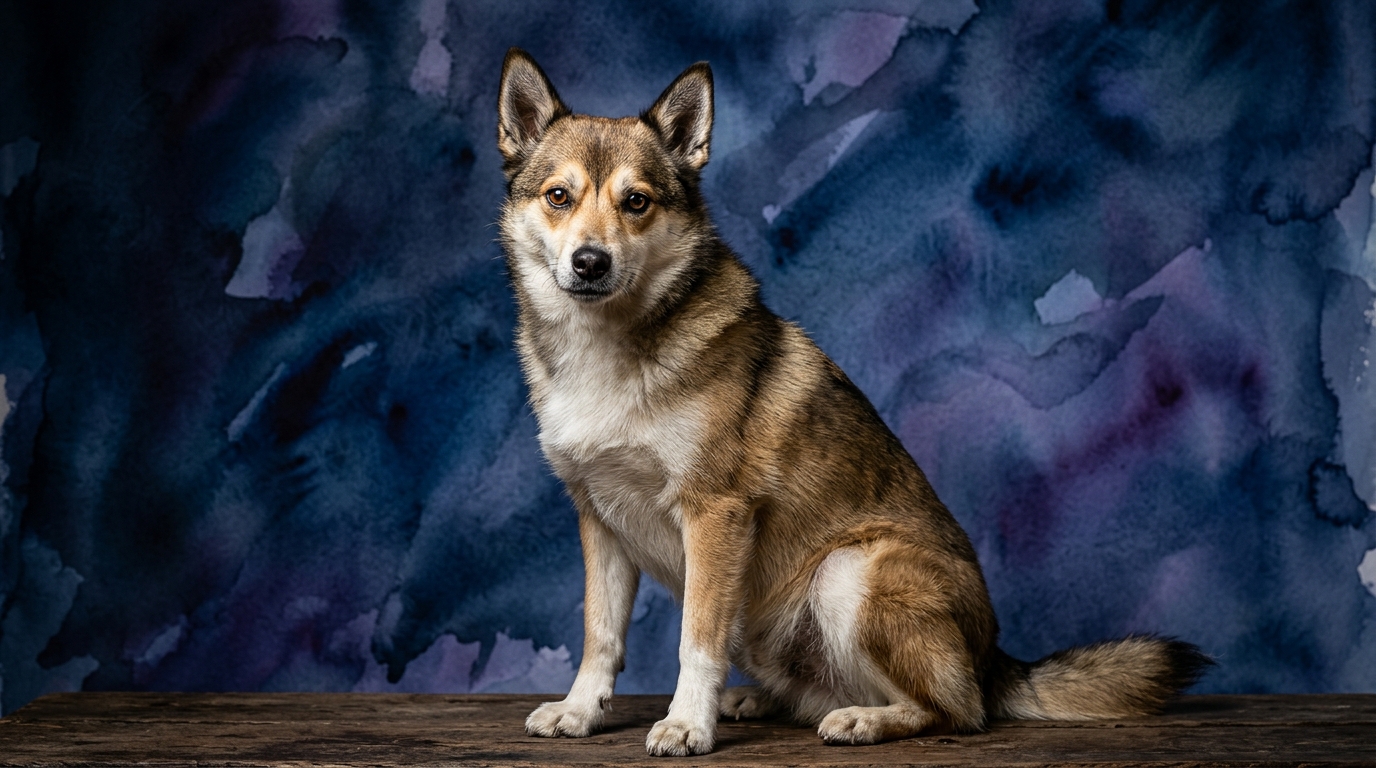
Side-by-Side IQ Profile: Boston Terrier vs. Norwegian Lundehund
The Cosmic Pet Pet IQ Lab employs a five-dimensional framework to assess canine intelligence, offering a nuanced view beyond simple obedience. For the Boston Terrier, a “gentleman” from the Non-Sporting Group, and the Norwegian Lundehund, a specialized puffin hunter also from the Non-Sporting Group, these dimensions illuminate their distinct mental landscapes.
**Boston Terrier:** Adaptable to household puzzles and routines, they learn through observation and trial-and-error within familiar contexts, but may not always devise novel solutions to complex, abstract challenges (Problem Solving 3/5). They pick up commands at a moderate pace, responding well to consistent positive reinforcement; their eagerness to please aids in their learning, though repetition is beneficial for long-term retention (Training Speed 3/5). Exceptionally attuned to human emotions and body language, they anticipate moods and thrive on deep companionship, fostering strong intuitive bonds within the family (Social Intelligence 4/5). Historically companion animals, they exhibit low prey drive and minimal urges for independent hunting or guarding, making them highly adaptable and less distracted house pets (Instinctive Drive 2/5). Solid memory for learned commands, familiar people, places, and daily routines, ensuring consistent behavioral patterns and recall of significant experiences (Memory 3/5).
**Norwegian Lundehund:** Their historical role required navigating treacherous cliffs, fostering an independent, resourceful approach to physical obstacles and spatial reasoning; adept at finding creative solutions in complex environments (Problem Solving 3/5). Capable learners, but their independent nature and historical self-reliance mean they may require more patience, consistency, and highly motivating rewards to maintain focus and compliance (Training Speed 3/5). Affectionate with family but often reserved with strangers, they understand human cues but retain a degree of independence in social interactions, prioritizing their own agenda at times (Social Intelligence 3/5). A moderate prey drive and an inherent desire to explore, investigate, and dig stems from their ancestral puffin hunting, requiring outlets for their curiosity and physical engagement (Instinctive Drive 3/5). Reliable memory for complex routes, interesting scents, and learned tasks, particularly effective for practical, spatial information relevant to their exploratory and independent nature (Memory 3/5).
Where the Boston Terrier Wins Cognitively
The Boston Terrier’s cognitive advantage primarily stems from its superior social intelligence (4/5) and lower instinctive drive (2/5). This combination makes them exceptionally attuned to human companionship and remarkably cooperative within a domestic setting. Their high social intelligence means they excel at interpreting and responding to subtle human cues, fostering a deeper emotional connection and making communication feel intuitive. They actively seek human interaction, thriving on being an integrated family member. Their low instinctive drive means they are less distracted by external stimuli like prey or territorial urges, allowing them to remain more focused on human-directed activities and less prone to independent pursuits that might conflict with household rules. This profile makes them particularly adept at understanding and adhering to social norms, making them a true partner in daily life.
Where the Norwegian Lundehund Wins Cognitively
The Norwegian Lundehund’s cognitive strengths are rooted in its robust instinctive drive (3/5) and problem-solving ability (3/5), uniquely honed by its historical purpose. While their problem-solving score matches the Boston Terrier, the Lundehund’s approach is often more independent and spatially oriented. Their ancestral task of hunting puffins in challenging coastal environments required exceptional resourcefulness, agility, and the ability to navigate complex, confined spaces. This translates into a dog adept at figuring out physical puzzles, exploring intricate environments, and demonstrating remarkable spatial awareness. Their higher instinctive drive fuels this exploratory nature, prompting them to dig, climb, and investigate with purpose. This drive, combined with their practical problem-solving, makes them highly adaptable to varied physical challenges and environments, excelling in activities requiring independent thought and physical dexterity.
Which is Easier to Train and Why
When considering ease of training, the Boston Terrier generally presents a more straightforward experience. Their higher social intelligence (4/5) and lower instinctive drive (2/5) are key factors. They are intrinsically motivated by pleasing their human companions, making them highly responsive to positive reinforcement and eager to learn commands that strengthen their bond. Their primary focus on people means fewer distractions from environmental stimuli during training sessions, leading to quicker comprehension and compliance with consistent, gentle methods.
Conversely, the Norwegian Lundehund, with its moderate social intelligence (3/5) and higher instinctive drive (3/5), coupled with its historical independence, can be more challenging. While capable learners, their inherent resourcefulness and desire for independent exploration mean they may not always prioritize human commands if it conflicts with their own perceived agenda or an interesting scent. Training requires more patience, creativity, and highly motivating rewards that tap into their natural drives, as they might test boundaries or require more repetition due to their independent streak.
Which Suits Active Owners vs. Relaxed Owners
The cognitive profiles offer clear guidance for matching these breeds with owner lifestyles. The Boston Terrier, with its elevated social intelligence and lower instinctive drive, is an excellent fit for more relaxed owners or those in urban environments. They thrive on companionship, enjoying indoor activities, moderate walks, and being a constant presence by their owner’s side. Their relatively low need for intense physical or mental exertion, beyond daily interaction and basic exercise, makes them adaptable to apartment living. Owners who appreciate a dog deeply attuned to their emotions, enjoys cuddles, and is generally content with a moderate pace of life will find the Boston Terrier a harmonious companion.
The Norwegian Lundehund, conversely, is better suited for active owners who can embrace and channel their dog’s higher instinctive drive and independent problem-solving nature. These dogs require consistent mental stimulation and opportunities to explore. Their historical role means they are naturally curious and enjoy investigating surroundings, making them ideal partners for hiking, scent work, or agility. Owners who enjoy outdoor adventures, have a secure yard, and are willing to engage in structured play or training that challenges their dog’s mind will find the Lundehund rewarding, respecting their independent streak by providing outlets for natural drives.
The Verdict
If you prioritize a deeply socially intelligent companion who thrives on human interaction, adapts readily to a domestic setting, and offers consistent affection with fewer independent urges, the Boston Terrier is your ideal match.
Opt for the Norwegian Lundehund if you are an active owner who values an independent, resourceful dog with a keen exploratory drive, capable of navigating complex environments and engaging in stimulating outdoor activities.
🧠 Find Your Pet's IQ Score
Our Pet IQ Lab assessment covers 25+ tests across 5 cognitive dimensions — personalized to your breed.
Take the Full IQ Test →Frequently Asked Questions
Are Boston Terriers good apartment dogs?
Yes, Boston Terriers generally adapt very well to apartment living due to their moderate exercise needs and strong desire for companionship. Their compact size and lower instinctive drive make them excellent indoor pets, as long as they receive daily walks and mental stimulation.
What unique physical traits do Lundehunds have?
Norwegian Lundehunds possess several unique physical traits, including six toes on each foot, highly flexible joints that allow them to turn their heads backward and fold their ears shut, and the ability to splay their forelegs almost flat. These adaptations were crucial for their historical role hunting puffins in rocky crevices.
Do Lundehunds get along with other pets?
Norwegian Lundehunds can get along with other pets, especially if socialized from a young age, but their moderate prey drive means careful introductions are necessary, particularly with smaller animals. Their independent nature also means they might prefer their own space at times, though they can coexist peacefully in a multi-pet household.