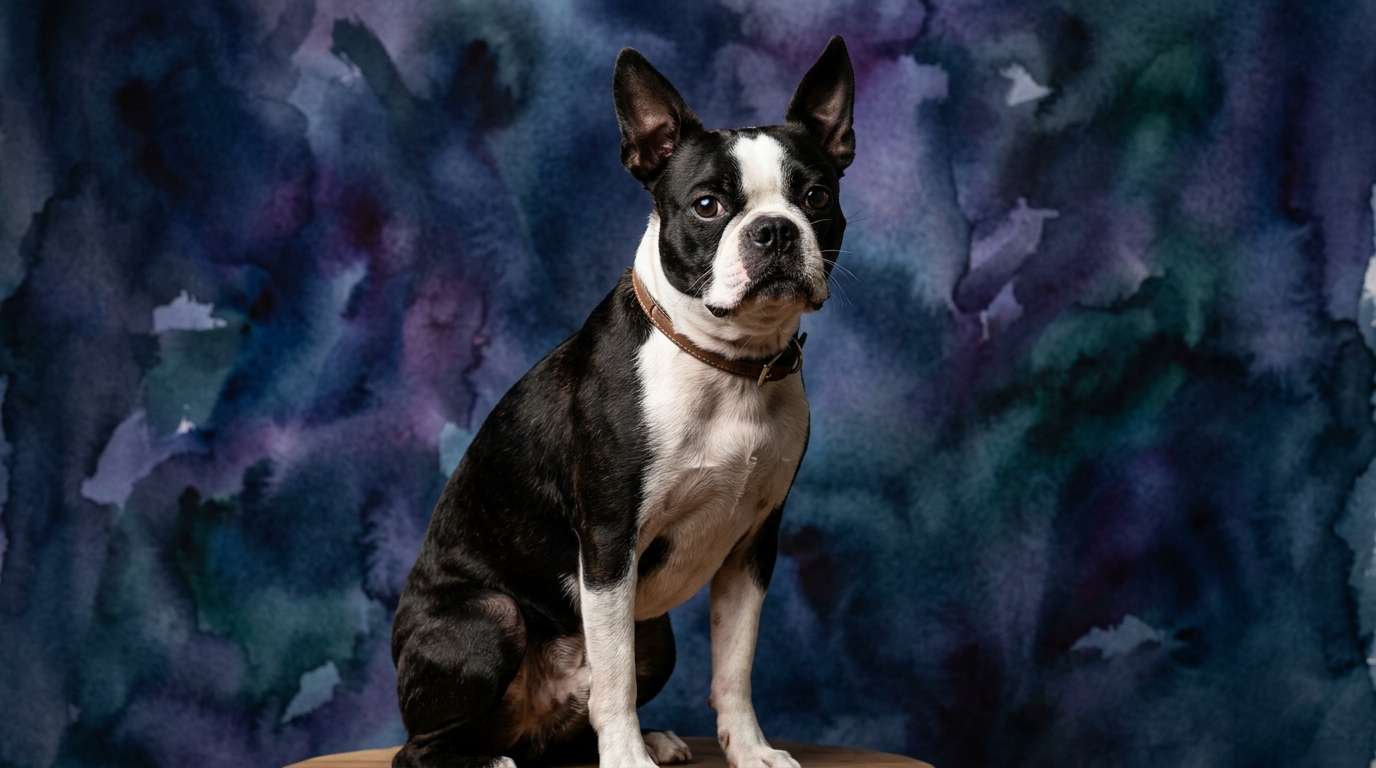
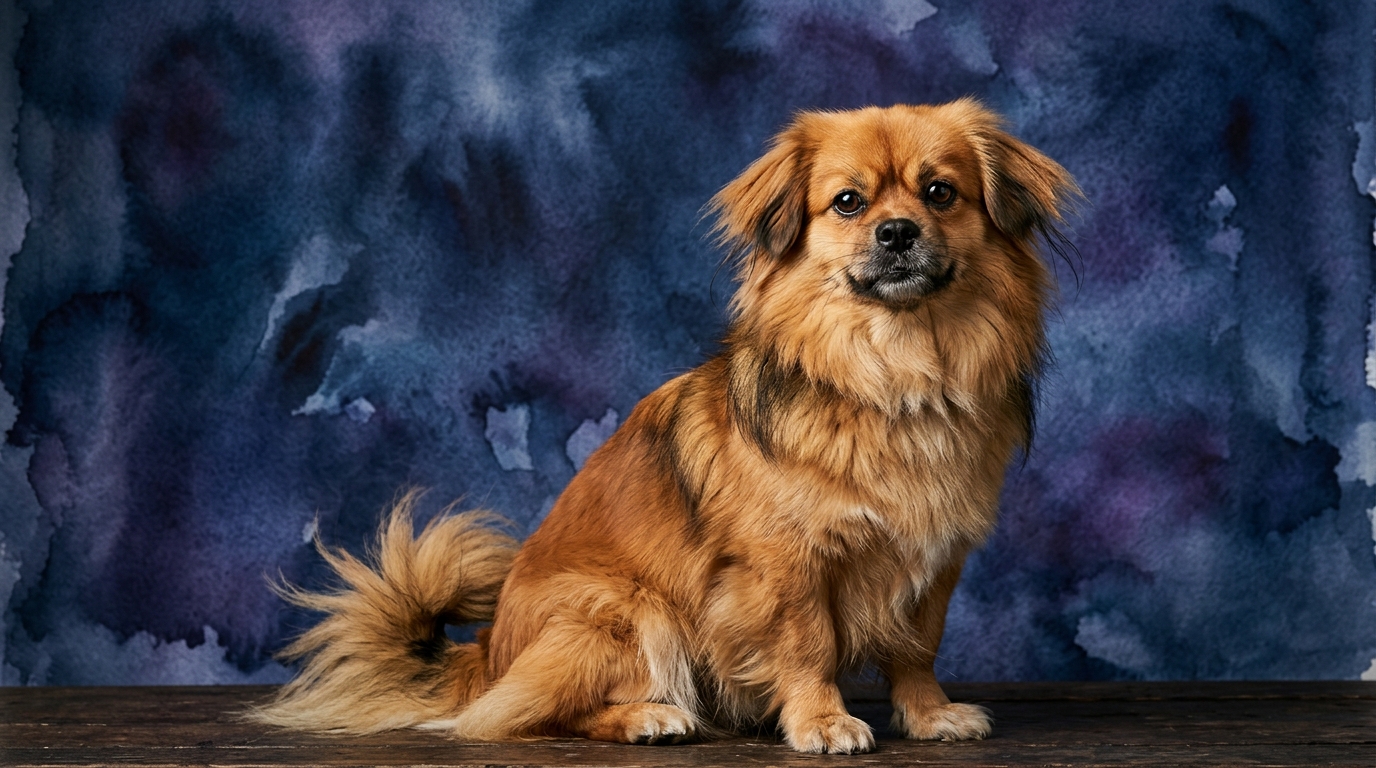
Side-by-Side Cognitive Profiles: Boston Terrier vs. Tibetan Spaniel
To truly understand these two charming breeds, we must look beyond their physical appearances and examine the specifics of their cognitive makeup. The Boston Terrier, often called the 'American Gentleman,' is recognized by the Coren ranking system at #54, indicating a respectable capacity for obedience and working intelligence. Its individual IQ scores are notable: Problem Solving 3/5, Training Speed 3/5, Social Intelligence 4/5, Instinctive Drive 2/5, and Memory 3/5.
In contrast, the Tibetan Spaniel, a breed with ancient origins as a temple companion and lookout, does not feature in the Coren rankings, suggesting its cognitive strengths might lie outside typical obedience metrics. Its IQ profile presents a slightly different picture: Problem Solving 3/5, Training Speed 3/5, Social Intelligence 3/5, Instinctive Drive 3/5, and Memory 3/5. While many scores appear identical, the subtle shifts in social intelligence and instinctive drive are crucial to understanding their distinct cognitive approaches.
The Boston Terrier's higher score in Social Intelligence points to a dog that is particularly attuned to human emotions and social cues, often eager to engage and please. Its lower Instinctive Drive suggests less inclination towards independent hunting or guarding behaviors. The Tibetan Spaniel, with its balanced scores across the board, including a slightly higher Instinctive Drive, hints at a more self-reliant and observant nature, reflective of its historical role as a small but vigilant companion and alarm-sounder in monasteries. Both breeds share moderate scores in Problem Solving, Training Speed, and Memory, implying they are capable learners but perhaps not the quickest to grasp complex multi-step commands without consistent guidance.
Where the Boston Terrier Excels Cognitively
The Boston Terrier's standout cognitive strength lies in its Social Intelligence, rated at 4/5. This elevated capacity for understanding and interacting within a human social structure means Boston Terriers are often exceptionally empathetic and responsive to their family's moods and intentions. They tend to pick up on subtle cues, making them highly intuitive companions who thrive on close human interaction and emotional connection. This social acumen translates into a dog that is often more willing to collaborate and engage in joint activities, seeking approval and companionship.
Furthermore, their Coren ranking of #54, while not indicating a top-tier working breed, positions them well within the above-average category for obedience and working intelligence. This suggests an inherent aptitude for learning and executing commands reliably when properly motivated. Their lower Instinctive Drive (2/5) means they are less likely to be distracted by primal urges like chasing small animals or independent exploration, allowing them to focus more intently on their human companions during training and daily life. This combination of strong social intelligence and moderate drive makes them particularly adept at navigating the complexities of a human household and forming strong, communicative bonds.
Their cognitive profile suggests a dog that excels in roles requiring companionship and a keen understanding of household dynamics. They are often quick to learn routines, anticipate needs, and offer comfort, making them superb emotional support animals or simply cherished family members who deeply integrate into the human social fabric. Their ability to read and react to human social signals is a distinct advantage, fostering a harmonious living environment.
Where the Tibetan Spaniel Shines Cognitively
The Tibetan Spaniel's cognitive strengths are rooted in its historical role, particularly evident in its Instinctive Drive score of 3/5, one point higher than the Boston Terrier. This translates into a more self-sufficient and observant nature. While not a high-prey drive, this instinct manifests as a keen awareness of their surroundings and a natural inclination to act as a vigilant lookout. Owners often describe them as alert and attentive to changes in their environment, quick to notice strangers or unusual sounds, reflecting their ancestral duties as temple guardians.
Despite having a similar Problem Solving score to the Boston Terrier, the Tibetan Spaniel's slightly higher instinctive drive and balanced social intelligence (3/5) mean they may approach challenges with a greater degree of independent thought. They are less driven by a constant need to please and more by their own internal motivations, which can make them surprisingly resourceful in navigating their world. This independence is a cognitive asset for owners who appreciate a dog with a distinct personality and a thoughtful, often cautious, approach to new situations.
Their memory score of 3/5, combined with their observational skills, allows them to retain information about their environment and routines effectively. This means they remember who belongs and who doesn't, or where treats are hidden, contributing to their role as effective little watchdogs. The Tibetan Spaniel's cognitive makeup suggests a dog that is content with its own company for periods, possessing an inner world of observation and contemplation, making them less demanding of constant human engagement than some highly social breeds.
Training Aptitude: Which Breed is Easier and Why?
When it comes to trainability, both the Boston Terrier and the Tibetan Spaniel share a Training Speed score of 3/5, indicating they are capable of learning but require consistency and patience. However, their differing cognitive profiles lead to distinct training experiences. The Boston Terrier's higher Social Intelligence (4/5) often makes it feel 'easier' to train for obedience tasks. They are typically more eager to please their human companions and are highly responsive to positive reinforcement, especially praise and affection. Their attentiveness to human cues means they often try harder to understand what is being asked of them, making the training process a more collaborative effort.
Conversely, the Tibetan Spaniel's balanced Social Intelligence (3/5) and slightly higher Instinctive Drive (3/5) mean they can be more independent thinkers during training sessions. While they are not stubborn, they may require more creative and engaging methods to maintain their focus. Their history as watchdogs means they are alert, but this alertness can sometimes translate into being more easily distracted by environmental stimuli. Training a Tibetan Spaniel often benefits from making it feel like a game or an interesting puzzle, appealing to their inherent curiosity and self-reliance rather than solely relying on a strong desire to please.
For basic obedience and household manners, the Boston Terrier's social drive gives it an edge, making it generally more straightforward to motivate with praise and interaction. The Tibetan Spaniel, while equally capable of learning, may present a more nuanced training challenge that rewards an owner who understands and respects its independent spirit. Consistency, patience, and positive reinforcement are paramount for both, but the methods of engagement might differ significantly based on their unique cognitive leanings.
Lifestyle Match: Active vs. Relaxed Owners
Choosing between these two breeds based on an owner's activity level requires a look at how their cognitive profiles influence their daily energy and engagement needs. The Boston Terrier, with its moderate energy levels and high Social Intelligence (4/5), thrives on being an integral part of family activities. They enjoy regular walks, interactive play, and can even participate in some dog sports, but are equally content snuggling on the couch. Their strong social drive means they prefer to be involved in whatever their humans are doing, making them excellent companions for owners who want an engaged, present canine partner for both active outings and quiet evenings.
The Tibetan Spaniel, while also possessing moderate energy, tends to be more adaptable to a relaxed lifestyle due to its slightly lower Social Intelligence (3/5) and higher Instinctive Drive (3/5). They enjoy their daily walks and exploring new scents, but are also perfectly happy to lounge and observe from a comfortable spot. Their independent streak means they can be content with their own company for periods, making them a suitable choice for owners who appreciate a dog that isn't constantly demanding attention. They possess a quiet dignity and self-possession, making them wonderful companions for those who enjoy a calm household but still provide opportunities for mental and physical stimulation.
Ultimately, both breeds can adapt to various home environments, but their cognitive leanings suggest subtle preferences. An owner seeking a highly interactive, socially attuned companion for all aspects of life might find the Boston Terrier a perfect fit. Conversely, an owner who appreciates a more independent, observant, yet affectionate dog that is equally happy to relax or explore on a leash might find the Tibetan Spaniel's cognitive makeup more aligned with their lifestyle. Both require mental enrichment, but the Boston Terrier thrives on social engagement, while the Tibetan Spaniel appreciates opportunities for independent observation and exploration.
The Verdict
Choose the Boston Terrier if you seek a highly socially intelligent, empathetic companion eager to be deeply involved in every aspect of your life and readily responds to direct social cues.
Opt for the Tibetan Spaniel if you appreciate a more independent, observant companion with a keen sense of its surroundings, content with a balance of quiet companionship and independent exploration.
🧠 Find Your Pet's IQ Score
Our Pet IQ Lab assessment covers 25+ tests across 5 cognitive dimensions — personalized to your breed.
Take the Full IQ Test →Frequently Asked Questions
Do Boston Terriers and Tibetan Spaniels have similar problem-solving abilities?
Yes, both breeds score 3/5 in problem-solving, indicating they possess moderate capabilities for navigating new situations and puzzles. They are neither exceptional nor particularly challenged in this area, suggesting they can learn to figure things out with appropriate guidance.
Which breed is more prone to independent behavior?
The Tibetan Spaniel, with an Instinctive Drive of 3/5 compared to the Boston Terrier's 2/5, tends to exhibit more independent behavior. This manifests as a greater inclination to observe, explore on their own, and make decisions without constant human direction, reflecting their historical role as vigilant companions.
How does social intelligence impact daily life with these breeds?
The Boston Terrier's higher social intelligence (4/5) means they are generally more attuned to human emotions and eager to please, making them highly interactive and responsive companions. The Tibetan Spaniel's 3/5 social intelligence indicates they are affectionate but may be more reserved or selective in their interactions, valuing quiet companionship alongside their independence.