Side-by-Side Cognitive Profiles: Boston Terrier vs. Whippet
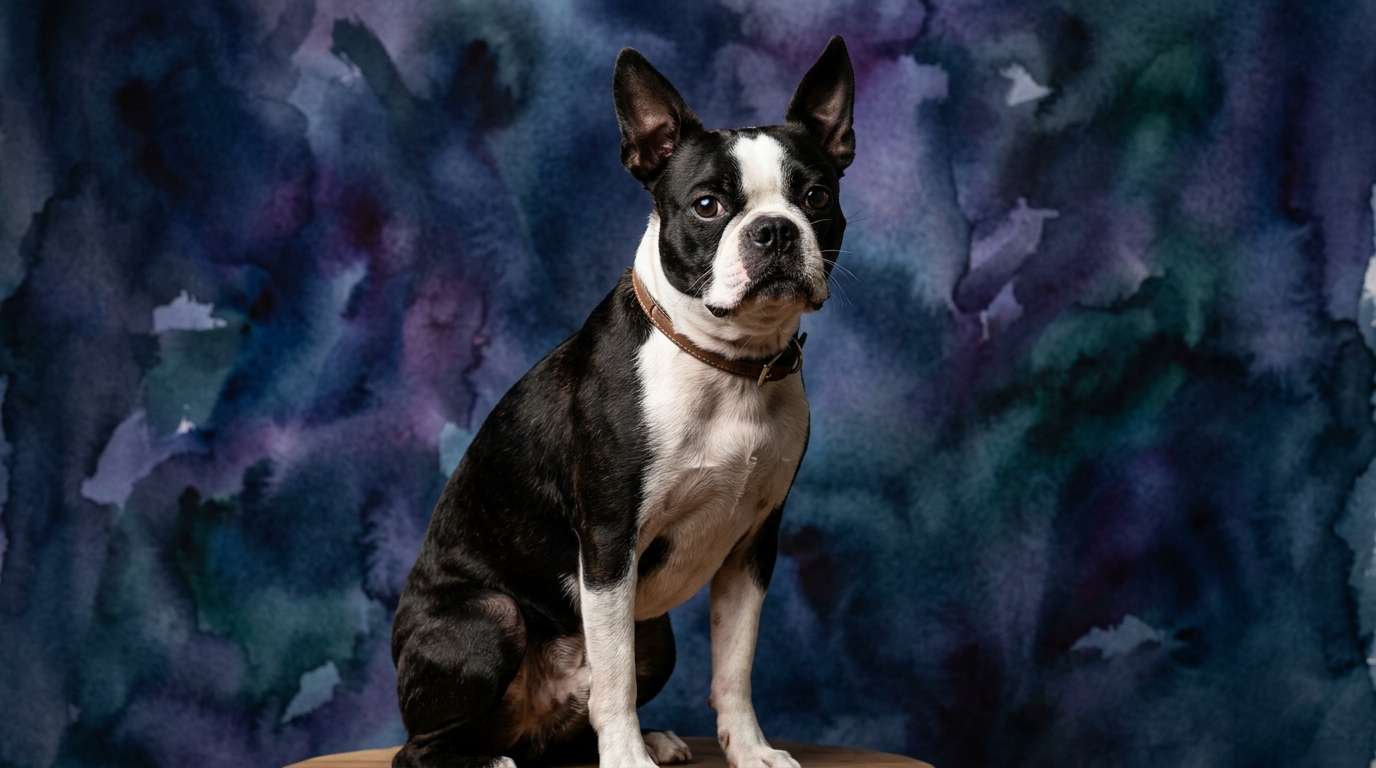
The Cosmic Pet Pet IQ Lab employs five core dimensions to map a breed's cognitive landscape, providing a granular view beyond generic assumptions. For the Boston Terrier, ranked #54 by Coren, its profile paints a picture of a socially adept companion with moderate problem-solving skills and a gentle disposition. They register a 3/5 in Problem Solving, indicating an ability to navigate familiar challenges and figure out routine tasks. Their Training Speed is also 3/5, meaning they respond well to consistent, positive reinforcement, picking up commands at a steady, cooperative pace. Where they truly shine is Social Intelligence at 4/5, demonstrating a keen sensitivity to human emotions and social cues, fostering deep bonds. A low Instinctive Drive of 2/5 means they possess minimal urge to roam or hunt, preferring the comforts of companionship. Finally, their Memory at 3/5 suggests a good retention of learned commands and experiences over time.
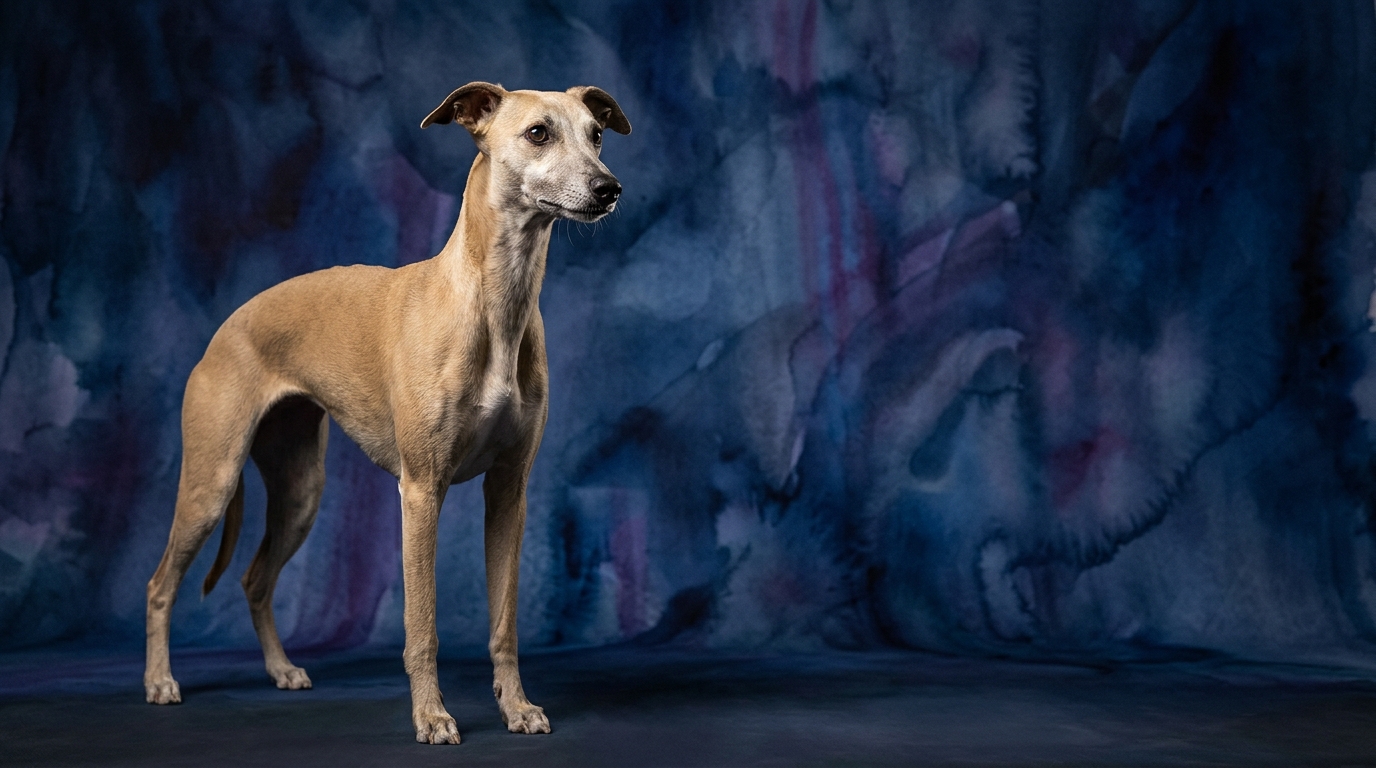
The Whippet, a sighthound ranked #51 by Coren, presents a different mental blueprint, characterized by its powerful natural drives and sensitive nature. Like the Boston Terrier, their Problem Solving score is 3/5; they can ingeniously figure out how to access desired items or navigate their environment, but are not necessarily strategic masterminds. Their Training Speed, however, is slightly lower at 2/5, indicating an independent streak that requires more patience and creative motivation during instruction. A strong point shared with the Boston is their Social Intelligence, also at 4/5, highlighting their deep emotional connection to their human families. The most striking difference lies in their Instinctive Drive, an impressive 5/5, reflecting their profound sighthound heritage and an intense urge to chase fast-moving objects. Their Memory, at 3/5, is on par with the Boston Terrier, allowing them to recall routines and learned behaviors, though their independent nature might sometimes mask this.
Where the Boston Terrier Cognitively Excels
The Boston Terrier’s cognitive strengths are particularly evident in its balance of social acuity and low instinctive drive. Their 4/5 Social Intelligence, combined with a 2/5 Instinctive Drive, makes them exceptionally well-suited for integrated family life where harmony and responsiveness are paramount. They excel at understanding household dynamics and anticipating human moods, often adapting their behavior to fit the social situation. This blend means their problem-solving efforts often focus on navigating social interactions or finding comfortable solutions within a home environment, rather than being driven by external, primal urges. Their moderate training speed ensures they are generally cooperative learners, quick to grasp the routines and expectations of their human companions without significant resistance.
Where the Whippet Cognitively Excels
The Whippet’s cognitive prowess shines brightest in the domain of instinctive drive. Their 5/5 score in this area means they possess an unparalleled focus and ability when it comes to activities that tap into their sighthound heritage. This intense drive is a specific form of intelligence, allowing them to process visual stimuli at incredible speeds and react with precise, swift movements. While it might present training challenges in other areas, it makes them exceptional at lure coursing or any activity requiring a burst of speed coupled with keen visual tracking. Their problem-solving abilities, though rated 3/5, are often pragmatically applied to situations that align with their inherent drive, such as finding the quickest path to a perceived target or navigating obstacles during a chase.
Training Dynamics: Which Breed Offers a Smoother Journey?
When considering ease of training, the Boston Terrier generally offers a smoother experience. With a Training Speed of 3/5 and a low Instinctive Drive (2/5), they are often more focused on their human and less distracted by the environment. Their cooperative nature and desire to please mean they typically pick up basic commands and house rules at a moderate pace, responding well to consistent positive reinforcement. They are less likely to abandon a training session to pursue a squirrel or investigate a distant scent, making them more attentive pupils.
The Whippet, on the other hand, with a Training Speed of 2/5 and a powerful Instinctive Drive (5/5), can present more nuanced training challenges. Their independence means they require more patience, creativity, and highly motivating rewards to engage fully. When their sighthound drive is activated by a moving object, their attention can become singularly focused on the chase, making it difficult to redirect their attention to commands. While they are capable of learning, their training often demands a deeper understanding of their motivations and the ability to work around their inherent drives, rather than against them.
Lifestyle Match: Active vs. Relaxed Owners
For owners seeking a companion that thrives in a more relaxed, adaptable setting, the Boston Terrier is often an excellent fit. Their low Instinctive Drive (2/5) means they have minimal urge to roam or chase, and their exercise needs are generally moderate, satisfied with daily walks and indoor play. Their high Social Intelligence (4/5) ensures they are content to be close companions, happy to participate in family activities or simply relax by your side. They adapt well to apartment living and urban environments, making them suitable for owners who appreciate a calm, yet engaged, presence.
Whippets, with their pronounced Instinctive Drive (5/5), are better suited for owners who can embrace and facilitate their unique activity requirements. While they are famously calm indoors, often dubbed '45 mph couch potatoes,' they absolutely require regular opportunities to sprint in a secure, fenced area. This intense, short burst of activity is crucial for their physical and mental well-being, allowing them to express their sighthound nature. Owners who can provide this outlet, along with understanding their sensitive social nature (4/5 Social Intelligence), will find a deeply bonded and elegant companion, perfect for those who appreciate both explosive athleticism and serene relaxation.
The Verdict
Choose the Boston Terrier if you seek a highly socially intelligent, cooperative companion with moderate energy needs and a low prey drive, ideal for adaptable urban living and consistent, engaging companionship.
Opt for the Whippet if you appreciate a sensitive, deeply bonded companion with a powerful athletic instinct, willing to provide dedicated opportunities for secure, high-speed running, balanced with long periods of tranquil indoor rest.
🧠 Find Your Pet's IQ Score
Our Pet IQ Lab assessment covers 25+ tests across 5 cognitive dimensions — personalized to your breed.
Take the Full IQ Test →Frequently Asked Questions
Are Boston Terriers good at puzzle toys?
With a Problem Solving score of 3/5, Boston Terriers generally enjoy and can figure out puzzle toys, especially those that dispense treats. They are motivated by rewards and can learn the mechanics of these toys effectively through trial and error, making them a good mental enrichment tool.
How does a Whippet's instinctive drive affect daily life?
A Whippet's 5/5 instinctive drive means they possess a very strong urge to chase, which profoundly impacts daily life. This necessitates secure, fenced areas for safe off-leash running and requires owners to be vigilant during walks, as small, fast-moving objects can easily trigger their pursuit instinct, potentially leading them to ignore commands.
Do both breeds excel at social interaction?
Yes, both Boston Terriers and Whippets score an impressive 4/5 in Social Intelligence, indicating they are highly attuned to human emotions and thrive on companionship. They form deep bonds with their families and are generally perceptive to social cues, making them empathetic, responsive companions in a home environment.