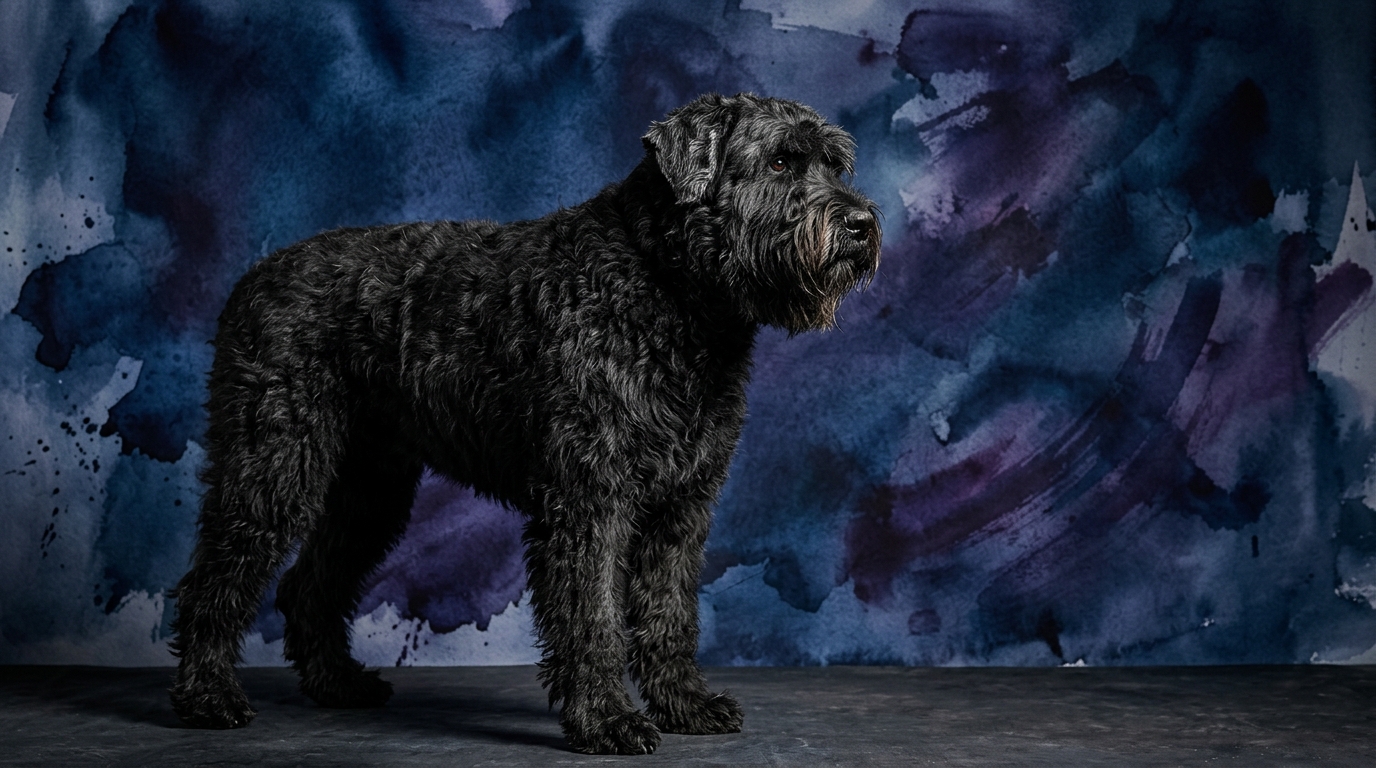
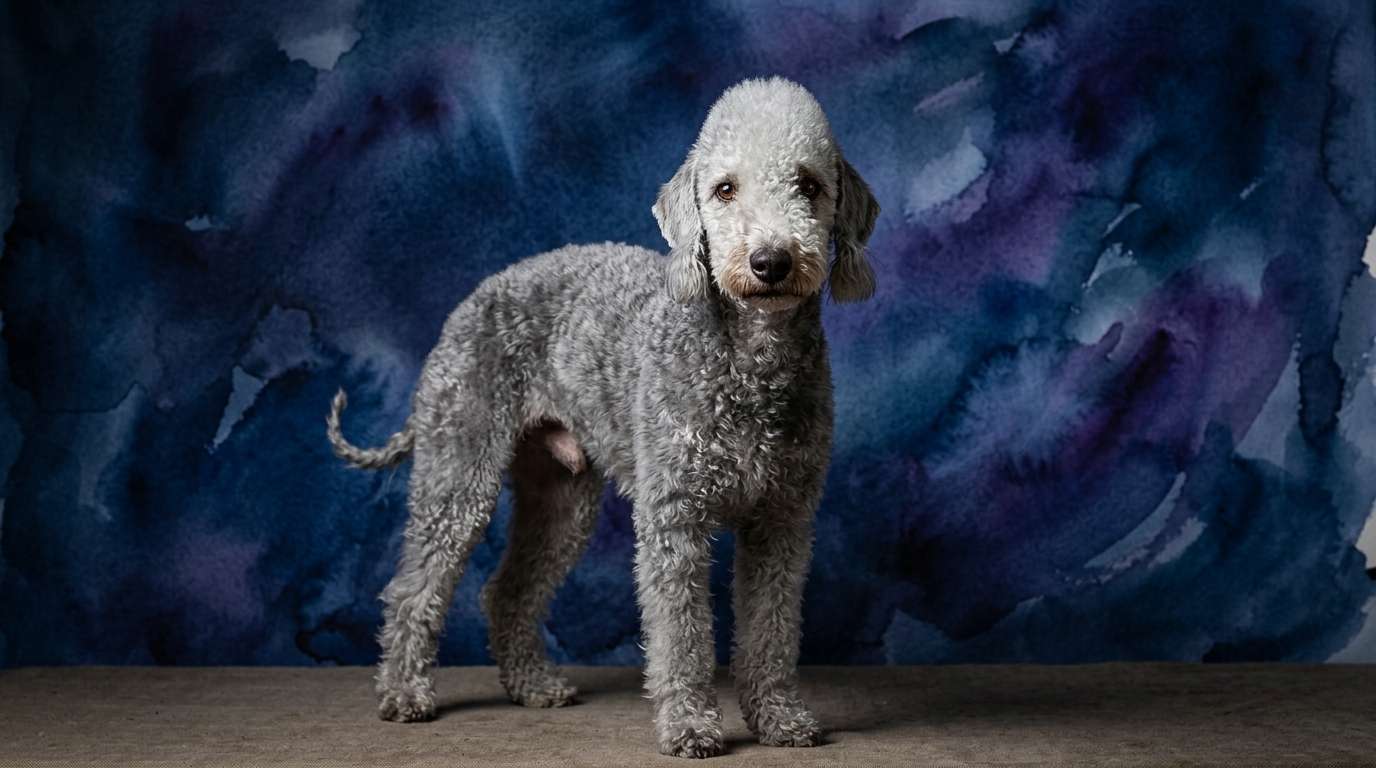
Side-by-Side IQ Profile: Interpreting Identical Scores
At first glance, the identical 3/5 scores across all five cognitive dimensions for both the Bouvier des Flandres and the Bedlington Terrier might suggest a cognitive parity. However, true understanding lies in interpreting these scores through the distinct lenses of their breed groups and historical functions. A '3/5' in problem-solving for a herding dog will look very different from a '3/5' for a terrier, reflecting their specialized applications of intelligence.
For the **Bouvier des Flandres**, a Herding breed, a Problem Solving score of 3/5 indicates a practical, task-oriented intelligence geared towards strategic livestock management; they can figure out how to move a flock or block an escape route. Their Training Speed at 3/5 suggests they are capable learners who respond well to consistent, clear direction, though their independent nature might mean they internalize commands at their own pace. Social Intelligence at 3/5 means they are deeply attuned to their family's dynamics and intentions, forming strong, protective bonds, yet often reserved with strangers. An Instinctive Drive of 3/5 points to a potent herding and guarding impulse, needing constructive outlets. Finally, their Memory at 3/5 implies they retain commands, routines, and experiences, both positive and negative, with a reliable consistency.
The **Bedlington Terrier**, a Terrier breed, approaches Problem Solving (3/5) with a different cunning; their intelligence is geared towards independent pursuit, figuring out how to navigate tight spaces to flush out vermin or outsmart a small animal. Their Training Speed at 3/5 shows they can be quite responsive when motivated, but their characteristic terrier tenacity means they might challenge authority or become bored with repetitive tasks, requiring engaging and varied training methods. Social Intelligence at 3/5 for a Bedlington reflects a deep, often singular bond with their primary family members, but they can be more selective and independent in their affections compared to a herding breed. An Instinctive Drive of 3/5 signifies a strong prey drive, digging, and chasing impulse that is central to their being. Their Memory at 3/5 enables them to recall what works to their advantage—like the location of a favorite digging spot or a successful strategy for getting a treat—and they tend to remember past interactions vividly.
Where Bouvier des Flandres Wins Cognitively
The Bouvier des Flandres' cognitive strengths truly shine in scenarios demanding cooperative effort and strategic oversight. Their 3/5 Problem Solving manifests as a thoughtful, deliberate approach to collaborative tasks, making them adept at understanding complex sequences in obedience or protection work where they are part of a team. This practical intelligence is less about independent cunning and more about working effectively alongside a human partner.
Their Social Intelligence, also rated 3/5, often translates into a more overtly protective and family-centric awareness. Bouviers excel at reading the subtle cues of their household, anticipating needs or potential threats with a calm, watchful demeanor. This makes them particularly suited for roles where a dog’s understanding of social dynamics directly contributes to the safety and well-being of its human family, offering a reliable and steady presence.
Furthermore, the Bouvier’s Instinctive Drive (3/5) is channeled into working partnerships, managing livestock or guarding property with a strong sense of purpose. This drive is not simply about chasing but about control and protection, requiring a cognitive framework that prioritizes strategic positioning and measured responses. Their memory (3/5) supports this by allowing them to consistently apply learned patterns and expectations to their work, fostering reliability.
Where Bedlington Terrier Wins Cognitively
The Bedlington Terrier’s cognitive advantages lie in their spirited independence and tenacious resourcefulness. Their Problem Solving score of 3/5 is best observed in their ability to independently navigate challenges, whether it's figuring out how to retrieve a hidden toy, outmaneuver a small critter, or bypass an obstacle in their path. This is a cleverness rooted in self-sufficiency, often involving a degree of playful mischief.
While their Training Speed is 3/5, Bedlingtons can appear to 'win' for owners who enjoy a dynamic training partner. Their intelligence thrives on novelty and challenge; they absorb new information rapidly when the training is framed as an engaging game, demanding a creative approach from their handler. This makes them excellent candidates for agility or earthdog trials where quick, independent thinking and problem-solving on the fly are rewarded.
Their Instinctive Drive (3/5) for 'vermin control' translates into an intense focus and motivation during activities that tap into this heritage. For owners seeking a dog with a powerful, concentrated drive for specific tasks, the Bedlington's cognitive wiring makes them exceptionally tenacious in their pursuits. Their memory (3/5) supports their independent problem-solving by allowing them to recall successful strategies for achieving their own goals, making them persistent and often quite effective at getting what they want.
Which is Easier to Train and Why
Given both breeds score 3/5 for Training Speed, neither the Bouvier des Flandres nor the Bedlington Terrier is inherently 'easier' to train; rather, they require distinctly different approaches. The Bouvier, with its herding background, responds best to a consistent, structured training regimen where the handler assumes a clear leadership role. They appreciate a sense of purpose and a defined job, learning steadily through clear commands and positive reinforcement that acknowledges their cooperative nature. Their independent streak means they might test boundaries, requiring patience and firm, but fair, guidance to channel their natural guarding and herding instincts effectively.
The Bedlington Terrier, on the other hand, demands a training style that is engaging, varied, and often playful to maintain their interest. Their terrier tenacity and independent spirit mean they can become bored or stubborn with repetitive drills. Training a Bedlington is less about strict adherence to commands and more about making the process a stimulating game or challenge. They excel when motivated by high-value rewards and when their intelligence is engaged in figuring things out, rather than simply obeying. Their strong prey drive necessitates early and consistent recall training, as well as leash manners, to ensure safety when their instincts take over.
In essence, the Bouvier offers a more traditional, cooperative training experience, rewarding consistency and structure, while the Bedlington provides a more spirited and challenging partnership, thriving on creativity and engagement. An owner's definition of 'easier' will dictate which breed aligns better with their preferred training methodology and patience levels.
Which Suits Active Owners vs. Relaxed Owners
For owners with an active lifestyle, both breeds require significant engagement, but the *type* of activity differs. The Bouvier des Flandres thrives with owners who can provide consistent, structured physical and mental stimulation. Their Herding group affiliation means they need a purpose or a 'job' to feel fulfilled. This translates to long, vigorous walks or hikes, participation in dog sports like obedience, agility, protection work, or even actual herding. A Bouvier is not a dog content with minimal exercise; they need daily, substantial activity to channel their energy and intelligence, making them ideal for truly active, hands-on owners who enjoy outdoor adventures and structured training sessions.
The Bedlington Terrier, while also active, has a different energy profile. They need outlets for their strong prey drive and digging instincts, making activities like earthdog trials, lure coursing, or agility excellent choices. They enjoy brisk walks, playful romps in a secure yard, and interactive games that challenge their clever minds. While they can adapt to apartment living more readily than a Bouvier, they are certainly not suited for truly 'relaxed' owners. They require consistent daily exercise and mental stimulation to prevent boredom, which can manifest as destructive behaviors. An owner who enjoys varied, spontaneous activities and engaging play will find a Bedlington a wonderful companion, even if they don't pursue highly structured dog sports every day.
The Verdict: When to Choose Each Breed
The Verdict
Choose the Bouvier des Flandres if you seek a loyal, protective working partner who thrives on consistent guidance and cooperative tasks, and you are prepared for a physically robust dog with specific grooming needs and a deep desire for a job.
Opt for the Bedlington Terrier if you appreciate a spirited, independent, and playful companion with a unique personality and a zest for life, and you enjoy engaging in varied activities that challenge their cleverness and manage a strong prey drive with humor and consistent training.
🧠 Find Your Pet's IQ Score
Our Pet IQ Lab assessment covers 25+ tests across 5 cognitive dimensions — personalized to your breed.
Take the Full IQ Test →Frequently Asked Questions
Are Bouvier des Flandres good with children?
With their 3/5 social intelligence, Bouviers are generally good with children within their immediate family, often being protective and gentle. Early socialization and training are crucial to ensure they understand their role and interact appropriately with all family members, including younger ones.
Do Bedlington Terriers bark a lot?
Bedlington Terriers, with their 3/5 instinctive drive and terrier nature, can be prone to barking, especially at perceived intruders or when bored. Consistent training and sufficient mental and physical exercise are essential to manage this tendency, ensuring their vocalizations are controlled.
Which breed is better for first-time dog owners?
Neither breed is typically recommended for novice dog owners without prior research and commitment, as both score 3/5 in training speed and require specific handling. The Bouvier's size and protective instincts, and the Bedlington's independent spirit and prey drive, demand experienced and consistent guidance to flourish.