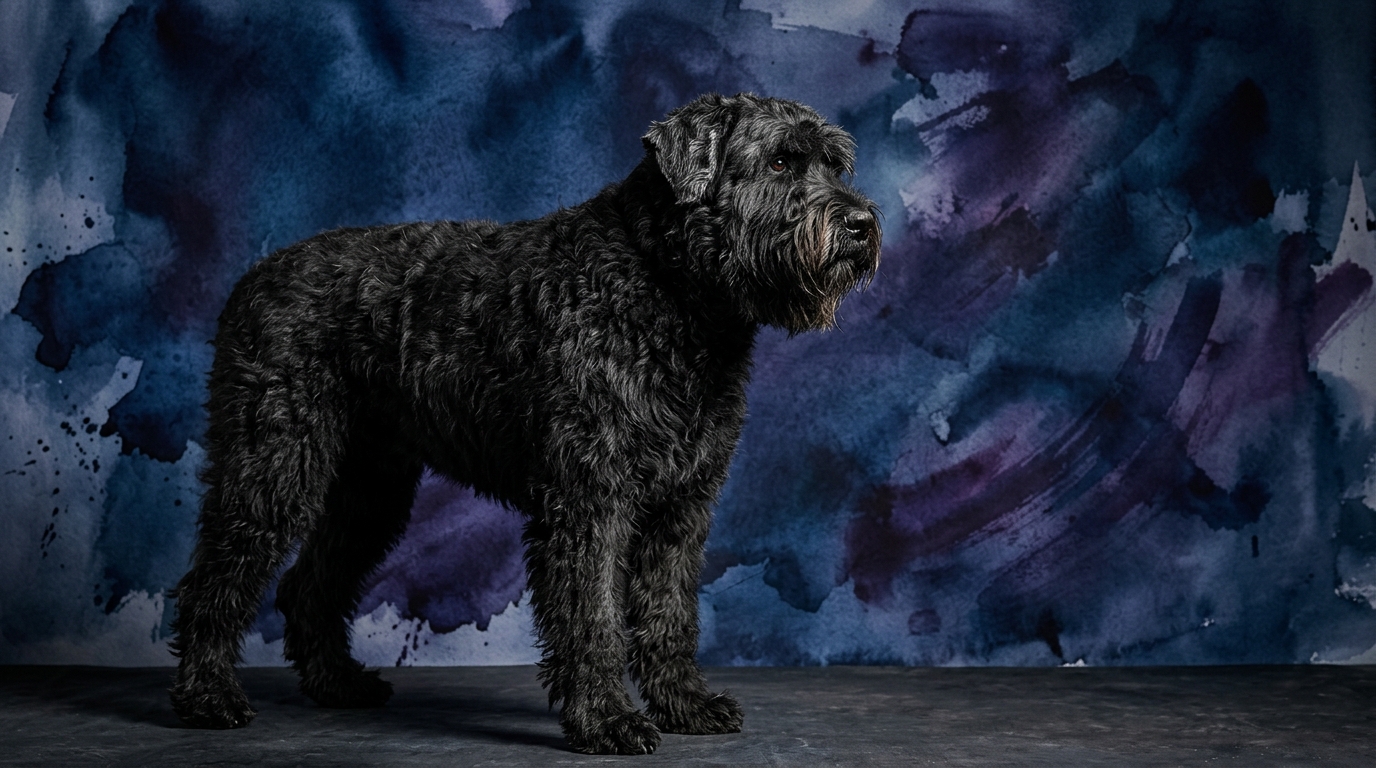
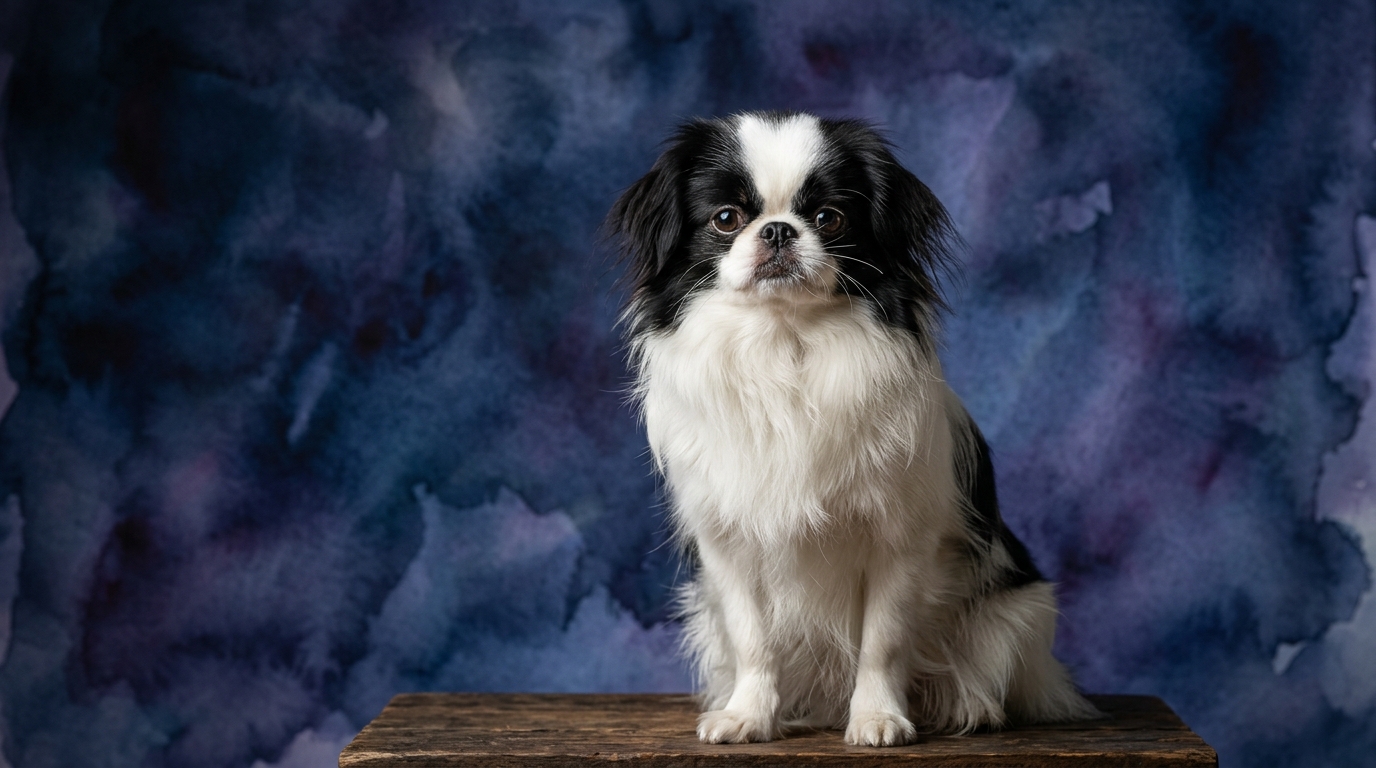
Side-by-Side IQ Profile: Unpacking Identical Scores
At first glance, the IQ profiles of the Bouvier des Flandres and the Japanese Chin appear strikingly similar, with both breeds scoring a consistent 3 out of 5 across all five cognitive dimensions. However, these identical scores don't imply identical mental processes or applications; rather, they highlight a moderate, adaptable intelligence that each breed leverages in ways unique to its heritage and physical attributes. Understanding these nuances is key to appreciating their distinct cognitive landscapes.
For the Bouvier des Flandres, a breed traditionally tasked with herding, guarding, and drafting, a 'Problem Solving' score of 3/5 indicates a practical, robust ability to navigate complex situations. This might manifest in figuring out how to move a stubborn flock, identifying the shortest route across a field, or discerning a safe path through challenging terrain. Their problem-solving is often geared towards tangible, real-world tasks requiring physical engagement and strategic thinking.
The Bouvier's 'Training Speed' at 3/5 reflects a moderate pace of learning, capable of mastering complex multi-step commands essential for their working roles, provided training is consistent, clear, and engaging. They aren't necessarily instant learners, but they retain information well and can achieve high levels of proficiency with dedicated effort, leveraging their drive and focus.
In 'Social Intelligence,' a 3/5 for the Bouvier suggests a keen awareness of their human handlers' intentions and moods, crucial for cooperative work, yet often paired with a reserved demeanor towards strangers. Their social acumen is rooted in understanding pack dynamics and the subtle cues required for effective teamwork and protection, forming deep, loyal bonds within their established family unit.
The 'Instinctive Drive' of 3/5 in a Bouvier is a powerful force, channeling their natural herding and guarding urges into purposeful activities. This drive is not merely impulse but a moderated, controllable impetus to fulfill their perceived duties, whether it's patrolling the yard or keeping family members 'together.'
Finally, the Bouvier's 'Memory' score of 3/5 underpins their ability to recall intricate routines, specific commands, and the layout of their environment, along with recognizing individuals. This reliable memory is vital for a working dog expected to perform consistent tasks and respond appropriately to various situations over time.
Turning to the Japanese Chin, a breed steeped in aristocratic companionship, their 3/5 'Problem Solving' score takes on a different flavor. For a Chin, problem-solving might involve figuring out how to retrieve a favored toy from a tricky spot, manipulating a blanket for optimal comfort, or devising a strategy to gain their human's undivided attention. Their solutions often revolve around comfort, play, and social interaction within a domestic setting.
The Chin's 'Training Speed' of 3/5 indicates a capacity for learning household manners, tricks, and routines at a moderate pace, often thriving on positive reinforcement and a strong bond with their owner. While they might not be built for complex agility courses, they are adept at picking up social cues and adjusting their behavior to maintain harmony and affection within the home.
A 'Social Intelligence' score of 3/5 for the Japanese Chin highlights their profound sensitivity to human emotions and social dynamics. They are masters of reading their human companions, often anticipating needs or moods, and excelling at providing comforting, empathetic presence. Their social acumen is finely tuned for intimate companionship, making them highly responsive and affectionate partners.
The 'Instinctive Drive' of 3/5 in a Japanese Chin is less about herding or guarding and more about an innate desire for close companionship, playful interaction, and perhaps a gentle curiosity about their immediate surroundings. This drive manifests as a deep need for connection and engagement, often expressed through charming antics and a desire to be at the heart of family life.
The Chin's 'Memory' score of 3/5 ensures they recall favorite people, preferred nap spots, established routines, and the locations of hidden treats. Their memory is robust for the details of their domestic world, allowing them to navigate their daily lives with confidence and consistency, remembering past interactions and the associated emotional responses.
Where Bouvier des Flandres Wins Cognitively
While both breeds share identical numerical scores, the Bouvier des Flandres demonstrates a cognitive advantage in scenarios demanding physical prowess, sustained focus, and an independent working mindset. Their 3/5 problem-solving, when paired with their sturdy build and historical role, allows them to excel in practical applications like navigating complex outdoor environments or managing resources. A Bouvier's intellect is honed for tasks that require deliberation, strength, and a certain degree of self-reliance, such as identifying a missing item in a large area or guiding livestock through a gate. Their moderate training speed translates into a willingness to learn and execute multi-step commands over long periods, making them more suitable for structured, task-oriented roles where persistence is key. Furthermore, their instinctive drive, while also a 3/5, is geared towards fulfilling a 'job,' providing a unique motivation for engagement in activities that the Chin, by nature, would not pursue.
Where Japanese Chin Wins Cognitively
The Japanese Chin, despite matching the Bouvier in numerical scores, exhibits cognitive strengths that shine in the realm of nuanced social interaction and domestic harmony. Their 3/5 problem-solving often manifests as an acute ability to 'read the room,' understanding subtle shifts in human mood and adapting their behavior accordingly – perhaps figuring out the precise moment to offer a comforting presence or initiate a playful interaction. Their social intelligence, also a 3/5, is exquisitely tuned for empathy and companionship, allowing them to form incredibly strong, intuitive bonds that often feel almost telepathic to their owners. They excel at picking up on non-verbal cues and responding with appropriate emotional support. While their training speed is similar, the Chin's motivation for learning is often deeply rooted in pleasing their beloved human, making them quick to adopt household routines and charming tricks that enhance their role as a devoted companion. Their memory, a 3/5, is particularly adept at recalling personal preferences and social dynamics, making them incredibly consistent in their affectionate overtures.
Which is Easier to Train and Why
Both the Bouvier des Flandres and the Japanese Chin hold a 'Training Speed' score of 3/5, indicating a moderate capacity for learning. However, the *nature* of their trainability and the effort required from the owner can differ significantly due to their inherent behavioral patterns and motivations. The Bouvier, with its working dog heritage, often responds well to clear, consistent, and firm training that establishes a leadership role. While capable of learning complex commands, their independent streak and physical strength mean that training requires patience, consistency, and an understanding of their natural inclination to take charge. They are not necessarily 'easy' in the sense of being highly biddable without effort; rather, they are capable learners who require a structured environment and a handler who can channel their substantial drive into productive tasks. Their success in training often hinges on clear expectations and a working relationship.
In contrast, the Japanese Chin's training, while also a 3/5 in speed, tends to be less about 'command and control' and more about 'connection and motivation.' They are highly sensitive and respond best to positive reinforcement, gentle methods, and a focus on building a strong, affectionate bond. A Chin might be quicker to pick up house-training or polite leash manners if it means pleasing their beloved human and securing comfort or attention. However, their small size and sometimes delicate nature mean they are less suited for repetitive, physically demanding training sessions. They can be prone to 'selective hearing' if they perceive the training as boring or not immediately rewarding, but their desire for companionship often makes them eager participants in learning household rules and charming tricks. For an owner seeking a dog that responds to gentle guidance and thrives on emotional connection in training, the Chin often feels 'easier' due to its compliant nature when motivated by affection.
Which Suits Active Owners vs Relaxed Owners
The choice between a Bouvier des Flandres and a Japanese Chin largely depends on an owner's lifestyle and capacity for physical and mental engagement. An active owner, one who enjoys regular outdoor activities, consistent training, and providing a 'job' for their canine companion, would find the Bouvier des Flandres a more suitable match. Their inherent 3/5 instinctive drive and problem-solving abilities thrive when channeled into structured activities like obedience, agility, herding, or even just long, purposeful walks. Bouviers require significant physical exercise to prevent boredom and destructive behaviors, and their moderate social intelligence means they appreciate a clear, consistent routine with their family, rather than constant, effusive attention. They are robust companions for those who lead an active, goal-oriented lifestyle.
Conversely, a relaxed owner, one who prefers a quieter home life and values intimate companionship over strenuous activity, would find the Japanese Chin to be an ideal partner. While they benefit from short walks and playful interactions, their physical needs are considerably less demanding than a Bouvier's. Their 3/5 social intelligence and instinctive drive are perfectly suited to a life of close proximity, cuddles, and quiet observation within the home environment. They are content to be lap dogs, offering endless affection and amusement with their charming antics. For individuals seeking a devoted, low-impact companion who thrives on emotional connection and gentle interaction, the Japanese Chin is an excellent choice, perfectly complementing a more relaxed, home-centric lifestyle.
The Verdict
Choose the Bouvier des Flandres if you seek a robust, intelligent working companion capable of complex tasks and requiring an active, structured lifestyle with consistent training.
Opt for the Japanese Chin if you desire a sensitive, affectionate companion perfect for a relaxed home environment, thriving on close emotional bonds and gentle interaction.
🧠 Find Your Pet's IQ Score
Our Pet IQ Lab assessment covers 25+ tests across 5 cognitive dimensions — personalized to your breed.
Take the Full IQ Test →Frequently Asked Questions
Do identical IQ scores mean these breeds are equally 'smart' in every way?
No, identical numerical scores indicate a similar *capacity* for intelligence across dimensions, but their manifestation differs greatly due to breed-specific traits and historical roles. A Bouvier's 3/5 problem-solving is practical for working tasks, while a Chin's 3/5 applies to social navigation and domestic comfort.
Is one breed more challenging to live with than the other?
The 'challenge' depends on your lifestyle. Bouviers require significant physical exercise, consistent training, and a confident leader, which can be challenging for inexperienced or sedentary owners. Chins are less physically demanding but thrive on constant companionship and can develop separation anxiety if left alone too often, which can be challenging for busy owners.
How do their social intelligence scores of 3/5 compare in real-world interaction?
A Bouvier's 3/5 social intelligence often means they are discerning and loyal within their family, capable of understanding commands and protecting their pack, but may be reserved with strangers. A Chin's 3/5 social intelligence translates into a profound sensitivity to human emotions, making them exceptionally empathetic and attuned companions who thrive on close, affectionate interaction with their chosen people.