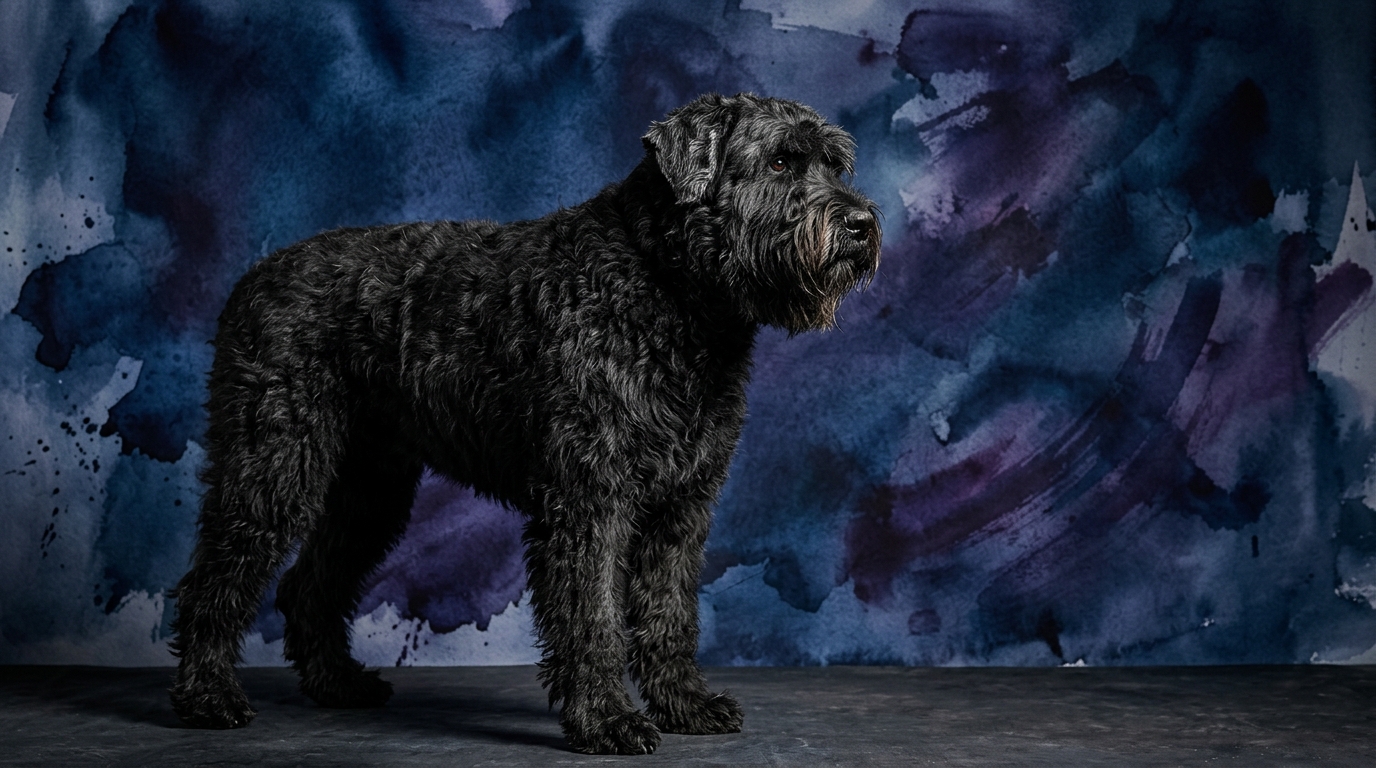
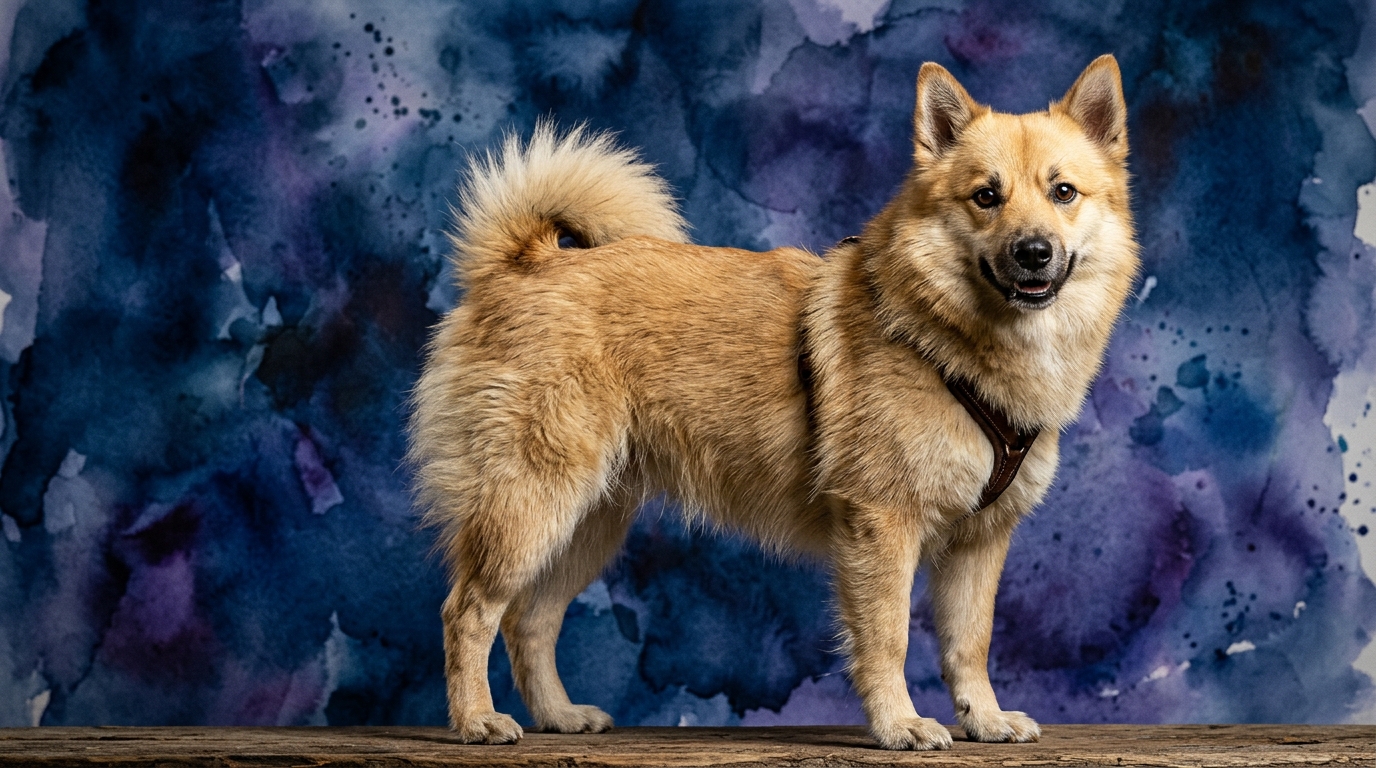
Side-by-Side Cognitive Profile: Bouvier des Flandres vs. Norwegian Buhund
Despite their identical scores of 3/5 in every cognitive dimension, the Bouvier des Flandres and the Norwegian Buhund interpret and express these capacities through the lens of their unique breed purpose and temperament. Understanding these nuances is crucial for appreciating their distinct intellectual approaches.
For the **Bouvier des Flandres**:
Problem Solving (3/5): Bred for complex cattle droving, they exhibit methodical, determined problem-solving, particularly in physical challenges. Their solutions are often deliberate and strategic, reflecting their independent, robust nature.
Training Speed (3/5): While capable, their independent spirit means they process commands thoughtfully, requiring consistent, patient repetition. They learn concepts well but solidify behaviors when they perceive practical value.
Social Intelligence (3/5): They are watchful and protective, reading family cues acutely but showing reserve with strangers. This translates to discerning social awareness, focused on safeguarding their trusted circle.
Instinctive Drive (3/5): Their strong innate drive is to control, gather, and protect, rooted in herding large livestock. This manifests as persistent determination and a need for purpose.
Memory (3/5): They possess good retention for complex routines, boundaries, and social hierarchies. This contributes to their consistent and reliable behavior within their established environment.
For the **Norwegian Buhund**:
Problem Solving (3/5): As agile sheep and cattle herders, they adapt quickly to novel situations, often experimenting with solutions. Their problem-solving is resourceful, favoring quick, nimble responses.
Training Speed (3/5): Known for eagerness and liveliness, Buhunds grasp tasks relatively quickly when engaged. Their receptiveness makes learning feel fluid, though their enthusiasm can sometimes lead to distraction.
Social Intelligence (3/5): Generally outgoing and attuned to human companions, they read cues well and are highly communicative. Their social interactions are often expressive, making them responsive companions.
Instinctive Drive (3/5): Their herding style involves gathering and monitoring, often utilizing agility and voice. This strong instinct manifests as a desire to manage and oversee, often with vocal input.
Memory (3/5): They demonstrate solid memory for commands and routines, coupled with an eagerness to apply lessons. This results in consistent behavior, often driven by their enthusiastic disposition.
Where the Bouvier des Flandres Wins Cognitively
The Bouvier des Flandres often holds a cognitive advantage in scenarios demanding sustained, methodical problem-solving and unyielding determination. While both score 3/5 in Problem Solving, the Bouvier's strength lies in a deliberate, strategic approach to significant physical obstacles or managing stubborn livestock. Their decisions prioritize methodical application of presence and force. Their 3/5 Social Intelligence translates into superior discernment of potential threats, acting as a steadfast guardian. They process social cues through a protective lens, offering exceptional reliability in safeguarding their family or territory. This isn't about mere friendliness, but focused, discerning awareness. Furthermore, their 3/5 Instinctive Drive manifests as a profound, unwavering commitment to tasks, whether herding, guarding, or maintaining order. This deep-seated persistence, honed in challenging fields, gives them an edge in tasks requiring prolonged focus and resilience against external pressures.
Where the Norwegian Buhund Wins Cognitively
The Norwegian Buhund excels in cognitive areas requiring agility, enthusiasm, and interactive social engagement. Their 3/5 Problem Solving, though numerically identical, manifests as quicker adaptation to novel, less physically demanding situations, favoring nimble and exploratory responses. In Training Speed, also 3/5, the Buhund typically presents as more overtly eager to engage and learn, often picking up new commands with visible enthusiasm. This inherent zest can make the learning process feel more fluid. Their 3/5 Social Intelligence is characterized by a generally more open, expressive, and communicative nature. They are often more vocal and responsive to human interaction, adept at building rapport and clearly communicating observations. This effusiveness makes their social exchanges feel immediate and reciprocal. Their memory, while 3/5, is often coupled with this eager disposition, ensuring good retention and keen application of lessons.
Which is Easier to Train and Why
Determining 'easier to train' hinges on managing distinct temperaments, not raw capacity, as both score 3/5 in Training Speed. The Bouvier des Flandres, with its independent drover heritage, requires trainers to demonstrate a command's practical value. They are deliberate thinkers who evaluate requests, demanding patience, consistency, and a firm yet fair hand to channel their strong will. They respond best to clear, logical instructions and positive reinforcement acknowledging their methodical effort. Conversely, the Norwegian Buhund's 3/5 Training Speed is marked by eagerness and lively enthusiasm. They are generally more receptive and enjoy interactive training. However, their exuberance can lead to distraction, necessitating engaging, varied sessions to maintain focus. While both are capable, the Buhund might *feel* easier for owners who prefer an overtly responsive, enthusiastic partner, whereas the Bouvier suits those valuing a methodical dog that thinks through tasks, even if initial persuasion takes more effort.
Which Suits Active Owners vs. Relaxed Owners
Neither Bouvier des Flandres nor Norwegian Buhund are suited for genuinely 'relaxed' owners; both are herding breeds demanding significant mental and physical engagement. The Bouvier, with its substantial presence and methodical approach, suits active owners providing consistent, structured exercise and challenges. Their 3/5 Instinctive Drive mandates a clear purpose—advanced obedience, protection, or long, purposeful walks. They aren't content with brief strolls, thriving on a 'job' and routine. Owners enjoying rigorous outdoor activities and a steadfast working companion will find the Bouvier rewarding. The Buhund, while also needing an active lifestyle, often suits owners appreciating a more effervescent, agile companion. Their inherent zest and higher energy mean they excel in agility, flyball, or hiking. Their 3/5 Instinctive Drive requires regular outlets for gathering and monitoring, enjoying games simulating herding or quick bursts of activity. They adapt well to active families who include them in daily adventures.
The Verdict
Choose the Bouvier des Flandres if you seek a steadfast, methodical companion who excels in deliberate problem-solving and offers unwavering protective loyalty, and you are prepared for a consistent, structured training approach that respects their independent thought. They thrive with owners who appreciate a powerful, discerning presence and can provide ample purposeful activity.
Opt for the Norwegian Buhund if you desire an agile, enthusiastic, and highly communicative partner who approaches learning with eagerness and enjoys a wide range of interactive activities. They suit active individuals or families who appreciate a lively, expressive companion and can provide consistent engagement and outlets for their spirited energy.
🧠 Find Your Pet's IQ Score
Our Pet IQ Lab assessment covers 25+ tests across 5 cognitive dimensions — personalized to your breed.
Take the Full IQ Test →Frequently Asked Questions
Are Bouvier des Flandres difficult to train due to their independence?
While Bouviers are independent thinkers, their 3/5 Training Speed indicates capability. They aren't difficult, but require patient, consistent training that respects their methodical nature and demonstrates the value of commands, rather than expecting immediate, unquestioning obedience.
Do Norwegian Buhunds bark a lot because of their herding instincts?
Norwegian Buhunds often use their voice as part of their herding style and social communication, aligning with their 3/5 Instinctive Drive and Social Intelligence. While not excessive for all, they can be more prone to vocalization, requiring early training to manage barking.
Given their identical IQ scores, what's the most significant difference between their cognitive profiles?
Despite identical scores, the key difference lies in *how* they apply their cognitive faculties: the Bouvier tends towards methodical, determined problem-solving and protective social awareness, while the Buhund leans towards agile, enthusiastic problem-solving and expressive social interaction.