Side-by-Side Cognitive Profiles: A Deeper Look at 3/5 Scores
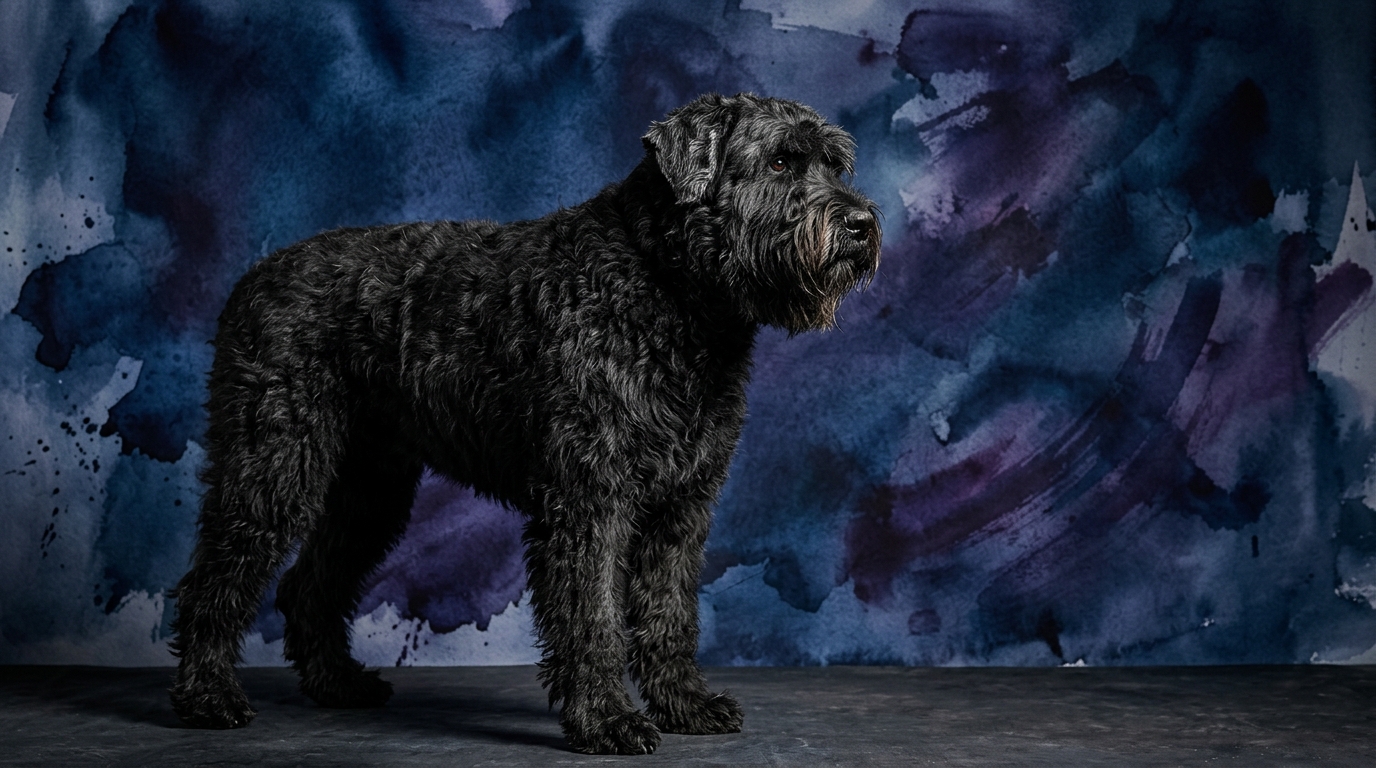
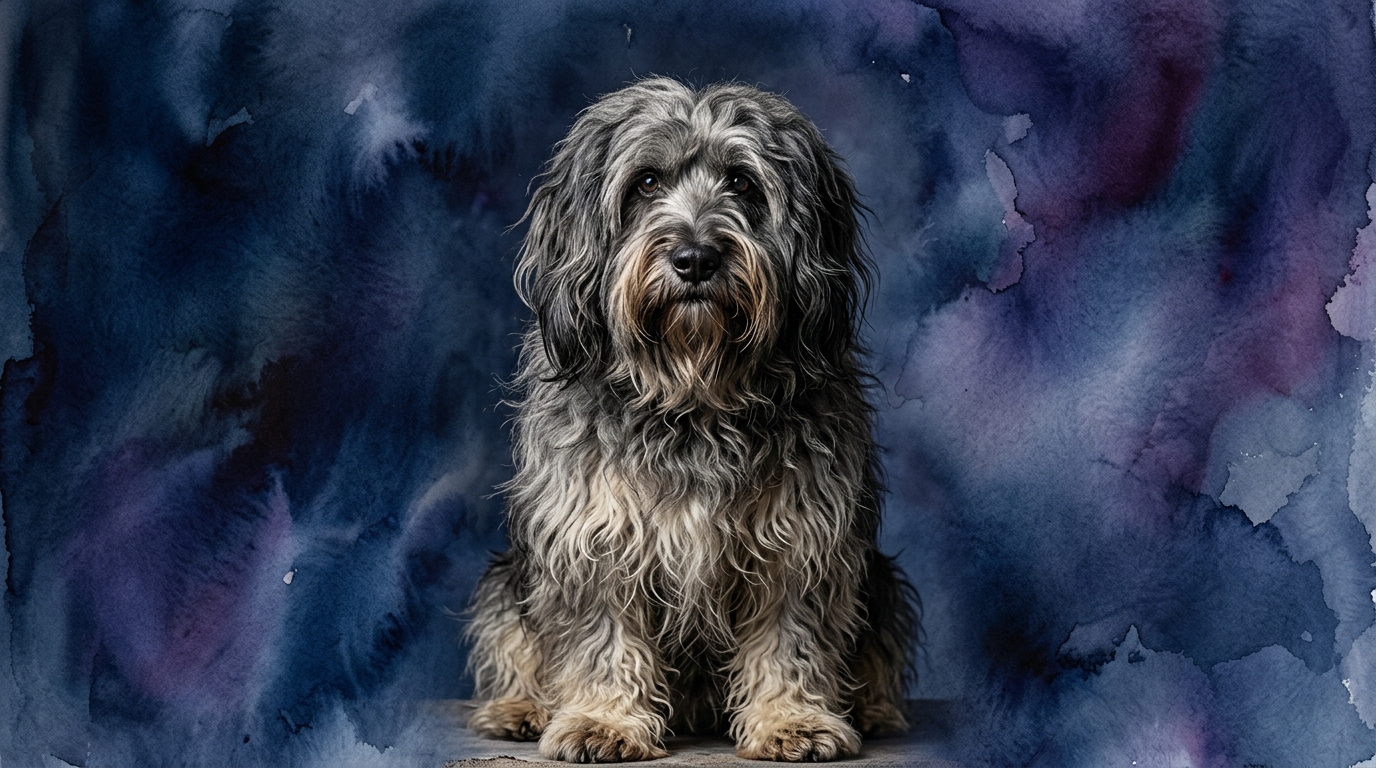
For the Bouvier des Flandres, a 3/5 in Problem Solving manifests as a deliberate, robust approach to challenges, often involving physical assertion and strategic positioning to manage livestock or navigate complex tasks, reflecting their history with large cattle. The Polish Lowland Sheepdog, conversely, applies its 3/5 problem-solving acumen with a quicker, more adaptable wit, with solutions often involving keen observation, agility, and a cleverness suited to managing dynamic flocks in varied terrain, sometimes finding unconventional routes.
Both breeds possess a solid capacity for learning new commands and routines (3/5 Training Speed), yet their engagement styles differ significantly; the Bouvier learns effectively with consistent, firm guidance, internalizing lessons thoroughly once they understand the purpose, but may require patience through initial independent thought processes. The Polish Lowland Sheepdog, while also capable of learning at a good pace, thrives on engaging, varied training sessions that capitalize on their observational skills and playful nature, potentially becoming bored if repetition is monotonous.
The Bouvier exhibits its 3/5 Social Intelligence through a discerning loyalty and a profound understanding of its family unit, often assessing new situations with a serious, watchful demeanor, reading human intentions and moods with a quiet depth. The Polish Lowland Sheepdog's 3/5 social intelligence is often expressed through a more lively and interactive engagement, adept at reading subtle cues from both humans and other animals, and capable of adapting their behavior to different social contexts within a family or flock.
The Bouvier's 3/5 Instinctive Drive is rooted in its heritage as a powerful cattle herder and guardian, manifesting as a strong protective instinct and a readiness to manage and control, often expressed with gravitas and purpose, focused on maintaining order and safety. The Polish Lowland Sheepdog's 3/5 instinctive drive is a versatile blend of herding and guarding, characterized by vigilance, alertness, and an energetic inclination to keep its 'flock' (be it sheep or family) together and safe, often employing a watchful eye and quick movements.
Both breeds demonstrate reliable memory capabilities (3/5 Memory), but apply them differently; the Bouvier's memory is often utilized for recalling complex routes, specific commands associated with different duties, and recognizing individuals or boundaries with lasting precision, retaining lessons and experiences with tenacity. The Polish Lowland Sheepdog's memory is sharp for intricate routines, specific sounds, the locations of objects, and the nuances of past interactions, allowing them to anticipate events and learn from subtle environmental cues.
Where the Bouvier des Flandres Shines Cognitively
The Bouvier des Flandres excels in cognitive tasks requiring sustained focus, robust decision-making, and an unwavering commitment to a task, leveraging its 3/5 scores with a deep, deliberate approach. Their problem-solving is particularly effective when the solution demands physical presence, strategic positioning, and a certain degree of independence in execution, such as navigating a large pasture or guarding a perimeter. Their memory supports this by allowing them to internalize complex patterns and responsibilities over time, leading to deeply reliable and consistent performance in their duties. This breed's social intelligence, while not overtly effusive, allows for a profound understanding of their handler's serious intent and a keen ability to assess potential threats, making them exceptionally discerning guardians. They don't just solve a problem; they commit to the solution with a powerful resolve, making them excellent choices for roles demanding steadfastness and a methodical approach, where their strength lies in their thoughtful, deliberate engagement with their environment and duties.
Where the Polish Lowland Sheepdog Excels Cognitively
The Polish Lowland Sheepdog, with its 3/5 cognitive scores, demonstrates particular strengths in areas demanding quick adaptation, keen observation, and resourceful problem-solving. Their intelligence shines when tasks require rapid assessment of changing environments or dynamic social situations, showcasing a cleverness and agility in finding creative ways to achieve goals, whether managing a scattered flock or figuring out how to open a cupboard. Their training speed benefits from their observant nature, often picking up on cues and routines with surprising alacrity, especially when the training is varied and engaging. The social intelligence of a PON is often expressed through a lively interactivity and an ability to read subtle nuances in family dynamics, making them highly responsive companions. Their memory is exceptional for recalling intricate details, allowing them to anticipate events and learn from complex sequences of interactions, contributing to their reputation as observant and sometimes mischievous companions who thrive on mental engagement that requires flexibility and a touch of ingenuity.
Training Ease: Bouvier des Flandres vs. Polish Lowland Sheepdog
Both breeds, with a 3/5 training speed, offer a rewarding training experience, though the approach needed for each differs significantly due to their distinct temperaments. The Bouvier des Flandres possesses a strong will and an independent streak that can make initial training challenging for an inexperienced owner, requiring a confident, consistent handler who establishes clear boundaries and expectations from the outset. Once a Bouvier understands the command and respects the handler's authority, their memory and desire to please their trusted leader ensure deep retention and reliable execution, though inconsistent training can lead to them making their own decisions.
The Polish Lowland Sheepdog, while also possessing independence, is often more eager to please and thrives on positive reinforcement and varied, engaging sessions; their observational skills mean they pick up on cues quickly, but their playful nature and occasional mischievousness can lead to distractions if training isn't kept stimulating and fun. They respond well to handlers who offer clear, joyful guidance, but might test boundaries with a playful nudge rather than a stubborn stand-off, essentially meaning the Bouvier demands a leader, while the PON thrives with an engaging partner.
Suiting Active vs. Relaxed Owners
Considering their cognitive profiles and inherent drives, both breeds require active engagement, but the nature of that activity differs, influencing which type of owner they suit. The Bouvier des Flandres, with its robust problem-solving and strong instinctive drive, is ideal for active owners who enjoy structured activities, purpose-driven tasks, and consistent routines, thriving with owners who appreciate a steadfast companion for long hikes, obedience training, or protection work. Their need for mental stimulation often involves solving practical problems or engaging in focused, repetitive tasks that reinforce their purpose, making a truly relaxed owner potentially find the Bouvier's independence and need for structured activity overwhelming, possibly leading to boredom or destructive behaviors.
The Polish Lowland Sheepdog, while also requiring an active lifestyle, suits owners who enjoy dynamic, interactive, and varied engagement; their quick wit and adaptable nature mean they excel in agility, trick training, or engaging puzzle games, needing owners who can match their lively curiosity and provide both physical exercise and constant mental stimulation through novel challenges. A relaxed owner might struggle with the PON's persistent need for attention and mental games, as their playful problem-solving can turn into creative mischief if not properly channeled, confirming that neither breed is suited for truly 'relaxed' owners in the sense of minimal interaction, but the type of activity they require is distinct.
The Verdict
Choose a Bouvier des Flandres if you seek a steadfast, deliberate working companion for structured activities and appreciate a dog that commits deeply to its tasks and family. They thrive with confident, consistent leadership and purpose-driven engagement.
Opt for a Polish Lowland Sheepdog if you desire a lively, adaptable, and clever companion for dynamic interaction, varied mental challenges, and enjoy a partner who brings wit and observation to every shared activity.
🧠 Find Your Pet's IQ Score
Our Pet IQ Lab assessment covers 25+ tests across 5 cognitive dimensions — personalized to your breed.
Take the Full IQ Test →Frequently Asked Questions
Do Bouvier des Flandres or Polish Lowland Sheepdogs make better family pets?
Both breeds can be excellent family pets, but their suitability depends on the family's lifestyle; Bouviers offer a protective, loyal presence for families valuing structure, while PONs provide a lively, interactive companion for families who enjoy dynamic engagement and playful mental stimulation.
Are these breeds suitable for first-time dog owners?
Neither breed is typically recommended for first-time dog owners due to their independent natures and strong working drives, which require experienced, consistent handling and dedicated training to thrive. Their similar 3/5 training speed suggests a need for engaged and knowledgeable guidance.
How much exercise do Bouvier des Flandres and Polish Lowland Sheepdogs need daily?
Both breeds require substantial daily exercise, typically 60-90 minutes, combined with significant mental stimulation to prevent boredom and destructive behaviors. The Bouvier benefits from structured work, while the PON thrives on varied, interactive play and problem-solving.