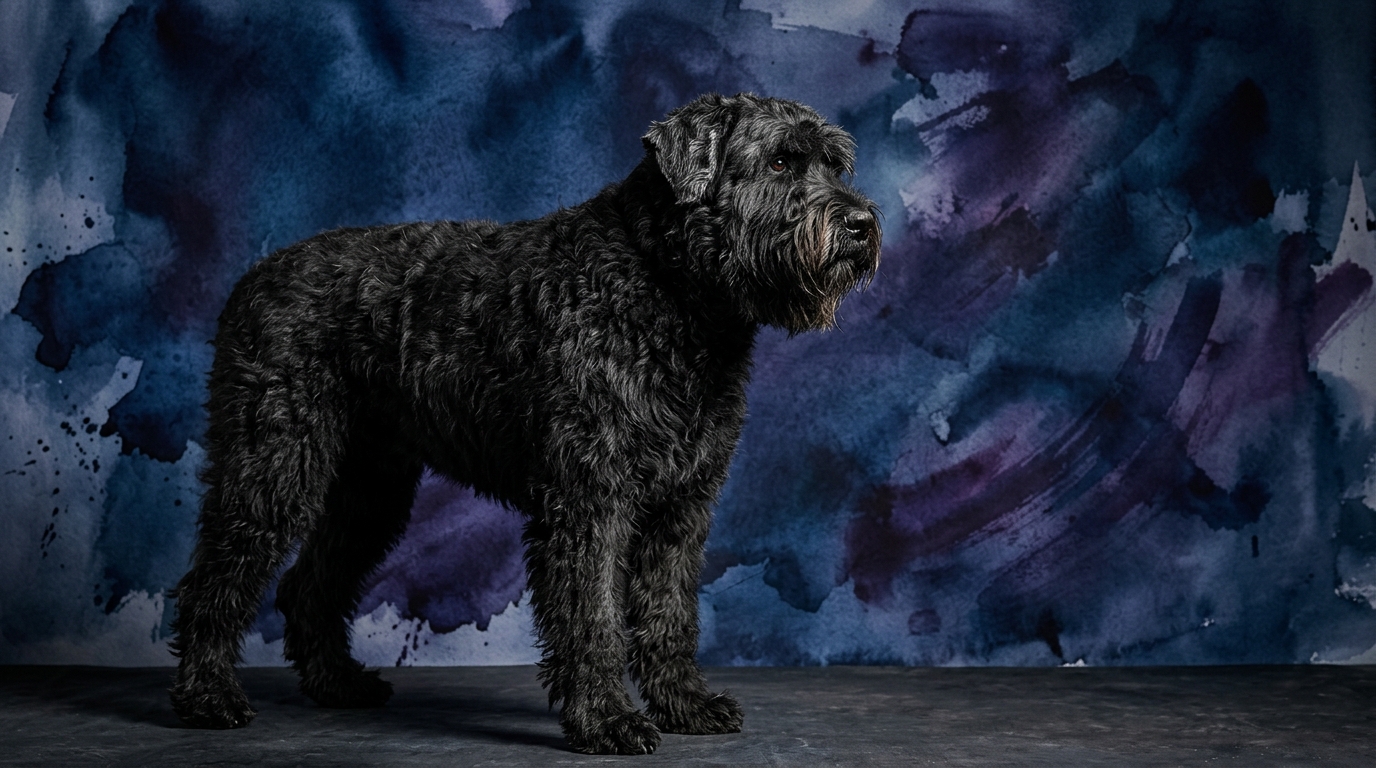
Side-by-Side IQ Profile: Bouvier des Flandres
**Problem Solving (3/5):** This score for the Bouvier des Flandres reflects their historical role as independent farm dogs, capable of assessing dynamic situations and making decisions regarding livestock movement or property protection without constant human direction. Their cognitive strength lies in practical, real-world problem-solving, such as figuring out how to re-route a straying animal, navigating complex farm gates, or subtly influencing herd behavior through positioning rather than force. They demonstrate an adaptive intelligence focused on maintaining order and safety within their perceived domain.
**Training Speed (3/5):** Bouviers generally absorb new commands and routines at a moderate, steady pace, requiring consistent, clear instruction and positive reinforcement to solidify their understanding. Their learning curve is efficient for multi-step tasks, as they are adept at connecting actions to desired outcomes once the purpose and expectation are clearly communicated. Patience and repetition yield reliable results, building a strong foundation for advanced obedience.
**Social Intelligence (3/5):** A Bouvier's social acumen is characterized by a discerning and observant nature, forming deep, unwavering bonds with their immediate family while often maintaining a reserved, watchful demeanor with strangers. They process social cues effectively within their established pack, demonstrating profound loyalty, protective instincts, and an intuitive understanding of family dynamics, often acting as a quiet guardian.
**Instinctive Drive (3/5):** Their strong herding instinct fuels their desire to gather, protect, and control, manifesting in a vigilant awareness of their surroundings and a natural inclination to manage "their flock," whether it's livestock, children, or other pets. This inherent drive provides a powerful internal motivation for work and focus, making them highly attuned to their environment and any perceived shifts in its equilibrium.
**Memory (3/5):** Bouviers exhibit a solid and reliable memory for routines, specific commands, and the intricate layout of their environment, enabling them to recall complex sequences and past experiences with accuracy. This cognitive capacity strongly supports their ability to perform multi-stage tasks, maintain consistent behavioral patterns, and remember lessons from previous training sessions, making them dependable companions.
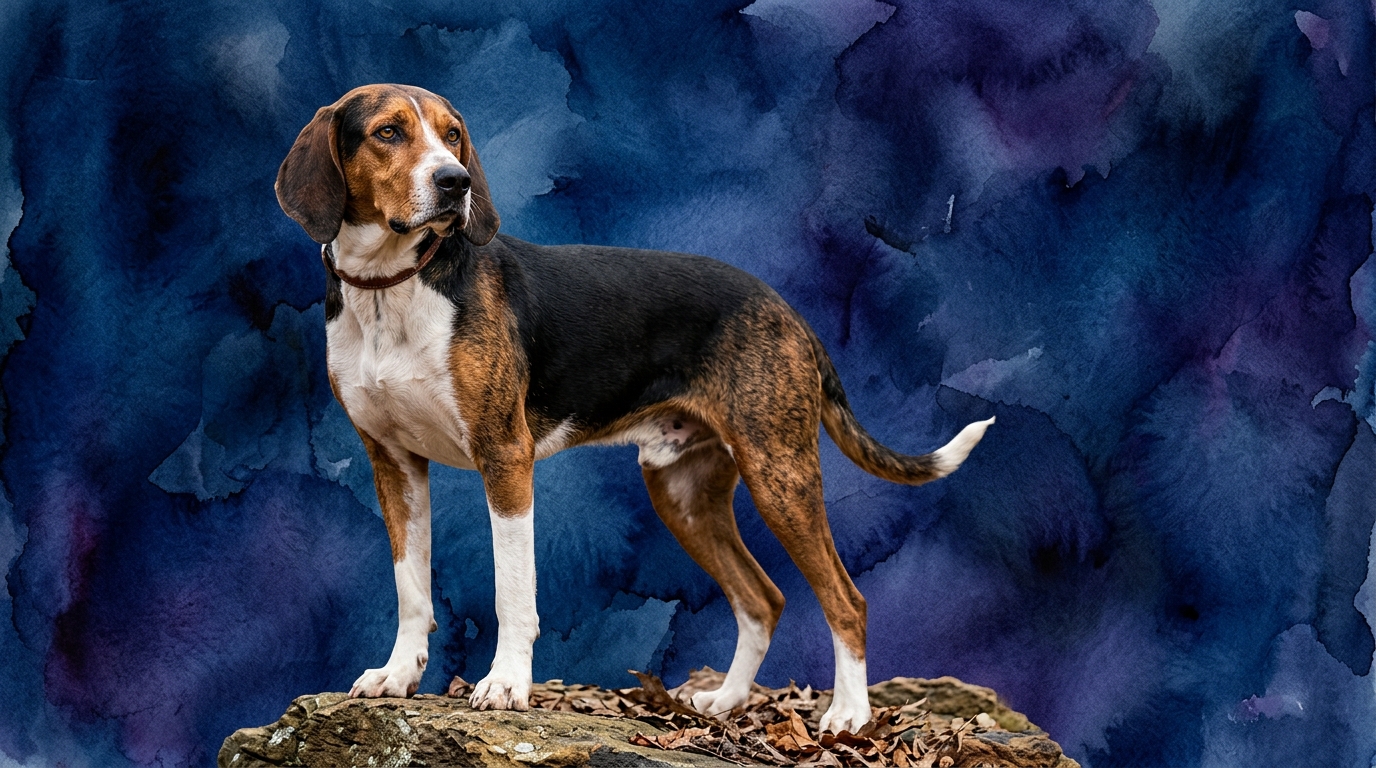
Side-by-Side IQ Profile: Treeing Walker Coonhound
**Problem Solving (3/5):** For the Treeing Walker Coonhound, a 3/5 in problem-solving often translates into their exceptional ability to untangle highly complex scent trails, strategize how to overcome environmental obstacles to locate treed game, and adapt their pursuit based on changing conditions. Their cognitive focus is intensely directed towards unraveling environmental puzzles related to elusive scent, demonstrating remarkable persistence, ingenuity, and independent decision-making in the field.
**Training Speed (3/5):** Treeing Walkers learn new behaviors at a moderate pace, particularly when the training methods cleverly incorporate their natural drives, such as scent work, retrieving, or game simulation. While they respond enthusiastically to positive reinforcement, they can be easily distracted by compelling environmental stimuli, especially intriguing odors, which demands a dedicated and creative trainer to maintain focus.
**Social Intelligence (3/5):** These hounds typically display an amiable and outgoing social intelligence, generally getting along well with people, other dogs, and even unfamiliar animals once introductions are properly managed. Their social interactions are often characterized by a friendly curiosity and a desire for companionship, though their deep focus on a compelling scent can sometimes momentarily override immediate social engagement or human commands.
**Instinctive Drive (3/5):** Their instinctive drive is overwhelmingly centered on their powerful prey drive and an unparalleled scenting ability, compelling them to follow a trail relentlessly, often for miles, and vocally "tree" their quarry. This drive is a core, non-negotiable component of their identity, influencing much of their behavior, motivation, and vocalizations, serving as the engine for their working purpose.
**Memory (3/5):** Treeing Walkers possess a robust and highly specialized memory for intricate scent patterns, successful hunting routes, and the specific locations where game has been found previously. This memory is acutely tuned to environmental details relevant to their tracking work, supporting their effectiveness in navigating familiar terrains and recalling successful hunting strategies over time, making them formidable hunters.
Where Bouvier des Flandres Wins Cognitively
The Bouvier des Flandres excels in cognitive domains requiring independent decision-making within a structured, protective role, demonstrating a practical intelligence. Their 3/5 problem-solving manifests as a nuanced ability to anticipate and manage situations, such as subtly guiding family members away from perceived dangers or efficiently navigating complex tasks around the home. They demonstrate a focused application of their memory and social understanding to maintain household harmony and security, often making thoughtful decisions beyond just following commands.
Where Treeing Walker Coonhound Wins Cognitively
Conversely, the Treeing Walker Coonhound's cognitive strengths shine brightest in tasks demanding sustained focus and intricate sensory processing, particularly olfaction. Their 3/5 problem-solving is unparalleled in deciphering complex scent puzzles, following faint trails over varied terrain, and devising strategies to corner treed game. This specialized memory for scent topography and an unyielding instinctive drive for the chase equip them with a unique cognitive advantage in field work, where their tenacity and independent tracking abilities often outperform breeds oriented towards direct human command.
Which is Easier to Train and Why
Despite both breeds scoring 3/5 in training speed, the Bouvier des Flandres often proves more straightforward for the average owner to train due to their intrinsic handler-focus and desire to please their family unit. Their herding background fosters an attentiveness to human direction and a willingness to work collaboratively, making them generally more receptive to formal obedience training and multi-step commands. Treeing Walker Coonhounds, while capable of learning, present a different training challenge; their powerful instinctive drive to track and their overwhelming focus on scent can frequently override human instruction, making them prone to distraction and requiring a trainer who can effectively harness or redirect their intense prey drive and independent nature.
Which Suits Active Owners vs. Relaxed Owners
The Bouvier des Flandres, with its working heritage, requires an owner who can provide consistent mental engagement and regular physical activity, suiting an active household that values a vigilant companion and enjoys structured training or dog sports. Their cognitive need for purpose means they thrive with owners who can integrate them into family routines and give them 'jobs,' however small. The Treeing Walker Coonhound, on the other hand, is best suited for highly active owners, ideally those engaged in outdoor pursuits like hiking, running, or scent work, who can accommodate their immense stamina and profound need to follow their nose. A relaxed owner might struggle with a Coonhound's relentless energy and independent tracking impulses, which require significant outlets to prevent boredom and destructive behaviors.
The Verdict
Choose a Bouvier des Flandres if you seek a vigilant, family-oriented protector who thrives on purpose and collaborative work, and you are prepared to provide consistent mental and physical engagement within a structured home environment. They are a good fit for owners who appreciate a dog with a discerning social nature and a practical, problem-solving mindset for everyday living.
Opt for a Treeing Walker Coonhound if you are an exceptionally active individual or family passionate about outdoor adventures, especially those involving scent work or long excursions, and you can channel their powerful, independent hunting drive into appropriate outlets. They are ideal for owners who appreciate a dog with boundless energy and a singular focus on unraveling the mysteries of the olfactory world.
🧠 Find Your Pet's IQ Score
Our Pet IQ Lab assessment covers 25+ tests across 5 cognitive dimensions — personalized to your breed.
Take the Full IQ Test →Frequently Asked Questions
Do Bouvier des Flandres dogs bark excessively?
Bouviers are generally not excessive barkers, but their protective instincts mean they will alert their family to perceived threats or unusual activity. Consistent training from a young age can help manage their vocalizations and teach them appropriate times to bark.
Are Treeing Walker Coonhounds good with children?
Treeing Walker Coonhounds can be wonderful with children, often displaying a playful and affectionate nature. However, their high energy levels and strong prey drive mean supervision is always necessary, especially with very young children, to ensure interactions remain positive and safe.
How much exercise does a Treeing Walker Coonhound need daily?
Treeing Walker Coonhounds require a significant amount of daily exercise, typically at least one to two hours of vigorous activity, such as running, extensive walks, or engaging in scent games. Without sufficient physical and mental stimulation, they can become restless and destructive indoors.