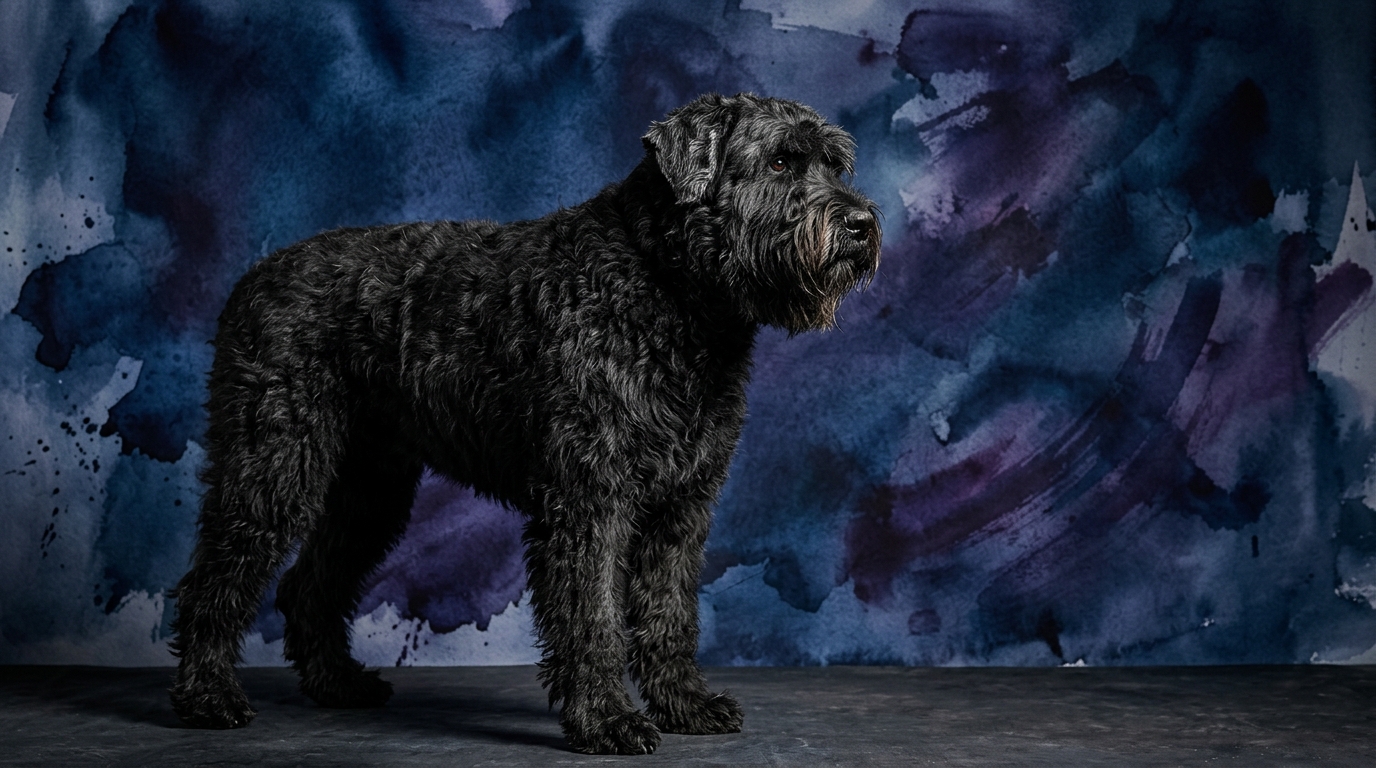
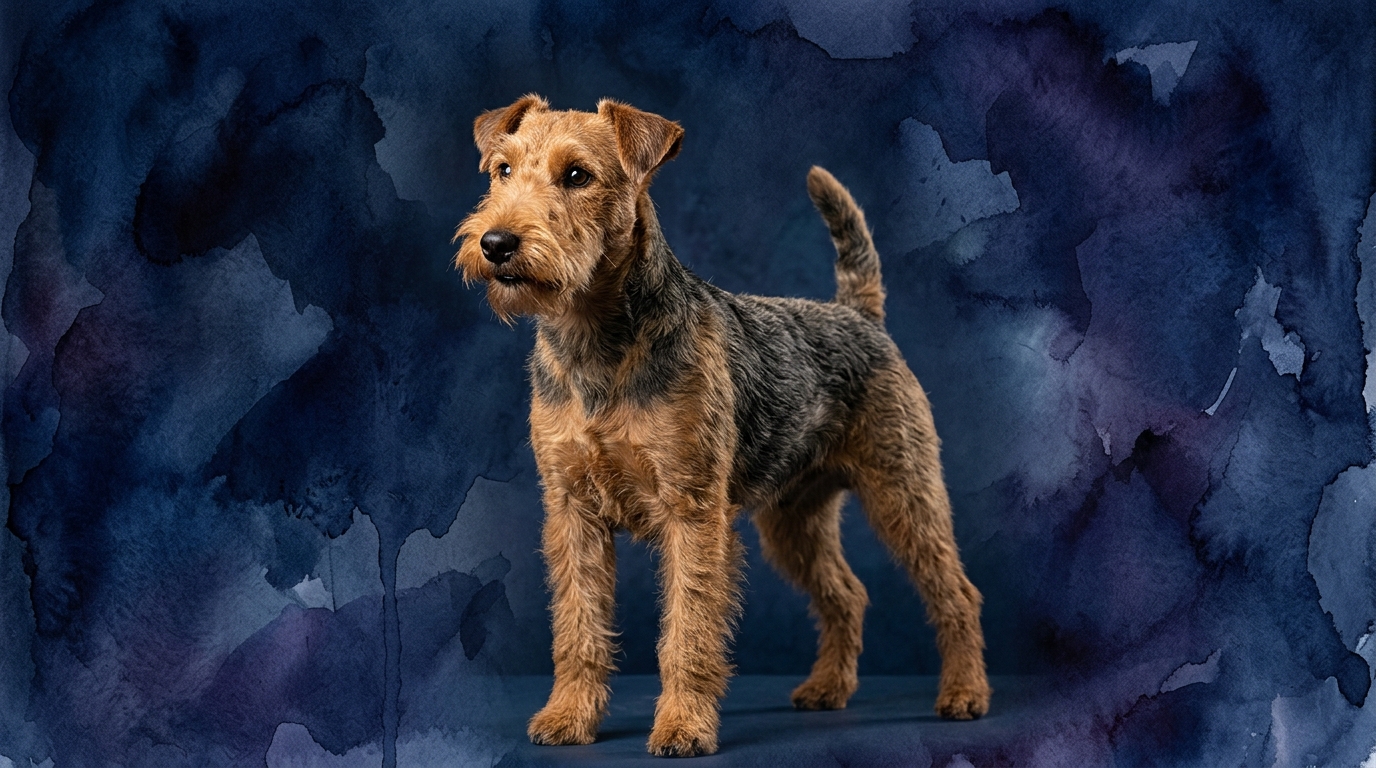
A Side-by-Side Look at Their Cognitive Dimensions
While both breeds register a 3/5 in problem Solving, their approaches diverge significantly. The Bouvier des Flandres, a formidable herding dog, typically displays methodical, strategic thinking aimed at managing livestock or protecting its family. Its problem-solving often involves assessing situations and implementing a planned, often physical, solution. The Welsh Terrier, conversely, exhibits an independent, tenacious problem-solving style, honed by its history of hunting vermin. This breed's solutions are often quick, resourceful, and driven by a strong instinct to overcome obstacles, even if it means digging or finding a clever way around a barrier.
Regarding training Speed, both breeds receive a 3/5, but the underlying mechanisms differ. The Bouvier often shows a willingness to learn and work with its handler, absorbing commands at a moderate pace, particularly when the tasks have a clear purpose or benefit to its family unit. Its training can be consistent and steady, building on established routines. The Welsh Terrier, while quick to grasp new concepts, might not always comply immediately due to its independent nature. Its training speed is more about initial comprehension than consistent execution, requiring a handler who can make training engaging and worthwhile from the terrier's perspective.
Social Intelligence also stands at 3/5 for both, yet their expressions are unique. The Bouvier des Flandres possesses a watchful, discerning social intelligence, keenly observing family dynamics and displaying a protective yet gentle demeanor with its inner circle. It tends to be reserved with strangers, evaluating new individuals before offering acceptance. The Welsh Terrier, on the other hand, exhibits a more direct and often boisterous social intelligence. It engages enthusiastically with its family but can be opinionated and sometimes challenging in social interactions with other dogs or unfamiliar people, driven by its confident and sometimes feisty personality.
Instinctive Drive, rated 3/5 for both, highlights their ancestral purposes. The Bouvier's drive manifests as a strong herding instinct, an innate desire to gather, protect, and control. This can translate into wanting to keep family members together or 'herd' children, coupled with a deep protective loyalty. The Welsh Terrier's drive is rooted in its terrier heritage: a powerful prey drive, an urge to dig, chase, and bark. These instincts are deeply ingrained and require appropriate outlets, manifesting as an energetic pursuit of anything that moves or a persistent investigation of scents.
Finally, memory, at 3/5, functions effectively in both breeds but with different emphasis. The Bouvier des Flandres demonstrates a reliable memory for routines, commands, and the people and places it considers part of its territory. It builds a mental map of its environment and the expected behaviors within it. The Welsh Terrier also possesses a good memory, quickly recalling training cues and past experiences, both positive and negative. It might remember a specific hiding spot for a toy just as well as it remembers a past opportunity for independent exploration, sometimes using its memory to circumvent rules if not consistently reinforced.
Where the Bouvier des Flandres Shines Cognitively
The Bouvier des Flandres excels in cognitive areas requiring a sense of responsibility and methodical application. Its problem-solving in complex, multi-variable situations, particularly those involving spatial reasoning or the management of moving elements (like a group of people or other animals), often surpasses the Welsh Terrier's more direct approach. This breed's social intelligence shines in its ability to be a steadfast, observant guardian, processing subtle cues from its family and environment to anticipate needs or potential threats. Its memory is particularly strong for established routines and the hierarchical structure of its household, making it a reliable companion once boundaries are set.
Where the Welsh Terrier Holds a Cognitive Edge
The Welsh Terrier's cognitive strengths lie in its independent resourcefulness and tenacity. Its problem-solving, while perhaps less 'strategic' than the Bouvier's, is remarkably efficient for tasks requiring quick decisions and persistent effort, such as finding a hidden object or navigating an unfamiliar space with determination. This breed's instinctive drive for exploration and pursuit, combined with its memory for opportunities, gives it an edge in self-directed tasks and environments where quick reactions are paramount. Its social intelligence, though sometimes challenging, allows it to adapt to various social contexts with a confident, self-assured demeanor, often charming its way into new situations.
Ease of Training: Bouvier des Flandres vs. Welsh Terrier
When it comes to ease of training, the Bouvier des Flandres generally presents a more straightforward path for a dedicated owner. While they possess a strong will and require consistent, firm, and fair leadership, their herding background means they are often eager to work alongside their human partner. They respond well to positive reinforcement and clear expectations, typically enjoying the mental engagement of learning commands and performing tasks. Their desire to please a trusted handler, combined with their thoughtful problem-solving, contributes to a relatively smooth training progression, provided the owner establishes themselves as a consistent leader.
The Welsh Terrier, conversely, can be more challenging to train, not due to a lack of comprehension, but because of its independent spirit and strong terrier instincts. While they learn quickly, their willingness to obey is often conditional on what's in it for them or if their attention hasn't been captured by a more compelling scent or sound. Their training requires immense patience, creativity, and a knack for making lessons fun and rewarding, often incorporating games or puzzle-solving elements. Owners must be prepared for a dog that might 'selective hear' commands if a squirrel or intriguing smell is present, requiring consistent proofing in varied environments to ensure reliability.
Ideal Owners: Active vs. Relaxed Lifestyles
Neither the Bouvier des Flandres nor the Welsh Terrier are suited for truly relaxed, sedentary owners; both require significant engagement. The Bouvier des Flandres thrives with active owners who can provide consistent mental and physical stimulation. They need a purpose, whether it's obedience training, dog sports like agility or carting, or simply being an active participant in family life with regular, vigorous exercise. Owners who appreciate a steadfast, working companion and are prepared to commit to daily structured activity will find a rewarding partnership with a Bouvier.
The Welsh Terrier, despite its smaller size, also demands an active owner. Their high energy levels and strong instinctive drives mean they need ample opportunities to run, play, and engage in activities that satisfy their terrier instincts, such as digging in a designated area, chasing balls, or participating in earthdog trials. They are well-suited for owners who enjoy outdoor adventures, can provide consistent mental challenges to prevent boredom, and are prepared for a lively, sometimes mischievous companion. While they can adapt to apartment living if their exercise needs are rigorously met, they are not a breed for those seeking a low-maintenance, quiet housemate.
The Verdict
Choose the Bouvier des Flandres if you seek a loyal, protective companion who thrives on purpose, responds well to consistent leadership, and offers methodical cognitive engagement, fitting an active, structured family life.
Opt for the Welsh Terrier if you're drawn to an independent, spirited, and tenacious dog that offers quick-witted cognitive challenges, requires creative training, and suits an active owner who appreciates a bold personality.
🧠 Find Your Pet's IQ Score
Our Pet IQ Lab assessment covers 25+ tests across 5 cognitive dimensions — personalized to your breed.
Take the Full IQ Test →Frequently Asked Questions
Do identical IQ scores mean these breeds are exactly alike cognitively?
No, identical scores merely indicate similar overall capabilities across the given dimensions, but the *manifestation* of these cognitive traits differs greatly. Their historical roles as herding dog versus terrier dictate distinct approaches to problem-solving, social interaction, and training responses, making them unique in practical terms.
Which breed is better for a first-time dog owner?
Neither breed is typically recommended for first-time dog owners due to their strong wills and specific needs. However, if an owner is committed to intensive training and research, the Bouvier des Flandres might be marginally 'easier' due to its biddable nature under consistent leadership, while the Welsh Terrier's independence can be more challenging for novices.
How important is early socialization for these breeds?
Early and thorough socialization is critically important for both breeds. For the Bouvier des Flandres, it helps temper their natural wariness of strangers and prevents excessive protectiveness. For the Welsh Terrier, it's essential to channel their confident and sometimes feisty nature into appropriate social interactions with other dogs and people, fostering a well-adjusted temperament.