Side-by-Side Cognitive Profiles: Decoding Boxer and Alaskan Malamute IQ
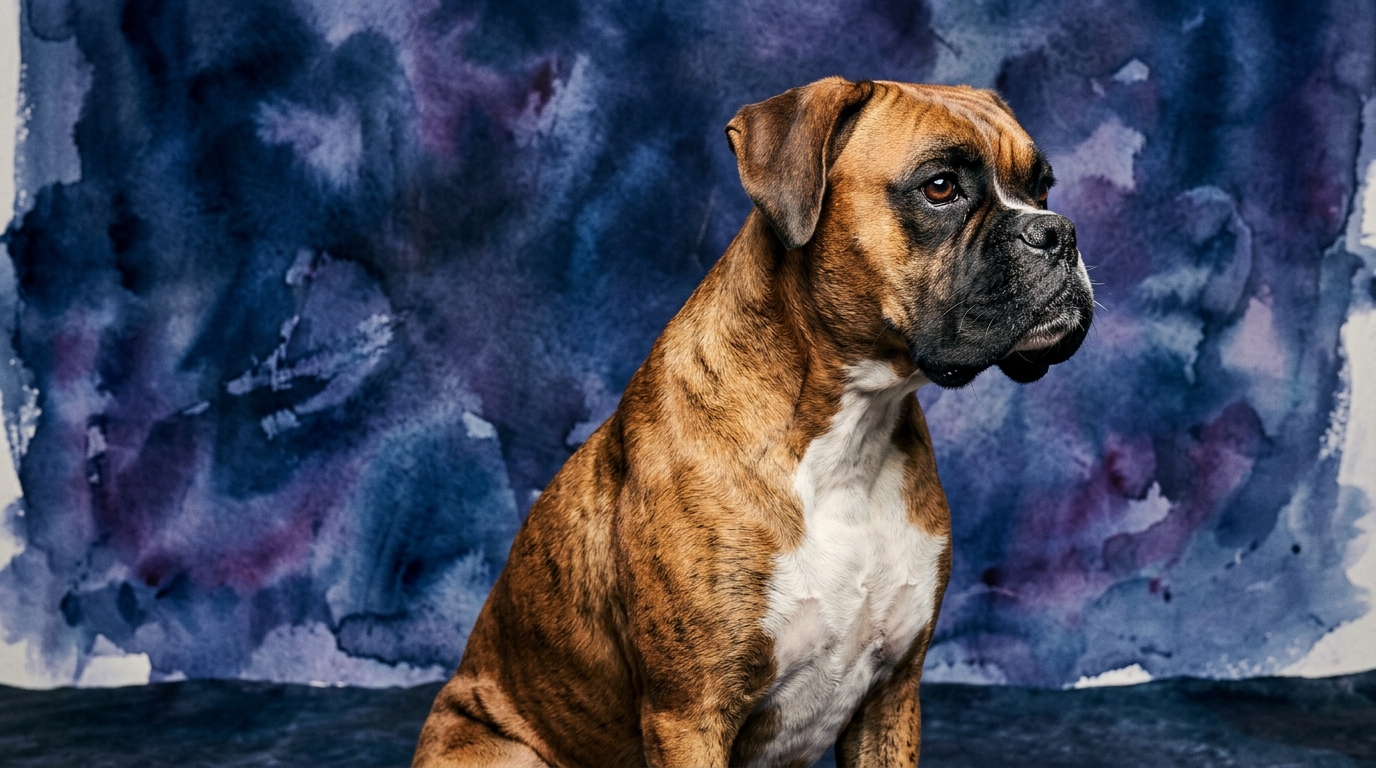
**Boxer:** Boxers approach novel situations with a moderate capacity for independent thought. They can figure out straightforward challenges, particularly when human interaction is involved, but complex, multi-step puzzles might require more guidance. Their method often involves trial and error, sometimes relying on their physical prowess rather than intricate planning, scoring 3/5 for Problem Solving.
While eager to please their human companions, Boxers learn new commands at a moderate pace. They require consistent, positive reinforcement and clear communication. Distractions can sometimes divert their focus, meaning training sessions benefit from being engaging and relatively short to maintain their attention, earning a 3/5 in Training Speed.
This is a Boxer's standout cognitive trait: they possess an exceptional ability to read human emotions, intentions, and body language. Their deep empathy and desire for connection allow them to form incredibly strong bonds, making them highly responsive to social cues and attuned to their family's mood. They excel at cooperative tasks and thrive on companionship, achieving a perfect 5/5 in Social Intelligence.
Boxers exhibit a strong natural drive, particularly for play, protection, and physical activity. Their prey drive is present but generally manageable, often channeled into vigorous games of fetch or chase. They possess a robust guarding instinct, stemming from their historical role, which fuels their attentiveness to their environment and family, rating 4/5 for Instinctive Drive.
Boxers have a good, practical memory for commands, routines, and familiar faces. They generally retain learned behaviors well with consistent reinforcement. However, their recall for highly specific, intricate sequences or long-term, less-reinforced experiences might be more moderate compared to some other breeds, scoring 3/5 in Memory.
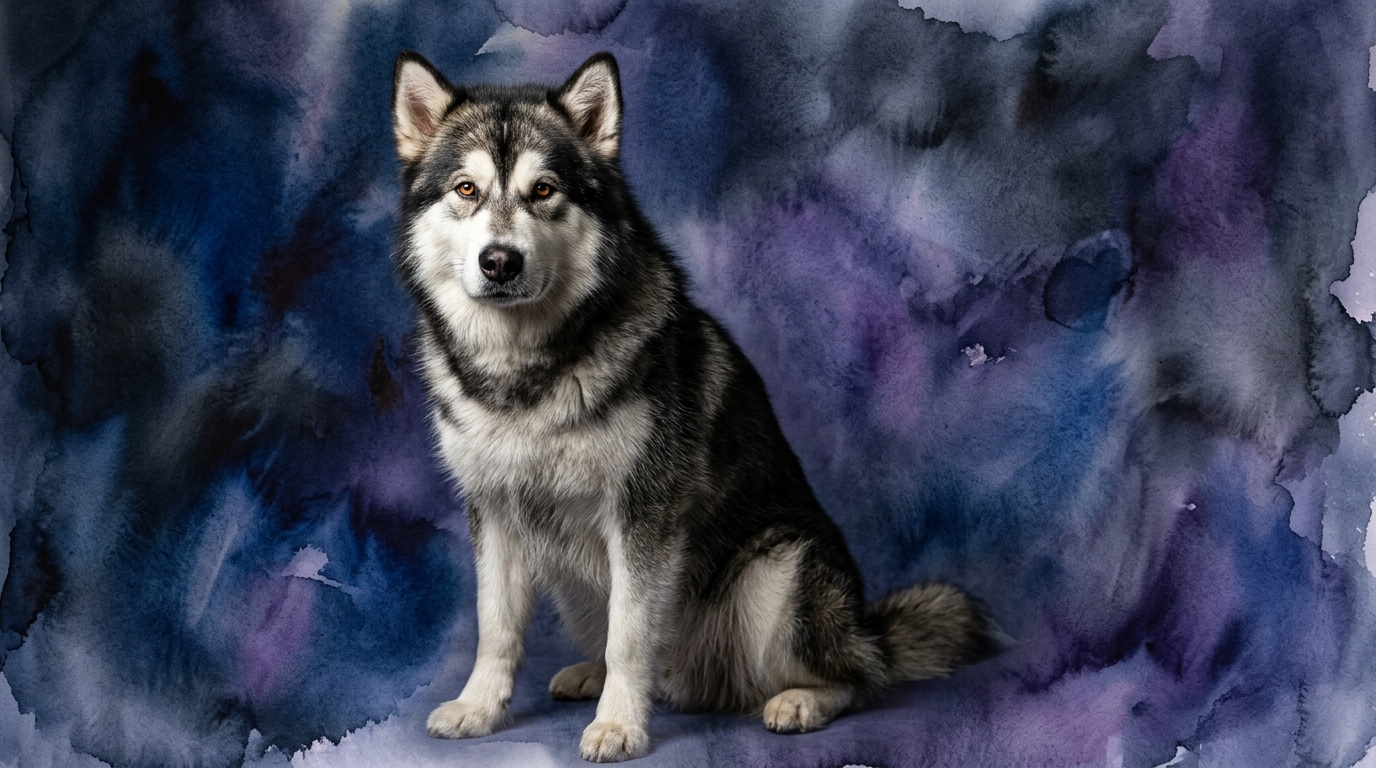
**Alaskan Malamute:** Malamutes display a strong aptitude for problem-solving, often employing independent thought to overcome obstacles. Bred to navigate challenging terrains and make decisions in harsh environments, they can devise clever strategies to achieve their goals, whether it's opening a gate or finding a way to reach a desired object. This often manifests as self-sufficiency and resourcefulness, earning them a 4/5 in Problem Solving.
Malamutes learn new commands at a slower pace compared to many breeds. Their independent nature means they often need to understand the 'why' behind a command, and they are less inherently driven to simply 'please' humans. Consistency, patience, and highly motivating rewards are crucial, as they can be selective about when and if they choose to comply, resulting in a 2/5 for Training Speed.
While affectionate with their families, Malamutes possess a moderate level of social intelligence directed towards human interaction. They are generally friendly but tend to be more reserved and less overtly expressive in reading subtle human cues than Boxers. Their social needs often revolve around being part of the 'pack' and participating in activities, rather than constant emotional attunement, scoring 3/5 in Social Intelligence.
Malamutes possess an exceptionally powerful instinctive drive. Their core purpose as sled dogs instilled a profound urge for pulling, endurance, and exploration. Their prey drive is typically very strong, and their desire to roam and investigate is deeply ingrained. This drive fuels their immense stamina and need for purposeful activity, earning a perfect 5/5 for Instinctive Drive.
Malamutes exhibit a strong memory, particularly for routes, territories, and past experiences. They can recall complex sequences of tasks and retain information related to their environment and resources over extended periods. This contributes to their ability to learn and adapt to routines, even if their initial training speed is slower, rating 4/5 in Memory.
Where the Boxer's Mind Shines Brighter
The Boxer's supreme advantage lies in their Social Intelligence (5/5), a trait where they significantly outscore the Malamute (3/5). This profound capacity for social connection means a Boxer is exceptionally attuned to human emotions and intentions. They don't just respond to commands; they often anticipate needs, offering comfort when sensing distress or initiating play when sensing joy.
This makes them incredibly intuitive companions, capable of forming deep, almost symbiotic bonds with their families. Their desire for cooperative interaction means they thrive on being an integral part of daily life, often seeking out human presence and responding enthusiastically to shared activities. This cognitive strength translates into a dog that feels less like a pet and more like a sensitive, empathetic family member, always eager to engage and understand.
The Alaskan Malamute's Cognitive Edge
The Alaskan Malamute demonstrates superior cognitive strengths in three key areas: Problem Solving (4/5 vs. Boxer's 3/5), Instinctive Drive (5/5 vs. Boxer's 4/5), and Memory (4/5 vs. Boxer's 3/5). Their problem-solving prowess stems from their heritage as independent working dogs, often requiring them to make smart decisions in challenging environments. They are adept at figuring out how to achieve goals, whether it's escaping a yard or opening a cupboard, showcasing a resourceful and often persistent intellect. This isn't about pleasing a human, but about achieving their own objectives.
Their unparalleled instinctive drive means they possess an inherent, powerful motivation for specific tasks like pulling, exploring, and enduring. This deep-seated drive fuels their stamina and determination, making them tenacious workers. Coupled with their strong memory, particularly for spatial layouts, routes, and learned sequences, Malamutes can navigate complex territories and retain intricate knowledge of their surroundings and routines, making them formidable in tasks requiring endurance and navigation.
Trainability: A Tale of Two Temperaments
When it comes to trainability, the Boxer generally presents a more straightforward path for the average owner, largely due to their high Social Intelligence (5/5) and moderate Training Speed (3/5). Boxers possess a strong desire to please their human companions and are highly responsive to positive reinforcement and praise. Their attentiveness to human cues means they are often eager to engage in learning sessions and thrive on the cooperative aspect of training. While they might not grasp new concepts with lightning speed, their willingness to participate and their deep social bond make them receptive students, consistently working to get things right for their beloved people. Their moderate instinctive drive means their natural urges are generally easier to redirect and manage within a training context.
The Alaskan Malamute, by contrast, often requires a more experienced and patient trainer, reflected in their lower Training Speed (2/5) and moderate Social Intelligence (3/5), coupled with their exceptionally high Instinctive Drive (5/5). Malamutes are independent thinkers; they need to understand the purpose behind a command and are not inherently driven by a simple desire to please. Their strong instinctive drives, such as their powerful prey drive and urge to explore, can easily override human commands if not properly managed or if the reward isn't sufficiently motivating. Training a Malamute is less about imposing will and more about establishing a clear, respectful partnership built on trust and consistent, high-value rewards. They learn, but they often choose *when* to demonstrate that learning, and their compliance is often conditional on what's in it for them. This independent streak and strong self-motivation mean that while they are capable of learning complex tasks, getting them to perform consistently on command requires significant dedication and understanding of their unique motivations and historical working purpose.
Lifestyle Match: Active Owners vs. Relaxed Companions
For owners seeking an active lifestyle deeply intertwined with their dog's social engagement, the Boxer is an excellent fit. Their Instinctive Drive (4/5) ensures they are energetic and require regular physical activity, thriving on vigorous play sessions, long walks, and even dog sports like agility. However, their paramount Social Intelligence (5/5) means they want to share these activities with their human family. They are not content to be merely exercised; they crave interaction, cooperative games, and being an active participant in all family endeavors.
A Boxer will eagerly join you for a run, a hike, or a game of fetch in the park, finding joy in the shared experience and the bond it strengthens. They are the quintessential companion for an owner who wants a dog that is always 'in the mix,' contributing to the family dynamic with boundless enthusiasm and affection.
The Alaskan Malamute, with its exceptional Instinctive Drive (5/5) and strong Problem Solving (4/5), demands a significantly more active and purpose-driven owner. These dogs possess immense stamina and a deep-seated need to work, pull, and explore. They are built for endurance and thrive when given a 'job' that taps into their natural instincts. A Malamute is ideal for owners who are committed to activities like sledding, skijoring, canicross, long-distance hiking, or backpacking.
Their cognitive profile suggests they need mental challenges that engage their problem-solving abilities and provide outlets for their powerful drives. Simply providing a large yard is often insufficient; they require structured, challenging activities that provide mental and physical fulfillment. A Malamute might be content to work independently on a task, even if their human is nearby, as long as the task itself is engaging. They are less about constant cuddles and more about shared adventures and challenging exploits, making them suited for highly adventurous and dedicated individuals or families who understand and can meet their profound working breed needs.
The Verdict
Choose a Boxer if you seek a highly socially intelligent, empathetic, and cooperative companion who thrives on deep human connection and shared, energetic activities. They are best for owners who value a dog eager to please and integrate fully into family life.
Opt for an Alaskan Malamute if you are an experienced, highly active owner committed to providing consistent, purpose-driven challenges that engage their powerful instinctive drives and problem-solving skills. They excel with individuals who appreciate an independent, resilient, and enduring canine partner.
🧠 Find Your Pet's IQ Score
Our Pet IQ Lab assessment covers 25+ tests across 5 cognitive dimensions — personalized to your breed.
Take the Full IQ Test →Frequently Asked Questions
Is a Boxer or an Alaskan Malamute better for a first-time dog owner?
A Boxer is generally more suitable for a first-time owner due to their higher social intelligence and eagerness to please, making training more manageable. Alaskan Malamutes' strong independence and lower training speed can be challenging for those new to dog ownership.
Which breed requires more mental stimulation, the Boxer or the Alaskan Malamute?
The Alaskan Malamute typically requires more rigorous mental stimulation, demanding purposeful tasks that engage their problem-solving skills and powerful instinctive drives. Boxers also benefit from mental engagement, but their social intelligence means much of this can be achieved through interactive play and cooperative learning with their humans.
How do their memories compare in practical terms for daily life?
The Alaskan Malamute's stronger memory is often evident in their ability to recall complex routes or retain sequences of tasks, useful for working roles. The Boxer's practical memory is good for routines and commands, making them reliable in familiar settings, though perhaps less adept at independent recall of intricate, non-socially reinforced information.