Side-by-Side Cognitive Profiles
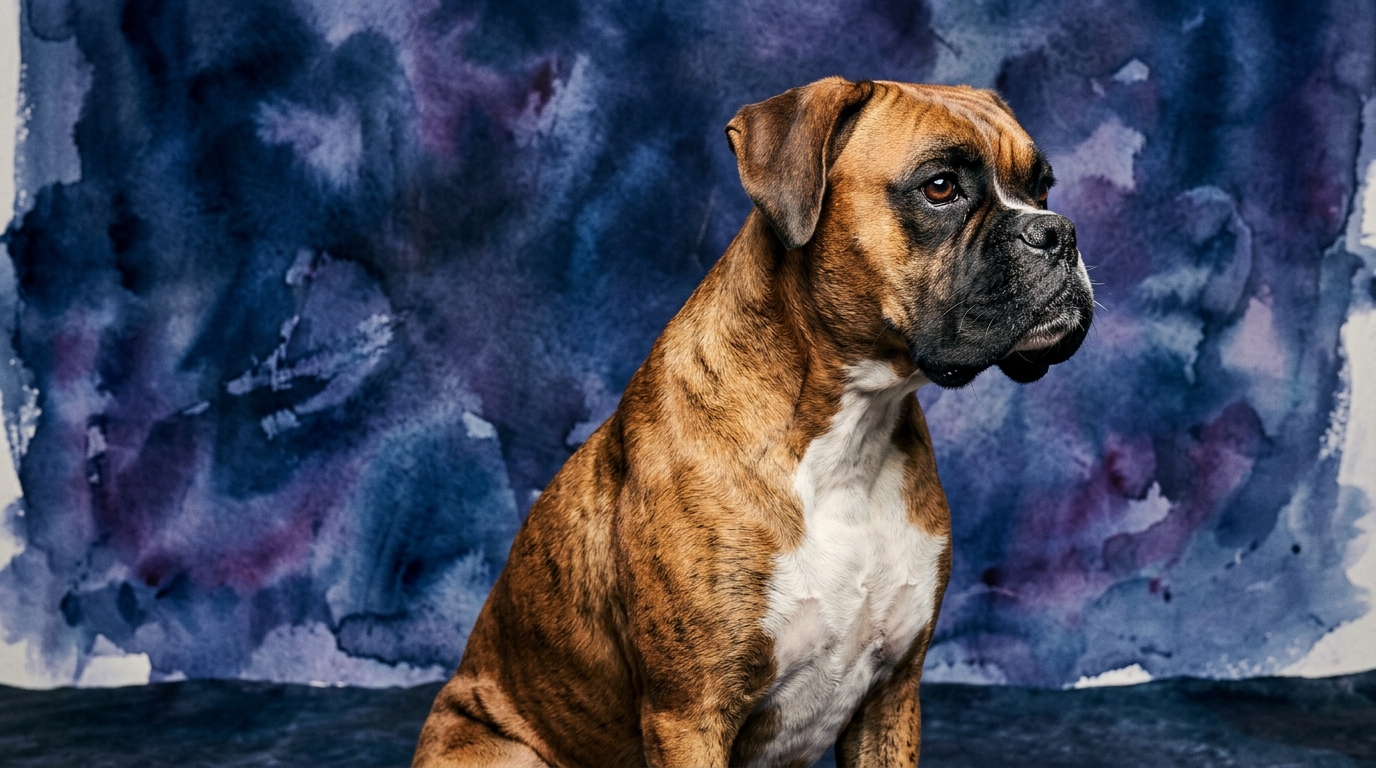
**Boxer:** This breed demonstrates a Problem Solving capacity rated at 3 out of 5, indicating an ability to navigate moderately complex situations, though they often benefit from clear guidance. Their Training Speed also sits at 3 out of 5, suggesting they absorb new commands at a steady pace, responding well to consistent, positive reinforcement methods. Where Boxers truly shine is in Social Intelligence, scoring a perfect 5 out of 5; they are exceptionally attuned to human emotions and social cues, often actively seeking interaction and connection. Their Instinctive Drive is strong at 4 out of 5, manifesting as an inherent motivation for physical activity, playful engagement, and exploration within their environment, contributing to their generally energetic disposition. Memory for the Boxer is rated 3 out of 5, meaning they retain learned information and experiences adequately, though consistent practice helps solidify recall of intricate details over extended periods.
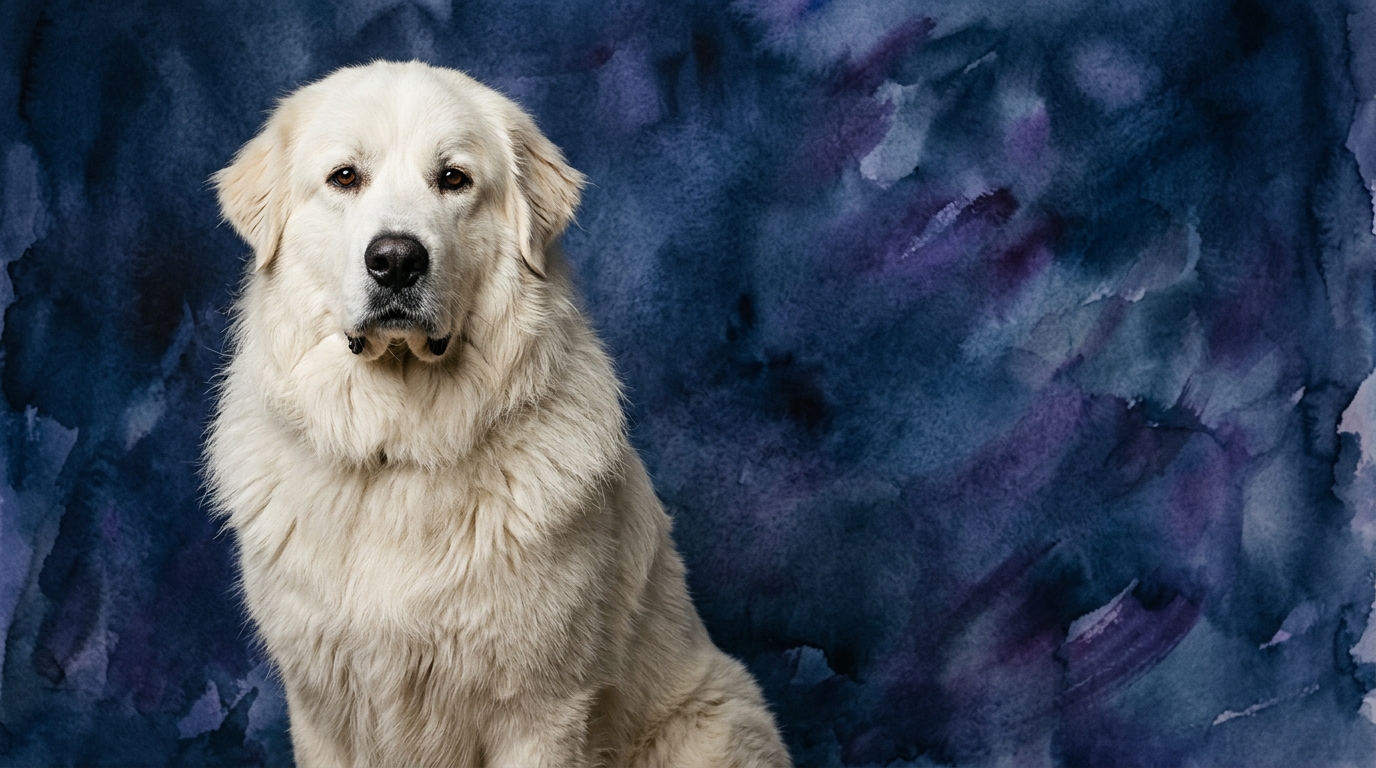
**Great Pyrenees:** The Great Pyrenees also holds a Problem Solving score of 3 out of 5, which reflects a practical intelligence honed for their traditional guardian role, often applied to environmental assessment rather than human-designed puzzles. Their Training Speed is 3 out of 5, indicating a steady learning curve, though their inherent independence can sometimes create the impression of a slower uptake on repetitive obedience drills. In Social Intelligence, they score 3 out of 5; they observe their human companions and their 'flock' with a discerning eye, typically expressing affection and social connection with a more reserved and autonomous demeanor. Their Instinctive Drive, at 3 out of 5, is primarily rooted in their deep-seated urge to guard and protect, which manifests as vigilant observation and territorial awareness rather than high-octane playfulness. Memory for the Great Pyrenees is also 3 out of 5, providing a functional retention for their duties and the specific details of their environment, like remembering routines and potential threats within their designated domain.
Where the Boxer's Cognition Excels
The Boxer's cognitive strengths distinctly lean towards social engagement and active participation with their human families. Their exceptional Social Intelligence score of 5/5 means they are remarkably perceptive of human moods, intentions, and even subtle shifts in body language, making them highly responsive companions. This acuity allows them to form deep emotional bonds and often anticipate their owner's desires, translating into a dog that feels very much 'in tune' with its people. Furthermore, their Instinctive Drive, rated 4/5, fuels a natural enthusiasm for interactive play, training, and shared activities. This drive is often expressed through their characteristic exuberance and a consistent desire to be involved, making them willing partners in various physical and mental challenges presented by their owners. When a Boxer engages in problem-solving (3/5), they often approach it with a desire to understand what their human wants, using their social understanding as a guide. This means they are more likely to seek human collaboration in tasks, rather than relying solely on independent thought. Their cognitive profile makes them particularly adept at roles requiring close partnership and expressive interaction, such as therapy work or competitive dog sports where teamwork is paramount.
Where the Great Pyrenees' Cognition Prevails
The Great Pyrenees' cognitive profile, while different from the Boxer's, demonstrates a nuanced and highly effective form of intelligence tailored to their historical purpose as livestock guardians. Their Problem Solving score of 3/5, though numerically similar to the Boxer's, is applied in a fundamentally different context. A Great Pyrenees assesses its environment for potential threats, strategizes how to deter predators, and makes independent decisions about its territory and flock without constant human direction. This self-reliance is a hallmark of their cognitive strength. Their Instinctive Drive, rated 3/5, is singularly focused on protection and vigilance. This isn't a drive for playful interaction in the same way a Boxer's is; rather, it’s an intrinsic, deeply embedded motivation to observe, patrol, and act as a deterrent. This leads to a profound understanding of their surroundings and a strong memory (3/5) for what constitutes 'normal' and 'abnormal' within their domain, allowing them to effectively identify and respond to deviations. Their Social Intelligence (3/5), while lower than a Boxer's, is perfectly suited for their role; they form bonds with their charges and family but maintain a necessary degree of independence to perform their duties without being overly distracted by human social demands. This blend of attributes enables them to operate effectively as solitary guardians, making complex judgments about safety and threat assessment on their own initiative.
Training Dynamics: Boxer vs. Great Pyrenees
When considering ease of training, the Boxer generally presents a more straightforward experience for most owners. Their Social Intelligence score of 5/5 means they are highly motivated by human approval and interaction, often eager to engage in training sessions as a form of bonding. While their Training Speed is 3/5, their strong Instinctive Drive (4/5) for activity and play can be effectively channeled into structured learning, making them responsive to positive reinforcement and reward-based methods. They tend to enjoy the process of learning new cues and performing tasks alongside their human partners, viewing it as an extension of their social engagement. Conversely, the Great Pyrenees, with a matching Training Speed of 3/5, often requires a different approach. Their lower Social Intelligence (3/5) means they are less driven by the sole desire to please and more by their own independent assessment of a situation. Their Instinctive Drive (3/5) is geared towards guarding, not necessarily performing repetitive obedience drills for human amusement. This independence, while crucial for their guardian role, can be perceived as stubbornness during training. They respond best to patient, consistent training that respects their self-sufficient nature, often requiring owners to make the training relevant to the dog's intrinsic motivations rather than relying on sheer compliance. Early socialization and consistent, positive reinforcement are vital for both, but the Boxer typically offers a more enthusiastic and cooperative training partner.
Lifestyle Compatibility: Active vs. Relaxed Owners
The choice between a Boxer and a Great Pyrenees often hinges significantly on an owner's lifestyle and activity level. For active owners who relish consistent engagement, vigorous play, and shared adventures, the Boxer is typically an ideal match. Their strong Instinctive Drive (4/5) for activity and their high Social Intelligence (5/5) mean they thrive on regular exercise, interactive games, and mental stimulation provided by their human companions. They are enthusiastic participants in walks, runs, hikes, and dog sports, requiring an owner who can consistently meet their need for both physical exertion and social interaction. A Boxer who lacks sufficient outlets for their energy and social needs can become bored or restless. In contrast, the Great Pyrenees generally suits more relaxed owners, or those whose "activity" involves a different kind of engagement. While they require ample space to patrol and regular, moderate exercise, their Instinctive Drive (3/5) is focused on vigilance and observation rather than high-octane play. They are content to survey their territory, often with a calm, watchful demeanor. Owners who appreciate an independent companion that doesn't constantly demand interactive play but still provides a reassuring presence will find the Great Pyrenees a fitting partner. Their need is less about constant human-directed activity and more about having a domain to oversee and a family to protect, making them suitable for owners with large yards or rural properties where they can fulfill their natural guardian inclinations.
The Verdict
Choose a Boxer if you seek a highly interactive, playful, and emotionally perceptive companion who thrives on shared activities, consistent engagement, and being an integral, expressive part of family life.
Choose a Great Pyrenees if you value an independent, watchful guardian with a calm, self-sufficient demeanor, needing ample space to patrol and an owner who understands and respects their deeply ingrained protective nature.
🧠 Find Your Pet's IQ Score
Our Pet IQ Lab assessment covers 25+ tests across 5 cognitive dimensions — personalized to your breed.
Take the Full IQ Test →Frequently Asked Questions
Are Boxers suitable for families with children?
Yes, Boxers often form strong bonds with children due to their high social intelligence and playful nature, but their energetic disposition requires consistent training and supervision around very young children to manage their exuberance.
Do Great Pyrenees exhibit strong protective behaviors?
Absolutely, their instinctive drive is deeply rooted in guarding, leading to vigilance and protective behaviors towards their family and territory, which often includes barking at perceived threats, especially during nighttime hours.
What kind of mental stimulation do these breeds require?
Boxers benefit from interactive puzzle toys, agility training, and obedience work that leverages their desire for human engagement, while Great Pyrenees thrive on having a secure territory to oversee, consistent routines, and opportunities to make independent 'guardian' decisions within their environment.