Side-by-Side Pet IQ Lab Profile: Boxer vs. Irish Wolfhound
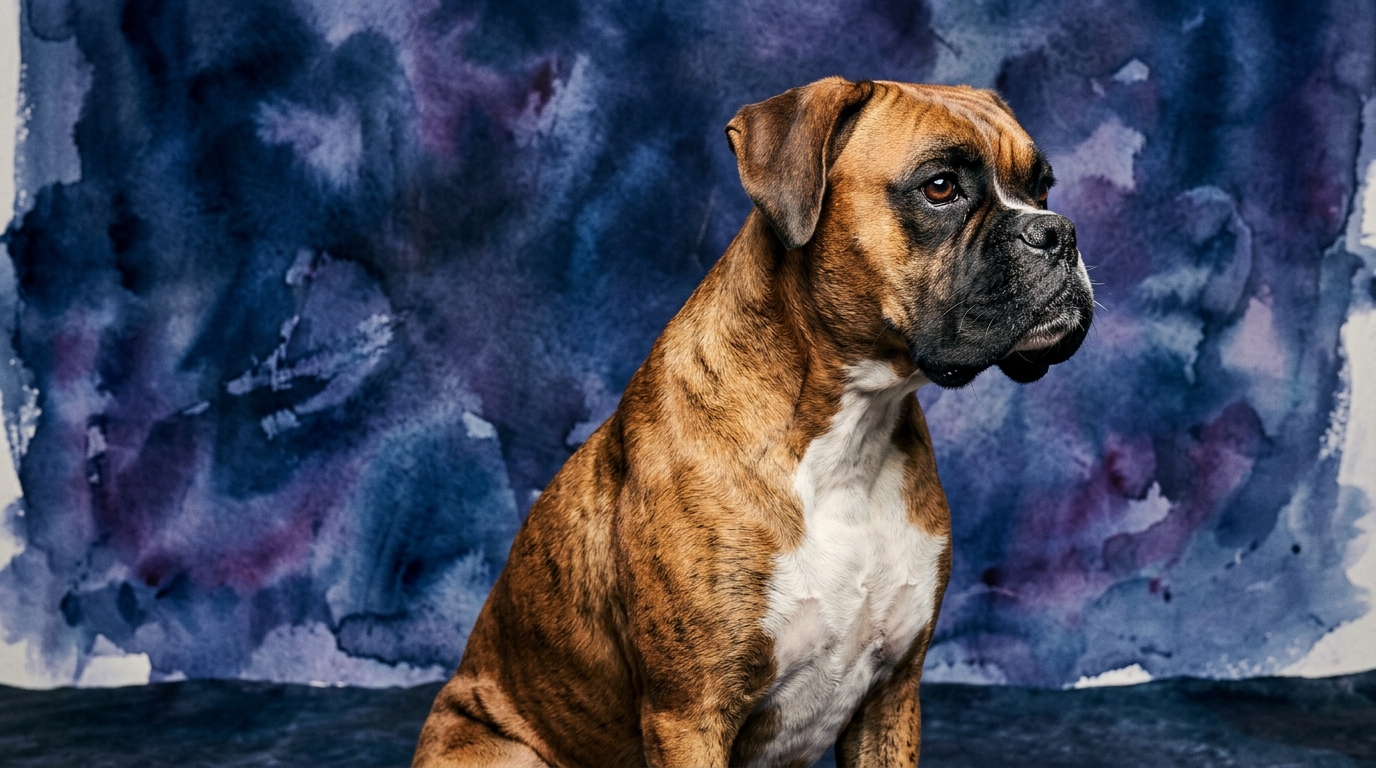
The Boxer, a member of the Working group, presents a robust cognitive profile in our Pet IQ Lab assessment, underscored by its Coren rank of #48. Its problem-solving ability scores 3/5, indicating a capacity to navigate novel situations and figure out solutions. Training speed also registers 3/5, suggesting a moderate pace for acquiring new commands. However, where the Boxer truly shines is its social intelligence, achieving a perfect 5/5. This reflects an exceptional ability to understand human cues, intentions, and emotions, fostering deep connections. Its instinctive drive, at 4/5, points to a strong internal motivation for activity and purpose, often linked to its historical roles. Memory, at 3/5, is solid for recalling learned behaviors and experiences.
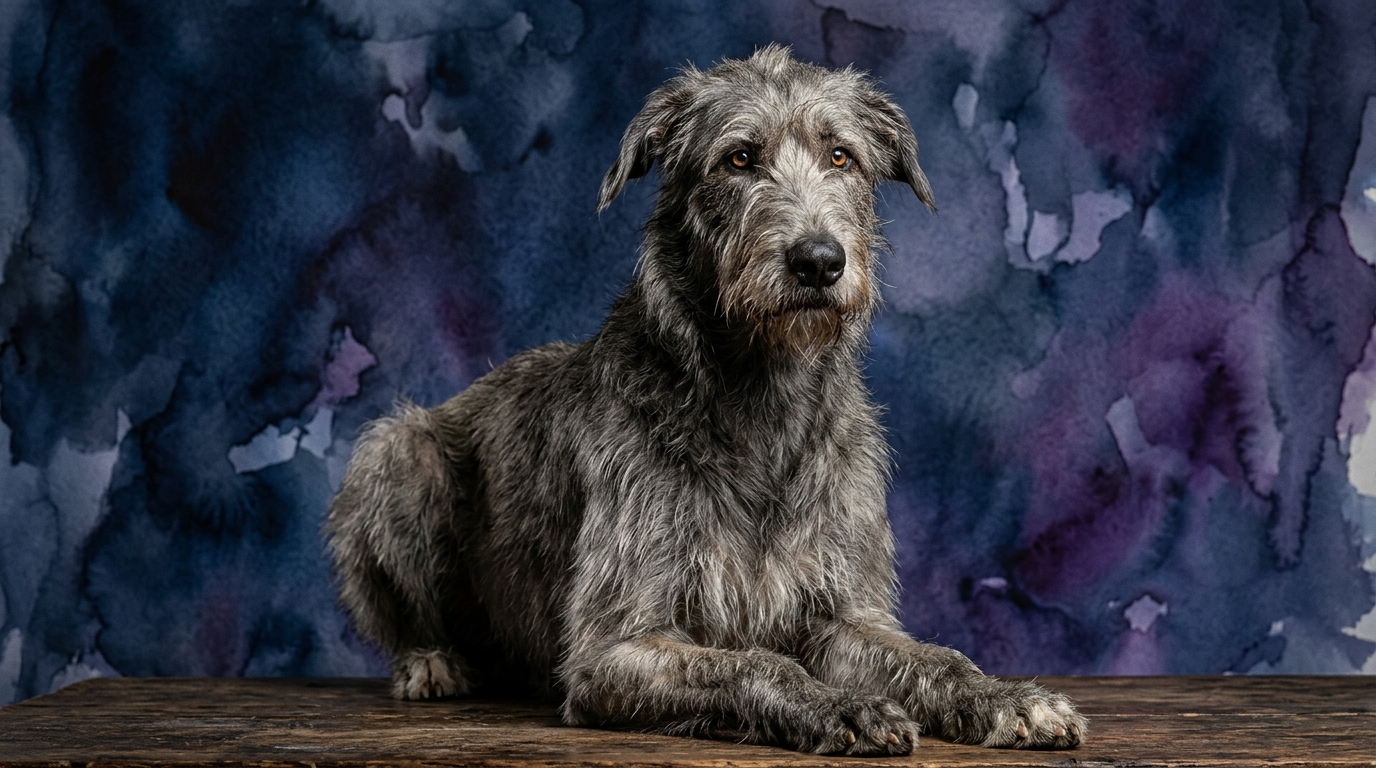
In contrast, the Irish Wolfhound, a dignified Hound, is not Coren-ranked, yet possesses a distinct cognitive makeup. Its problem-solving ability aligns with the Boxer at 3/5, indicating a similar capacity for analytical thought. Training speed also matches at 3/5, suggesting it learns new tasks at a comparable rate. However, its social intelligence stands at 3/5, indicating a more independent nature and a less intense focus on human emotional nuances compared to the Boxer. The Irish Wolfhound's instinctive drive is 3/5, reflecting its origins as a sighthound, driven by prey detection rather than a broad working ethic. Memory, like the Boxer, is rated 3/5, allowing it to retain information effectively.
A direct comparison reveals shared ground in foundational cognitive areas: both breeds demonstrate equivalent problem-solving, training speed, and memory scores. The significant divergence lies in social intelligence and instinctive drive. The Boxer's superior social intelligence suggests a dog deeply attuned to its human family, eager to engage and respond to social cues. Its higher instinctive drive points to an enduring need for engagement and purpose. The Irish Wolfhound, while capable, exhibits a more self-contained social approach and an instinctive drive rooted in its specific hunting heritage, necessitating a different understanding of its cognitive strengths.
Where the Boxer Wins Cognitively
The Boxer's distinct cognitive advantage lies in its exceptional social intelligence, scoring 5/5. This means a Boxer is highly perceptive to human moods, vocal inflections, and body language, making them extraordinarily responsive companions. This deep attunement fosters a strong desire to please and cooperate, translating into a dog that often anticipates needs and seeks interaction, making them excellent partners for shared activities and emotional support.
Furthermore, the Boxer's instinctive drive, rated 4/5, provides a powerful engine for engagement. This drive, combined with their social acumen, allows them to excel in structured activities like obedience, agility, or canine sports where teamwork with a human handler is paramount. Their drive is often directed towards purposeful interaction, making them more inclined to participate actively in tasks that involve their human counterparts, rather than pursuing independent interests.
Where the Irish Wolfhound Wins Cognitively
While the Irish Wolfhound's scores appear modest compared to the Boxer's social prowess, its unique cognitive profile presents distinct advantages for specific lifestyles. Its 3/5 social intelligence, while lower, translates to a dignified independence. This means a Wolfhound is content to observe and be near its family without constant demands for interaction, making it an excellent choice for owners who appreciate a calmer, less 'velcro' companion after initial bonding.
The Irish Wolfhound's instinctive drive of 3/5, though lower than the Boxer's, is acutely honed for its original purpose: spotting and pursuing game. This means their problem-solving and memory, both 3/5, are often applied in a more self-directed, environmentally focused manner, such as surveying their surroundings or remembering scent trails. Their cognitive 'win' can be seen in their ability to be serene indoors while retaining a focused, independent hunting instinct outdoors, requiring less constant human direction for certain cognitive tasks.
Which is Easier to Train and Why
Based on their Pet IQ Lab profiles, the Boxer generally presents as the easier breed to train for conventional obedience and cooperative tasks. Their outstanding social intelligence (5/5) means they are highly motivated by human approval and connection, making them eager to learn and respond to commands. This innate desire to engage with their handler, coupled with a solid training speed (3/5) and a strong instinctive drive (4/5) that can be channeled, makes them receptive to positive reinforcement methods and consistent guidance.
The Irish Wolfhound, while possessing the same 3/5 training speed, may require a more patient and nuanced approach due to its 3/5 social intelligence and 3/5 instinctive drive. Hounds are often more independently minded, historically bred to make decisions on their own while hunting, rather than constantly checking in with a handler. This means their motivation may stem less from a desire to please and more from clear, consistent communication and understanding their own reward. Owners may find they need to make training more engaging and relevant to the Wolfhound's inherent interests, rather than relying solely on social interaction as a motivator.
Which Suits Active Owners vs. Relaxed Owners
For active owners seeking a highly engaged and energetic canine partner, the Boxer is often the ideal match. Their 4/5 instinctive drive means they possess a significant need for physical activity and mental stimulation. These dogs thrive on regular vigorous exercise, structured play, and opportunities to learn and work alongside their human. An active owner can fulfill the Boxer's cognitive and physical needs, preventing boredom and channeling their abundant energy into constructive outlets like dog sports, long hikes, or robust play sessions.
The Irish Wolfhound can suit both active and more relaxed owners, albeit with different considerations. While they require substantial exercise in their growing years and consistent long walks or runs as adults to maintain health, their indoor demeanor is often surprisingly calm and relaxed, earning them the moniker 'gentle giants.' Their 3/5 instinctive drive is less about constant 'go-go-go' and more about focused bursts of activity. A relaxed owner who can commit to daily, purposeful outdoor excursions and then appreciates a large, tranquil presence indoors might find the Wolfhound's blend of activity and serenity appealing, especially given their more independent social intelligence.
The Verdict
Choose a Boxer if you desire a highly socially engaged, responsive companion eager for teamwork, and you can provide ample structured activity and mental stimulation.
Opt for an Irish Wolfhound if you appreciate a dignified, independent companion that offers periods of calm serenity indoors, coupled with a commitment to their significant exercise needs.
🧠 Find Your Pet's IQ Score
Our Pet IQ Lab assessment covers 25+ tests across 5 cognitive dimensions — personalized to your breed.
Take the Full IQ Test →Frequently Asked Questions
Does the Boxer's Coren rank of #48 mean it's significantly smarter than an unranked Irish Wolfhound?
The Coren rank primarily measures 'working and obedience intelligence,' which reflects a dog's ability to learn and respond to human commands. The Boxer's #48 rank indicates a higher aptitude for this specific type of learning compared to many breeds, while the Irish Wolfhound, being unranked, suggests its cognitive strengths lie in different areas, not necessarily a lack of overall intelligence.
How does social intelligence impact daily life with these breeds?
A Boxer's 5/5 social intelligence means it will likely be more attuned to your emotions, seek more direct interaction, and be highly motivated by your approval, making it a very interactive family member. An Irish Wolfhound's 3/5 social intelligence suggests a more independent nature, content with companionship without constant demands for attention, valuing a calm presence over continuous engagement.
Considering their similar problem-solving and training speed scores, are they equally easy to teach new tricks?
While both score 3/5 in problem-solving and training speed, the Boxer's higher social intelligence and instinctive drive (4/5) often make it more enthusiastic about learning tricks that involve human interaction and performance. The Irish Wolfhound may learn at a similar pace but might require more patience and different motivators, as their drive isn't as intensely focused on pleasing their handler for general tasks.