Side-by-Side IQ Profile
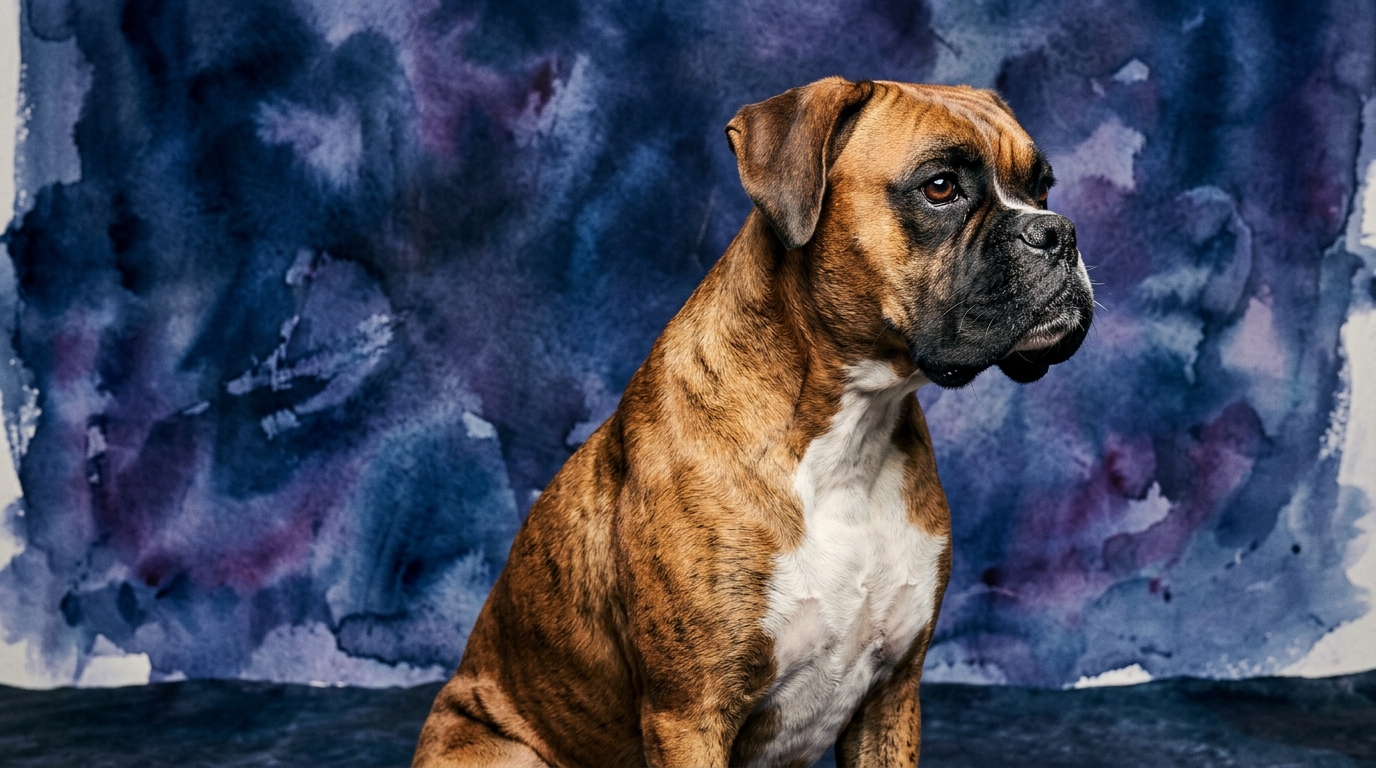
The Boxer, a breed historically engaged in demanding tasks, exhibits a balanced cognitive profile with particular strengths in social interaction. Their Problem Solving score of 3/5 indicates an aptitude for navigating moderately complex situations, capable of figuring out puzzles or understanding cause-and-effect in their environment without being natural strategists for intricate challenges. In terms of Training Speed, also rated 3/5, Boxers can acquire new commands and routines at a steady pace, thriving with consistent, positive reinforcement that capitalizes on their desire to engage. Where Boxers truly shine is their Social Intelligence, earning a perfect 5/5; they possess an exceptional capacity to interpret human emotions, body language, and vocal tones, fostering deep, intuitive bonds. Their Instinctive Drive, at 4/5, reflects a strong innate urge for play, protection, and interaction, often channeling into exuberant bursts of activity and a watchful nature. Finally, their Memory, rated 3/5, allows them to retain learned behaviors and significant experiences with moderate reliability, recalling past interactions or training cues effectively over time.
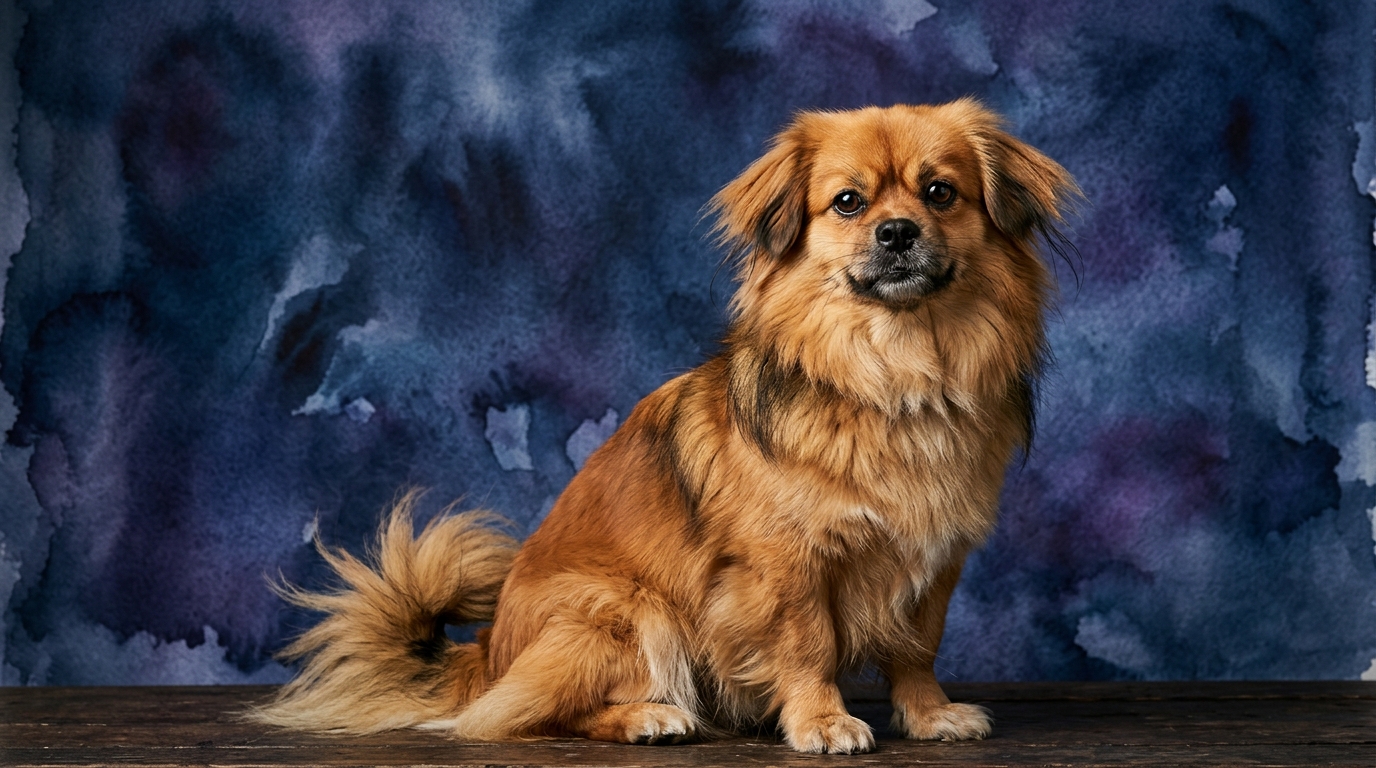
The Tibetan Spaniel, a breed with a long history as companions and sentinels in monasteries, presents a cognitive makeup tailored to their unique heritage. Their Problem Solving capability, like the Boxer, sits at 3/5, suggesting they can tackle everyday challenges and learn practical solutions without necessarily devising complex strategies. Their Training Speed also scores 3/5, meaning they learn new tasks and commands at a moderate pace, often displaying an independent streak that requires patience and engaging methods to maintain their focus. The Tibetan Spaniel's Social Intelligence is rated 3/5; while they form affectionate bonds with their families, their understanding of human nuances is more reserved compared to the Boxer's overt expressiveness, often preferring a quiet presence to constant interaction. Their Instinctive Drive, at 3/5, is moderate, primarily focused on vigilance and companionship rather than intense physical work or prey pursuit, manifesting as an alert watchfulness. Their Memory, also 3/5, enables them to recall routines, people, and specific learned behaviors consistently, contributing to their adaptability within a household environment.
Where the Boxer Wins Cognitively
The Boxer's cognitive strengths distinctly emerge from their unparalleled Social Intelligence. With a perfect 5/5, they possess an extraordinary ability to attune to human emotional states, interpreting subtle shifts in mood, tone, and body language with remarkable accuracy. This makes them profoundly empathetic companions, often anticipating their owner's needs or reacting appropriately to household dynamics, whether it's offering comfort during distress or joining in playful exuberance. This deep social awareness translates into a powerful feedback loop during interaction, allowing them to adjust their behavior based on human responses more readily than many other breeds. Furthermore, their 4/5 Instinctive Drive gives them an edge in sustained, purposeful engagement. This drive manifests as a robust eagerness for interactive play, a natural inclination towards protective vigilance, and a persistent energy for activities that involve their human family. This combination of social perceptiveness and innate drive makes Boxers exceptionally responsive and engaging partners for owners who value close, communicative interaction and a dog ready for action.
Where the Tibetan Spaniel Wins Cognitively
While the Tibetan Spaniel's cognitive scores are generally on par with or slightly below the Boxer's in some metrics, their unique 'wins' lie in the subtle interplay of their traits, forming a distinct advantage for specific lifestyles. Their 3/5 Social Intelligence, while not as overtly demonstrative as a Boxer's, translates into a more discerning and independent social presence. They are keenly observational, often processing their environment and the people within it with a quiet, analytical gaze, rather than an immediate, effusive reaction. This allows them to be excellent 'little watchdogs,' not just barking at perceived threats, but truly observing and assessing their surroundings with a calm alertness. Their moderate 3/5 Instinctive Drive means they possess sufficient vigilance without the overwhelming need for constant physical output or intense work. This makes them highly adaptable to varied domestic environments, capable of being content with less structured physical activity while remaining mentally engaged through observation and companionship. Their cognitive style fosters a self-possessed nature, enabling them to be independent thinkers who can entertain themselves and remain composed in situations where a more drive-focused breed might become restless.
Which Is Easier to Train and Why
Both the Boxer and the Tibetan Spaniel score 3/5 for Training Speed, implying they learn new commands at a similar moderate pace. However, the ease of training can differ significantly due to their other cognitive attributes and inherent behavioral tendencies. The Boxer's exceptional 5/5 Social Intelligence gives them a distinct advantage. Their profound desire to connect with and please their human companions means they are often highly motivated by praise, attention, and positive reinforcement. They are eager to understand what is expected of them and respond readily to human cues, making the training process feel more collaborative and rewarding for the owner. Their higher Instinctive Drive also means they are naturally inclined towards active engagement and structured play, which can be channeled effectively into training sessions. In contrast, while the Tibetan Spaniel also learns at a steady rate, their more independent nature and lower Social Intelligence score (3/5) mean they might require more patience and creative motivation. They are less driven by overt human approval and can sometimes exhibit a 'what's in it for me?' attitude. Owners might find success by making training a game, keeping sessions short and engaging, and understanding that a Tibetan Spaniel might perform a command perfectly one moment and then decide to 'think about it' the next, driven by their own quiet assessment of the situation rather than an immediate desire to comply.
Which Suits Active Owners vs. Relaxed Owners
For active owners seeking a canine companion deeply involved in their dynamic lifestyle, the Boxer presents a compelling choice. Their 4/5 Instinctive Drive, coupled with their exuberant nature and moderate problem-solving skills, equips them for engaging in activities like obedience, agility, hiking, or extended play sessions. Boxers thrive on consistent interaction and physical outlets, making them ideal partners for daily runs, structured training, or any adventure that involves their human family. Their 5/5 Social Intelligence ensures they are always tuned into their owner's mood and intentions, making them enthusiastic participants in shared experiences. Conversely, for relaxed owners who appreciate a quieter, more independent presence, the Tibetan Spaniel is often a better fit. While they enjoy walks and playtime, their 3/5 Instinctive Drive means their need for high-intensity activity is lower. They are content with moderate exercise and often prefer to observe their surroundings from a comfortable perch. Their 3/5 Social Intelligence allows them to be affectionate and present without demanding constant attention or intense interactive play, making them superb companions for those who enjoy a calm household rhythm and a dog that can be self-sufficient while still offering warmth and companionship.
The Verdict
If you seek a highly engaged, empathetic, and physically active partner deeply attuned to your emotional state, the Boxer's robust social intelligence and spirited drive will be an excellent match.
For those who prefer a more independent, observant, and adaptable companion content with a calmer pace and subtle interactions, the Tibetan Spaniel offers a unique blend of vigilance and affectionate companionship.
🧠 Find Your Pet's IQ Score
Our Pet IQ Lab assessment covers 25+ tests across 5 cognitive dimensions — personalized to your breed.
Take the Full IQ Test →Frequently Asked Questions
Are Boxers difficult to manage due to their high drive?
Boxers possess a strong instinctive drive and high energy, which requires consistent training and ample physical and mental stimulation. Without proper outlets, their exuberance can be misdirected, but with engaging activities, they channel their drive positively.
Do Tibetan Spaniels bark a lot as watchdogs?
Tibetan Spaniels are historically vigilant sentinels and will alert their owners to perceived changes in their environment with barking. However, their barking is typically a warning rather than excessive, and they are generally not prone to nuisance barking if properly socialized and trained.
How do their memories compare for learning tricks?
Both breeds score 3/5 for memory, indicating moderate retention of learned information. A Boxer's high social drive might make them more enthusiastic about performing tricks for human approval, while a Tibetan Spaniel might require more consistent, rewarding practice to solidify commands, but both are capable learners.