Side-by-Side Cognitive Profiles: Decoding Identical Scores
At first glance, the IQ Lab scores for both the Boykin Spaniel and the Coton de Tuléar are identical across all five dimensions: Problem Solving (3/5), Training Speed (3/5), Social Intelligence (3/5), Instinctive Drive (3/5), and Memory (3/5). This doesn't suggest a lack of individual mental prowess, but rather a consistent, moderate capacity, which manifests uniquely through the lens of each breed's historical purpose and temperament. Understanding this nuance is key to appreciating their distinct cognitive expressions.
For Problem Solving (3/5), both breeds demonstrate a solid ability to navigate moderate challenges. A Boykin might apply this to figuring out how to retrieve a challenging 'fall' in dense cover or finding a scent trail. A Coton, conversely, could use this capacity to strategically acquire a coveted toy from under furniture or to manipulate a human into providing extra attention, showcasing a different realm of 'problem solved.'
Training Speed (3/5) indicates both breeds learn new commands and routines at a good, steady pace. A Boykin's training might focus on complex multi-step retrieves and obedience in distracting environments, showing consistent progress. A Coton's training might center on house manners, tricks, and leash etiquette, where their moderate learning speed allows for reliable acquisition of desired behaviors without excessive repetition.
Social Intelligence (3/5) highlights their capacity to read and respond to human cues. The Boykin's social aptitude is often geared towards cooperative work, understanding a handler's subtle hand signals or vocal commands in a dynamic hunting scenario. The Coton's social intelligence shines in its ability to tune into family dynamics, offering comfort when sensing distress or engaging playfully when invited, demonstrating a profound understanding of interpersonal nuances.
Instinctive Drive (3/5) points to a moderate level of inherent breed-specific behaviors. For the Boykin, this translates into a noticeable, yet manageable, drive for retrieving, flushing, and exploring, rooted in its sporting heritage. For the Coton, this often manifests as a moderate desire for companionship, play, and occasionally, a surprising prey drive for small critters, reflecting its history as an adaptable companion.
Finally, Memory (3/5) signifies a reliable capacity for retaining information. A Boykin consistently remembers specific hunting routes, previously learned commands, and the location of frequently used items. A Coton's memory allows it to recall family routines, remember specific people and other pets, and retain a wide repertoire of learned tricks and appropriate household behaviors.
Where the Boykin Spaniel Excels Cognitively
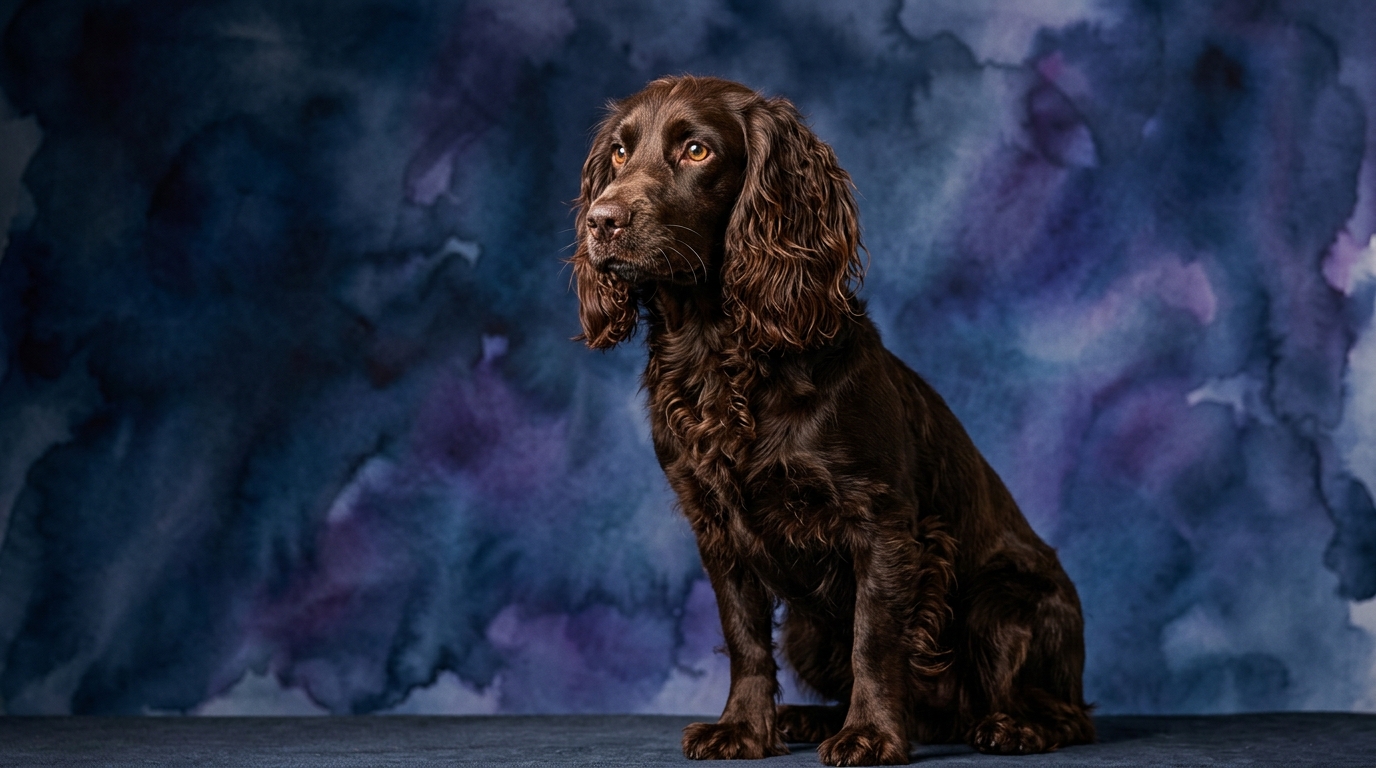
While sharing identical IQ scores, the Boykin Spaniel's cognitive strengths are particularly evident in dynamic, outdoor, and task-oriented environments. Their Problem Solving (3/5) is particularly sharp when it comes to navigating complex physical spaces, such as dense underbrush or uneven terrain, to locate a target. This isn't just about physical agility, but the mental mapping and quick decision-making required to efficiently execute a task. Their Memory (3/5) is often superior in recalling specific scent trails, 'marking' the fall of multiple birds, or remembering intricate sequences of commands critical for fieldwork. This type of memory is less about recalling a household routine and more about retaining actionable data in a fluid, high-stimulus setting. Furthermore, their Instinctive Drive (3/5), though moderate, is highly focused and purposeful, channeling their problem-solving and memory towards specific retrieving and flushing tasks with an unwavering resolve that is distinct from a companion breed's motivations.
Where the Coton de Tuléar Shines Cognitively
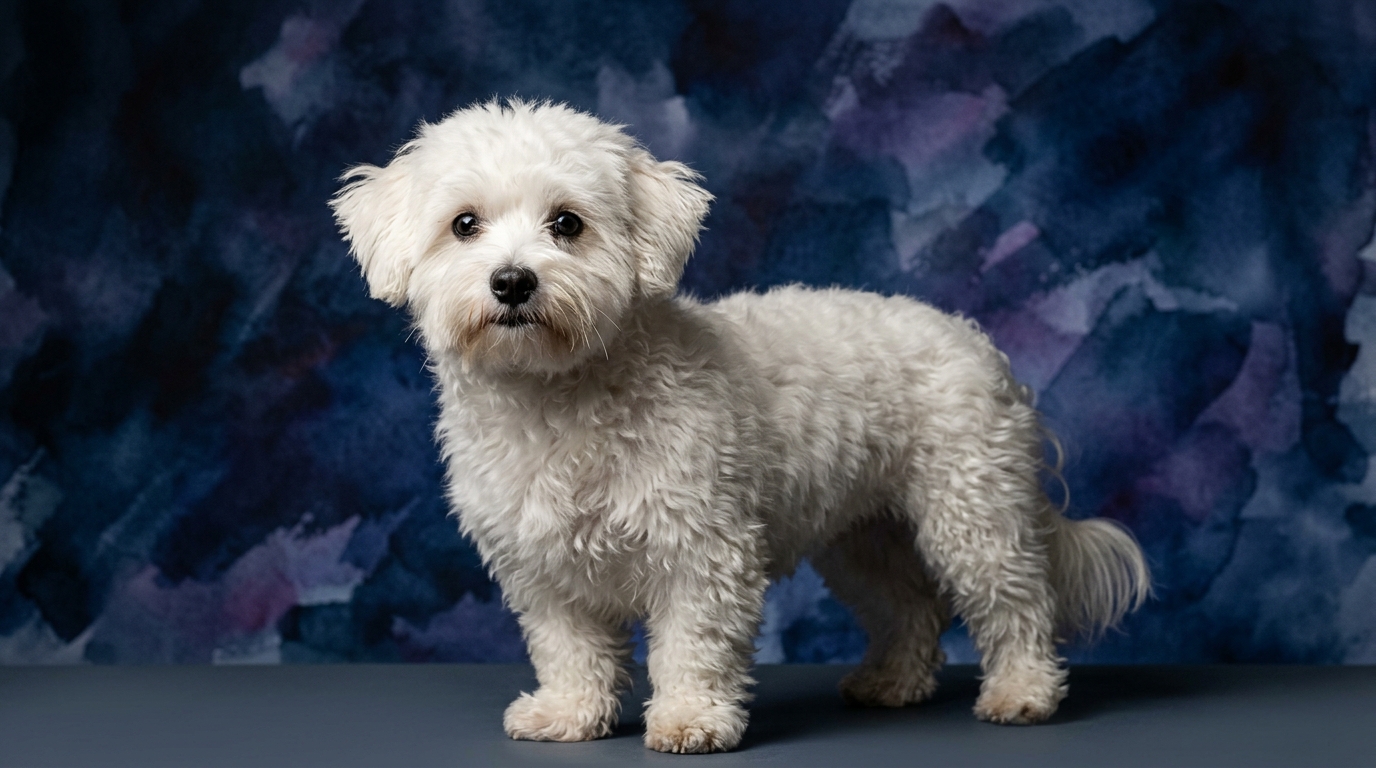
The Coton de Tuléar's cognitive strengths, conversely, are finely tuned for domestic life and profound human-animal bonding. Their Social Intelligence (3/5) allows them to excel in reading nuanced human emotional states and body language within a family setting, often adapting their behavior to match the mood of the household more subtly than a working breed might. This translates into an exceptional capacity for emotional reciprocity and understanding social cues that go beyond simple commands. Their Problem Solving (3/5) is often applied to more 'social' challenges, such as devising clever ways to initiate play, gaining attention, or manipulating objects within the home environment to their advantage. Their Memory (3/5) is particularly strong for recalling specific routines, the preferences of individual family members, and a wide array of household rules and boundaries, demonstrating a nuanced understanding of their domestic world. This breed's specific application of its cognitive abilities makes it a highly intuitive and adaptable household member.
Training Dynamics: Boykin vs. Coton
Given their identical Training Speed (3/5) scores, neither the Boykin Spaniel nor the Coton de Tuléar is inherently 'easier' to train; rather, their motivations and optimal training approaches differ significantly. The Boykin's moderate Instinctive Drive (3/5) towards purposeful work makes them highly amenable to structured, consistent training focused on obedience, retrieving, and agility. They thrive on having a job and respond well to clear, fair commands, often showing a persistent desire to please a handler during task execution. Their Problem Solving (3/5) aids them in adapting to new training scenarios and understanding complex sequences, but they require consistent physical and mental outlets to channel their energy effectively; without it, their problem-solving might lead to self-directed, less desirable activities.
The Coton de Tuléar, on the other hand, leverages its Social Intelligence (3/5) to excel in training that emphasizes positive reinforcement, relationship building, and household manners. They are highly attuned to human feedback and respond enthusiastically to praise and gentle encouragement, making them responsive to shaping behaviors through connection. Their Problem Solving (3/5) can sometimes lead to 'creative' interpretations of rules if consistency isn't maintained, as they are adept at finding loopholes or alternative ways to achieve their desires. While they don't require the same high-intensity physical activity as a Boykin, their training benefits from mental engagement, puzzle toys, and consistent social interaction to keep their moderate Instinctive Drive and Problem Solving capacities constructively occupied. Therefore, the 'ease' of training ultimately depends on the owner's chosen method and the specific behaviors being taught, aligning with each breed's inherent predispositions.
Matching Breeds to Lifestyles: Active vs. Relaxed Owners
The Boykin Spaniel is a clear match for active owners who relish outdoor adventures and can provide consistent, vigorous exercise and mental stimulation. Their moderate Instinctive Drive (3/5) for retrieving and exploring means they genuinely thrive when given opportunities to run, swim, and engage in scent work or field trials. An owner who enjoys hiking, hunting, or participating in dog sports will find the Boykin to be an eager and cooperative partner, channeling their Problem Solving (3/5) into productive activities. Without adequate outlets for their physical and mental energy, a Boykin's moderate drive and problem-solving capacity can lead to restlessness or destructive behaviors, as they seek their own 'work.'
The Coton de Tuléar, while adaptable, generally suits owners who appreciate a devoted companion and can offer consistent companionship and engaging, though not necessarily strenuous, activities. Their high Social Intelligence (3/5) means they thrive on close interaction and being an integral part of family life. While they enjoy walks and playtime, their exercise needs are more moderate than a Boykin's. A 'relaxed' owner who is home often, provides regular mental enrichment through training, puzzle toys, and interactive play, and prioritizes companionship, will find the Coton to be an ideal fit. They are less suited to being left alone for long periods, as their strong social bonds and moderate Instinctive Drive for companionship can lead to anxiety or boredom-induced behaviors if neglected.
The Verdict: When to Choose Each Breed
The Verdict
Choose the Boykin Spaniel if you are an active individual or family seeking a cooperative, task-oriented canine partner for outdoor adventures, structured training, and consistent physical challenges. They excel when their moderate drives are channeled into purposeful work.
Opt for the Coton de Tuléar if you desire a highly adaptable, emotionally attuned companion who thrives on close family interaction, moderate engagement, and a central role in your daily life. They flourish with owners who prioritize companionship and gentle mental stimulation.
🧠 Find Your Pet's IQ Score
Our Pet IQ Lab assessment covers 25+ tests across 5 cognitive dimensions — personalized to your breed.
Take the Full IQ Test →Frequently Asked Questions
Are Boykin Spaniels good with children and other pets?
Yes, their Social Intelligence (3/5) generally makes them amiable with children and other pets, especially if properly socialized from a young age. Their moderate Instinctive Drive typically means they are not overly aggressive, but supervision is always wise with any dog and young children.
Do Coton de Tuléars require extensive grooming?
While not shedding heavily, the Coton de Tuléar's long, cotton-like coat does require regular grooming, including daily brushing to prevent mats and tangles. This is a consistent commitment for owners, regardless of the dog's cognitive profile.
Which breed is better for apartment living?
The Coton de Tuléar is generally better suited for apartment living due to its smaller size and more moderate exercise requirements, provided it receives daily walks and consistent mental engagement. The Boykin Spaniel's higher energy and Instinctive Drive for activity make a home with a yard or regular access to open spaces more ideal.