
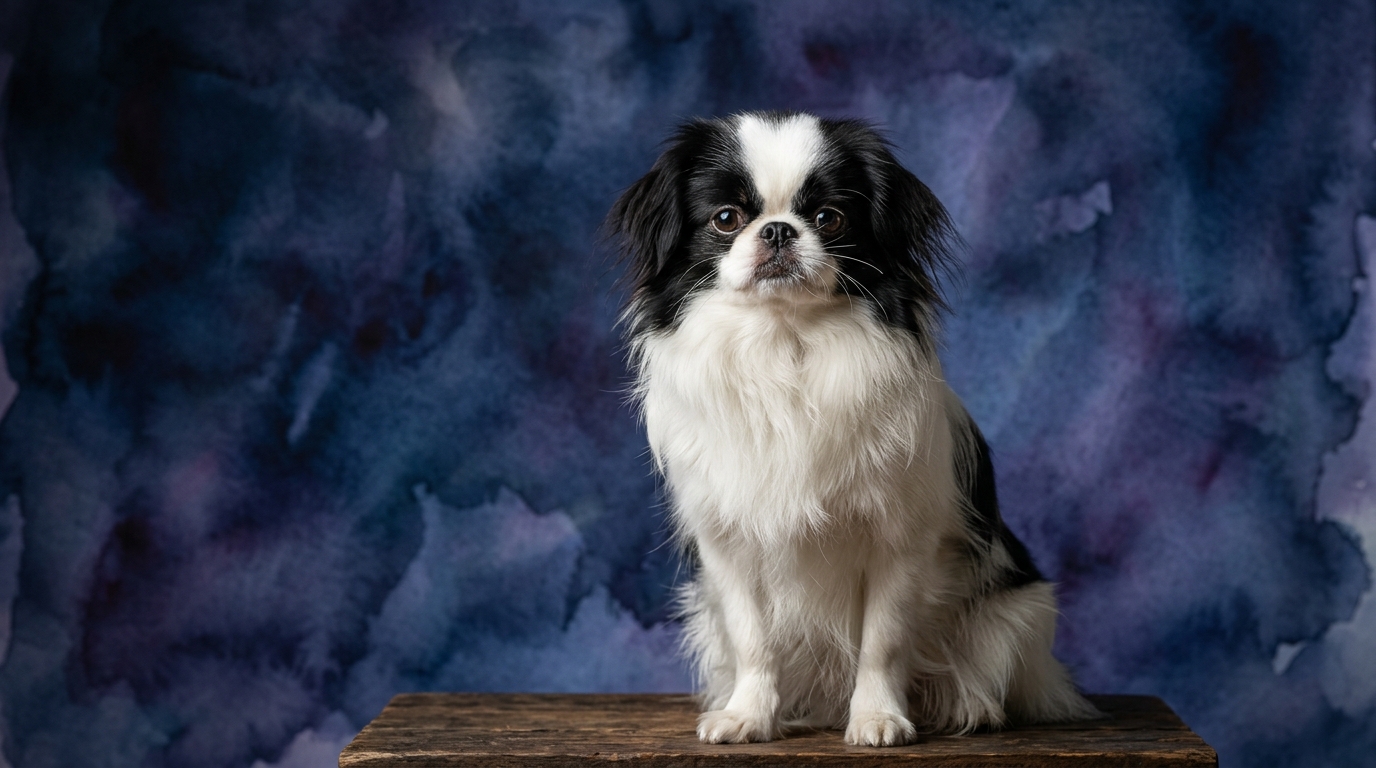
Side-by-Side IQ Profile
Despite both breeds scoring 3/5 across all five dimensions of our Pet IQ Lab, their practical application of these capacities differs significantly due to their distinct histories and roles.
Problem Solving (3/5): For the Boykin Spaniel, this score reflects a practical intelligence focused on navigating physical environments and overcoming obstacles to achieve a task, such as finding a downed bird in dense cover. Their solutions are typically direct and physical, driven by their work ethic. The Japanese Chin, conversely, applies its problem-solving within domestic settings, cleverly figuring out how to gain attention or access a comfortable spot, often through observation and subtle manipulation rather than brute force.
Training Speed (3/5): Boykin Spaniels learn new commands at a moderate pace, benefiting from consistent, engaging training that leverages their drive and desire to please. They require clear direction and repetition to solidify understanding. Japanese Chins also learn moderately, but their sensitivity means they respond best to gentle, positive reinforcement and short, fun sessions, potentially shutting down if training is too harsh or inconsistent.
Social Intelligence (3/5): The Boykin Spaniel demonstrates moderate social intelligence, expressing affection primarily within their family unit and being initially reserved with strangers, adapting once trust is established. The Japanese Chin’s social intelligence is highly nuanced, allowing them to keenly read their primary caregiver’s moods and adapt their companionship, often being more discerning and aloof with outsiders.
Instinctive Drive (3/5): The Boykin Spaniel's drive is strongly tied to its sporting heritage, exhibiting a consistent inclination for retrieving and water work, seeking purpose in outdoor activities. This is a purposeful, physical drive. The Japanese Chin’s drive is predominantly for companionship and comfort; while they may have a playful chase instinct for small critters, their core motivation is proximity and interaction with their human family, expressed through social bonding.
Memory (3/5): Boykin Spaniels possess a solid, functional memory for retaining complex routines, field commands, and familiar routes essential for their working roles and consistent performance. Japanese Chins similarly have a good memory, particularly for people, household routines, and preferred interactions, which contributes to their consistent companion behavior and understanding of domestic life.
Where Boykin Spaniel Wins Cognitively
Despite identical scores, the Boykin Spaniel demonstrates a cognitive edge in scenarios demanding sustained, goal-oriented application of their intellect within dynamic, often unpredictable environments. Their problem-solving (3/5) is less about subtle manipulation and more about efficient execution of a task, such as locating a hidden bumper in dense undergrowth or navigating complex scent trails without direct human guidance. This breed’s instinctive drive (3/5), while rated equally, translates to a practical tenacity and focus that allows them to maintain concentration on a task for extended periods, even when faced with distractions or physical challenges. A Boykin's cognitive strengths are deeply rooted in their capacity for practical application and resilient pursuit of objectives, making them adept at functional tasks.
Where Japanese Chin Wins Cognitively
Conversely, the Japanese Chin's cognitive strengths truly emerge in the subtle art of social navigation and domestic adaptability. Their social intelligence (3/5), while numerically equivalent, is expressed with a profound sensitivity to human emotional states and household dynamics. A Chin excels at reading subtle shifts in body language or tone, often preempting a human's needs for comfort or play. This translates into a sophisticated ability to integrate seamlessly into a family, understanding unspoken rules and preferences. Their problem-solving (3/5) is often geared towards clever, non-confrontational ways to achieve comfort or attention, such as strategically placing themselves for optimal petting or finding ingenious ways to bypass barriers to a favorite lap. The Chin's memory (3/5) is particularly adept at recalling intricate social hierarchies and preferred interactions, making them masters of their domestic domain.
Which is Easier to Train and Why
Determining which breed is 'easier' to train is less about raw cognitive capacity and more about aligning training methods with their intrinsic motivations and sensitivities. The Boykin Spaniel, with its inherent working drive (3/5) and eagerness to please, responds well to consistent, structured training that leverages their natural retrieving instincts. They thrive on having a job and appreciate clear, repetitive commands that lead to a tangible reward, whether it’s a retrieved item or praise. However, their energy and potential for an independent streak mean that trainers must be patient, firm, and engaging to keep their focus. Without sufficient mental and physical stimulation, a Boykin might devise their own 'jobs,' which may not align with human expectations.
The Japanese Chin, on the other hand, while equally rated in training speed (3/5), requires a much gentler approach. Their social intelligence (3/5) makes them highly attuned to their owner’s emotions, meaning harsh corrections or a frustrated tone can be counterproductive, causing them to withdraw or become resistant. They respond best to positive reinforcement, gentle encouragement, and short, fun training sessions that feel like play. While they may not have the Boykin's intense drive to perform complex tasks, their desire for companionship makes them willing to learn commands that facilitate pleasant interactions. Their cleverness in problem-solving (3/5) can sometimes lead to creative avoidance if not properly motivated, requiring consistent gentle guidance.
Which Suits Active Owners vs Relaxed Owners
The choice between a Boykin Spaniel and a Japanese Chin largely hinges on an owner’s lifestyle and activity level. The Boykin Spaniel is an ideal match for active, outdoor-oriented individuals or families. Their strong instinctive drive (3/5) and need for physical and mental engagement mean they thrive with regular exercise, whether it’s long walks, runs, swimming, or participating in dog sports like agility or retrieving. They are happiest when they have a 'job' to do and will quickly become bored and potentially destructive if their energy isn't channeled appropriately. Owners who enjoy hunting, hiking, or spending considerable time outdoors will find a Boykin Spaniel to be an enthusiastic and loyal companion, eager to share in their adventures.
Conversely, the Japanese Chin is perfectly suited for more relaxed, indoor-focused owners. Their primary instinctive drive (3/5) is companionship, and while they enjoy short bursts of playful activity, they are content with indoor games, a daily stroll, and ample lap time. They are not built for endurance or intense outdoor work and prefer the comforts of home. Owners who appreciate a quiet, affectionate, and charming companion who is happy to curl up on the couch for extended periods will find the Japanese Chin to be an excellent fit. Their moderate social intelligence (3/5) allows them to adapt well to various home environments, making them suitable for apartment living or for individuals seeking a devoted, low-key canine presence.
The Verdict
Choose the Boykin Spaniel if you lead an active, outdoor lifestyle, seeking a resilient, task-oriented companion eager to participate in demanding physical and mental activities.
Opt for the Japanese Chin if you prefer a calmer, indoor-centric life, valuing a sensitive, charming companion whose greatest joy is close, affectionate interaction within the home.
🧠 Find Your Pet's IQ Score
Our Pet IQ Lab assessment covers 25+ tests across 5 cognitive dimensions — personalized to your breed.
Take the Full IQ Test →Frequently Asked Questions
Do Boykin Spaniels make good apartment dogs?
While adaptable, Boykin Spaniels are generally not ideal apartment dogs due to their high energy levels and strong instinctive drive. They require significant outdoor exercise and mental stimulation daily to prevent boredom and destructive behaviors. A house with a yard and an an active owner is usually a better fit for their needs.
Are Japanese Chins difficult to housetrain?
Japanese Chins can sometimes be a bit more challenging to housetrain than other breeds, primarily due to their small bladders and occasional independent streak. Consistent, positive reinforcement, frequent potty breaks, and patience are key to successfully housetraining a Chin. Their sensitivity means harsh methods are counterproductive.
How do these breeds interact with children?
Both breeds can be good with children, but their interactions differ. Boykin Spaniels are generally playful and robust enough for active play with respectful older children, though supervision is always advised due to their energy. Japanese Chins are more delicate and prefer calmer interactions; they thrive with gentle, older children who understand how to handle a small dog thoughtfully.