Side-by-Side Cognitive Profiles
The Cosmic Pet Pet IQ Lab categorizes canine intelligence across five dimensions: Problem Solving, Training Speed, Social Intelligence, Instinctive Drive, and Memory. Understanding these scores offers insight into each breed's natural aptitudes and how they interact with their environment and human companions.
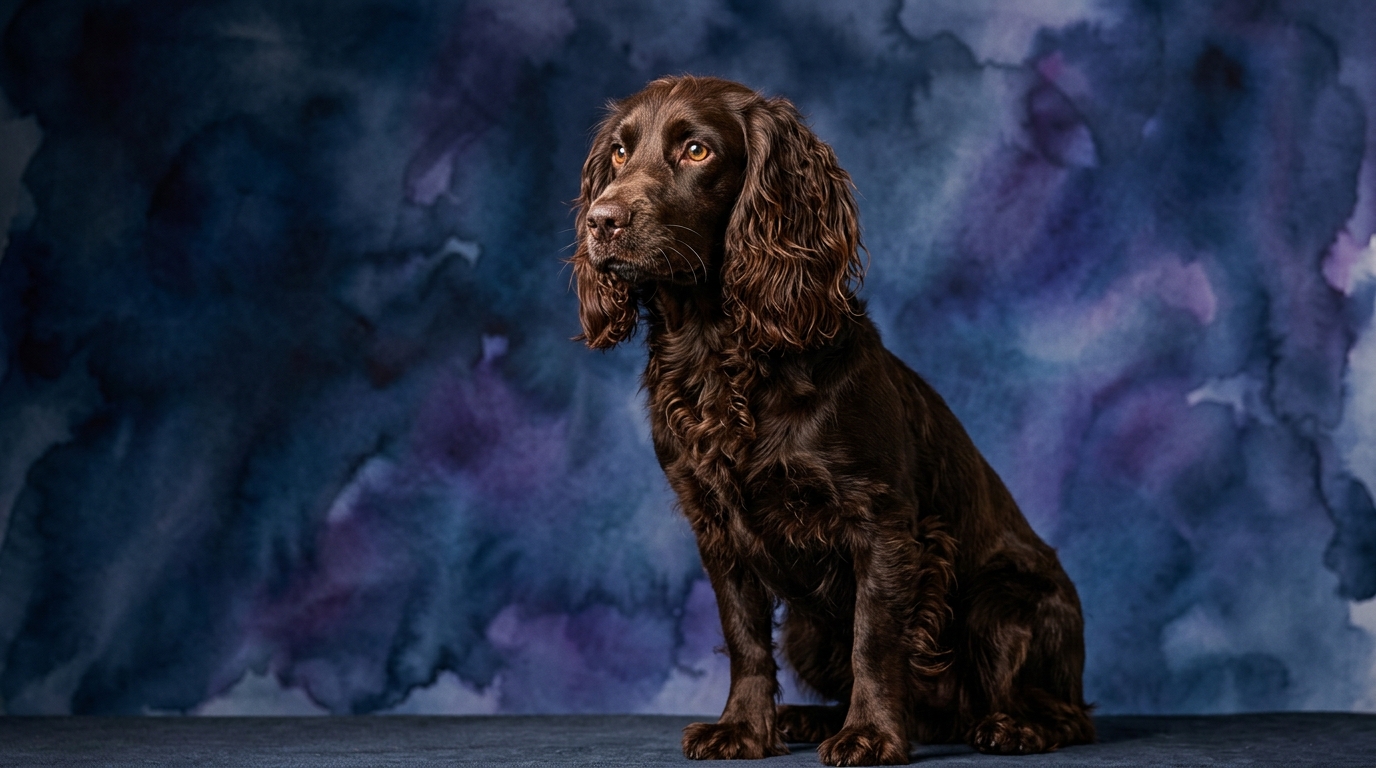
The **Boykin Spaniel (Sporting Group)** presents a balanced, practical cognitive profile. Its Problem Solving at 3/5 indicates a moderate capacity for independent thought, typically sufficient for its working roles without being overly analytical. Training Speed, also 3/5, suggests a willingness to learn but may require consistent, patient methods to solidify commands. Social Intelligence at 3/5 implies a decent ability to read human cues and integrate into family dynamics. Its Instinctive Drive, rated 3/5, is geared towards retrieving and flushing, manifesting as a purposeful focus on scent and prey drive when engaged. Finally, Memory at 3/5 means it retains lessons and experiences adequately, though perhaps not with instantaneous recall. The Boykin Spaniel is not ranked by Coren, suggesting its cognitive strengths are more specialized for field work rather than general obedience intelligence.
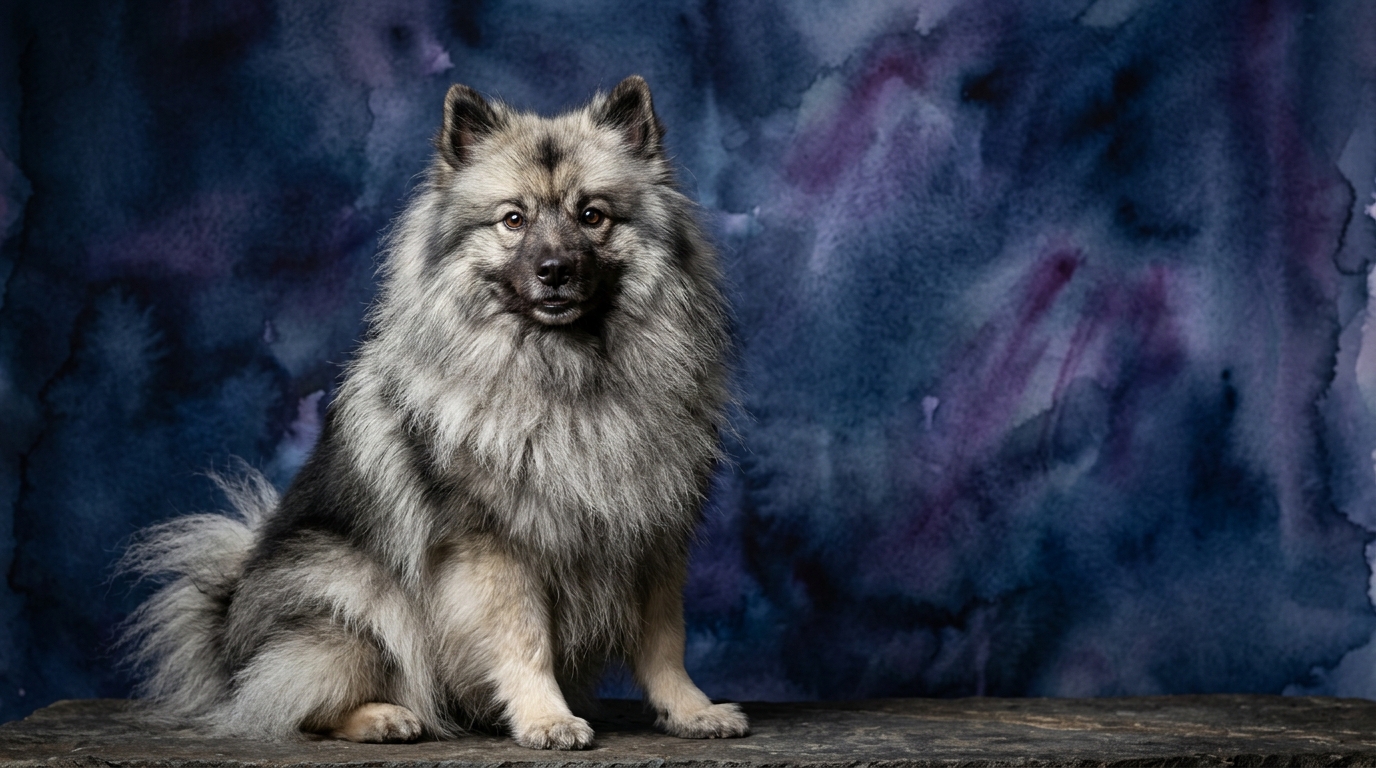
The **Keeshond (Non-Sporting Group)**, Coren-ranked #16, exhibits a more robust cognitive landscape. Its Problem Solving at 4/5 indicates a notable aptitude for figuring things out independently, often displaying cleverness in navigating environments or achieving desired outcomes. Training Speed, also 4/5, suggests a quick grasp of new commands and concepts, making training sessions generally rewarding and efficient. Social Intelligence is 3/5, mirroring the Boykin Spaniel, meaning they are good at understanding human social signals and forming strong bonds. The Instinctive Drive, also 3/5, is less about prey work and more about alertness and companionship, historically serving as watchdogs on barges, leading to a natural inclination to observe and protect their family. A standout feature is its Memory, rated 5/5, indicating an exceptional ability to retain information, commands, and past experiences with remarkable clarity and longevity.
Where the Boykin Spaniel Wins Cognitively
While raw scores might not show a direct 'win' in any single category, the Boykin Spaniel's cognitive strength lies in its balanced and purpose-driven application of moderate abilities. Its consistent 3/5 across Problem Solving, Training Speed, Social Intelligence, Instinctive Drive, and Memory creates a dog that is reliably capable without being overly complex or demanding in any single area. This consistency means a Boykin is less likely to become bored or destructive due to under-stimulation of a single, exceptionally high cognitive trait.
Its Instinctive Drive, though rated 3/5 like the Keeshond, is specifically channeled towards active, cooperative hunting tasks. This means for owners seeking a canine partner for retrieving waterfowl or flushing game, the Boykin's cognitive wiring is inherently aligned with these specific, physically demanding, and cooperative tasks. Its moderate problem-solving is sufficient for navigating challenging terrain during a hunt, and its moderate memory holds the necessary learned behaviors for field work without the potential for overthinking or independent strategizing that a higher problem-solving score might bring in a working context. This makes the Boykin a reliable, steady, and predictable performer in its intended role.
Where the Keeshond Wins Cognitively
The Keeshond clearly demonstrates superior cognitive abilities in several key areas. Its Problem Solving score of 4/5 signifies a greater capacity for independent thought and cleverness, often finding creative solutions to challenges, whether it's figuring out how to open a cabinet or navigating a complex puzzle toy. This elevated problem-solving contributes to a dog that can be quite resourceful and engaging.
The Keeshond also boasts a Training Speed of 4/5, indicating it picks up new commands and routines more quickly than the Boykin Spaniel. This translates to more efficient training sessions and a faster acquisition of a broad repertoire of behaviors. However, the most striking cognitive advantage for the Keeshond is its exceptional Memory, rated 5/5. This remarkable recall means a Keeshond will remember commands, social cues, and past experiences with a vividness that ensures consistency in learned behaviors over long periods. This superior memory, combined with its quicker training speed, allows for a more advanced and nuanced training regimen, making them apt candidates for diverse activities beyond basic obedience, such as trick training, agility, or even complex service tasks, where consistent recall of many different cues is essential. Its Coren rank of #16 further solidifies its standing as a breed that excels in obedience intelligence.
Which is Easier to Train and Why
Based on their cognitive profiles, the Keeshond is generally easier to train than the Boykin Spaniel. The Keeshond's Training Speed of 4/5, compared to the Boykin's 3/5, means it processes and internalizes new commands more rapidly. This difference translates to fewer repetitions needed during training sessions and quicker progress through various obedience levels.
Furthermore, the Keeshond's exceptional Memory (5/5) ensures that once a lesson is learned, it is retained with remarkable clarity and consistency over time. This means less need for refreshing old commands and a more reliable application of learned behaviors in diverse environments. The Boykin, with its moderate 3/5 Memory, will require more consistent reinforcement to maintain its learned repertoire. The Keeshond's higher Problem Solving score (4/5) also contributes to its trainability; these dogs are more adept at understanding the 'why' behind commands and can generalize learned behaviors to new situations more readily. While both breeds respond well to positive reinforcement, the Keeshond's cognitive makeup allows for a more fluid and less repetitive training experience, making it a more forgiving choice for novice trainers or those aiming for advanced obedience. The Boykin's training requires a more patient and persistent approach, leveraging its moderate instinctive drive for specific tasks.
Which Suits Active Owners vs. Relaxed Owners
The Boykin Spaniel, deeply rooted in the Sporting Group, is inherently suited for active owners. Its balanced cognitive scores, particularly its moderate Instinctive Drive (3/5) channeled towards retrieving and flushing, mean it thrives on purposeful physical activity. This breed requires consistent opportunities for engagement in activities like hunting, long hikes, swimming, or competitive canine sports. Owners who enjoy an outdoor, dynamic lifestyle and are prepared to provide daily, vigorous exercise will find the Boykin an enthusiastic and tireless companion. A relaxed owner unable to meet these physical and mental stimulation needs might find a Boykin prone to boredom and restlessness.
The Keeshond, while not a couch potato, is a better fit for owners who appreciate mental engagement and moderate physical activity rather than intense, sustained exertion. Its higher Problem Solving (4/5) and exceptional Memory (5/5) indicate a need for intellectual stimulation through puzzle toys, trick training, or dog sports like obedience and rally. While they enjoy walks and playtime, their exercise requirements are generally less demanding than a Boykin's. Owners who are more relaxed about physical activity but are keen to engage their dog's clever mind through consistent training, games, and companionship will find the Keeshond a delightful match. Their moderate Instinctive Drive (3/5) is more about alertness and family bonding, making them content with being involved in household activities and serving as an attentive companion.
The Verdict
Choose the Boykin Spaniel if your lifestyle is centered around consistent outdoor activity, particularly hunting, retrieving, or water sports, and you appreciate a steady, cooperative partner for these pursuits. Its balanced, practical intelligence thrives in a structured, active environment where its moderate drive can be purposefully engaged.
Opt for the Keeshond if you seek a clever, highly trainable companion that excels in mental challenges and retains lessons with impressive clarity, making it ideal for diverse training activities and a more home-centric, but still engaged, lifestyle. Its pronounced problem-solving and memory offer a rewarding partnership for owners who enjoy consistent mental stimulation over intense physical demands.
🧠 Find Your Pet's IQ Score
Our Pet IQ Lab assessment covers 25+ tests across 5 cognitive dimensions — personalized to your breed.
Take the Full IQ Test →Frequently Asked Questions
How does the Boykin Spaniel's Instinctive Drive impact its behavior compared to the Keeshond?
The Boykin Spaniel's Instinctive Drive, rated 3/5, is strongly geared towards its sporting heritage, meaning it will naturally exhibit behaviors like scent-tracking, flushing, and retrieving. This drive requires an outlet to prevent boredom and is best managed through structured activities like field trials or consistent fetch games. The Keeshond's 3/5 Instinctive Drive is more focused on alertness and companionship, manifesting as a watchful nature and a desire to be involved with its family, rather than a strong prey drive.
Can a Boykin Spaniel be as good at obedience as a Keeshond, despite the Coren ranking difference?
While the Keeshond's Coren rank of #16 indicates a higher general obedience intelligence and quicker learning, a Boykin Spaniel can certainly achieve high levels of obedience with consistent, patient training. The Boykin's moderate training speed and memory mean it might take longer and require more repetition, but its cooperative nature ensures it can become a very well-behaved companion when its owner is dedicated to its education. The focus might shift from rapid acquisition to solidifying learned behaviors over time.
What kind of mental stimulation is best for a Keeshond given its high problem-solving and memory?
For a Keeshond, mental stimulation should challenge its impressive problem-solving and memory. This includes regular puzzle toys, advanced trick training, scent work games, and participation in dog sports like agility, rally, or competitive obedience. Engaging them in activities that require them to think, strategize, and recall multiple cues will keep their minds sharp and prevent boredom-related behaviors, making them a more content and well-adjusted companion.