Side-by-Side IQ Profile: Diving Into the 3/5 Scores
In our Pet IQ Lab, both the Boykin Spaniel and the Petit Basset Griffon Vendéen (PBGV) received a consistent rating of 3/5 across all five cognitive dimensions: Problem Solving, Training Speed, Social Intelligence, Instinctive Drive, and Memory. While these scores suggest an average aptitude, the *nature* of this intelligence differs significantly between these two breeds, shaped by their historical roles and inherent temperaments. It's crucial to understand that a 3/5 for a Sporting dog manifests differently than a 3/5 for a Scent Hound.
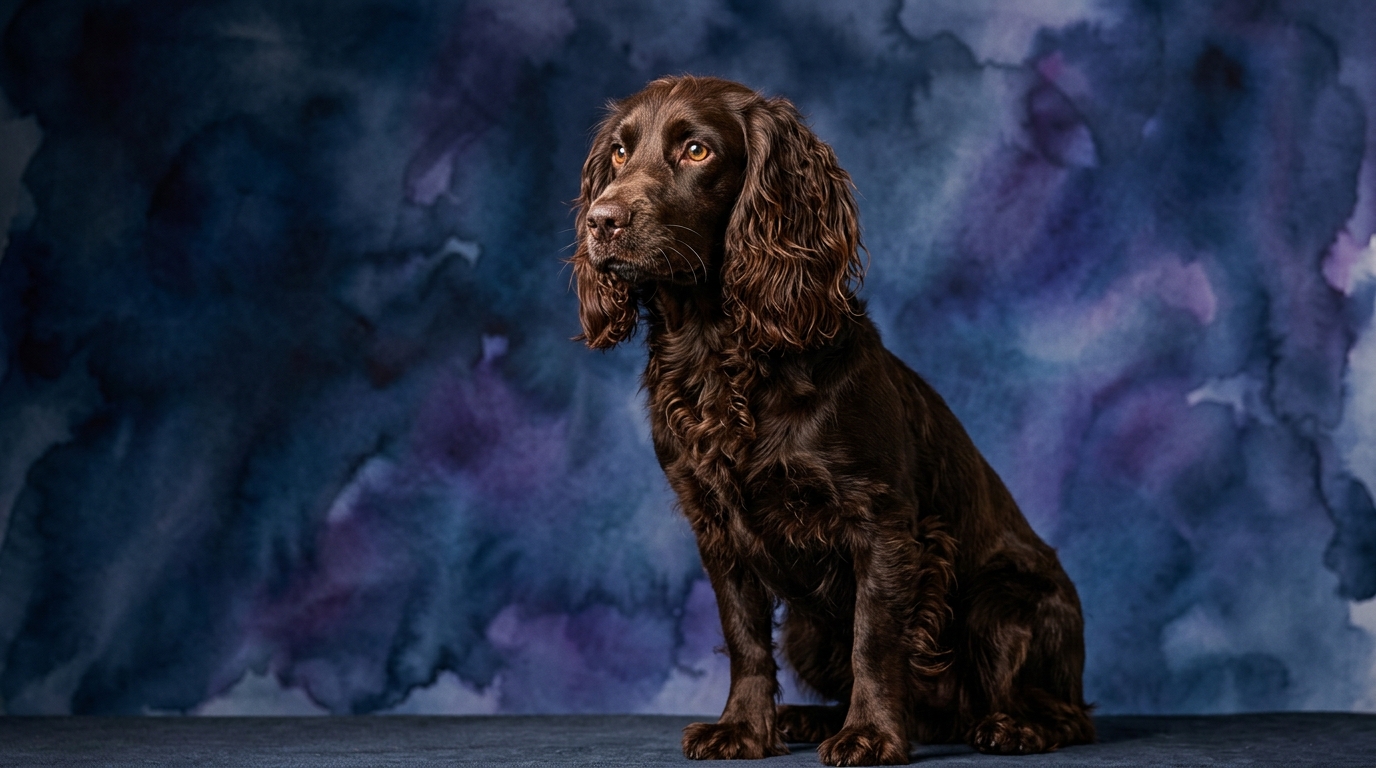
The Boykin Spaniel, a Southern gentleman of the Sporting Group, was bred to be an agile, persistent retriever in the swamps and lakes of South Carolina. Their Problem Solving (3/5) is evident in their ability to navigate complex terrain to find downed game, often requiring quick decisions and adaptability in a dynamic environment. Their Training Speed (3/5) reflects an eagerness to please their handler, coupled with a moderate level of distractibility when their strong prey drive is engaged. Social Intelligence (3/5) for a Boykin means they are generally attuned to their family's moods and cues, thriving on companionship but also possessing a degree of independence. Their Instinctive Drive (3/5) is overwhelmingly focused on retrieving, swimming, and flushing, making them highly motivated by these activities. Lastly, their Memory (3/5) allows them to retain training commands and routines effectively, though a compelling scent or sight can sometimes temporarily override recall.
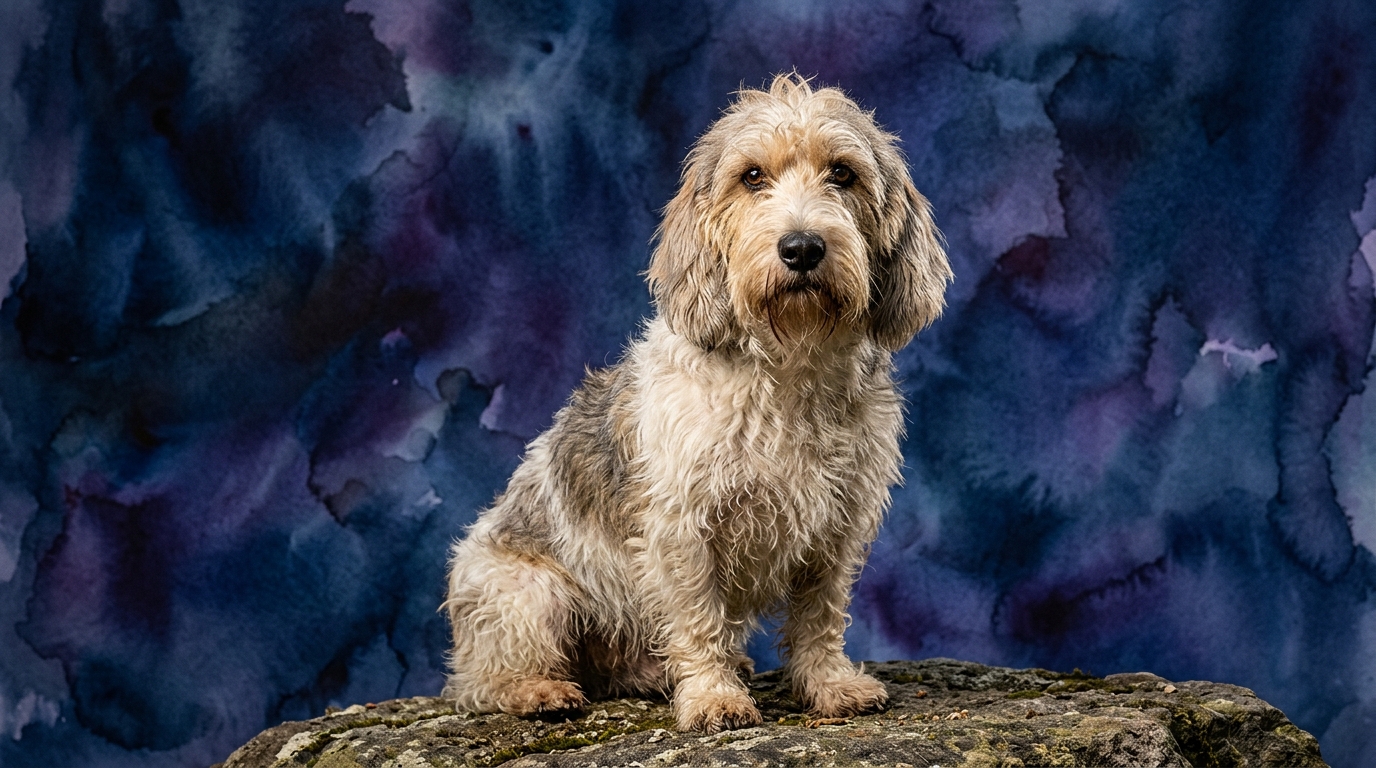
Conversely, the Petit Basset Griffon Vendéen, a boisterous and charming member of the Hound Group from France, was developed to track rabbits and hares through dense undergrowth. Their Problem Solving (3/5) is acutely specialized in scent discrimination and following a complex trail, demonstrating remarkable persistence and analytical skill in piecing together olfactory information. Their Training Speed (3/5) is often challenged by their independent nature and overwhelming scent drive; they learn, but often on their own terms or when the reward is highly enticing. Social Intelligence (3/5) in a PBGV manifests as an outgoing, friendly disposition towards both humans and other dogs, though their primary 'social' interaction might be with a compelling scent trail. Their Instinctive Drive (3/5) is almost entirely dedicated to tracking, baying, and exploring with their nose, a relentless pursuit that defines their existence. Their Memory (3/5) is exceptional for scent trails, remembering where they left off or where a particular smell was strongest, but their memory for human-centric commands might be less consistently applied when their nose takes over.
Where the Boykin Spaniel Shines Cognitively
The Boykin Spaniel's cognitive strengths lie in their cooperative intelligence, a hallmark of many sporting breeds. Their 3/5 problem-solving ability is particularly effective in tasks requiring collaboration with a human partner, such as intricate retrieving drills or navigating agility courses where precise, rapid responses to handler cues are paramount. They excel at understanding and executing multi-step commands, demonstrating a practical intelligence geared towards achieving a shared objective. This breed often exhibits superior spatial awareness and adaptability in varied environments, quickly assessing the best route to a target or adjusting their approach based on changing conditions. Their memory, while rated 3/5, is often more reliably applied to structured learning and recall in a controlled setting, making them more predictable in obedience contexts where consistency is key. They possess a keen understanding of cause-and-effect related to human interaction, learning which behaviors elicit desired responses from their owners.
Where the Petit Basset Griffon Vendéen Excels Cognitively
The Petit Basset Griffon Vendéen's cognitive prowess is deeply rooted in their specialized sensory intelligence, primarily their extraordinary olfactory capabilities. Their 3/5 problem-solving is unparalleled when it comes to deciphering complex scent puzzles, displaying an analytical persistence to differentiate faint trails, follow intricate patterns, and locate hidden objects solely by smell. This isn't just a strong nose; it's a sophisticated cognitive process involving memory, discrimination, and sustained focus that many other breeds cannot match. Their social intelligence, while expressed differently, gives them an advantage in group dynamics where vocal communication (baying, howling) is used to alert the 'pack' to discoveries, a nuanced form of information sharing. Furthermore, their memory, also rated 3/5, is exceptionally acute for scent-related information, allowing them to revisit and pick up a trail hours later or remember specific scents associated with different locations. Their determination in pursuit of a scent demonstrates a unique form of cognitive tenacity.
Training Dynamics: A Tale of Cooperation vs. Independence
When it comes to training, the core behavioral differences between these two breeds become starkly apparent, despite their identical 3/5 training speed scores. The Boykin Spaniel is generally considered easier to train for traditional obedience. Their heritage as a cooperative hunting partner means they possess an inherent desire to work with their handler and a strong motivation to please. They respond well to positive reinforcement, praise, and the opportunity to engage in retrieving games. While their instinctive drive can lead to momentary distractions, their focus can often be redirected with consistent, engaging training sessions. Their ability to form a strong bond with their owner translates into a greater willingness to comply with commands, making them suitable for various dog sports like agility, obedience, and hunt tests where precision and responsiveness are crucial.
In contrast, training a Petit Basset Griffon Vendéen often requires a different approach, characterized by immense patience, creativity, and a deep understanding of their hound nature. Their powerful scent drive and independent spirit mean that their nose frequently overrides their ears. A compelling smell can render them temporarily deaf to commands, making recall a particular challenge in unfenced areas. While they are intelligent, their problem-solving is geared towards scent work, not necessarily human-centric directives. Training needs to be highly rewarding, engaging their natural instincts, and often involves incorporating scent games to keep them motivated. They respond best to short, fun sessions and can be stubborn if forced, requiring a handler who can make training feel like their idea. Their social intelligence means they enjoy company, but their primary focus remains their olfactory world, demanding an owner who can channel this drive rather than suppress it.
Matching Canine Companions to Owner Lifestyles
Both the Boykin Spaniel and the Petit Basset Griffon Vendéen are active dogs, but the *nature* of their activity differs, making them suitable for distinct types of owners. The Boykin Spaniel thrives with active owners who enjoy structured outdoor activities and seek a true partner in their adventures. They are ideal for individuals or families involved in hunting, retrieving, swimming, hiking, or dog sports like agility, dock diving, or competitive obedience. Their need for both physical exertion and mental stimulation means they require daily engagement that often involves learning new tasks or refining old ones. They are less suited for entirely relaxed owners, as boredom can lead to destructive behaviors, but they are adaptable enough to enjoy a quiet evening indoors after a fulfilling day.
The Petit Basset Griffon Vendéen, while equally active, suits owners who are fascinated by the natural world and are prepared for a more independent, exploratory companion. They are perfect for owners who love long, meandering walks where sniffing is the main event, or for those interested in scent work, tracking, or earthdog trials. Their energy is less about explosive bursts and more about enduring, persistent exploration. A PBGV requires significant mental enrichment tied to their nose, and owners must understand that a 'walk' for a PBGV is primarily a 'sniffari.' They are not suitable for sedentary lifestyles, as their strong drive and vocal nature will become problematic without appropriate outlets. Owners must embrace their independent spirit and provide ample opportunities for them to use their incredible sense of smell, even if it means sacrificing perfect heel work on every outing.
The Verdict
Choose the Boykin Spaniel if you seek a cooperative partner for dynamic activities like hunting, retrieving, or dog sports, valuing a companion who thrives on shared tasks and responds readily to direction.
Opt for the Petit Basset Griffon Vendéen if you are fascinated by the world of scent, enjoy long, exploratory walks, and possess the patience to channel a determined, independent spirit into engaging, nose-driven activities.
🧠 Find Your Pet's IQ Score
Our Pet IQ Lab assessment covers 25+ tests across 5 cognitive dimensions — personalized to your breed.
Take the Full IQ Test →Frequently Asked Questions
Are Boykin Spaniels good family dogs?
Yes, Boykin Spaniels are generally amiable and eager to be part of family life, often forming strong bonds with children and other pets when properly socialized and exercised. They thrive on companionship and enjoy being involved in family activities.
Do Petit Basset Griffon Vendéens bark a lot?
PBGVs are known for being quite vocal, using a variety of barks, howls, and baying to communicate, especially when excited, tracking a scent, or alerting their owners. Their vocalizations are a natural part of their hound heritage.
Can a PBGV live in an apartment?
While adaptable, a PBGV requires extensive daily exercise and mental stimulation, particularly scent work, making apartment living challenging without a dedicated owner committed to fulfilling these needs outside the home. They need ample opportunity to explore and sniff.