
Side-by-Side IQ Profile: A Cognitive Blueprint
The Cosmic Pet Pet IQ Lab's assessment provides a detailed look into the cognitive architecture of each breed across five crucial dimensions. For the Boykin Spaniel, we observe a consistently balanced profile, with a rating of 3 out of 5 across all categories. This indicates a steady, reliable cognitive approach rather than extreme peaks in any single area. Their problem-solving ability is functional, allowing them to navigate routine challenges and learn from experience, though they may not be the first to devise novel solutions to complex puzzles. Training speed is moderate, meaning they absorb new commands and routines with consistent repetition and positive reinforcement, progressing steadily through their learning journey. Social intelligence is sound, enabling them to read human cues and integrate smoothly into family dynamics without excessive complexity in their social interactions. Instinctive drive is present and purposeful, reflecting their heritage as working gundogs, focused on cooperative efforts in the field. Their memory is reliable, retaining learned behaviors and experiences over time, though occasional refreshers help solidify less frequently used information.
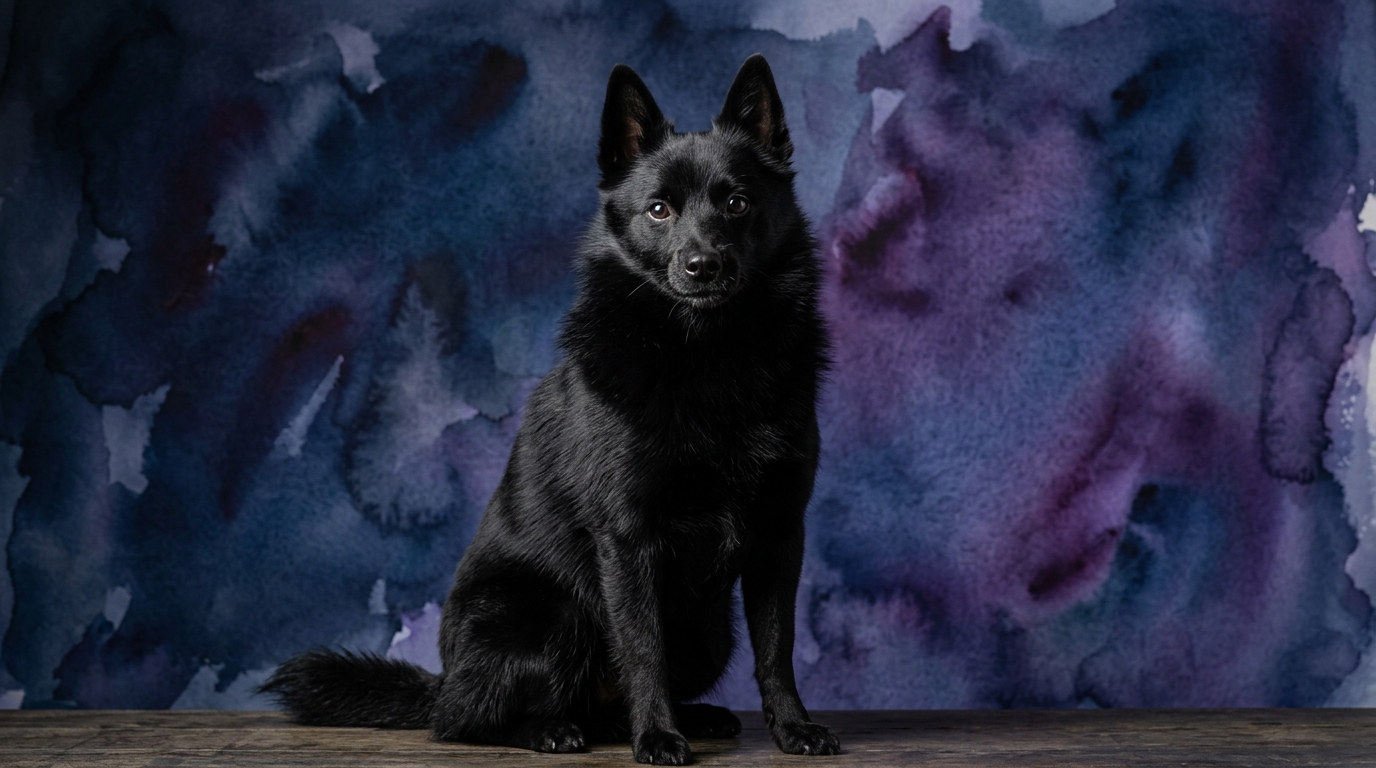
The Schipperke, in contrast, presents a more distinct cognitive profile, marked by exceptional strengths in specific areas. They achieve a remarkable 5 out of 5 in problem-solving, indicating a highly resourceful and analytical mind capable of independent thought and strategic action. Their training speed also rates a perfect 5 out of 5, signifying an astonishing capacity to grasp new commands and concepts with minimal repetition, often appearing to anticipate their handler's intentions. Memory, too, is outstanding at 5 out of 5, allowing them to retain vast amounts of information, from complex sequences to past successes and failures, which further fuels their problem-solving abilities. In social intelligence and instinctive drive, the Schipperke registers a 3 out of 5, similar to the Boykin Spaniel. This suggests a practical understanding of social cues and a moderate, focused set of instinctive behaviors, perhaps related to their historical role as barge dogs and ratters, but without the intense, cooperative drive seen in many sporting breeds.
Where the Boykin Spaniel Shines Cognitively
While the Schipperke showcases impressive cognitive peaks, the Boykin Spaniel's strength lies in its harmonious and consistent cognitive blend, particularly within its working context. Their instinctive drive (3/5) is perfectly aligned with their purpose, manifesting as a strong, sustained desire for retrieving and working closely with a handler in the field. This drive provides a focused energy source for tasks such as flushing game and bringing back waterfowl, making them highly effective within their niche without overthinking or deviating. Their moderate problem-solving (3/5) ensures they can adapt to the practicalities of a hunt without getting distracted by overly complex solutions, focusing instead on the task at hand. This means a Boykin Spaniel is less likely to 'outsmart' its handler in a working scenario, instead applying its learned skills reliably and cooperatively. They are not prone to independent, self-serving cognitive detours, preferring to engage as a partner in a shared objective. This balanced cognitive profile fosters a predictable and dedicated work ethic, which is invaluable for owners seeking a consistent, eager-to-please companion for specific outdoor pursuits.
Where the Schipperke Excels Cognitively
The Schipperke's cognitive profile reveals a breed exceptionally gifted in areas demanding mental agility and independent thought. Their problem-solving prowess (5/5) is particularly striking, allowing them to rapidly assess novel situations and concoct solutions, whether it's figuring out how to open a child-proof gate or strategically maneuvering to claim a coveted spot on the sofa. This isn't mere obedience; it’s an active, independent application of their cognitive faculties. Coupled with their lightning-fast training speed (5/5), Schipperkes can master complex sequences, tricks, and advanced obedience commands with remarkable alacrity. They often require fewer repetitions than many other breeds to commit new information to memory. Their outstanding memory (5/5) ensures that once a lesson is learned, or a clever strategy is devised, it is retained for the long term. This combination of swift learning, deep retention, and inventive problem-solving makes the Schipperke a formidable intellectual partner, capable of surprising their owners with their ingenuity and capacity for learning.
Training Dynamics: Which Breed is Easier and Why?
When considering ease of training, the distinction between these two breeds becomes quite clear, though 'easier' depends on an owner's approach and expectations. The Schipperke, with its 5/5 training speed and 5/5 memory, will undoubtedly pick up new commands and concepts at an astonishing pace. They are quick studies, often grasping the intent behind a cue after just a few repetitions. However, this cognitive brilliance comes with a caveat: their exceptional problem-solving (5/5) can lead to an independent streak. A Schipperke might quickly learn what you want, but then assess if complying is in their best interest, or if there's a more interesting 'problem' to solve. Training a Schipperke demands engagement, variety, and mental stimulation to prevent boredom and harness their sharp wit constructively. They thrive on challenge but can become willful if training is repetitive or lacks purpose in their eyes.
The Boykin Spaniel, conversely, learns at a more moderate pace, with a training speed of 3/5 and memory of 3/5. They require more consistent repetition and patience to solidify new behaviors. However, their moderate social intelligence (3/5) and instinctive drive (3/5) for cooperative work often translate into a more straightforward willingness to please. Once a Boykin Spaniel understands a command, they are generally reliable in their execution, driven by a desire to work alongside their handler rather than outmaneuver them. Their training journey might be longer, characterized by steady progress, but potentially less fraught with the 'negotiations' that can arise with a highly independent problem-solver like the Schipperke. For owners who value consistency and cooperation over lightning-fast acquisition, the Boykin Spaniel can be a very rewarding training partner, especially in activities aligned with their natural aptitudes.
Matching Lifestyles: Active vs. Relaxed Owners
Both the Boykin Spaniel and the Schipperke are active breeds that require regular engagement, making neither truly suitable for a genuinely relaxed, sedentary owner. However, their specific needs diverge in ways that can better match different types of active lifestyles. The Boykin Spaniel, a Sporting breed, possesses energy geared towards sustained physical activity, particularly in outdoor environments. They thrive on opportunities for retrieving, swimming, long walks, and field work. An active owner who enjoys hiking, hunting, competitive dog sports like dock diving or obedience, and values a consistent, cooperative partner for these endeavors will find the Boykin Spaniel an exceptional match. Their cognitive needs are primarily met through physical engagement and working alongside their handler in purposeful activities.
The Schipperke, while also requiring physical exercise, has a more pronounced need for mental stimulation due to their high problem-solving and memory scores. Their energy isn't just physical; it's a mental drive that demands outlets. Active owners who relish engaging their dog's mind as much as their body will thrive with a Schipperke. This means incorporating activities like agility, complex puzzle toys, advanced trick training, and consistent, varied obedience sessions to prevent boredom-induced mischief. A Schipperke will challenge its owner to be creative in their engagement, making them ideal for individuals who enjoy a dog that thinks, strategizes, and actively participates in problem-solving games. A more relaxed owner who cannot provide this dual physical and mental outlet may find a Schipperke's ingenuity turns into destructive behavior or excessive vocalization.
The Verdict: When to Choose Each Breed
The Verdict
Choose a Boykin Spaniel if you desire a steady, cooperative companion for outdoor adventures and field work, valuing a consistent, eager-to-please temperament over lightning-fast learning. They are ideal for owners who appreciate a dog that excels in purposeful, cooperative tasks and enjoys a predictable, affectionate partnership.
Choose a Schipperke if you relish a cognitive challenge and enjoy engaging a quick-witted, resourceful companion in complex training and brain games, and are prepared for a dog that learns rapidly but may also test boundaries. They are best for active owners who can provide ample mental stimulation and appreciate a dog with an independent, inventive mind.
🧠 Find Your Pet's IQ Score
Our Pet IQ Lab assessment covers 25+ tests across 5 cognitive dimensions — personalized to your breed.
Take the Full IQ Test →Frequently Asked Questions
Is the Boykin Spaniel difficult to train?
No, Boykin Spaniels are not difficult to train, but they learn at a moderate pace, requiring consistent positive reinforcement and patience. Their willingness to please, especially in activities related to their sporting instincts, makes them cooperative learners who respond well to a structured approach.
Do Schipperkes need a lot of mental stimulation?
Yes, Schipperkes possess exceptional problem-solving abilities and memory, which necessitates significant mental engagement to prevent boredom and destructive behaviors. Puzzle toys, advanced obedience, agility sports, and varied training sessions are excellent ways to satisfy their sharp minds and keep them constructively occupied.
Are Boykin Spaniels good family dogs?
Boykin Spaniels typically make wonderful family dogs, known for their affectionate nature and adaptability within a family setting. Their moderate social intelligence allows them to integrate well with children and other pets, though their energy still requires adequate exercise and engagement to ensure they are calm and content indoors.