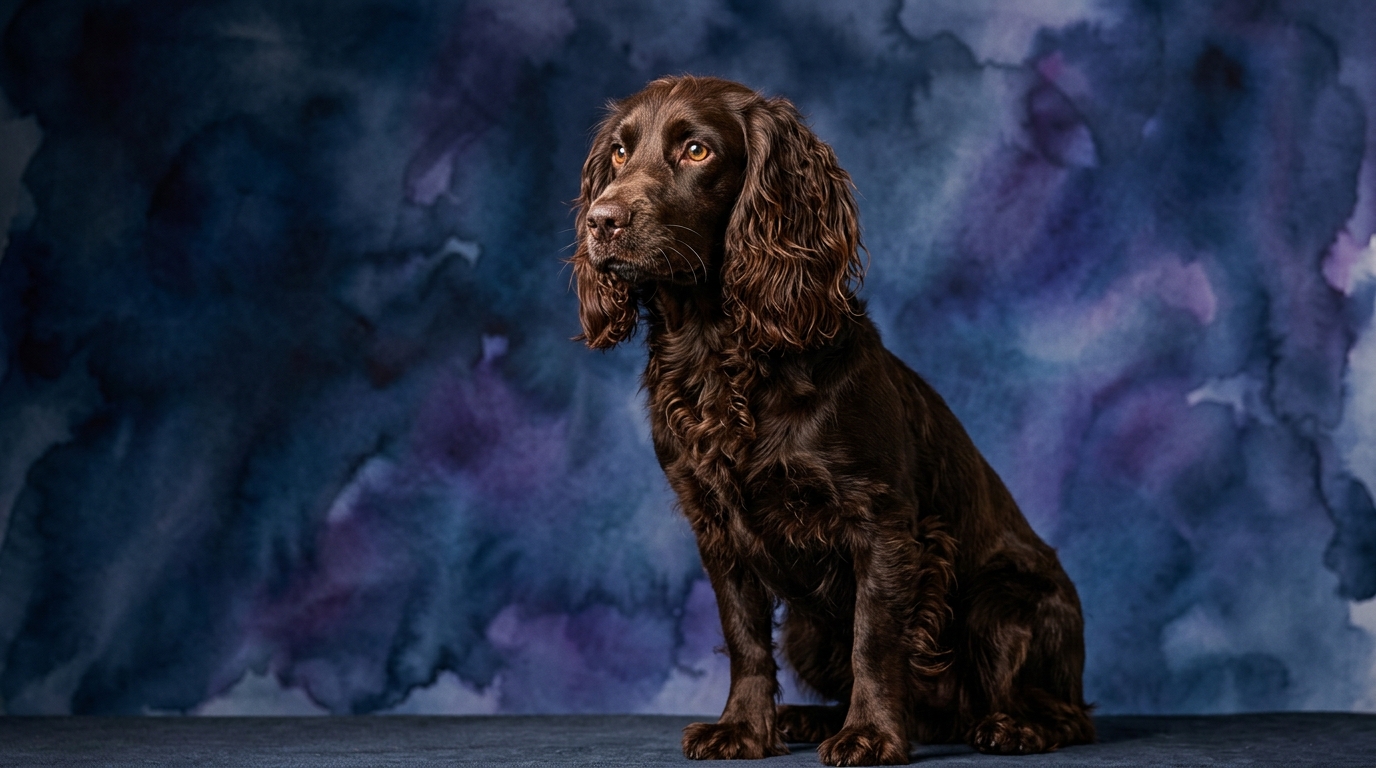
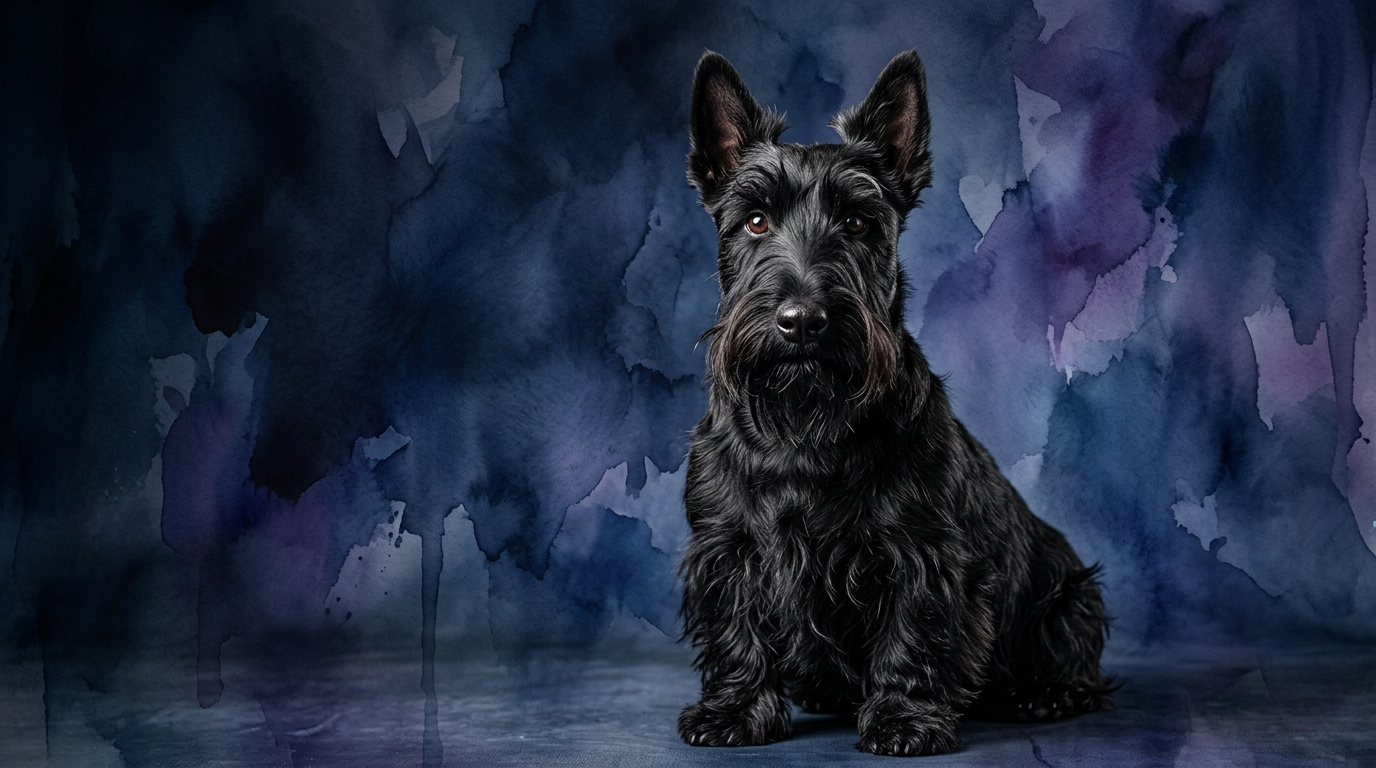
Side-by-Side IQ Profile
The Boykin Spaniel, a Sporting group dog, exhibits a cognitive profile tailored to cooperative work and directed tasks. Their Problem Solving score of 3/5 reflects an aptitude for practical challenges related to retrieving or navigating varied terrains under guidance, demonstrating a focused, functional intellect rather than abstract reasoning. Training Speed, also 3/5, benefits from their eagerness to please and cooperative nature, making them generally responsive to consistent positive reinforcement, especially when tasks align with their natural instincts. Social Intelligence (3/5) highlights their attunement to human moods and intentions, thriving on interaction and readily interpreting handler cues, which fosters effective partnership. Their Instinctive Drive (3/5) is powerfully geared towards retrieving, swimming, and scenting, guiding them to perform their bred-for tasks with unwavering focus and endurance. Finally, their Memory (3/5) is reliable for learned commands, routines, and the locations of retrieved items, crucial for consistent performance in the field and predictability in a home environment.
The Scottish Terrier, a Terrier group dog with a Coren rank of #65, presents a distinct cognitive approach. Their Problem Solving score of 3/5 manifests as a resourceful, independent capability, particularly when achieving self-motivated goals like investigating a scent or accessing a desired object. Their solutions often reflect a tenacious and self-reliant nature. Training Speed, also 3/5, indicates they can learn efficiently but often require a handler who understands their independent spirit; their willingness to comply can depend on their perception of a command's value or their mood. Social Intelligence (3/5) is characterized by observation rather than overt eagerness, as they understand household dynamics but may choose to interact on their own terms, exhibiting a dignified aloofness. Their Instinctive Drive (3/5) is deeply rooted in their terrier heritage, manifesting as a strong prey drive, a persistent digging instinct, and territorial awareness, often compelling them to act on their impulses with determination. Their Memory (3/5) is good for established routines, past experiences, and strategies that have yielded desired outcomes, influencing future behavior based on what works for them.
Where Boykin Spaniel Wins Cognitively
Boykin Spaniels demonstrate a cognitive edge in collaborative tasks and sustained focus under direction. Their inherent biddability and eagerness to work alongside a human partner mean they process and respond to commands with a natural fluidity, making complex sequential tasks, like multi-stage retrieves, more accessible. This cooperative spirit is a distinct advantage when the goal requires a dog to consistently follow human leadership and adapt to changing instructions in real-time, leveraging their social intelligence for shared objectives.
Where Scottish Terrier Wins Cognitively
Scottish Terriers often display superior cognitive strengths in independent decision-making and persistent pursuit of self-identified goals. Their problem-solving, though rated similarly, is often applied to tasks where they must strategize and act without direct human input, such as cornering a perceived critter or figuring out an escape route. This self-reliance, combined with their instinctive drive, allows them to navigate challenges with an unwavering resolve that can be less common in breeds bred for close cooperation.
Which is Easier to Train and Why
The Boykin Spaniel generally proves easier to train for a typical pet owner due to their inherent desire to please and their cooperative disposition. They are often more receptive to cues and readily engage in training sessions, viewing them as opportunities for interaction and positive reinforcement. Their working background means they are bred to take direction, making them more pliable and quicker to internalize commands.
The Scottish Terrier, while capable of learning, presents a greater training challenge owing to their independent and sometimes stubborn nature. They often require a more patient, consistent, and creative approach from their handler, as they are less inclined to blindly obey if they perceive a command as unnecessary or uninteresting. Their strong will means training often involves convincing them that cooperation is their idea or offers a desirable reward.
Which Suits Active Owners vs Relaxed Owners
Boykin Spaniels are better suited for active owners who enjoy outdoor pursuits, particularly those involving water, hiking, or field activities. Their energetic nature and strong retrieving drive necessitate regular, vigorous exercise and mental stimulation that aligns with their working heritage. An owner who can provide consistent engagement and outlets for their natural instincts will find a Boykin to be a joyous and fulfilling companion.
Scottish Terriers can adapt to slightly less active lifestyles, making them a better fit for owners who appreciate a dog with a robust personality but might prefer shorter, structured walks over extensive field excursions. While they still require daily exercise and mental engagement to prevent boredom, their independent nature means they may be content with more focused playtime rather than continuous high-impact activity. They thrive with owners who understand their need for personal space and respect their dignified demeanor.
The Verdict
Opt for a Boykin Spaniel if you are an active individual or family seeking a cooperative, energetic companion eager to participate in outdoor adventures and structured activities, valuing a dog that thrives on shared purpose.
Select a Scottish Terrier if you appreciate an independent, tenacious, and characterful companion who offers unwavering loyalty on their own terms, suitable for owners who enjoy a dog with strong personality and are prepared for a more self-directed intellect.
🧠 Find Your Pet's IQ Score
Our Pet IQ Lab assessment covers 25+ tests across 5 cognitive dimensions — personalized to your breed.
Take the Full IQ Test →Frequently Asked Questions
Do Boykin Spaniels make good family pets?
Yes, Boykin Spaniels typically make affectionate and loyal family pets, especially if their exercise and mental stimulation needs are met. They are generally good with children and other pets when properly socialized, thriving on being an integrated part of the family unit.
Are Scottish Terriers good with children or other animals?
Scottish Terriers can be good with older, respectful children and may tolerate other pets, particularly if raised with them from a young age. However, their independent and sometimes territorial nature means they might prefer a quieter household and require careful introductions to other animals.
What kind of mental stimulation do these breeds need?
Boykin Spaniels thrive on retrieving games, scent work, and learning new tricks that engage their working drive. Scottish Terriers benefit from puzzle toys, short training sessions that challenge their independent problem-solving, and opportunities for supervised “hunting” games, channeling their natural instincts.