Side-by-Side Cognitive Profiles
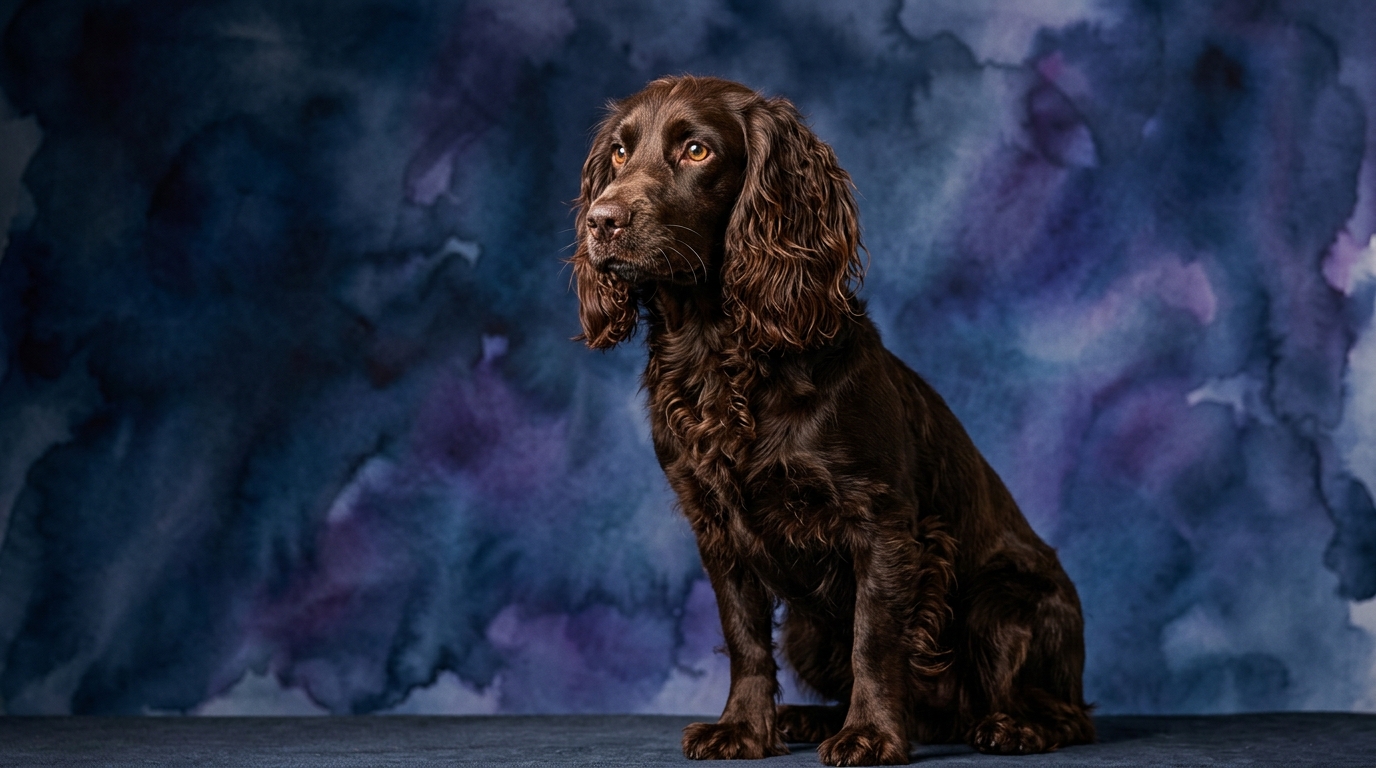
The Cosmic Pet Pet IQ Lab assesses canine intelligence across five key dimensions, and interestingly, both the Boykin Spaniel and the Treeing Walker Coonhound register a consistent 3/5 score in each category. This identical numerical rating, however, belies distinct applications of these cognitive strengths rooted in their breed purposes. For the Boykin Spaniel, a sporting dog bred for flushing and retrieving birds in dense cover and water, a 3/5 in Problem Solving indicates an ability to navigate complex terrain and adapt to changing hunt scenarios, such as locating fallen birds or adjusting to varying water currents. Their 3/5 Training Speed reflects a moderate pace of learning commands essential for field work, coupled with a willingness to cooperate. Social Intelligence at 3/5 means they are generally adept at reading handler cues and integrating into family life, while their 3/5 Instinctive Drive points to a reliable urge to retrieve and flush game. Memory, also at 3/5, allows them to recall specific locations, learned commands, and handler routines.
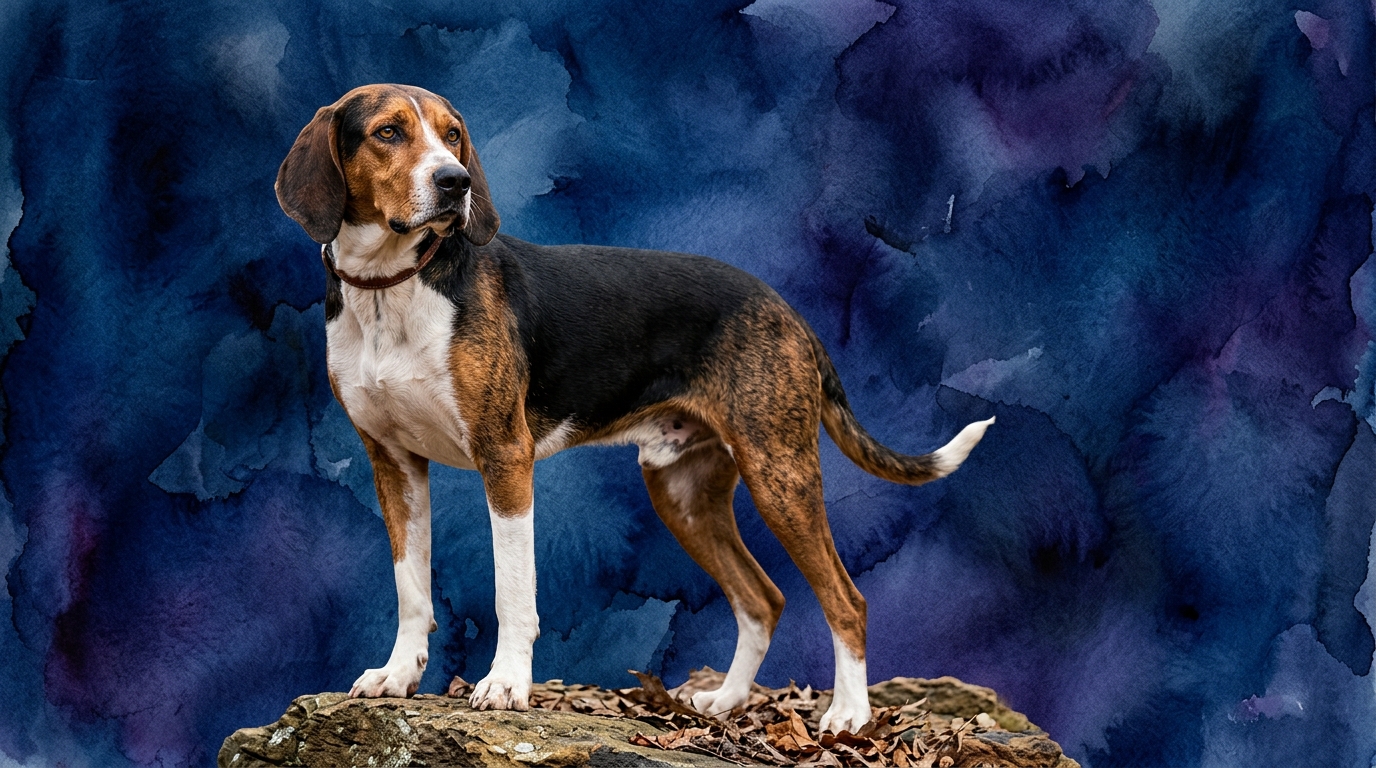
Conversely, the Treeing Walker Coonhound, a hound breed developed for tracking and treeing raccoons and other game, applies its 3/5 scores differently. Their Problem Solving at 3/5 translates to an exceptional capacity for deciphering intricate scent trails, navigating challenging environments independently, and strategizing how to 'tree' their quarry. A 3/5 in Training Speed highlights their ability to learn specific hunting signals and tracking techniques, although their independent nature might require more patience. Their Social Intelligence at 3/5 means they comprehend pack dynamics well and can communicate effectively with their handler during a hunt, but their primary focus is often on the task at hand rather than constant human interaction. The 3/5 Instinctive Drive is powerfully expressed through their relentless pursuit of scent and the characteristic 'treeing' behavior. Finally, their 3/5 Memory enables them to recall specific scent patterns, remember complex routes, and retain training relevant to their hunting pursuits.
Where the Boykin Spaniel Excels Cognitively
Despite sharing identical numerical scores, the Boykin Spaniel's cognitive strengths tend to shine in tasks requiring close, cooperative engagement and rapid response to human direction. Their 3/5 Problem Solving, when paired with their 3/5 Social Intelligence, allows them to excel in situations where the handler is an integral part of the problem-solving process. For instance, a Boykin might more readily interpret a hand signal to retrieve a bird from a specific, challenging location, demonstrating an agile mental shift between independent action and handler-guided strategy. This breed's 3/5 Training Speed is often leveraged for a broad repertoire of commands necessary for a versatile sporting dog, indicating a cognitive framework that prioritizes understanding and executing a diverse set of instructions in varied scenarios, from land retrieves to water work. Their memory is particularly effective for remembering the location of multiple retrieves or complex patterns of a field trial, showcasing a cognitive advantage in tasks that demand sequential recall and adaptability within a structured environment.
Where the Treeing Walker Coonhound Excels Cognitively
The Treeing Walker Coonhound's cognitive strengths are markedly geared towards independent, persistent, and sensory-driven problem-solving. Their 3/5 Problem Solving and 3/5 Instinctive Drive combine to create a formidable tracker, capable of unraveling complex scent puzzles over vast distances and varied terrain without constant human intervention. A TWC's cognitive edge lies in its sustained focus on a single sensory input – a scent trail – and its ability to mentally map a path through challenging environments based on that input. This requires a different kind of problem-solving than a spaniel's, emphasizing endurance and singular determination. Their 3/5 Memory is particularly strong for recalling specific scent profiles and the intricacies of past trails, allowing them to learn and improve their tracking efficiency over time. While their Social Intelligence is 3/5, it manifests more as an understanding of their role within a hunting 'pack' and communicating their progress through vocalizations, rather than a constant desire for human approval, highlighting a cognitive architecture built for autonomous work.
Ease of Training: Behavioral Nuances
When considering ease of training, the Boykin Spaniel generally presents a more straightforward path for the average owner, largely due to their inherent desire for partnership. Their 3/5 Training Speed is often paired with a cooperative temperament, meaning they typically respond well to positive reinforcement and consistency, readily absorbing commands that involve working closely with their handler. Boykins are often eager to please and find satisfaction in performing tasks as directed, which makes them receptive to various forms of obedience and specialized training. Their strong social intelligence means they are attuned to human feedback, often anticipating expectations.
The Treeing Walker Coonhound, while possessing a 3/5 Training Speed, often requires a different approach due to their independent nature and powerful instinctive drive. Their primary motivation often lies in following a scent, and this deep-seated instinct can override a desire to comply with human commands if a compelling trail is present. Training a TWC demands exceptional patience, consistency, and a deep understanding of their hound mentality. While they can learn commands, their application in real-world scenarios might be conditional on the absence of distracting scents. Owners often need to work harder to make themselves more compelling than the environment, channeling their 3/5 problem-solving into human-directed tasks rather than purely scent-driven ones.
Suitability for Active vs. Relaxed Owners
Both breeds are undeniably active, but the *nature* of their activity preferences dictates their suitability for different lifestyles. The Boykin Spaniel thrives with owners who can provide structured, interactive activity. Their energy is best channeled through regular games of fetch, swimming, long walks, and participation in dog sports like agility or obedience. An owner who enjoys outdoor pursuits and wants a canine companion to share those experiences, particularly those involving cooperative tasks, will find a Boykin Spaniel to be an excellent match. They are generally content after a good workout, settling down indoors with their family, demonstrating a balanced energy level that adapts to both vigorous activity and calm companionship.
The Treeing Walker Coonhound, conversely, requires owners who understand and can accommodate their boundless, often independent, energy and powerful scent drive. They are not content with a simple walk around the block; they need opportunities to explore with their nose, whether on long hikes, secure off-leash areas, or participating in scent work. A TWC owner must be prepared for a dog whose mental and physical stimulation comes from following a trail, often for extended periods. While they can be affectionate indoors, their 'off switch' is often tied to satisfying their innate need to scent and explore. Relaxed owners might find their persistent drive and vocal nature challenging, as a TWC's idea of relaxation often involves a good, long hunt or an extensive sniff-ari, making them better suited for highly active individuals or those with specific interests in scent work or hunting.
The Verdict
Choose the Boykin Spaniel if you desire a cooperative, versatile companion for structured outdoor activities and a dog that readily integrates into family life with a strong desire to work alongside you.
Opt for the Treeing Walker Coonhound if you are an experienced owner prepared for an independent, scent-driven dog, valuing their relentless tracking abilities and unique vocalizations, and can provide extensive opportunities for them to follow their nose.
🧠 Find Your Pet's IQ Score
Our Pet IQ Lab assessment covers 25+ tests across 5 cognitive dimensions — personalized to your breed.
Take the Full IQ Test →Frequently Asked Questions
Are Boykin Spaniels good family dogs?
Yes, Boykin Spaniels generally exhibit good social intelligence and a cooperative nature, making them adaptable and affectionate companions within a family setting. They form strong bonds and enjoy being included in household activities, especially after their exercise needs are met.
Do Treeing Walker Coonhounds bark a lot?
Treeing Walker Coonhounds are known for their distinct vocalizations, including bays, howls, and chops, which are integral to their hunting work. While not constant, they can be quite vocal, especially when on a scent trail or when under-stimulated, which is a characteristic trait of the breed.
Which breed is better for apartment living?
Neither breed is ideally suited for apartment living without significant commitment to exercise, but the Boykin Spaniel, with its more adaptable energy and cooperative nature, might fare slightly better if their substantial exercise and mental stimulation needs are rigorously met daily. The Treeing Walker Coonhound's independent drive and vocal tendencies make them less suitable for confined spaces.