
Side-by-Side IQ Profile
**Briard (Herding, Coren rank #30):** The Briard exhibits a robust cognitive toolkit, starting with Problem Solving at 4/5, indicating a strong capacity to analyze novel situations and devise effective solutions with agility. Their Training Speed, also 4/5, points to a rapid assimilation of new commands and routines, making them eager and efficient learners. Social Intelligence is rated 3/5, suggesting a solid ability to interpret human cues and integrate into family dynamics, though perhaps with a degree of independent thought. An Instinctive Drive of 3/5 reflects their moderate herding instincts, which translate into a natural inclination to gather and manage. Finally, their Memory, at 4/5, underscores their ability to retain complex sequences of actions and past experiences, contributing to their overall learning prowess.
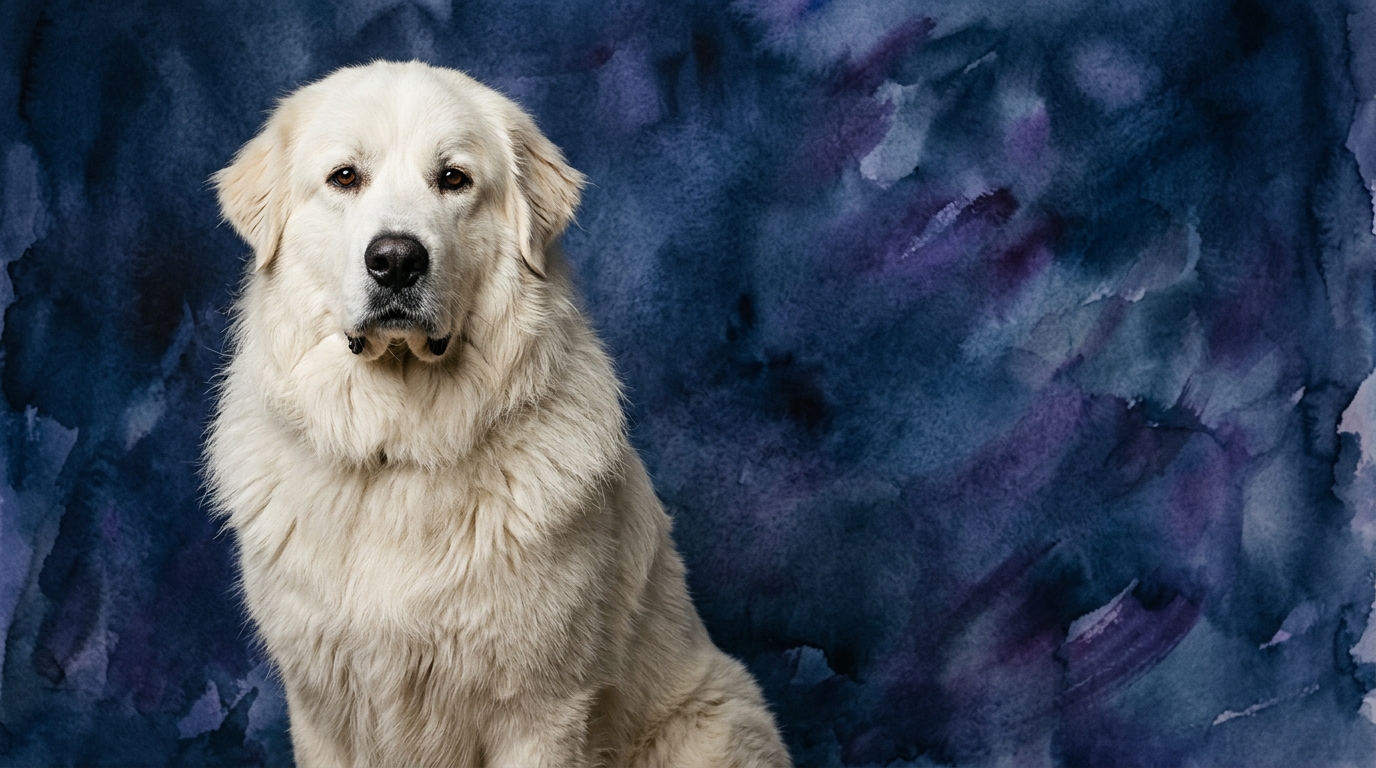
**Great Pyrenees (Working, Coren rank #64):** The Great Pyrenees presents a more deliberate cognitive style, with Problem Solving at 3/5, indicating a thoughtful, often independent, approach to challenges rather than immediate action. A Training Speed of 3/5 suggests they learn at a steady pace, requiring consistent and patient instruction to master new tasks. Their Social Intelligence, also 3/5, means they form strong bonds with their families but maintain a certain reserved independence, typical of a guardian breed. Instinctive Drive, rated 3/5, speaks to their inherent guarding tendencies, prompting them to patrol and protect their charges. Their Memory, at 3/5, is sufficient for retaining commands and recognizing routines, though perhaps not with the same detailed recall as the Briard.
Where Briard Wins Cognitively
The Briard's cognitive edge lies primarily in its speed and adaptability, driven by its 4/5 ratings in Problem Solving and Training Speed. This breed demonstrates a quicker processing of new information, allowing them to grasp complex multi-step commands and adapt to changing environments with greater fluidity. For instance, in a dynamic herding scenario, a Briard can rapidly assess the flock's movement, anticipate changes, and execute precise maneuvers, a testament to their agile problem-solving. Their superior memory (4/5) further enhances this, enabling them to recall intricate sequences of actions or commands, making them highly responsive in obedience or agility contexts. This combination means they are often quicker to generalize learned behaviors to new situations and can handle more varied and intricate mental challenges.
Where Great Pyrenees Wins Cognitively
The Great Pyrenees' cognitive strengths are rooted in their independent, self-reliant nature, essential for their historical role as livestock guardians. While their problem-solving (3/5) might appear less flashy, it is geared towards autonomous decision-making in the absence of human direction. A Pyrenees excels at calmly assessing potential threats and making appropriate, often nuanced, judgments without needing a direct command. For example, they might independently decide when to bark to deter a predator or when to simply observe, relying on their instinctive drive (3/5) and contextual understanding. This capacity for independent reasoning, coupled with their reserved social intelligence (3/5), means they are less prone to panic and can maintain a watchful, steady presence, prioritizing the safety of their charges over immediate human approval. Their cognitive win is in their unwavering, self-directed reliability.
Which is Easier to Train and Why
Based on our IQ profiles, the Briard (Training Speed 4/5) is generally easier to train compared to the Great Pyrenees (Training Speed 3/5). Briards possess a natural eagerness to engage with their handler and a strong desire to perform tasks, which translates into quicker acquisition of commands and a higher motivation for repetitive training sessions. Their superior problem-solving (4/5) allows them to understand the "why" behind an instruction more readily, leading to fewer repetitions needed for mastery. They thrive on mental stimulation and collaborative work, making them highly receptive to positive reinforcement methods and shaping complex behaviors.
In contrast, the Great Pyrenees' independent temperament, a hallmark of their guardian heritage, often means they will weigh a command against their own judgment or perceived necessity. While they are capable of learning, their steady training speed (3/5) requires more patience and consistency from the owner. A Pyrenees might understand a command perfectly but choose not to execute it if they don't see the immediate purpose or if it conflicts with their innate guarding duties. This isn't a lack of intelligence, but rather a difference in cognitive priorities and motivation for compliance.
Which Suits Active Owners vs Relaxed Owners
For owners seeking an active, collaborative canine partner, the Briard is the more fitting choice. Their elevated problem-solving and training speed mean they thrive with consistent mental and physical engagement, excelling in dog sports like agility, obedience, or even advanced trick training. An active owner who enjoys daily structured walks, challenging puzzles, and opportunities for their dog to "think" will find the Briard a fulfilling companion. They require an owner who can channel their herding energy and quick wit into productive activities, preventing boredom and potential behavioral issues.
Conversely, the Great Pyrenees is better suited for more relaxed owners who appreciate a calm, watchful presence and are comfortable with a dog that operates with a significant degree of independence. While they still require regular exercise for their physical health, their mental stimulation needs are often met by patrolling their territory or simply observing their surroundings. They are not typically candidates for high-intensity dog sports, preferring a life of quiet guardianship. Owners who have a secure yard or property for the Pyrenees to oversee will find their independent nature aligns well with their lifestyle, as they are less demanding of constant interaction and structured activity.
The Verdict
Choose the Briard if you desire a highly trainable, agile-minded companion eager for collaborative tasks, dog sports, and daily mental challenges.
Opt for the Great Pyrenees if you value a calm, independent guardian with a steady temperament, capable of autonomous decision-making and content with a more relaxed pace.
🧠 Find Your Pet's IQ Score
Our Pet IQ Lab assessment covers 25+ tests across 5 cognitive dimensions — personalized to your breed.
Take the Full IQ Test →Frequently Asked Questions
Do Briards require a lot of mental stimulation beyond physical exercise?
Yes, Briards, with their high problem-solving and memory scores, thrive on mental challenges. Beyond physical activity, they benefit immensely from puzzle toys, advanced obedience training, and learning new tricks to keep their minds engaged and prevent boredom.
Are Great Pyrenees difficult to train due to their independence?
Great Pyrenees are not difficult to train in the sense of being incapable, but their independence means they require a patient, consistent approach. They learn steadily but may choose to comply based on their own assessment of the situation, rather than immediate obedience.
Which breed is better for a first-time dog owner?
Neither breed is typically recommended for a completely novice owner without prior research. The Briard's high energy and mental needs, and the Great Pyrenees' independence and guarding instincts, both require an owner who understands their specific breed traits and can provide appropriate guidance and training.