Side-by-Side Cognitive Profiles
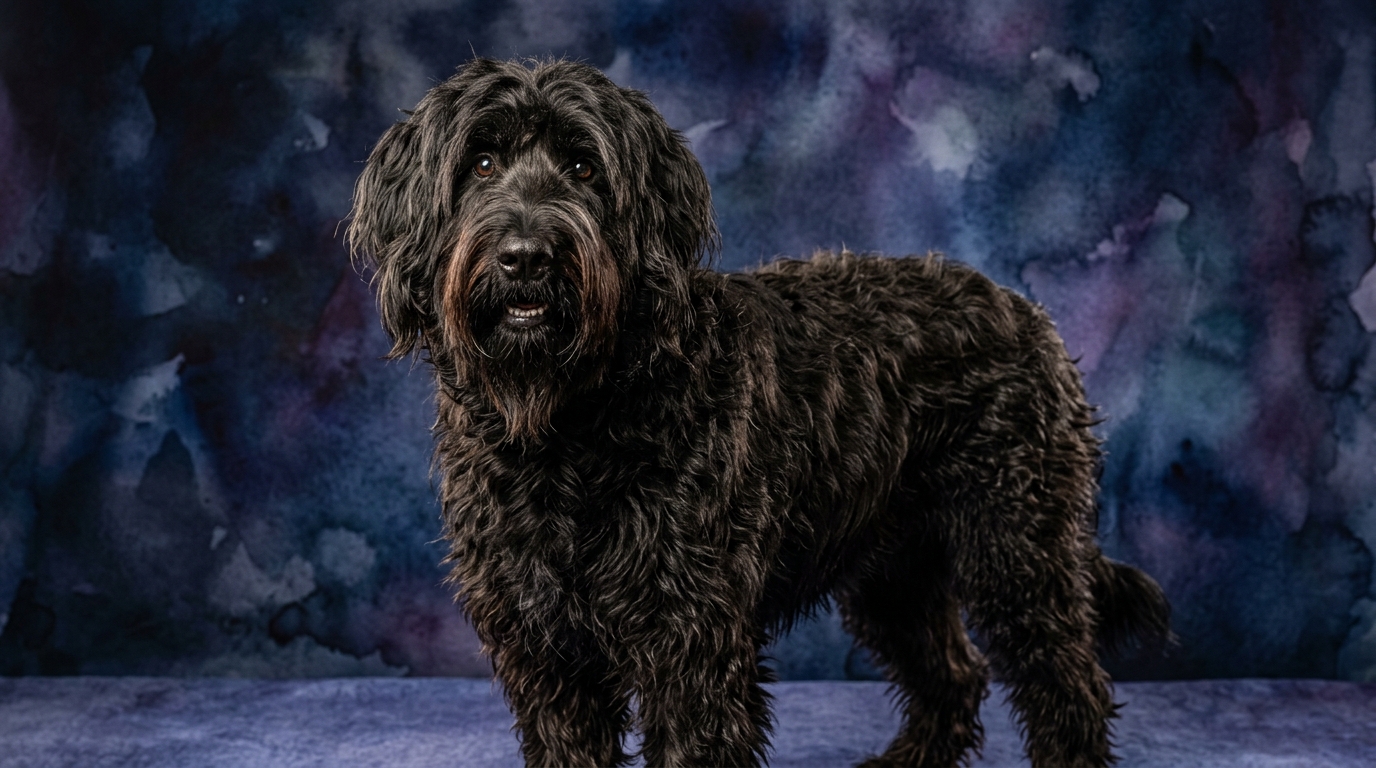
The Briard, a robust herding dog, registers at Coren rank #30, signifying a considerable capacity for working and obedience tasks. Our Pet IQ Lab assesses their Problem Solving at 4/5, reflecting their ability to navigate complex situations typical of herding. Their Training Speed is also a strong 4/5, indicating a quick grasp of new commands and routines. Social Intelligence for the Briard sits at 3/5, suggesting they understand human cues well but might retain a degree of independence. An Instinctive Drive of 3/5 points to a present but manageable herding impulse, while their Memory, at 4/5, allows them to retain a broad range of learned behaviors and experiences.
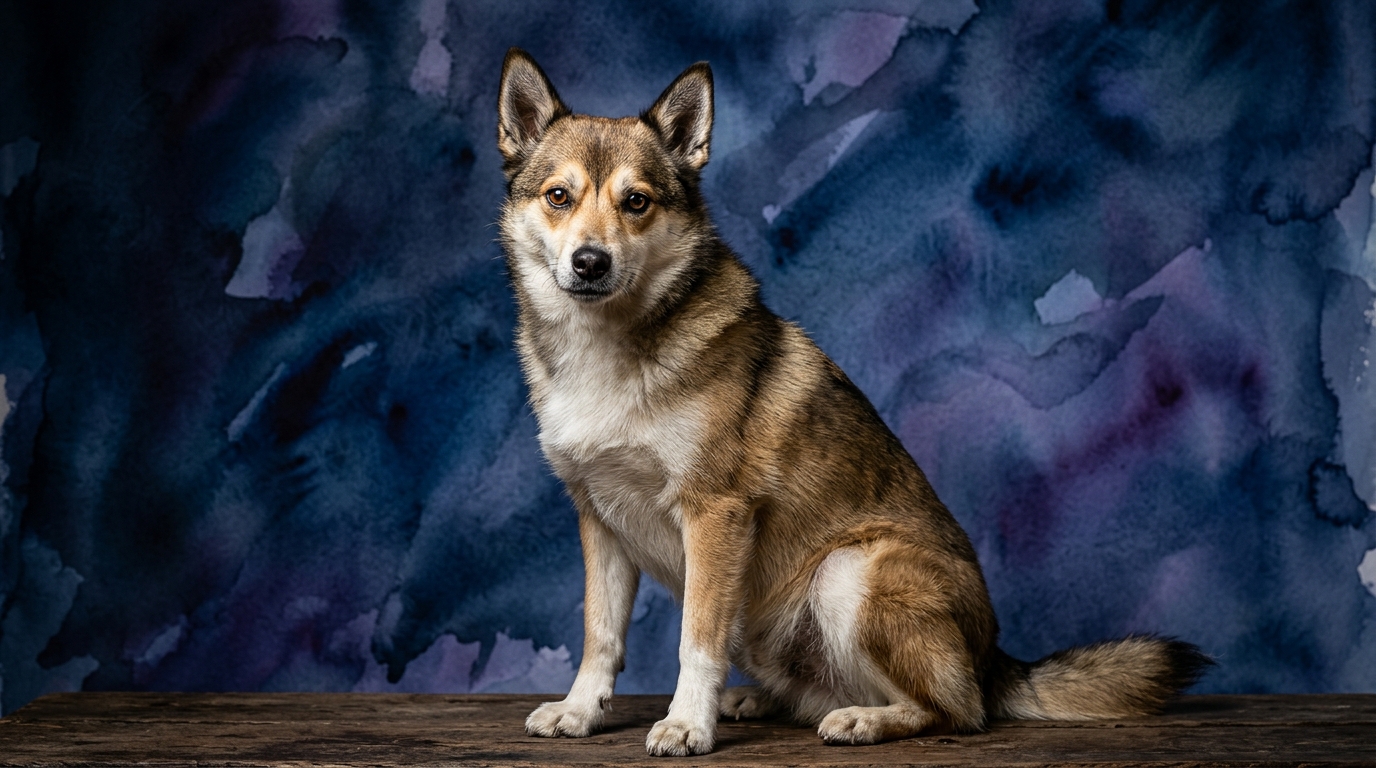
In contrast, the Norwegian Lundehund, a rare non-sporting breed, is not Coren-ranked, a testament to its specialized history rather than a lack of cognitive ability. Their Problem Solving is rated 3/5, capable but perhaps not as broadly adaptable as the Briard. Training Speed is also 3/5, meaning they learn at a moderate pace, often requiring patience and consistent motivation. Their Social Intelligence is 3/5, indicating an ability to connect with humans, albeit with an independent streak. An Instinctive Drive of 3/5 is present, tied to their unique puffin-hunting heritage. Their Memory score of 3/5 suggests they retain information reliably, though perhaps not with the same immediate recall as a higher-scoring breed.
Where the Briard Excels Cognitively
The Briard’s cognitive advantages stem largely from its herding lineage, demanding a high degree of adaptability and foresight. Their Problem Solving score of 4/5 is evident in their capacity to manage and move livestock, a task requiring spatial reasoning, anticipation of animal behavior, and the ability to adjust strategies on the fly. This isn't just about following commands; it's about making independent decisions within a framework, demonstrating a sophisticated understanding of cause and effect.
Furthermore, the Briard’s 4/5 Training Speed sets them apart. They absorb new information and commands with remarkable efficiency, often making connections between actions and desired outcomes swiftly. This rapid learning curve, coupled with their 4/5 Memory, means they not only pick up new skills quickly but also retain them over extended periods, making them proficient in complex obedience routines and multi-step tasks without constant reinforcement. This cognitive architecture makes them exceptionally responsive to structured training environments and capable of mastering a wide repertoire of behaviors.
Unique Cognitive Strengths of the Norwegian Lundehund
While the Norwegian Lundehund's general IQ scores might appear moderate, their cognitive strengths are deeply specialized and historically significant. Their 3/5 Problem Solving, when viewed through the lens of their original purpose—hunting puffins in narrow, rocky crevices—reveals a unique form of intelligence. This involves exceptional proprioception, spatial awareness within extremely confined spaces, and a persistent focus on a singular, complex task. Their ability to navigate challenging terrain, often contorting their bodies in ways other dogs cannot, is a physical manifestation of a highly specialized cognitive strategy for environmental interaction.
The Lundehund’s instinctive drive, also rated 3/5, is similarly specialized. It’s not a generalized prey drive but a focused determination to explore and exploit tight spaces, a behavioral trait directly linked to their hunting methods. This independence, a product of their solitary hunting history, translates into a self-reliance that means they might not always look to a human for solutions. This cognitive independence, while sometimes posing training challenges, also suggests a unique mental resilience and an innate ability to operate autonomously in their chosen environment, demonstrating a different kind of adaptable thinking.
Training Dynamics: Briard vs. Lundehund
When it comes to trainability, the Briard generally presents an easier path for most owners. Their high Training Speed (4/5) and robust Memory (4/5) mean they quickly grasp and retain commands, making them responsive to consistent, positive reinforcement. Briards thrive on having a 'job' and are inherently cooperative, eager to engage with their handler in structured activities. Their herding background has honed their attentiveness to human direction, meaning they are less likely to become bored or stubborn when mentally stimulated and actively involved in learning.
The Norwegian Lundehund, conversely, can be more challenging to train due to their moderate Training Speed (3/5) and Memory (3/5), often requiring more repetition and creative motivation. Their independent nature, a legacy of their solitary hunting role, means they may not always see the immediate benefit in complying with human commands, leading to moments of 'selective deafness.' Owners might find them more prone to following their nose or exploring an interesting scent than focusing on a training exercise. Furthermore, their unique physical capabilities, such as climbing and digging, can lead to behaviors that require careful management and redirection, demanding patience and a deep understanding of their specialized instincts rather than sheer obedience.
Matching Breeds to Lifestyles: Active vs. Relaxed Owners
For active owners, both breeds require significant engagement, though their ideal activities differ. The Briard is an excellent match for those seeking a partner in structured activities. Their high problem-solving and training speed mean they excel in dog sports like agility, obedience, and herding trials. They demand consistent physical exercise—long runs, hikes, or vigorous play—combined with mental challenges to prevent boredom and destructive behaviors. An owner who enjoys a collaborative, goal-oriented relationship will find the Briard a fulfilling companion.
The Norwegian Lundehund also needs an active owner, but one who appreciates exploration and unique physical capabilities. While they enjoy walks and can participate in some dog sports, their energy often manifests in a desire to explore, climb, and dig. Owners must provide secure environments where these instincts can be safely expressed, perhaps with varied terrain or puzzle toys. They are not suited for truly 'relaxed' owners who prefer minimal engagement; both breeds, as working animals, require dedicated time and attention to their specific needs, though the Lundehund's needs are more about providing outlets for their unique physical and exploratory drives rather than rigorous structured training.
The Verdict
Choose the Briard if you seek a highly trainable, cooperative companion for structured activities, dog sports, or a working role, valuing a dog that learns quickly and thrives on consistent mental and physical engagement.
Opt for the Norwegian Lundehund if you are fascinated by unique breeds, appreciate an independent thinker, and are prepared to patiently engage with a dog that has specialized physical and cognitive needs, providing a secure, stimulating environment for their exploratory nature.
🧠 Find Your Pet's IQ Score
Our Pet IQ Lab assessment covers 25+ tests across 5 cognitive dimensions — personalized to your breed.
Take the Full IQ Test →Frequently Asked Questions
Is the Briard good with children?
Briards, with their social intelligence of 3/5, can be excellent family dogs, often forming strong bonds. However, their herding instincts mean they might try to 'herd' children, so early socialization and supervision are crucial to ensure gentle interactions.
Do Norwegian Lundehunds have any unique health concerns?
Yes, Norwegian Lundehunds are predisposed to a specific set of gastrointestinal disorders known as Lundehund Syndrome or intestinal lymphangiectasia. Owners should be aware of these potential health issues and work closely with a veterinarian specializing in the breed.
How much grooming does each breed require?
The Briard has a long, shaggy double coat that requires significant grooming, including regular brushing several times a week to prevent mats. The Norwegian Lundehund has a shorter, dense double coat that is easier to maintain with weekly brushing, though they do shed seasonally.