Side-by-Side IQ Profile: Bull Terrier vs. Tibetan Spaniel
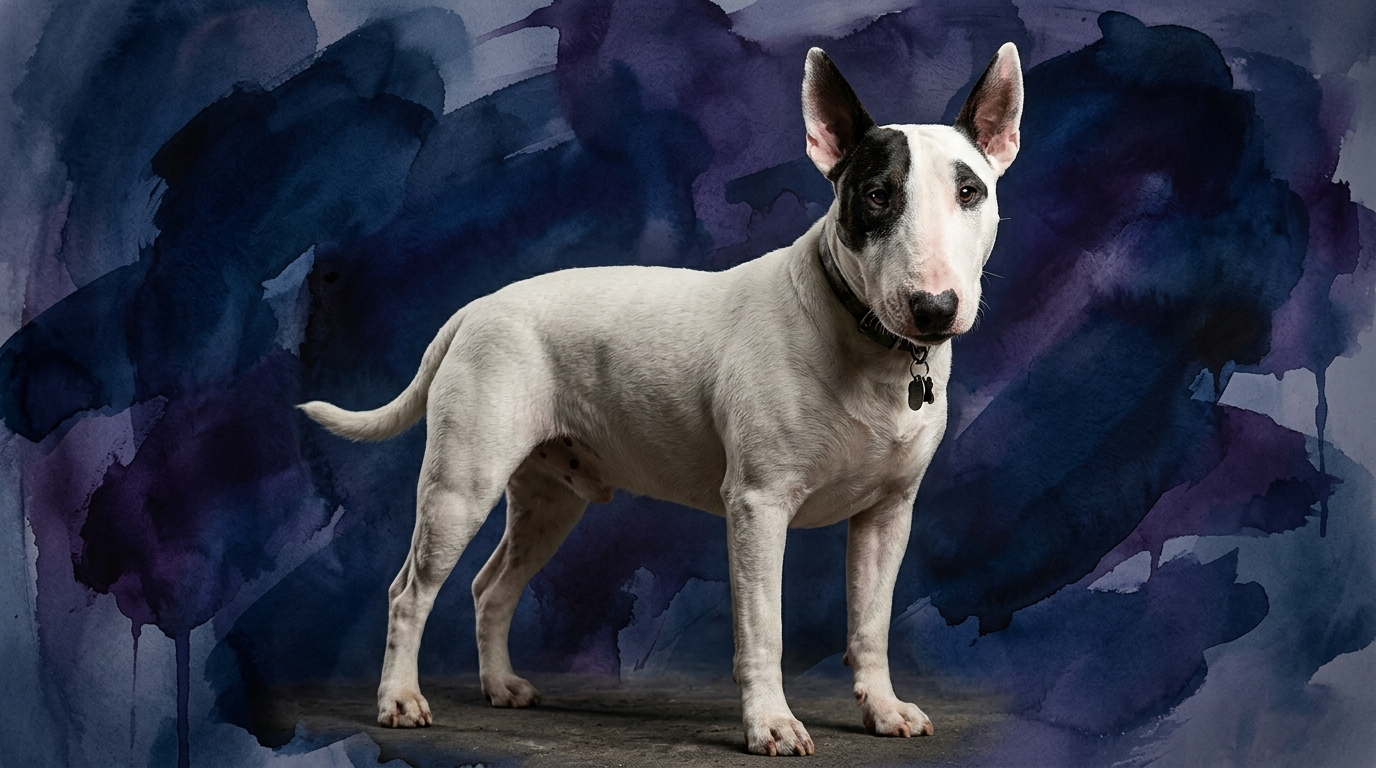
**Bull Terrier (Terrier Group, Coren Rank #66):** This breed’s cognitive makeup reflects its historical purpose, blending strength with a distinctive personality. Their Problem Solving (3/5) suggests a practical intelligence, capable of figuring out how to achieve a desired outcome, such as retrieving a hidden toy or navigating a familiar environment. Their problem-solving isn't necessarily about complex abstract thought, but rather persistent, often physical, engagement with challenges. Training Speed (3/5) indicates they can learn new commands and routines at a moderate pace, but their independent terrier spirit means they process information and decide whether to comply. Consistency and engaging methods are key to harnessing this learning speed effectively. Social Intelligence (3/5) means a Bull Terrier understands pack dynamics and human cues, forming strong bonds. They are generally responsive to their family's moods and intentions, though their expressions of affection and social engagement can be quite boisterous and direct. Instinctive Drive (3/5) is moderate but purposeful, rooted in their terrier heritage. This manifests as a desire to chase, explore, and engage with their environment, often with a determined focus on a specific goal, be it a squeaky toy or an interesting scent. Memory (3/5) shows Bull Terriers demonstrate good memory for routines, people, places, and learned commands. Once something is ingrained, it tends to stick, though they might occasionally test boundaries or remember past successes in 'naughty' behaviors.
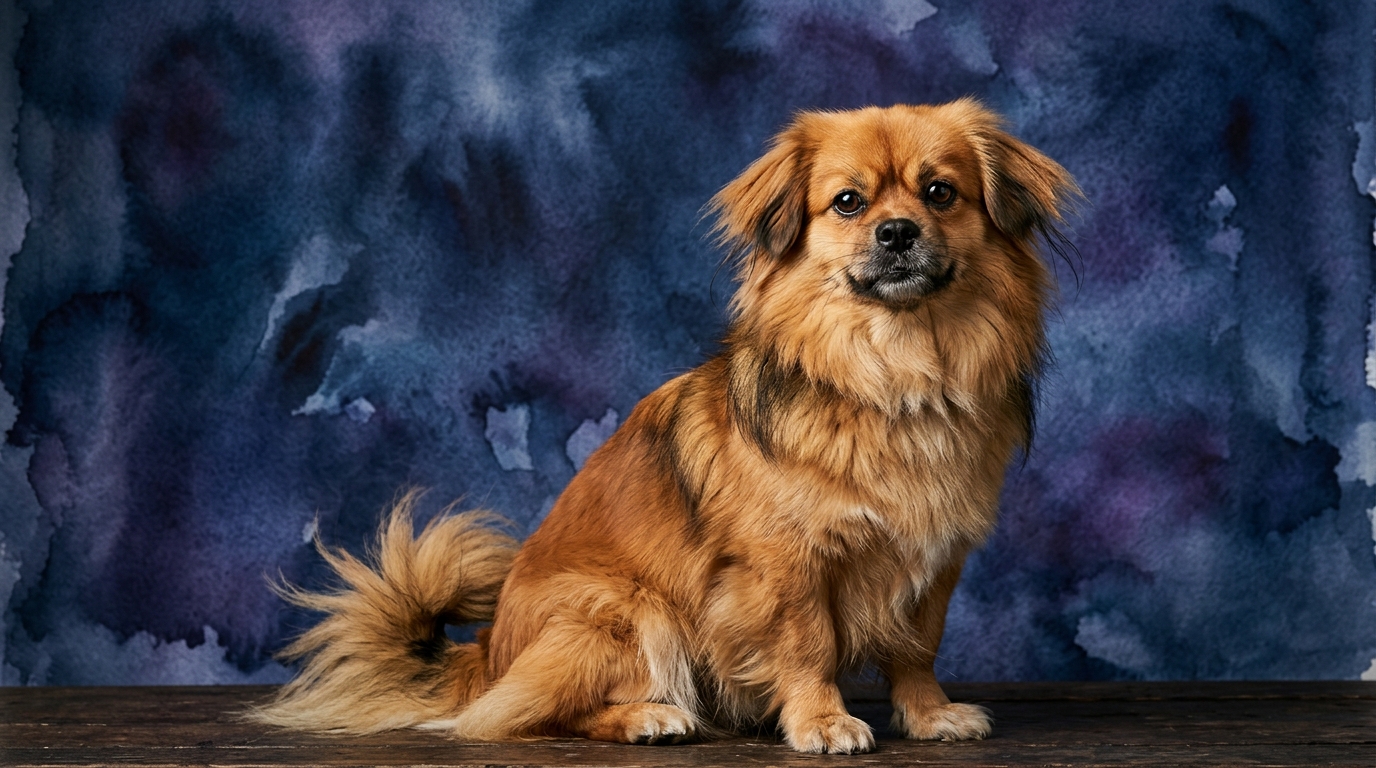
**Tibetan Spaniel (Non-Sporting Group, Not Coren-Ranked):** Bred as companions and watchdogs in monasteries, the Tibetan Spaniel’s intelligence is marked by alertness and sensitivity. Their Problem Solving (3/5) often involves observation and cleverness, such as figuring out how to get a better vantage point or manipulating their owners for attention. Their solutions tend to be less about brute force and more about strategic positioning or vocal communication. Training Speed (3/5) means these companion dogs learn at a moderate pace, often quickly grasping concepts, especially when motivated by praise or treats. However, their independent streak means they can choose when to apply their knowledge, sometimes requiring patience and positive reinforcement to maintain engagement. Social Intelligence (3/5) means Tibetan Spaniels exhibit a nuanced social intelligence, highly attuned to human emotions and household dynamics. They are excellent observers, understanding subtle cues and often acting as sensitive companions, offering comfort or companionship when needed. Instinctive Drive (3/5) is moderate, primarily expressed as an alert watchfulness and a desire for companionship. While they enjoy play, their natural instincts are more geared towards surveying their surroundings and being close to their human family, rather than intense physical pursuits. Memory (3/5) indicates Tibetan Spaniels have a good memory for routines, people, and specific events, often remembering past interactions or learned behaviors with precision. This aids in their role as alert house companions, remembering who belongs and who is a stranger.
Where the Bull Terrier Excels Cognitively
While both breeds share identical 3/5 scores, the Bull Terrier's cognitive strengths often manifest with a distinctive terrier tenacity. Their Problem Solving at 3/5 is frequently applied to physical challenges, such as methodically dismantling a puzzle toy or figuring out how to bypass an obstacle to reach a desired object. This isn't just about reaching a solution, but about the determined, often robust, application of effort until the goal is achieved. Their Instinctive Drive, also at 3/5, translates into a focused, persistent pursuit of tasks, whether it's a vigorous game of fetch or a dedicated exploration of new scents. This drive provides a powerful engine for learning and engagement when properly directed, allowing them to sustain attention on activities that satisfy their inherent working nature with a certain unwavering resolve.
Where the Tibetan Spaniel Excels Cognitively
The Tibetan Spaniel, despite matching scores, showcases cognitive strengths that lean towards observational acumen and social nuance. Their 3/5 in Social Intelligence often means they excel at understanding the subtle shifts in human mood and household routines, making them exceptionally empathetic companions. They are adept at 'reading the room,' knowing when to offer quiet companionship versus when to initiate play, a sophisticated social understanding. Furthermore, their Problem Solving, while rated similarly, often involves more subtle strategies: figuring out how to gain a prime napping spot by outmaneuvering other pets, or using their charm to solicit treats. Their Memory (3/5) is particularly strong for social interactions and routines, allowing them to recall specific permissions or prohibitions from different family members, and to anticipate daily events with remarkable accuracy, making them highly integrated family members.
Training Dynamics: Bull Terrier vs. Tibetan Spaniel
Determining which breed is 'easier' to train requires a nuanced look beyond identical Training Speed scores. The Bull Terrier, with its 3/5 training speed, certainly possesses the capacity to learn, but their inherent terrier independence and strong-willed nature can make the process more challenging for a novice owner. They respond best to consistent, firm-but-fair training that uses positive reinforcement, yet they might require more repetitions or creative motivation to see the 'point' of a command. If a task isn't engaging or doesn't align with their current interest, a Bull Terrier might choose to ignore it, requiring an owner to be more assertive and consistent in their expectations. The Tibetan Spaniel, also with a 3/5 training speed, can pick up commands readily, often driven by a desire to please their human companions. However, their independent spirit, combined with a potential for short attention spans for repetitive drills, means training sessions need to be kept fun, varied, and relatively brief. While they might not overtly defy commands like a Bull Terrier, they might simply wander off or become distracted if not sufficiently engaged. Ultimately, an owner's experience and willingness to adapt their training methods to the breed's specific temperament will dictate perceived ease. For an owner who values compliance and quick responses, neither breed is a 'push-button' learner, but the Tibetan Spaniel might offer fewer direct challenges in terms of stubborn defiance, while the Bull Terrier demands a more experienced and confident handler to navigate their strong will.
Lifestyle Match: Active vs. Relaxed Owners
The choice between a Bull Terrier and a Tibetan Spaniel also hinges significantly on an owner's lifestyle. The Bull Terrier, despite its 3/5 Instinctive Drive, is decidedly better suited for active owners. Their drive, combined with a robust physique and playful energy, necessitates regular, vigorous exercise and mental stimulation. They thrive on long walks, energetic play sessions, and engaging activities that challenge their problem-solving skills and allow them to burn off steam. A less active lifestyle can lead to boredom and destructive behaviors, as their inherent drive finds less constructive outlets. Conversely, the Tibetan Spaniel, while not a couch potato, aligns more comfortably with relaxed owners. Their 3/5 Instinctive Drive manifests as a desire for moderate activity: daily walks, interactive play within the home, and opportunities to survey their surroundings from a comfortable perch. They appreciate mental engagement through companionship and gentle games, but do not demand the same intensity or duration of physical exertion as a Bull Terrier. They are content to curl up on the sofa after a good walk, making them an excellent choice for individuals or families who prefer a more tranquil pace of life but still enjoy daily engagement with their pet.
The Verdict
Choose a Bull Terrier if you are an experienced, active owner seeking a robust, determined companion who thrives on consistent training, mental challenges, and vigorous physical activity.
Opt for a Tibetan Spaniel if you desire a sensitive, observant companion for a more relaxed lifestyle, appreciating their nuanced social intelligence and moderate exercise needs.
🧠 Find Your Pet's IQ Score
Our Pet IQ Lab assessment covers 25+ tests across 5 cognitive dimensions — personalized to your breed.
Take the Full IQ Test →Frequently Asked Questions
Do Bull Terriers and Tibetan Spaniels have similar problem-solving approaches despite identical scores?
While both score 3/5, Bull Terriers typically employ a more physical, persistent approach to problem-solving, often involving robust interaction with their environment. Tibetan Spaniels, conversely, tend towards observational and clever strategies, using their wits and charm to achieve their goals.
How does social intelligence differ between these two breeds with the same score?
A Bull Terrier's 3/5 social intelligence often means direct, boisterous engagement and strong family loyalty. A Tibetan Spaniel's 3/5 social intelligence is more nuanced, characterized by sensitivity to human emotions, subtle observation, and a refined understanding of household dynamics.
Given their 3/5 instinctive drive, what are the key differences in their activity needs?
The Bull Terrier's 3/5 instinctive drive demands vigorous physical exercise and mentally stimulating work to prevent boredom and destructive behaviors. The Tibetan Spaniel's 3/5 drive is satisfied with moderate daily walks, interactive play, and opportunities for alert companionship, making them less demanding physically.