Side-by-Side Cognitive Profiles
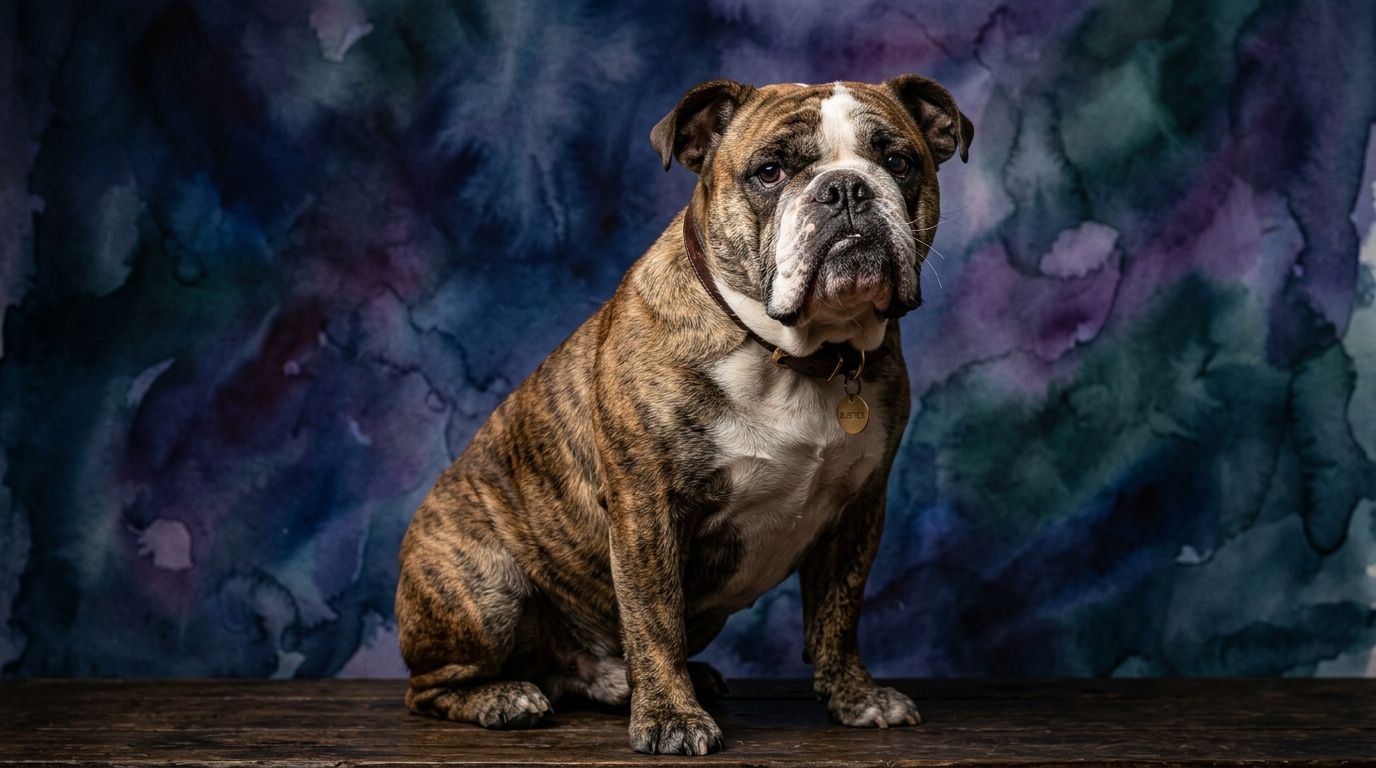
The English Bulldog, ranking #77 on the Coren scale, presents a unique cognitive blueprint. Their Problem Solving is rated 2/5, indicating a preference for established routines over novel challenges, while their Training Speed also sits at 2/5, suggesting a need for patient, consistent methods. Where they truly shine is in Social Intelligence, scoring an impressive 4/5, making them exceptionally empathetic and attuned to human emotions. Their Instinctive Drive is moderate at 3/5, often centered around comfort and companionship, and their Memory at 2/5 means they retain information adequately but may require reminders for less frequent commands.
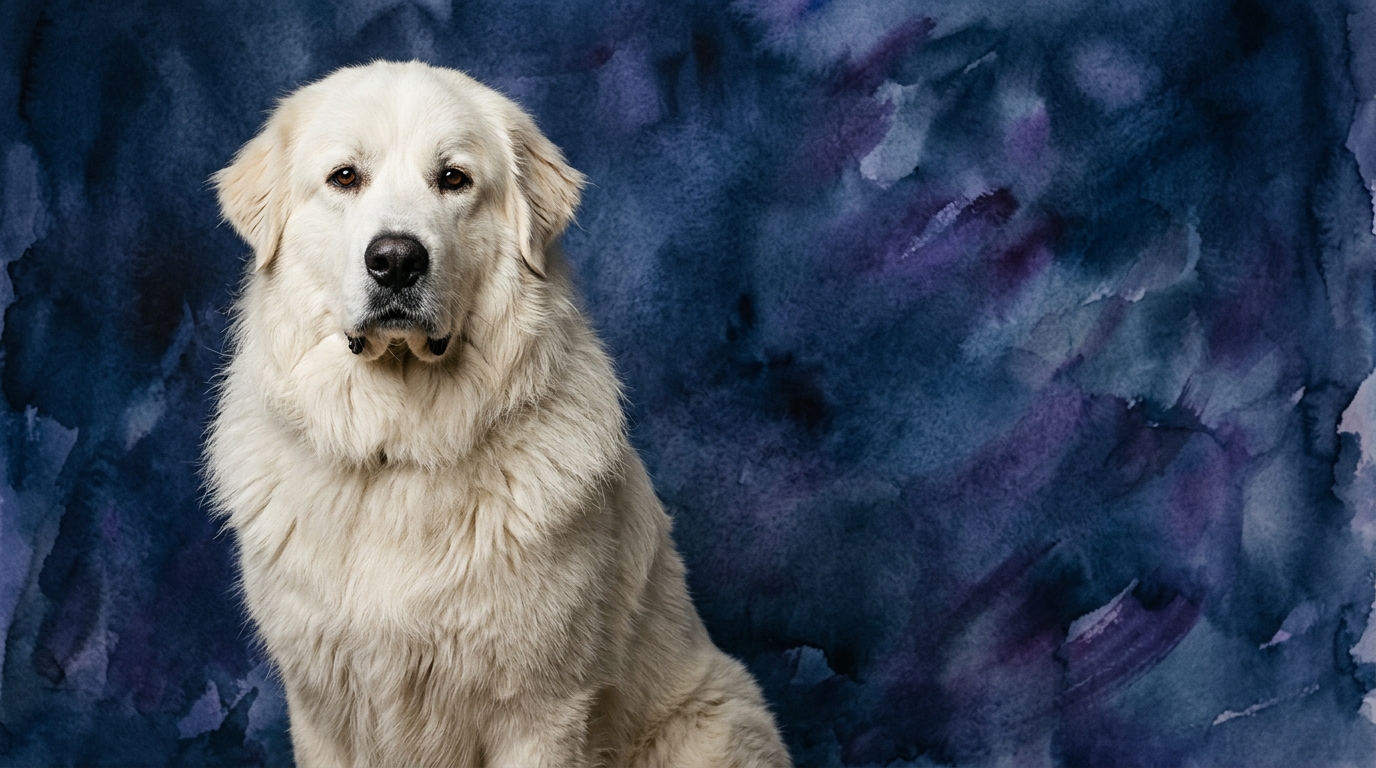
In contrast, the Great Pyrenees, at Coren rank #64, displays a more balanced, independent intelligence. Their Problem Solving is 3/5, reflecting their historical need for autonomous decision-making in guardian roles, and their Training Speed is also 3/5, showing a respectable learning capacity, albeit with an independent streak. Social Intelligence for the Pyrenees is 3/5, meaning they are observant of their family but often maintain a dignified reserve. Their Instinctive Drive is 3/5, primarily focused on protection and vigilance, and their Memory, also 3/5, is solid for important routines and people, supporting their self-reliant nature.
Where the English Bulldog Cognitively Excels
The English Bulldog's cognitive strength is undeniably rooted in their extraordinary social intelligence, marked at 4/5. This breed possesses an exceptional ability to perceive and respond to human emotions and social dynamics within their immediate family. They are masters at reading subtle cues, understanding shifts in mood, and often anticipating their owner's needs for comfort or interaction without explicit verbal commands. This profound social awareness fosters an incredibly deep emotional bond, allowing them to integrate seamlessly into a household's emotional rhythm and act as highly intuitive, affectionate companions. While their problem-solving might not involve complex puzzles, their social acumen ensures they navigate human relationships with remarkable finesse, prioritizing harmony and connection.
Where the Great Pyrenees Cognitively Excels
The Great Pyrenees' cognitive strengths lie in their practical, independent problem-solving and solid memory, both scoring 3/5. Developed for solitary livestock guarding, they excel at assessing their environment and making autonomous decisions, particularly concerning vigilance and protection. Their problem-solving isn't about human-centric tasks but about evaluating potential threats, navigating vast territories, or managing livestock without direct human instruction. This independent thought process, combined with a reliable memory for important information and established boundaries, enables them to be highly effective, self-reliant guardians. They use their cognitive abilities to observe, judge, and act, demonstrating a thoughtful, measured approach to their responsibilities that sets them apart.
Training: Patience vs. Independence
When it comes to ease of training, the Great Pyrenees, with its 3/5 training speed, generally offers a more direct, yet still distinct, experience compared to the English Bulldog's 2/5. Pyrenees are capable of learning commands efficiently; however, their deep-seated independence means they process instructions through the lens of their own judgment and protective instincts. They aren't typically driven by an overwhelming desire to please through repetitive tasks, but rather act as partners who weigh commands against their own perceived priorities. Training them requires establishing a strong, trusting relationship and using consistent, positive reinforcement to motivate cooperation, acknowledging their thoughtful, self-directed nature.
The English Bulldog, while having a lower training speed, presents a different set of challenges rooted in their notable stubbornness and comfort-seeking nature. Their 2/5 problem-solving score means they prefer familiar routines, and introducing new concepts can be met with slow uptake or resistance. Although they are highly socially intelligent and devoted to their loved ones, their strong will often overrides the desire to perform complex or physically demanding tasks. Training a Bulldog necessitates immense patience, very short, engaging sessions, and making the process feel like a fun game, leveraging their profound social bond rather than expecting immediate, rigid obedience.
Ideal Owners: Relaxed Companionship vs. Purposeful Guardianship
For owners seeking a relaxed lifestyle companion, the English Bulldog is often an ideal match. Their moderate instinctive drive (3/5) and lower scores in problem-solving and training speed mean they thrive in a comfortable home environment, enjoying short, leisurely walks and ample cuddle time. They are not dogs that demand constant mental stimulation through complex training or intense physical exertion; instead, their contentment stems from social interaction and a predictable, calm routine. An owner who appreciates quiet evenings and a steadfast, affectionate presence will find the Bulldog’s temperament and cognitive profile highly compatible, as they flourish on emotional connection and companionship rather than high-energy activities.
Conversely, the Great Pyrenees, despite their calm indoor demeanor, is better suited for owners who understand and respect their working heritage, even if they aren't engaged in traditional active sports. Their independent problem-solving and protective instinctive drive (3/5) mean they require mental engagement that allows them to utilize their natural guarding sensibilities. While not high-energy athletes, they benefit from secure spaces to patrol, observation points, and tasks that permit them to exercise their judgment. Owners who appreciate a dog with a sense of purpose, perhaps with a larger property or a willingness to engage in 'watchdog' type activities rather than constant obedience drills, will find the Pyrenees' cognitive strengths deeply rewarding. They need owners who can provide a sense of responsibility and allow them to 'think' for themselves within established, safe boundaries.
The Verdict
Choose an English Bulldog if you value profound social connection, a steadfast companion for a relaxed household, and are prepared for patient, positive reinforcement in training, prioritizing emotional bonding over complex obedience.
Opt for a Great Pyrenees if you seek an independent, protective guardian with practical problem-solving abilities, have the space for their watchful nature, and appreciate a dog that thinks for itself, requiring consistent, trust-based training.
🧠 Find Your Pet's IQ Score
Our Pet IQ Lab assessment covers 25+ tests across 5 cognitive dimensions — personalized to your breed.
Take the Full IQ Test →Frequently Asked Questions
Are English Bulldogs difficult to train due to their low training speed?
English Bulldogs can be challenging to train, not necessarily because they lack capability, but due to their 2/5 training speed and strong will. They respond best to consistent, positive reinforcement, short sessions, and making learning feel like a fun game, leveraging their strong social bond with their owner.
How does the Great Pyrenees' independent nature affect its trainability?
The Great Pyrenees' independence (evident in their 3/5 problem-solving and instinctive drive) means they learn well but often weigh commands against their own judgment. Training requires building a strong, trusting relationship and demonstrating the value of cooperation, as they are partners rather than eager-to-please performers.
Which breed is better for a first-time dog owner?
For a first-time owner seeking a low-maintenance companion, the English Bulldog might be easier due to its lower exercise needs and high social intelligence, though their stubbornness requires patience. The Great Pyrenees' independence and protective instincts can be more challenging for novices without prior experience with working breeds.