
Side-by-Side IQ Profile: English Bulldog vs. Norwegian Lundehund
The Cosmic Pet Pet IQ Lab provides a unique lens through which to understand the cognitive strengths and tendencies of our canine companions. For the English Bulldog, our data paints a picture of a loyal, emotionally resonant dog with specific cognitive leanings. Their Problem Solving is rated at 2/5, indicating they are not typically quick innovators in novel situations, preferring established routines over figuring out complex new challenges independently. Training Speed also sits at 2/5, suggesting that patience and consistent, positive reinforcement are key; they may take longer to grasp new commands and require significant repetition. Where the Bulldog truly shines is in Social Intelligence, scoring an impressive 4/5. This reflects a profound ability to read human emotions, connect deeply with family members, and understand the dynamics within their household. Instinctive Drive is moderate at 3/5, meaning they possess a baseline level of inherent canine behaviors without being overly driven by strong prey or working instincts. Finally, their Memory is rated 2/5, implying that while they learn, retention may require ongoing reinforcement.
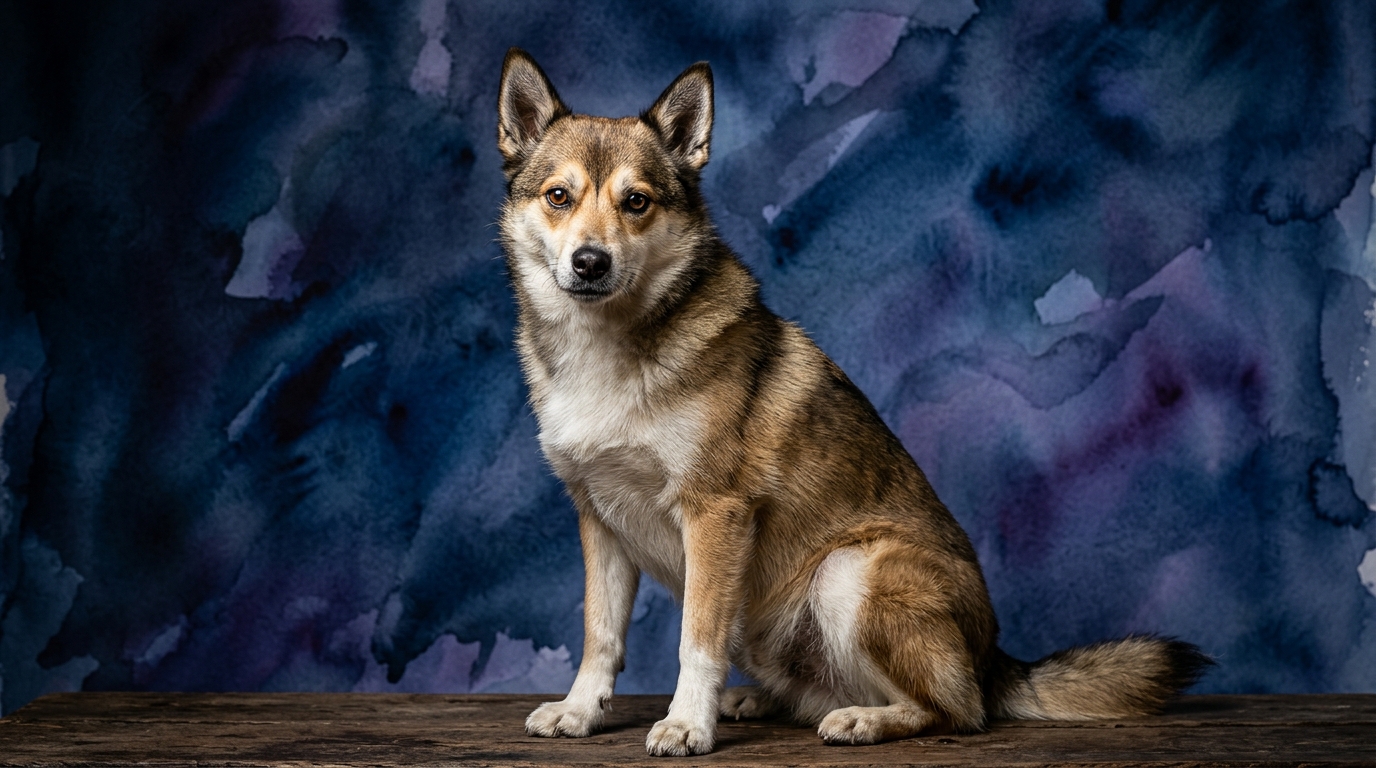
In contrast, the Norwegian Lundehund, a breed with a unique history of navigating treacherous cliffs for puffin hunting, presents a more balanced and often higher cognitive profile across several dimensions. Their Problem Solving ability is rated 3/5, indicating a greater capacity for independent thought and adapting to new situations compared to the Bulldog. Training Speed also scores 3/5, suggesting they are generally more responsive learners, capable of picking up new commands at a moderate pace with effective guidance. Social Intelligence for the Lundehund is 3/5; they are friendly and engage well with their human families, but perhaps without the same acute, almost intuitive grasp of human emotional subtleties seen in the Bulldog. Their Instinctive Drive is also 3/5, reflecting their historical working role which demanded persistence and agility without being overly aggressive. Memory for the Lundehund is rated 3/5, indicating a better capacity for retaining learned information and experiences over time, making previously learned tasks easier to recall.
Where the English Bulldog Wins Cognitively
The English Bulldog’s standout cognitive strength lies in their exceptional Social Intelligence, scoring 4 out of 5. This isn't merely about friendliness; it signifies a deep, nuanced understanding of human emotional states and family dynamics. Bulldogs often seem to 'know' when their owner is sad, offering comfort with a gentle nudge or a quiet presence without needing overt cues. They form incredibly strong, almost intuitive bonds, becoming deeply attuned to the moods and routines of their household members. This high social acumen means they integrate seamlessly into family life, acting as empathetic companions who offer profound emotional support. Their loyalty is not just a trait, but a cognitive function, allowing them to perceive and respond to the subtle emotional landscape of their human pack with remarkable sensitivity.
While they may not be the fastest learners for complex tricks, their ability to navigate the social intricacies of a home environment is unparalleled among many breeds. This makes them superb companions for individuals or families seeking a dog that truly 'gets' them on an emotional level, providing a comforting, stable presence. Their cognitive processing, though slower in other areas, is acutely focused on interpersonal connection, making them masters of quiet companionship and emotional symbiosis within their chosen family.
Where the Norwegian Lundehund Wins Cognitively
The Norwegian Lundehund demonstrates a distinct cognitive advantage in areas requiring adaptability and independent thought. With a Problem Solving score of 3/5, they are more inclined to experiment and figure things out on their own when faced with a new challenge, a trait undoubtedly honed by their historical role of navigating treacherous, rocky coastlines to hunt puffins. This isn't just about physical agility; it implies a mental flexibility to assess situations, strategize, and execute solutions. Their Training Speed and Memory, both rated 3/5, further support this adaptability. They are generally quicker to grasp new commands and retain those lessons more effectively, making them more versatile for varied activities.
This combination of problem-solving, learning speed, and memory means a Lundehund is often more engaged with environmental exploration and mental puzzles. They are less likely to be stumped by novel obstacles and more prone to using their wits to achieve a goal. Their cognitive profile suggests a dog that enjoys mental stimulation and can thrive in environments where they are encouraged to use their intellect to navigate and interact with their surroundings, rather than simply relying on rote learning or instinct.
Which Is Easier to Train and Why
When it comes to ease of training, the Norwegian Lundehund generally holds an advantage over the English Bulldog. The Lundehund's Training Speed of 3/5 and Problem Solving score of 3/5 indicate a dog that is more receptive to instruction and more capable of understanding the 'why' behind a command. Their historical role required independent decision-making and learning from experience, translating into a greater willingness to engage with training and adapt their behavior based on feedback. For instance, teaching a Lundehund a new agility course might see them quickly grasping the sequence and even finding efficient shortcuts, whereas a Bulldog might require significantly more repetitions to simply understand the basic steps.
The English Bulldog, with a Training Speed of 2/5 and Problem Solving of 2/5, requires a different approach. They aren't 'stubborn' out of malice, but rather process information at a slower pace and are less inclined to deviate from established patterns or solve novel problems quickly. This means an owner needs immense patience, consistency, and positive reinforcement, breaking down tasks into tiny, manageable steps. While a Bulldog's high social intelligence means they genuinely desire to please their family, their cognitive processing speed for learning new behaviors is simply slower, making the training journey longer and more demanding of the owner's creativity and persistence compared to a Lundehund.
Which Suits Active Owners vs. Relaxed Owners
Considering their distinct cognitive profiles, the English Bulldog is generally better suited for relaxed owners seeking a devoted, low-key companion. Their lower scores in Problem Solving and Training Speed, combined with their moderate Instinctive Drive, mean they thrive in predictable environments with a gentle pace. They are not dogs that demand constant mental stimulation through complex tasks or extensive physical activity. Instead, they excel at being a comforting presence, happy with short, leisurely strolls and plenty of cuddle time on the sofa. An owner who appreciates profound emotional connection and is patient with training will find the Bulldog's cognitive makeup perfectly aligns with a calm, home-centric lifestyle.
Conversely, the Norwegian Lundehund, with its higher scores in Problem Solving, Training Speed, and Memory, is a better match for active and curious owners. Their cognitive profile suggests a dog that benefits from mental engagement, enjoys learning new things, and can adapt to varied activities. These are dogs that historically had to think for themselves, and that independent spirit often translates into a need for intellectual stimulation. Owners who enjoy hiking, dog sports like agility (suited to their physical structure), or even complex puzzle toys will find the Lundehund's cognitive abilities well-matched to these pursuits. They are not necessarily high-energy dogs in the traditional sense, but they are mentally agile and thrive with owners who can provide consistent, stimulating interaction and varied experiences.
The Verdict
Choose an English Bulldog if you prioritize a deeply empathetic, emotionally intelligent companion who thrives in a calm, predictable home and you are prepared for a patient, consistent training approach.
Opt for a Norwegian Lundehund if you seek an adaptable, mentally agile dog capable of independent problem-solving and you enjoy engaging in varied activities and consistent, stimulating training.
🧠 Find Your Pet's IQ Score
Our Pet IQ Lab assessment covers 25+ tests across 5 cognitive dimensions — personalized to your breed.
Take the Full IQ Test →Frequently Asked Questions
Is the English Bulldog genuinely stubborn, or is it a cognitive trait?
The English Bulldog's perceived 'stubbornness' is more accurately described as a slower Training Speed (2/5) and lower Problem Solving (2/5). They require more patience and repetition to learn and prefer routine, rather than actively defying commands, which can be misinterpreted as stubbornness.
Do Norwegian Lundehunds require a lot of exercise due to their history?
While the Norwegian Lundehund has a background of agile activity, their Instinctive Drive is moderate (3/5). They benefit from regular, engaging walks and mental stimulation, but they are not typically hyperactive and can adapt to a moderately active lifestyle rather than requiring extreme endurance.
Can an English Bulldog learn complex commands despite their lower training speed?
Yes, an English Bulldog can learn complex commands, but it will require significantly more time, consistency, and creative positive reinforcement from the owner. Their high Social Intelligence means they want to please, but their cognitive processing for new tasks is slower, demanding patience.