Side-by-Side Cognitive Profiles: Bulldog vs. Deerhound
At The Cosmic Pet Pet IQ Lab, we evaluate dog intelligence across five key dimensions. Examining the English Bulldog and Scottish Deerhound through this lens reveals their specialized cognitive strengths and areas where they approach the world differently.
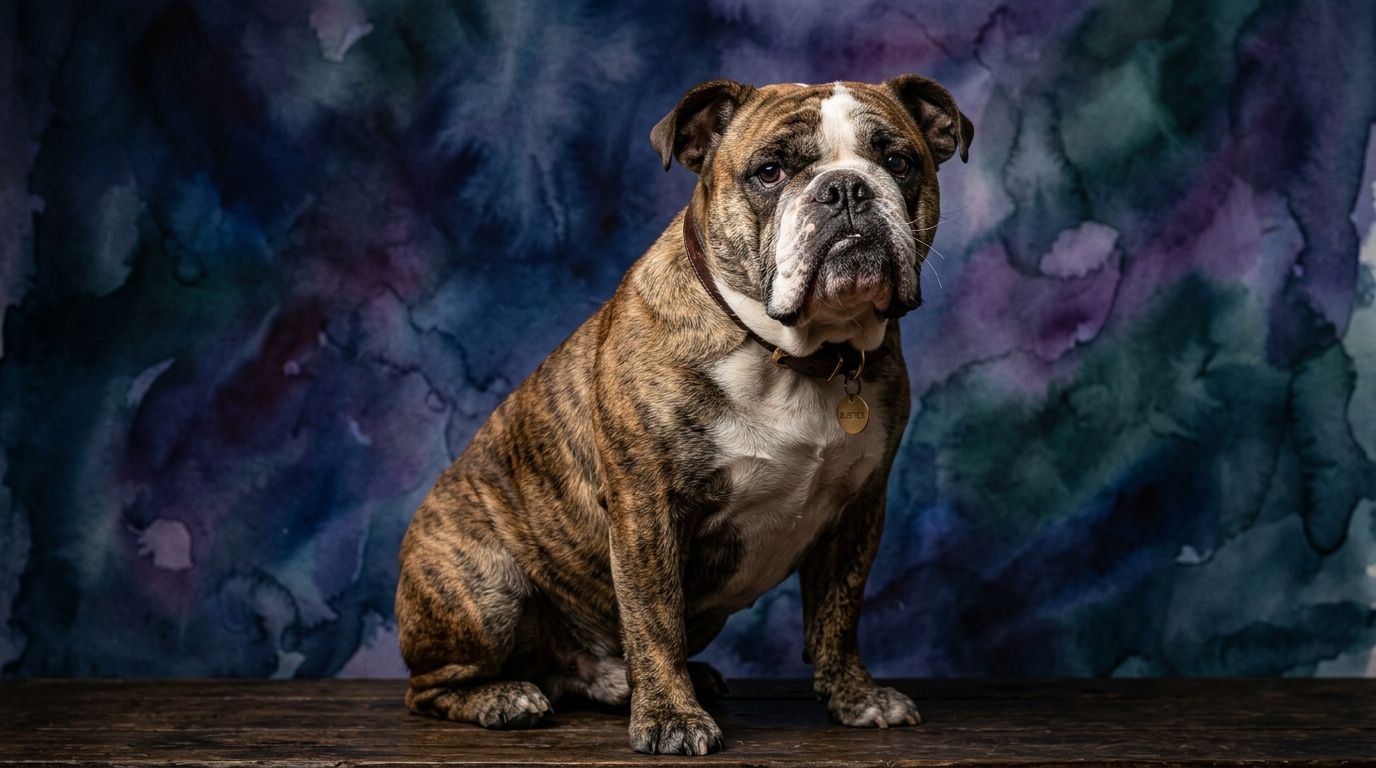
The **English Bulldog's Cognitive Blueprint** offers a profile centered on companionship and comfort:
**Problem Solving (2/5):** Bulldogs generally rely on learned routines and simple associations rather than tackling complex, novel challenges. They prefer predictability and comfort, often struggling with multi-step puzzle toys or intricate commands without significant repetition.
**Training Speed (2/5):** Characterized by a strong will, Bulldogs require exceptional patience, consistent positive reinforcement, and high-value rewards to acquire new commands. Their motivation is often tied to personal comfort, making rapid concept grasp infrequent.
**Social Intelligence (4/5):** This breed excels in social cognition, displaying a profound capacity for reading human emotions and subtle social cues. They form deep, empathetic bonds, integrating seamlessly into family dynamics as intuitive, comforting presences.
**Instinctive Drive (3/5):** The modern Bulldog's moderate instinctive drive is primarily channeled into companionship and comfort-seeking. While ancestors were tenacious, today's Bulldog displays desire for routine and moderate, easily satisfied play, rather than complex predatory behaviors.
**Memory (2/5):** Bulldogs remember routines and specific cues (e.g., leash for walk) well. However, memory for complex sequences or recall under distraction may be less robust, necessitating consistent reinforcement.
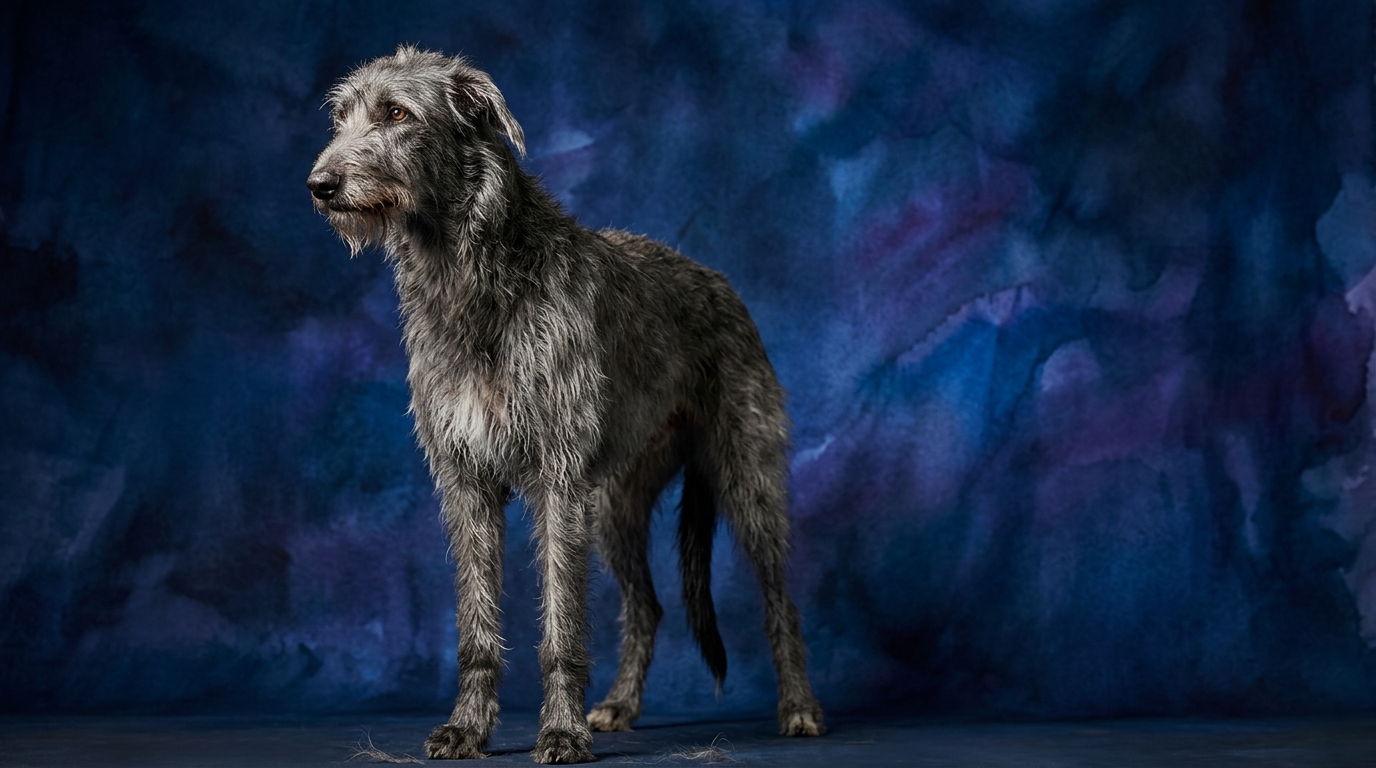
The **Scottish Deerhound's Cognitive Blueprint** reflects their independent, athletic heritage:
**Problem Solving (3/5):** Deerhounds exhibit practical problem-solving, especially in physical environments. Their historical role honed their ability to assess terrain, distances, and obstacles during pursuit, translating to adapting to new routes or navigating physical barriers efficiently.
**Training Speed (3/5):** They learn new commands at a moderate pace, but their independent sighthound nature means they aren't inherently eager to please. Best with fair, consistent, engaging training, they can be bored by repetition and highly distracted by movement.
**Social Intelligence (3/5):** Gentle and affectionate with family, Deerhounds form strong, quiet bonds. However, their social intelligence is more reserved; they can be aloof with strangers and less overtly emotionally expressive than many companion breeds.
**Instinctive Drive (3/5):** Deerhounds possess a powerful sighthound drive for visual tracking and pursuit. While calm indoors, this instinct outdoors demands outlets, representing a highly specialized cognitive function for hunting rather than tenacity.
**Memory (3/5):** Deerhounds have good memory for established commands, routes, and routines. They recall learned behaviors effectively, though independence or strong visual stimuli can occasionally override immediate obedience.
Where the English Bulldog Cognitively Excels
The English Bulldog's cognitive strengths shine brightest in the realm of social intelligence, where their 4/5 rating surpasses the Deerhound's 3/5. This breed exhibits a profound capacity for reading human emotions and subtle social cues, making them exceptionally empathetic companions. They excel at integrating seamlessly into a family unit, often becoming the emotional anchor, offering quiet comfort and companionship without demanding constant interaction. Their superior ability to attune to human feelings means they often anticipate needs for affection or presence, providing a deeply intuitive bond. Furthermore, their lower instinctive drive and problem-solving needs mean they are cognitively content with a less stimulating environment, making them uniquely suited for serene, routine-oriented home lives where their primary role is that of a devoted, comforting presence. This cognitive preference for stability and connection, rather than external challenge, is where they truly stand apart.
Where the Scottish Deerhound Cognitively Shines
Conversely, the Scottish Deerhound demonstrates cognitive advantages in areas tied to their historical purpose and physical capabilities. Their problem-solving score of 3/5, compared to the Bulldog's 2/5, manifests as a practical intelligence for navigating complex physical environments. This includes assessing distances, identifying optimal routes during a chase, or strategically maneuvering around obstacles. While not abstract thinkers, their minds are wired for efficient, real-time decision-making in dynamic outdoor settings. Their training speed and memory, both rated 3/5, indicate a quicker grasp of practical commands and better retention for tasks involving movement or spatial awareness. This allows them to learn complex sequences related to outdoor activities, such as navigating agility courses or following specific scent trails, with more efficiency. The Deerhound's instinctive drive, while numerically similar, is a highly refined cognitive function focused on visual tracking and pursuit, requiring sophisticated processing of movement and spatial reasoning, a distinct advantage over the Bulldog's more generalized drive.
Training Dynamics: Which Breed is Easier?
Determining which breed is 'easier' to train requires nuance, as their cognitive profiles present different challenges. The Bulldog, with its 2/5 training speed, demands exceptional patience and consistency. Their strong will and preference for comfort often mean they require extensive repetition and highly motivating rewards to grasp new concepts. Real behavioral differences include their tendency to dig in their heels if a task isn't immediately appealing, making initial obedience work a slow, deliberate process focused on building positive associations. On the other hand, the Scottish Deerhound, with a 3/5 training speed, can learn commands more readily. However, their independent sighthound nature means they are less inclined to perform simply to please. Distractions, particularly moving objects, can easily override learned commands due to their powerful instinctive drive. While they may grasp *what* is expected faster, their consistency in *performing* under varied conditions can be a challenge. Therefore, for foundational obedience and manners within a low-stimulus home, the Bulldog can be managed with immense patience. For owners seeking a dog capable of learning more complex tasks or engaging in structured activities, the Deerhound, despite its independence, might offer a slightly smoother path, provided its powerful prey drive is managed and training is kept engaging.
Matching Breeds to Lifestyles: Active vs. Relaxed Owners
The choice between these two breeds heavily depends on an owner's lifestyle and activity levels. For active owners, the Scottish Deerhound is the clear match. Their moderate instinctive drive (3/5) and historical role demand regular opportunities to gallop and engage in high-speed pursuit in safe, enclosed spaces. These dogs thrive on activities that stimulate their senses and allow them to stretch their long limbs, making them ideal companions for those who enjoy long walks, hiking, or even lure coursing. Their problem-solving skills, while not abstract, are best exercised in dynamic outdoor environments. Conversely, the English Bulldog is perfectly suited for more relaxed owners. With a lower energy output and a moderate instinctive drive (3/5) primarily focused on comfort, they are content with moderate daily walks and ample time for napping and snuggling indoors. Their high social intelligence makes them ideal for owners who prioritize close companionship and a calm, predictable home environment, without the need for extensive physical or complex mental exertion.
The Verdict
Choose a Bulldog (English) if you seek a deeply affectionate, low-energy companion who thrives on routine and human connection, and are prepared for a patient, consistent training approach focused on comfort and positive reinforcement.
Opt for a Scottish Deerhound if you appreciate a gentle giant with an independent spirit, can provide ample space for vigorous exercise, and enjoy engaging with a breed that maintains its keen historical hunting instincts.
🧠 Find Your Pet's IQ Score
Our Pet IQ Lab assessment covers 25+ tests across 5 cognitive dimensions — personalized to your breed.
Take the Full IQ Test →Frequently Asked Questions
Are English Bulldogs difficult to train?
English Bulldogs are not inherently 'difficult,' but their strong will and preference for comfort mean training requires significant patience and consistency. They learn best with positive reinforcement and high-value rewards, often taking longer to grasp new concepts compared to some other breeds.
What kind of exercise does a Scottish Deerhound need?
Scottish Deerhounds require regular, vigorous exercise, ideally in a safe, enclosed area where they can gallop freely and stretch their long limbs. While calm indoors, they need outlets for their powerful sighthound drive, such as lure coursing or long, brisk walks.
How do these breeds differ in their social interactions?
English Bulldogs excel in social intelligence, forming deeply empathetic bonds with family and being highly attuned to human emotions. Scottish Deerhounds are affectionate with their families but tend to be more reserved with strangers, displaying a quiet loyalty rather than overt emotional expressiveness.