
Side-by-Side IQ Profile: Unpacking Breed Cognition
To understand the unique mental makeup of these two breeds, The Cosmic Pet Pet IQ Lab employs a five-dimensional cognitive assessment. This framework allows us to look beyond simple notions of 'smartness' and appreciate the specific ways each breed processes information, learns, and interacts with their world.
The English Bulldog, holding a Coren rank of #77, demonstrates a particular set of cognitive strengths and areas where their mental energy is less focused. Their Problem Solving is rated 2/5; they typically approach challenges with persistence rather than intricate strategy, often relying on established routines or simple trial and error to navigate their environment. When it comes to Training Speed, they also score 2/5, indicating that while they are capable of learning, it requires patience and consistent positive reinforcement, with many repetitions needed to solidify a command. Their Social Intelligence, however, is a notable strength at 4/5; Bulldogs are deeply attuned to human emotions and social cues within their immediate family, excelling at forming empathetic bonds. Their Instinctive Drive, at 3/5, is rooted primarily in companionship and comfort, with ancestral guarding instincts largely dormant. Finally, their Memory is rated 2/5, meaning recall for specific, complex sequences might be moderate, though they remember routines and familiar faces well.
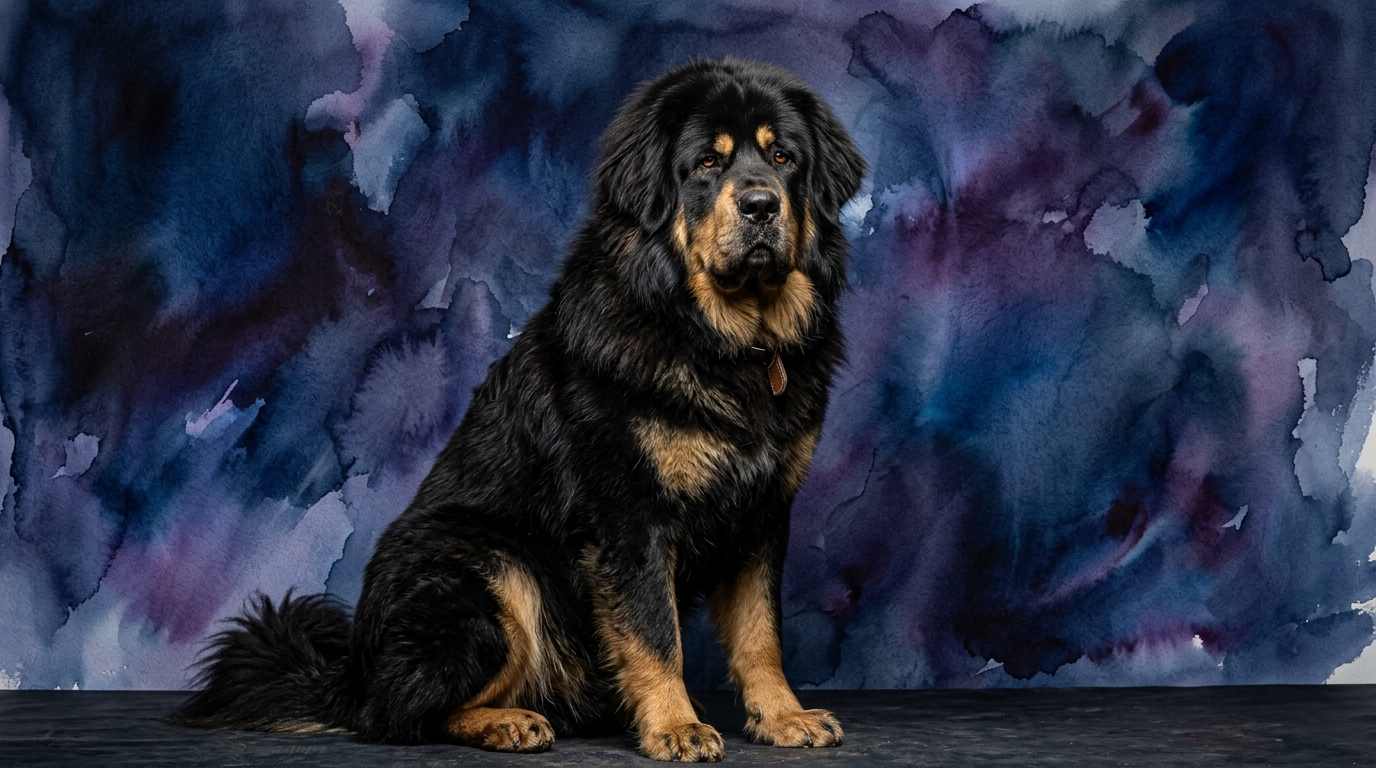
The Tibetan Mastiff, though not Coren-ranked, presents a different cognitive blueprint, reflecting its heritage as a formidable guardian. Their Problem Solving capacity is rated 3/5; they demonstrate a moderate ability for independent thought and strategic action, particularly when it pertains to their guarding duties or managing their perceived domain. In terms of Training Speed, they score 3/5; they grasp concepts efficiently, but their independent nature often means they decide when and if to comply, requiring a handler who understands their strong will. Their Social Intelligence is 3/5, manifesting as a robust awareness within their family unit, forming strong, protective bonds built on respect rather than overt emotional expression. The Tibetan Mastiff’s Instinctive Drive is a powerful 3/5, profoundly rooted in guarding and territorial protection, dictating much of their behavior. Their Memory is also 3/5, exhibiting good recall for people, places, and past experiences related to their territory and family, contributing to their discerning nature.
Where the English Bulldog Wins Cognitively
The English Bulldog's primary cognitive victory lies in its exceptional social intelligence and its capacity for deep, intuitive emotional connection. With a 4/5 rating in social intelligence, they are masters of reading subtle human cues, often anticipating needs for comfort or companionship without explicit direction. This isn't about solving an external puzzle, but about maintaining internal social balance and fostering harmony within their immediate social structure. Their cognitive energy is directed towards understanding and integrating into the human family unit, making them unparalleled emotional anchors.
They excel at navigating the complexities of domestic life by being incredibly attuned to routines and the emotional states of their people. This makes them exceptional emotional support animals and deeply integrated family members, thriving on mutual understanding rather than complex tasks or high-energy engagements. Their ability to form profoundly empathetic bonds means they can often defuse tension with their calm, affectionate demeanor, demonstrating a unique form of cognitive adaptability centered on social cohesion.
Where the Tibetan Mastiff Wins Cognitively
The Tibetan Mastiff’s cognitive edge is most apparent in its independent problem-solving and its robust, self-reliant instinctive drive, particularly concerning security and territory. With a 3/5 rating in problem-solving, they possess the capacity to assess situations and act autonomously, often making judgments based on their ingrained guarding instincts rather than awaiting human commands. This is a breed that processes information and devises its own solutions, especially when it involves protecting its perceived domain or family members. They don’t necessarily wait for explicit instructions to evaluate a new sound or a stranger approaching; instead, they engage their mind in vigilant assessment.
This self-sufficiency, combined with a solid grasp of concepts in training (rated 3/5), allows them to operate effectively without constant human oversight, a stark contrast to breeds that require explicit direction for every action. Their strong memory (3/5) for past threats or perceived intrusions further enhances their effectiveness as vigilant guardians, allowing them to learn from experience and apply that knowledge to future situations, making them discerning and formidable protectors.
Training Ease: Compliance vs. Comprehension
When considering which breed is easier to train, the distinction often lies between a dog's ability to comprehend a command and its willingness to consistently comply. The English Bulldog, despite a lower Training Speed rating of 2/5, is arguably easier for a novice owner to train for basic obedience and domestic manners. Their strong desire to please their primary caregivers, coupled with their love for routine and comfort, makes them responsive to consistent, positive reinforcement. While it might take more repetitions to embed a command into their moderate memory, their motivation is typically aligned with their human's wishes, making the process predictable and rewarding for patient owners. Their challenges often stem from their inherent desire for a comfortable nap, which can make sustained focus difficult.
The Tibetan Mastiff, with a 3/5 rating in Training Speed, grasps concepts quickly, but presents a different and often more demanding training challenge: their profound independence. They understand what you want, but their ancient guardian instincts often lead them to question why they should comply, especially if it conflicts with their own assessment of a situation or their perceived duties. Training a Tibetan Mastiff requires a deep understanding of their psychology, building respect and trust through clear, consistent, and respectful methods. They are not dogs that will perform tricks on command just for a treat; they require a partnership built on mutual respect and a handler who can convince them that compliance serves a greater purpose, often related to their protective role. This breed demands a confident, experienced leader who can navigate their strong will and discerning nature, rather than simply expecting rote obedience.
Owner Suitability: Relaxed Companionship vs. Engaged Guardianship
The cognitive profiles of these two breeds naturally align with different owner lifestyles. Owners seeking a calm, affectionate presence that thrives on close companionship and minimal physical exertion will find the English Bulldog an ideal match. Their low problem-solving drive and unhurried training speed mean they aren't constantly seeking complex mental challenges or high-energy activities. Instead, they are content with a predictable routine, short strolls, and ample time for napping alongside their human family, valuing social connection above all else. Their high social intelligence means they are deeply integrated into family life, providing quiet, steadfast companionship.
Conversely, the Tibetan Mastiff is better suited for owners who are not necessarily 'active' in the traditional sense of hiking daily, but are highly engaged and confident in managing a large, independent, and protective breed. These owners must be prepared to provide significant mental stimulation through their role as guardians, offering a secure environment that satisfies their strong instinctive drive. They need an owner who can command respect without force, understand their nuanced social intelligence, and appreciate a dog that thinks for itself. This breed requires consistent, firm, and fair leadership, and an owner who values a partner in vigilance more than a constantly obedient companion. Their 'activity' is often more mental vigilance and territorial oversight than physical exertion, demanding a different kind of owner engagement.
The Verdict
If your lifestyle prioritizes an affectionate, low-energy companion deeply attuned to family dynamics, the English Bulldog, with its strong social intelligence, is an excellent choice.
For those prepared to manage a self-reliant, discerning guardian with a robust independent mind and innate protective instincts, the Tibetan Mastiff offers a unique and profound partnership.
🧠 Find Your Pet's IQ Score
Our Pet IQ Lab assessment covers 25+ tests across 5 cognitive dimensions — personalized to your breed.
Take the Full IQ Test →Frequently Asked Questions
Are English Bulldogs easy to live with for first-time dog owners?
English Bulldogs are generally very agreeable companions, thriving on routine and close family interaction. Their calm demeanor and high social intelligence make them adaptable to most home environments, provided they receive consistent affection and moderate physical activity, making them a reasonable choice for patient first-time owners.
What kind of owner is best suited for a Tibetan Mastiff?
An ideal owner for a Tibetan Mastiff is experienced with large, independent breeds and capable of providing consistent, confident leadership. They need a secure, spacious environment and an owner who understands their strong guarding instincts and reserved nature, appreciating a dog that thinks for itself.
How do their memory capabilities impact daily life and training?
The Bulldog's moderate memory means consistent, repetitive reinforcement helps with commands, but they primarily remember routines and comfort. The Tibetan Mastiff's good memory, especially for territory and past interactions, contributes to their discerning guarding behavior and requires careful, positive early experiences to build trust and avoid negative associations.