Side-by-Side IQ Profile: Unpacking Moderate Intelligence
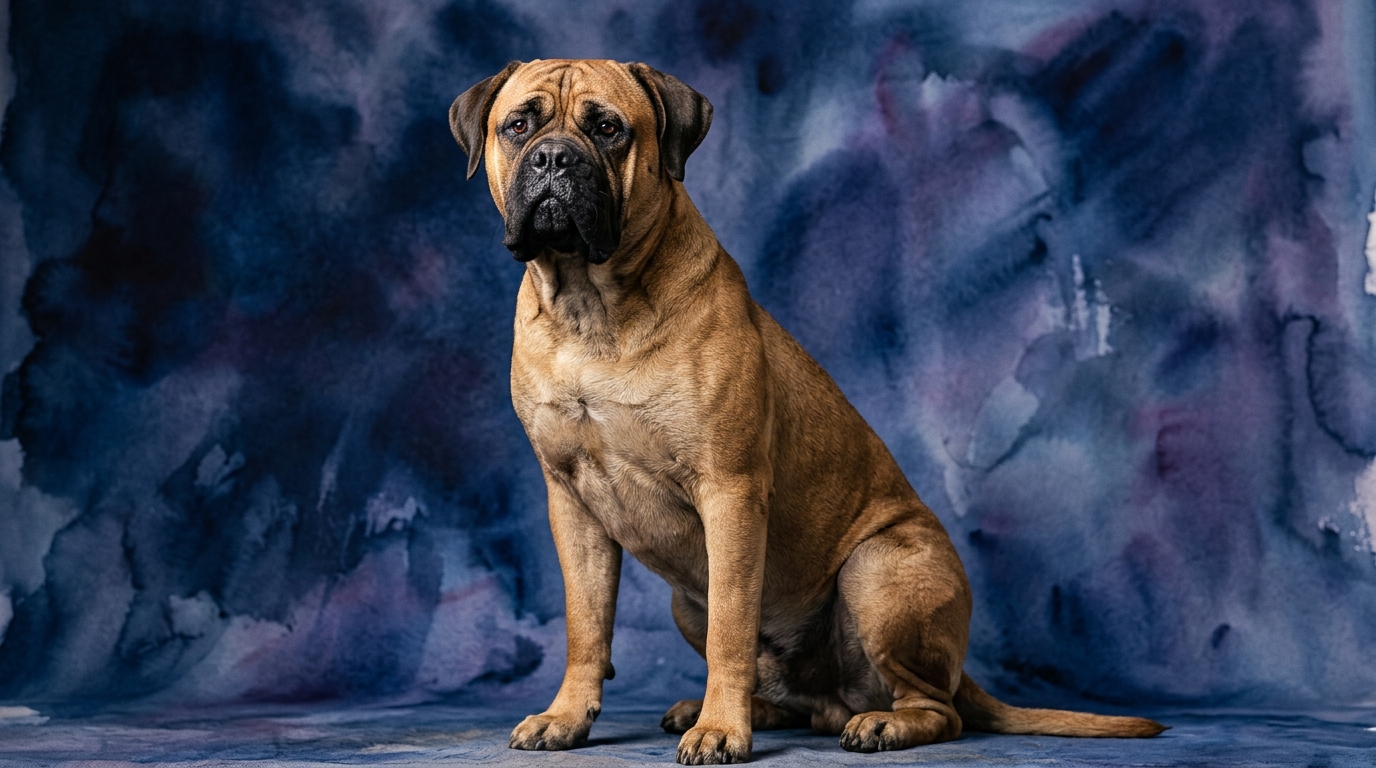
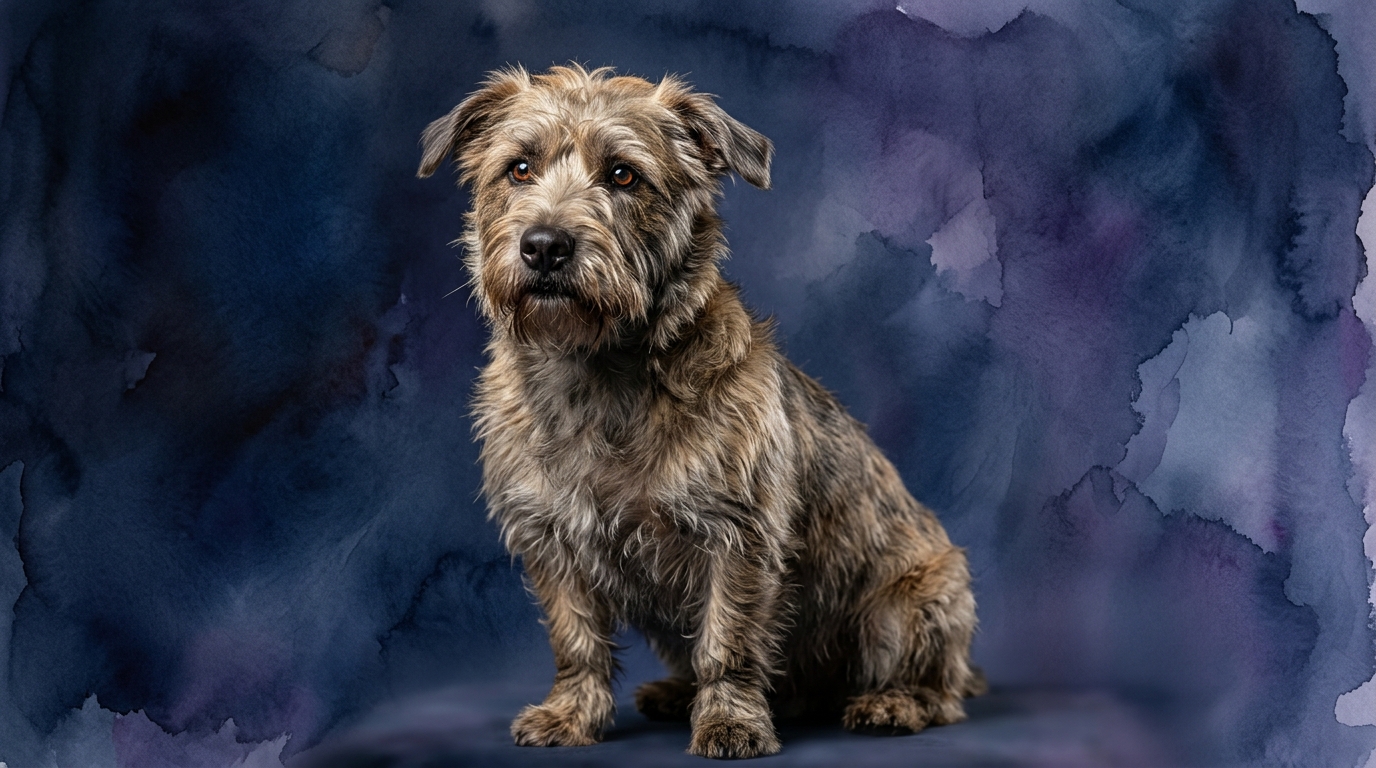
In The Cosmic Pet Pet IQ Lab, both the Bullmastiff and the Glen of Imaal Terrier register a consistent 3/5 across all five cognitive dimensions. This 'moderate' rating doesn't imply a lack of mental capacity but rather a specific type of intelligence tailored to their historical roles and breed traits. Understanding this common score requires a deeper look into how each breed interprets and applies these cognitive abilities in their daily lives.
For Problem Solving (3/5), the Bullmastiff exhibits a deliberate approach, often assessing situations with calm consideration before acting, particularly in scenarios related to their protective instincts. Their solutions tend to be practical and measured, reflecting a thoughtful rather than impulsive nature in navigating their environment. The Glen of Imaal Terrier, conversely, approaches problem-solving with a tenacious, independent spirit, often focused on tasks requiring ingenuity and persistence, especially when it involves accessing tight spaces or uncovering hidden objects. Their solutions are typically direct and driven by their innate terrier determination, showcasing cleverness in overcoming physical obstacles.
Regarding Training Speed (3/5), the Bullmastiff demonstrates a moderate pace, grasping new commands and routines with consistent, patient instruction. While not the quickest to pick up every single cue, they are generally willing partners who build strong associations over time, thriving on positive reinforcement and clear communication from their handler. The Glen of Imaal Terrier also shows a moderate training speed, capable of learning new behaviors effectively, but often on their own terms. They can quickly understand what is being asked but might choose to comply based on their own motivation, stemming from their independent terrier nature, requiring creative and varied approaches to maintain engagement.
In Social Intelligence (3/5), the Bullmastiff exhibits a nuanced awareness of human moods and household dynamics, forming deep bonds with their immediate family and acting as a calm, watchful presence. While often reserved with strangers, they can discern friendly from suspicious intentions, relying on subtle cues and their inherent guarding instincts to interpret social situations. The Glen of Imaal Terrier possesses moderate social intelligence, attuned to their family's emotions and capable of forming strong, affectionate bonds. They can read human cues to a reasonable extent but are less concerned with overt pleasing than with engaging in activities that satisfy their terrier drive, often displaying direct and honest social interactions.
The Instinctive Drive (3/5) of the Bullmastiff primarily manifests as a strong protective and guarding instinct towards their family and territory. This drive is measured and purposeful, not erratic, and is often paired with a desire to be a calm companion within the home, with a less pronounced prey drive compared to their guarding tendencies. The Glen of Imaal Terrier displays a moderate instinctive drive powerfully rooted in their badger-hunting heritage. This drive translates into a strong desire to dig, explore, and pursue small critters, making their instinct to work independently and follow a scent a significant part of their cognitive makeup, influencing their focus and motivation.
Finally, for Memory (3/5), the Bullmastiff demonstrates a reliable capacity, capable of retaining learned commands, routines, and experiences over time. They remember people, places, and past interactions, contributing to their reliability in established household roles and their ability to differentiate between familiar and unfamiliar situations. The Glen of Imaal Terrier possesses a practical memory, able to recall training cues, preferred routines, and past adventures. They remember where interesting smells were found or where a particular toy was hidden, showing a memory tied to their independent exploration and problem-solving that aids their persistence in tasks and their ability to navigate their environment effectively.
Where the Bullmastiff Wins Cognitively
Despite identical numerical scores, the Bullmastiff's cognitive strengths often lie in areas demanding calm assessment and a measured response. Their protective instinct isn't about frantic reactivity but a deliberate evaluation of a situation, distinguishing between a familiar presence and a perceived threat, then deciding on the appropriate level of intervention. This requires a specific cognitive process of evaluation and controlled action, reflecting a more profound understanding of social contexts and boundaries.
Bullmastiffs also excel at understanding and adhering to household routines, often anticipating meal times, walk schedules, or when their human needs comfort. This reflects a cognitive ability to recognize patterns and integrate themselves smoothly into family life, requiring a different kind of social intelligence than a terrier. Their large, calm presence means they often pick up on subtle emotional shifts in their primary caregivers and respond with a comforting presence, which points to a specific type of social perceptiveness within their inner circle.
Where the Glen of Imaal Terrier Wins Cognitively
The Glen of Imaal Terrier's cognitive prowess shines in areas demanding independent problem-solving and tenacity. Their terrier heritage means they are adept at figuring things out on their own, especially those involving digging, maneuvering in tight spaces, or strategizing how to get to something they desire. This demonstrates a self-directed cognitive process, often without direct human instruction, requiring ingenuity and persistent effort to overcome obstacles.
Once a Glen sets its mind on something, particularly if it involves their instinctive drive like investigating a scent or digging, their focus and tenacity are remarkable. This single-mindedness, while sometimes challenging for owners, is a significant cognitive strength for achieving a specific goal. Their historical role also required them to adapt quickly to different underground environments, making decisions on the fly about the best way to proceed, which points to a specific kind of cognitive agility and resilience in unpredictable situations.
Which is Easier to Train and Why
When considering trainability, the Bullmastiff, despite its 3/5 Training Speed, often proves more amenable to instruction. Their desire to please their handler and their strong companionship drive mean that once they understand a command and respect their leader, they are generally willing to comply. They respond best to a calm, consistent approach with positive reinforcement, and their steady memory ensures that learned behaviors are retained over time. Their protective instincts can be effectively channeled into specific guarding behaviors with clear boundaries, making them reliable partners with patient guidance.
The Glen of Imaal Terrier, also rated 3/5 for Training Speed, presents a different training dynamic due to their inherent independence and strong instinctive drive. While capable of learning, they can be more challenging because they might understand a command but choose not to perform it if they don't see an immediate benefit or if their terrier instincts are pulling them elsewhere. Training a Glen requires engaging, varied sessions to prevent boredom and stubbornness, a deep understanding of terrier psychology, and a sense of humor. Owners often find themselves needing to be more creative to motivate a Glen, as they are prone to applying their problem-solving skills to circumvent rules.
Which Suits Active Owners vs. Relaxed Owners
The Bullmastiff generally suits more relaxed owners who appreciate a calm, thoughtful companion. While they require regular, moderate exercise to maintain their health and prevent boredom, their cognitive profile leans towards a steady, watchful presence within the home. Owners who value a deep bond, a predictable routine, and are prepared for a dog with a strong protective streak will find the Bullmastiff an excellent fit, content with a few good walks and then settling indoors.
The Glen of Imaal Terrier, conversely, suits active owners or those who enjoy engaging in mentally stimulating activities. Their moderate instinctive drive means they need consistent outlets for digging, scent work, or puzzle toys to prevent destructive behaviors. They are not necessarily high-energy in the way some working breeds are, but they possess bursts of activity and a significant need for mental engagement. Owners who enjoy training challenges, earthdog trials, agility, or long, exploratory walks that allow for sniffing and investigation will thrive with a Glen.
The Verdict
Choose the Bullmastiff if you seek a calm, thoughtful guardian with a strong sense of family loyalty, who integrates smoothly into a steady household routine and offers a comforting, protective presence.
Opt for the Glen of Imaal Terrier if you appreciate an independent, tenacious companion with a clever mind and a distinct personality, willing to engage in playful problem-solving and activities that tap into their natural instincts.
🧠 Find Your Pet's IQ Score
Our Pet IQ Lab assessment covers 25+ tests across 5 cognitive dimensions — personalized to your breed.
Take the Full IQ Test →Frequently Asked Questions
Do Bullmastiffs or Glen of Imaal Terriers excel at dog sports?
Bullmastiffs, with their deliberate nature, might enjoy activities like obedience or rally at a slower pace, focusing on precision. Glen of Imaal Terriers, on the other hand, often thrive in earthdog trials, agility, or scent work, leveraging their natural drive and compact size for active engagement.
How do their social intelligence scores (3/5) translate to family life?
A Bullmastiff's 3/5 social intelligence means they are generally calm and observant within their family, forming deep bonds but often reserved with strangers. A Glen's 3/5 social intelligence means they are affectionate with family but may display typical terrier independence, choosing when and how to engage, and requiring careful socialization with other pets.
Are these breeds suitable for first-time dog owners?
Both breeds present unique challenges that might be daunting for completely novice owners without guidance. Bullmastiffs require an owner comfortable with their size and protective instincts, while Glen of Imaal Terriers need an owner who understands terrier independence and can provide consistent, engaging training to channel their drive appropriately.