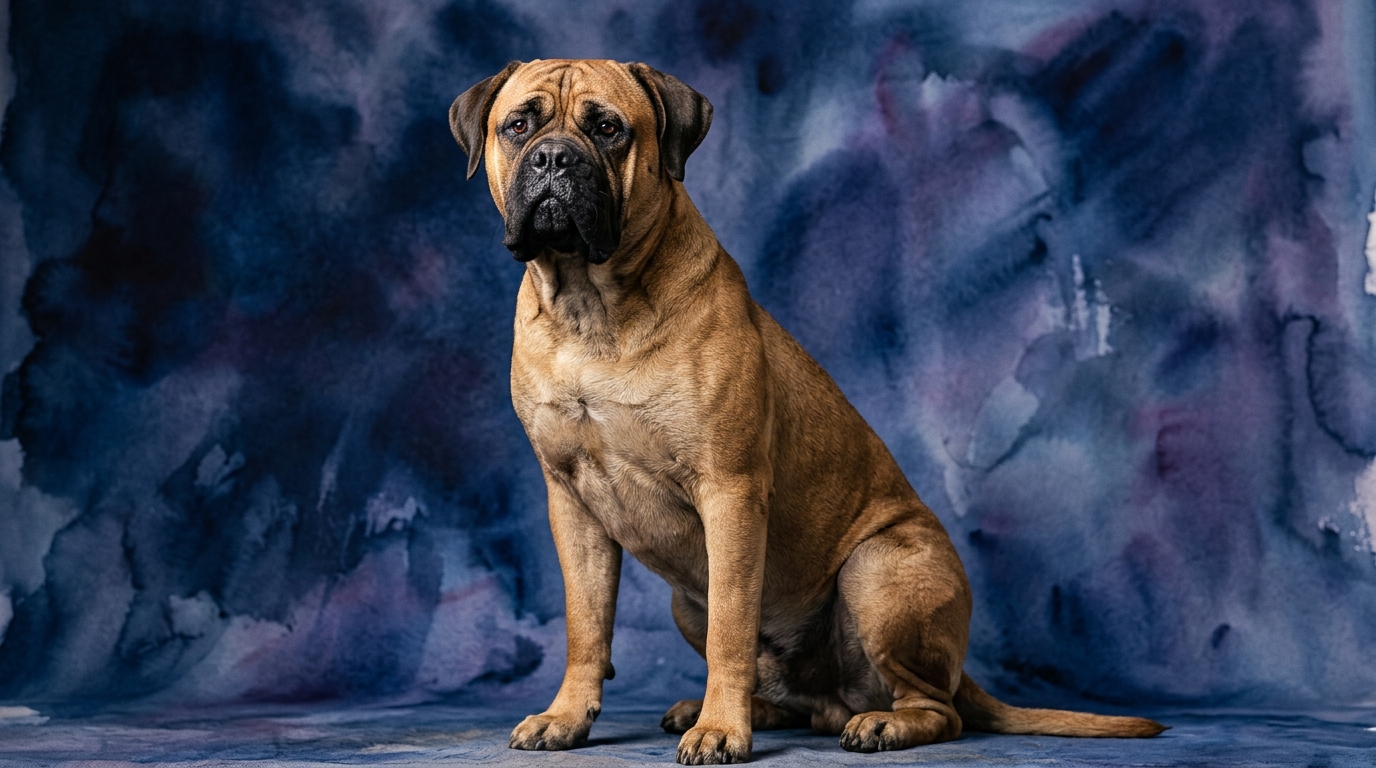
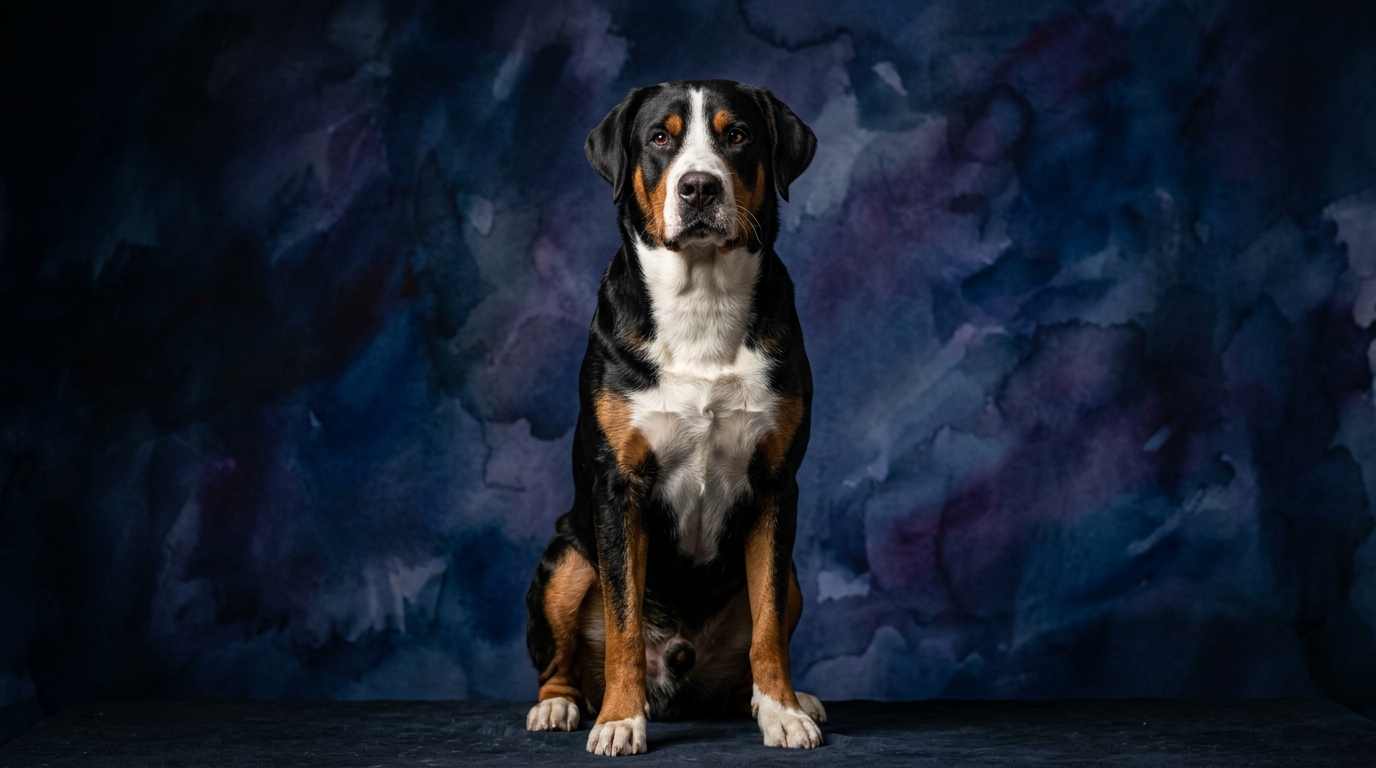
Side-by-Side IQ Profile: Bullmastiff vs. Greater Swiss Mountain Dog
The Cosmic Pet Pet IQ Lab's data provides a consistent baseline for both the Bullmastiff and the Greater Swiss Mountain Dog across key cognitive dimensions. Both breeds are assessed with a rating of 3 out of 5 for Problem Solving, indicating they possess a moderate capacity to navigate and resolve new situations, often relying on learned behaviors or basic trial-and-error rather than complex abstract reasoning. This means they are capable of adapting, but might not spontaneously devise novel solutions to intricate challenges.
In terms of Training Speed, both breeds also score 3 out of 5. This suggests they are capable learners who, with consistent and patient instruction, can master new commands and routines. They may not grasp concepts instantly like some top-tier breeds, but their ability to learn and retain information is solid, making training a rewarding process over time. Repetition and positive reinforcement are particularly effective for dogs in this learning speed category.
Social Intelligence for both breeds is rated at 3 out of 5, signifying their moderate ability to understand and respond to human cues, emotions, and social dynamics. They can form strong bonds with their families, discern intentions within their social group, and adapt their behavior to maintain harmony. This dimension highlights their capacity for empathy and their role as perceptive companions within a household.
Their Instinctive Drive is also scored at 3 out of 5, reflecting a moderate level of inherent, breed-specific behavioral impulses. For the Bullmastiff, this drive often manifests in protective and guarding behaviors; for the Greater Swiss Mountain Dog, it leans towards their historical roles in drafting, herding, and general farm work. These drives are present and influence their behavior, requiring appropriate outlets and engagement.
Finally, Memory for both the Bullmastiff and the Greater Swiss Mountain Dog is rated 3 out of 5. This score indicates they have a reliable capacity to remember commands, routines, and past experiences. They will generally recall lessons learned and the boundaries established, though their memory might not extend to every minute detail or every fleeting interaction with perfect clarity.
Cognitive Strengths Often Observed in the Bullmastiff
While both breeds share identical 3/5 ratings across all cognitive dimensions, the Bullmastiff's specific application of these abilities is often shaped by its historical role as a formidable estate guardian. Their 3/5 problem-solving frequently manifests as a keen ability to assess potential threats and situations within their territory. This isn't about solving complex puzzles, but rather making practical, on-the-spot judgments about who belongs and who doesn't, relying on their imposing presence and an innate understanding of boundaries to deter intruders.
Furthermore, their 3/5 social intelligence often translates into a deep, perceptive loyalty towards their family. Bullmastiffs are known for their quiet observation, often discerning their owners' moods and needs without explicit cues. They offer comfort or vigilance as appropriate, demonstrating an intuitive understanding of their human companions' emotional states. This manifests as a steadfast and reassuring presence, offering subtle indications of their bond.
Cognitive Strengths Often Observed in the Greater Swiss Mountain Dog
The Greater Swiss Mountain Dog, with its heritage as a versatile farm and drafting dog, applies its 3/5 cognitive scores in ways that highlight its practical working aptitude. Their problem-solving at a 3/5 level often shines in tasks requiring physical engagement and endurance, such as navigating varied terrain while pulling a cart or figuring out the most efficient way to move livestock. This demonstrates a robust, applied intelligence focused on tangible outcomes and physical challenges.
Their 3/5 instinctive drive is deeply rooted in their traditional all-around farm duties. This drive gives them a natural inclination to work alongside humans, making them excel in tasks that demand sustained effort and cooperation. Whether it's herding, guarding farm animals, or pulling loads, their drive provides a strong foundation for engagement and purpose, channeling their physical and mental energy productively. This natural inclination to be 'useful' is a distinct cognitive strength.
Which is Easier to Train and Why?
Both the Bullmastiff and the Greater Swiss Mountain Dog are rated 3/5 for training speed, indicating they are capable learners who benefit from consistent, patient, and positive reinforcement. However, nuances in their temperament and historical roles can influence the training experience. The Bullmastiff, while trainable, is ranked #69 in Coren's intelligence rankings, placing them in the category of 'average working/obedience intelligence.' This suggests they may require more repetitions to grasp new commands compared to breeds in higher tiers.
Bullmastiffs can exhibit an independent streak, a trait linked to their original purpose of thinking for themselves while guarding. This means they might occasionally 'test' boundaries or require a bit more motivation to comply, necessitating a firm yet fair and consistent approach. For the Greater Swiss Mountain Dog, while also a 3/5 in training speed, they generally possess a strong desire to please their owners, which can sometimes make them appear more amenable to training, especially when tasks align with their natural working drives.
Their robust physical presence and occasional stubbornness still mean that consistency, clear communication, and early socialization are paramount. Both breeds respond best to reward-based methods and thrive when training is framed as a collaborative effort rather than a strict imposition. Ultimately, neither is inherently 'easy' but both are highly capable with the right dedication, transforming potential challenges into deeply rewarding learning experiences for both dog and owner.
Which Suits Active Owners vs. Relaxed Owners?
For owners seeking a formidable yet generally calm companion, the Bullmastiff often presents a more suitable choice. While they require daily walks and mental engagement to prevent boredom and maintain physical health, their energy levels are typically moderate once they mature. They are often content to lounge near their family, acting as a watchful presence rather than demanding constant physical activity. Their protective nature means they are always mentally 'on duty,' but this vigilance doesn't translate into a need for high-impact exercise.
The Greater Swiss Mountain Dog, with its history as a versatile farm and drafting dog, generally aligns better with more active owners. These dogs thrive on physical activity and mental stimulation, enjoying extended hikes, engaging in carting, or participating in various dog sports. Their robust build and inherent drive mean they need a consistent outlet for their energy and a sense of purpose. Without sufficient activity, a Greater Swiss Mountain Dog can become bored, potentially leading to undesirable behaviors, making them a better fit for households able to provide regular, vigorous engagement.
The Verdict: When to Choose Each Breed
The Verdict
Choose a Bullmastiff if you seek a steadfast, quiet guardian with moderate exercise needs, valuing a deep, perceptive loyalty and a dog whose problem-solving leans towards protective assessment within the home environment.
Opt for a Greater Swiss Mountain Dog if you lead an active lifestyle and desire a robust, enthusiastic companion eager for outdoor adventures, valuing a dog whose practical intelligence excels in physical tasks and sustained engagement.
🧠 Find Your Pet's IQ Score
Our Pet IQ Lab assessment covers 25+ tests across 5 cognitive dimensions — personalized to your breed.
Take the Full IQ Test →Frequently Asked Questions
Do Bullmastiffs and Greater Swiss Mountain Dogs learn at the same pace?
Based on The Cosmic Pet Pet IQ Lab data, both breeds have a training speed rating of 3 out of 5, indicating they learn at a similar, moderate pace. This means they are capable of learning new commands and routines but benefit greatly from consistent, positive reinforcement and patience.
Which breed is better at understanding human emotions?
Both breeds score 3 out of 5 in social intelligence, suggesting they are equally adept at reading human cues and emotions. The Bullmastiff's expression of this might be a quiet, watchful presence, while the Greater Swiss Mountain Dog might show it through more overt enthusiasm and eagerness to please.
How do their problem-solving skills differ given the same 3/5 rating?
While both rate 3/5 in problem-solving, their application varies due to their historical roles. A Bullmastiff's problem-solving often manifests in assessing and deterring threats, while a Greater Swiss Mountain Dog's might be seen in navigating physical tasks like drafting or managing livestock on a farm. Both demonstrate practical intelligence relevant to their inherent drives.