Side-by-Side IQ Profile: Bullmastiff vs. Japanese Chin
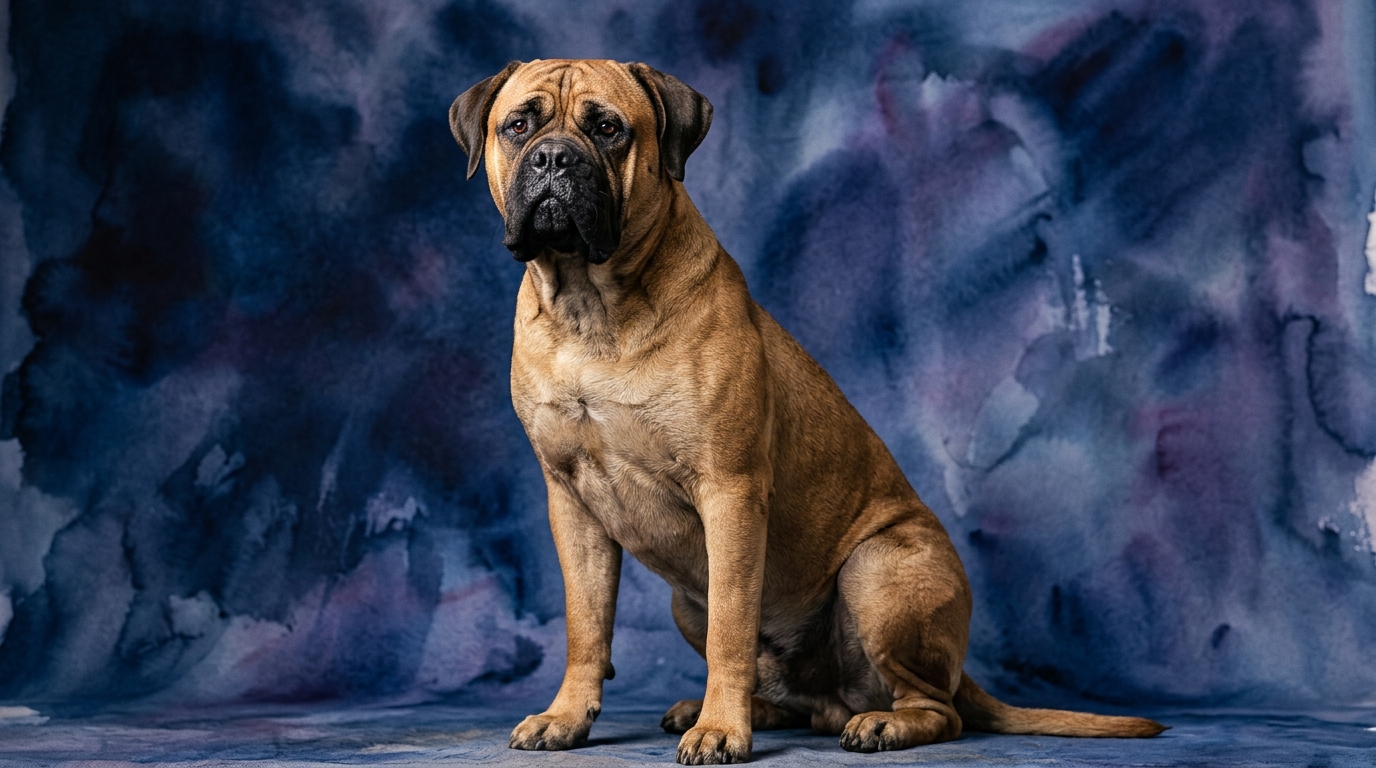
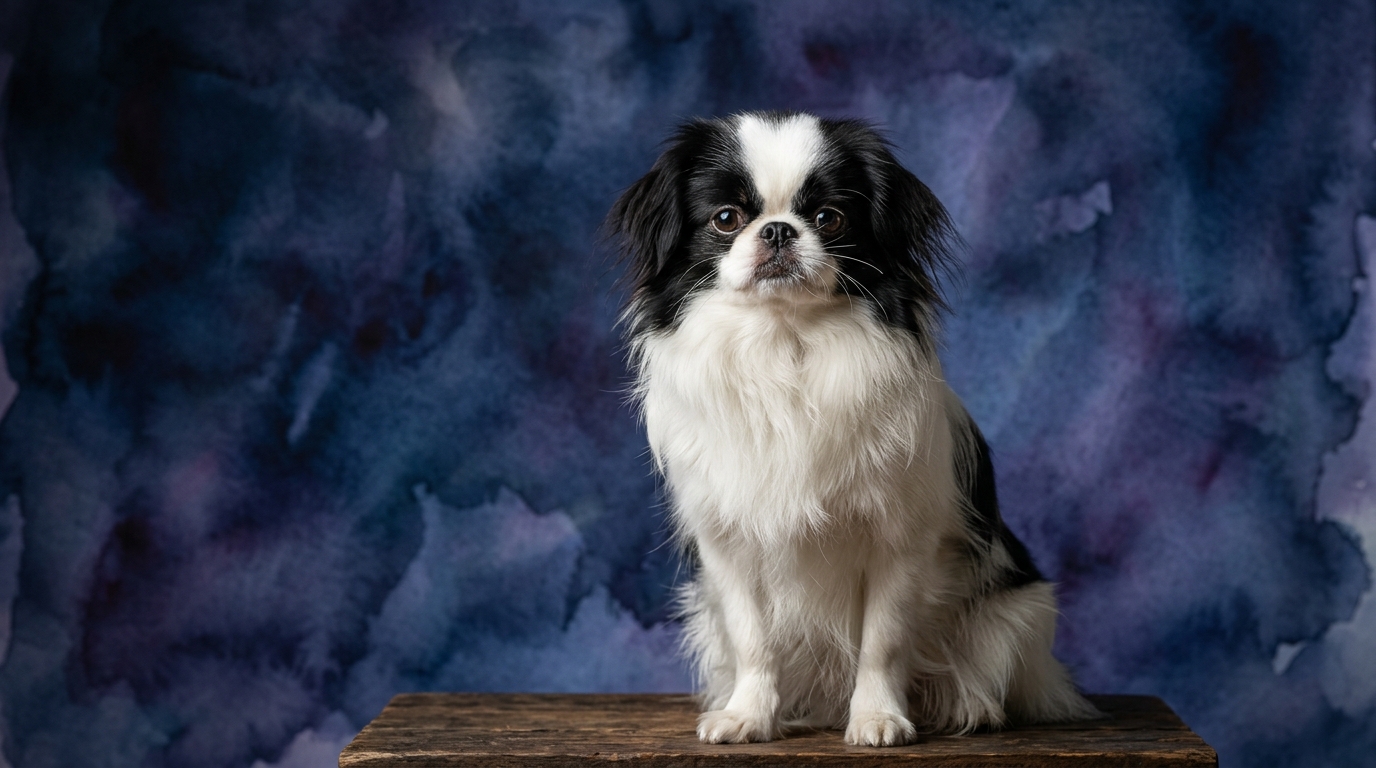
The Cosmic Pet Pet IQ Lab assesses canine intelligence across five key dimensions. The Bullmastiff, a Working breed ranked #69 by Coren, and the Japanese Chin, a Toy breed not Coren-ranked, surprisingly share identical scores across all categories, each earning a 3/5. This numerical parity, however, belies distinct applications of their cognitive capacities, shaped by their ancestral roles and physical attributes.
For the Bullmastiff, a 3/5 in **Problem Solving** often manifests in assessing their environment for potential threats or intruders. Their intelligence isn't about complex tricks but about practical, territorial decision-making, like discerning a friendly visitor from an unwelcome one or navigating obstacles to patrol their designated space. This score suggests they can grasp situational complexities relevant to their guardian role. A 3/5 in **Training Speed** indicates a moderate pace for learning new commands. Bullmastiffs possess a degree of independent thought and learn best with consistent, fair reinforcement, requiring patience for tasks not aligning with their perceived 'job.' Their **Social Intelligence** (3/5) shines in their ability to bond deeply with their family, understanding subtle cues and emotional states, though they are reserved with strangers. The Bullmastiff's primary **Instinctive Drive** (3/5) is protection, reflecting a strong, manageable urge to guard their territory and people. Finally, their **Memory** (3/5) serves them well in remembering routines, boundaries, and who belongs where, crucial for consistent guardian duties.
The Japanese Chin, on the other hand, applies its 3/5 in **Problem Solving** to its immediate social environment. This might involve figuring out how to get a favorite toy from under furniture, or more subtly, how to elicit attention or comfort from their human companions. Their intellect focuses on navigating the nuances of household dynamics and achieving personal comfort. A 3/5 in **Training Speed** for a Chin suggests they learn at a moderate pace, often driven by positive reinforcement like treats or affection. While eager to please, their small size and independent spirit mean they can also be prone to charming stubbornness if the motivation isn't compelling. The Japanese Chin excels in **Social Intelligence** (3/5), particularly within their family unit, with a keen ability to read human emotions and adapt their behavior to maintain harmony and receive affection. Their **Instinctive Drive** (3/5) is primarily companionship and comfort-seeking, a strong innate desire for close human interaction. The Chin's **Memory** (3/5) is effective for remembering routines, preferred sleeping spots, and the people who provide them with comfort and treats, allowing them to navigate their domestic world with confidence.
Where the Bullmastiff Wins Cognitively
The Bullmastiff's cognitive strengths are deeply rooted in its heritage as a guardian. Its 3/5 problem-solving score, for instance, is channeled into assessing complex environmental cues to identify potential threats, a skill far beyond simply learning a trick. They demonstrate a nuanced understanding of territorial boundaries and human intentions, making independent judgments about who belongs and who doesn't. This breed's social intelligence, also 3/5, manifests as an astute ability to gauge the emotional states of its family, offering silent comfort or stepping up vigilance as needed, a form of empathetic protection that requires careful reading of subtle human signals. Their memory (3/5) is particularly robust for recalling established routines and identifying familiar faces versus strangers, crucial for their consistent protective duties.
Where the Japanese Chin Wins Cognitively
The Japanese Chin, while physically diminutive, possesses a distinct cognitive advantage in the realm of domestic interaction and emotional manipulation. Its 3/5 problem-solving score is often applied to figuring out how best to charm its way into a lap or secure a preferred sleeping spot, navigating household dynamics with a subtle, yet effective, strategy. Their social intelligence (3/5) is particularly refined, allowing them to not only read human moods but also to adapt their behavior to elicit specific responses, be it comfort, play, or affection. This involves a sophisticated understanding of cause and effect within human relationships. Their memory (3/5) is excellent for recalling which family member is most likely to provide a treat or a comforting cuddle, optimizing their interactions for maximum personal benefit.
Which is Easier to Train and Why
Despite both breeds scoring 3/5 in Training Speed, the practicalities of training diverge significantly. The Bullmastiff, with its substantial size and independent, watchful nature, requires a trainer who understands canine psychology and can establish clear, consistent boundaries. Their moderate training speed means they learn, but often deliberate on the 'why' before complying. If a Bullmastiff decides a command is unnecessary or doesn't align with its protective instincts, it may offer passive resistance. Training a Bullmastiff isn't just about teaching commands; it's about shaping a formidable guardian into a well-mannered companion, where mistakes in training can have larger consequences due to their physical power.
Conversely, the Japanese Chin, while also scoring 3/5, often responds more readily to positive reinforcement centered around affection and treats, driven by its strong desire for companionship. However, their small size can sometimes lead to owners being less diligent with training, inadvertently fostering charming stubbornness or selective hearing. While they grasp concepts at a similar pace, their motivations differ: the Chin seeks connection and comfort, while the Bullmastiff processes commands through the lens of purpose and hierarchy. Therefore, while both learn, the Bullmastiff demands a more authoritative yet patient approach, whereas the Chin thrives on playful, reward-based methods, making the Chin *feel* easier to train for basic obedience due to its smaller stature and generally less challenging physical presence.
Which Suits Active Owners vs. Relaxed Owners
The choice between a Bullmastiff and a Japanese Chin largely depends on an owner's lifestyle and their capacity for providing physical and mental engagement. Active owners who enjoy structured outdoor activities and have a clear understanding of a large working breed's needs would find the Bullmastiff a rewarding companion. While not a high-endurance athlete, they require regular, moderate exercise to maintain their imposing physique and a consistent outlet for their protective instincts, which might include perimeter walks or structured play in a secure yard. Their mental stimulation comes from observing their environment and having a 'job,' even if it's just being a vigilant family guardian.
Relaxed owners, or those living in smaller spaces, would likely find the Japanese Chin a more suitable match. This breed thrives on indoor companionship and doesn't demand extensive outdoor excursions. Short, leisurely walks and indoor play suffice for their physical needs. Their mental stimulation is often satisfied through interactive games, puzzle toys, and ample human interaction, as their social intelligence (3/5) makes them highly attuned to their family's presence and activities.
The Verdict
Choose the Bullmastiff if you are an experienced owner seeking a loyal, protective companion for a larger home with a secure yard, prepared to invest in consistent, firm training and dedicated socialization. This breed thrives with owners who appreciate its independent, watchful nature and can provide the structure its guarding instincts require.
Opt for the Japanese Chin if you desire an affectionate, charming companion perfectly suited for indoor living, valuing deep social bonds and a relatively low-maintenance exercise routine. This breed flourishes with owners who enjoy close companionship and can provide consistent attention and gentle, reward-based training.
🧠 Find Your Pet's IQ Score
Our Pet IQ Lab assessment covers 25+ tests across 5 cognitive dimensions — personalized to your breed.
Take the Full IQ Test →Frequently Asked Questions
Do Bullmastiffs and Japanese Chins learn at the same pace?
Both breeds score 3/5 in Training Speed, indicating a moderate learning pace. However, their motivations differ; Bullmastiffs learn best with purpose and consistency, while Japanese Chins respond strongly to affection and treats, often making the Chin seem more eager for basic commands due to its desire for close interaction.
How does their problem-solving ability compare given the same score?
Despite identical 3/5 problem-solving scores, the application differs; Bullmastiffs excel at practical, territorial assessments and threat discernment, whereas Japanese Chins typically apply their intellect to navigating social dynamics, securing comfort, or manipulating their environment for attention.
Is a Bullmastiff or Japanese Chin better for a first-time dog owner?
The Japanese Chin is generally more suitable for first-time owners due to its adaptable nature, smaller size, and lower exercise demands, making it easier to manage. The Bullmastiff, with its significant size, strength, and strong protective instincts, requires an owner with experience and a firm understanding of large working breeds.