Side-by-Side Cognitive Profiles
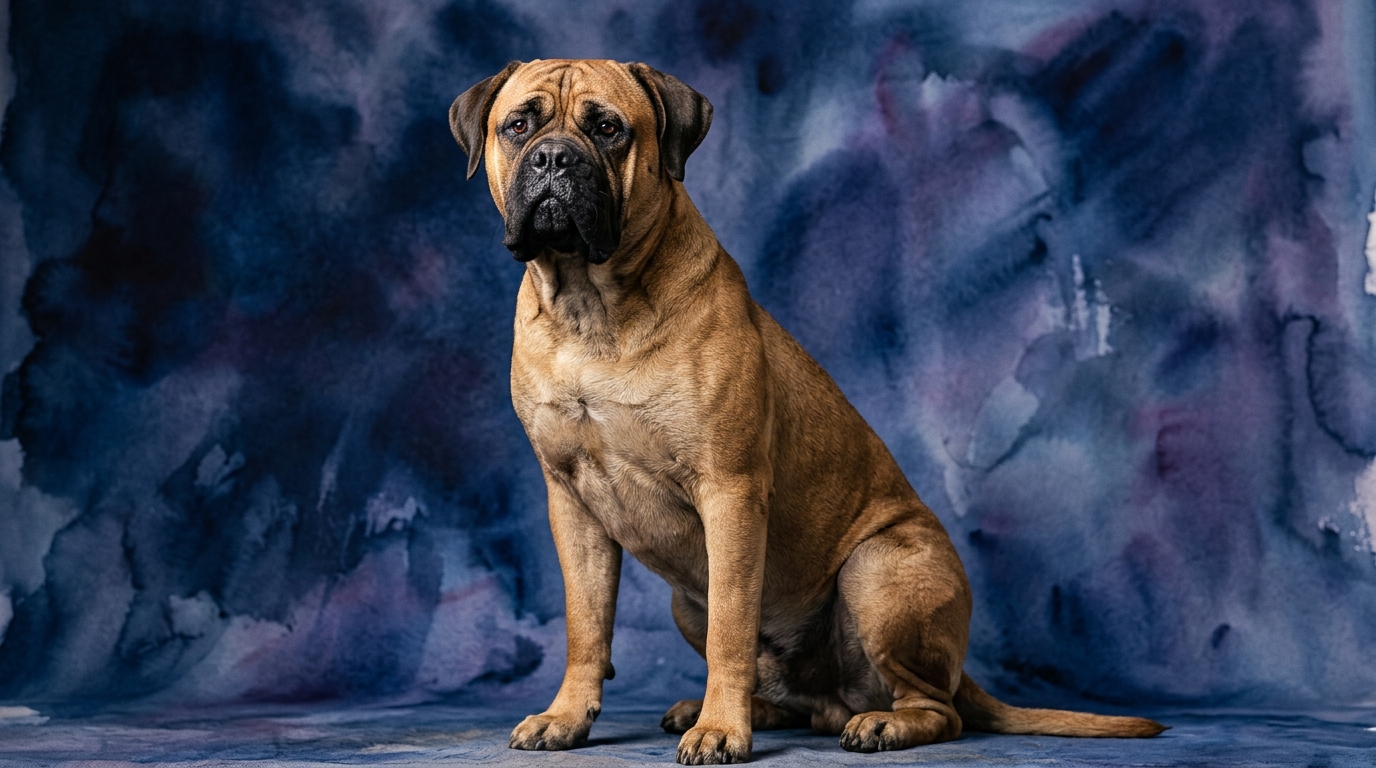
The Cosmic Pet IQ Lab assesses five crucial dimensions of canine intelligence, offering a granular view beyond a single ranking. For the Bullmastiff, a Working group dog with a Coren rank of #69, its profile paints a picture of steady competence: Problem Solving at 3/5, Training Speed at 3/5, Social Intelligence at 3/5, Instinctive Drive at 3/5, and Memory also at 3/5. This suggests a dog that is capable and consistent, approaching tasks with a deliberate pace and retaining information reliably without exceptional flair. Its cognitive strengths lean towards a grounded, practical application of its mental faculties.
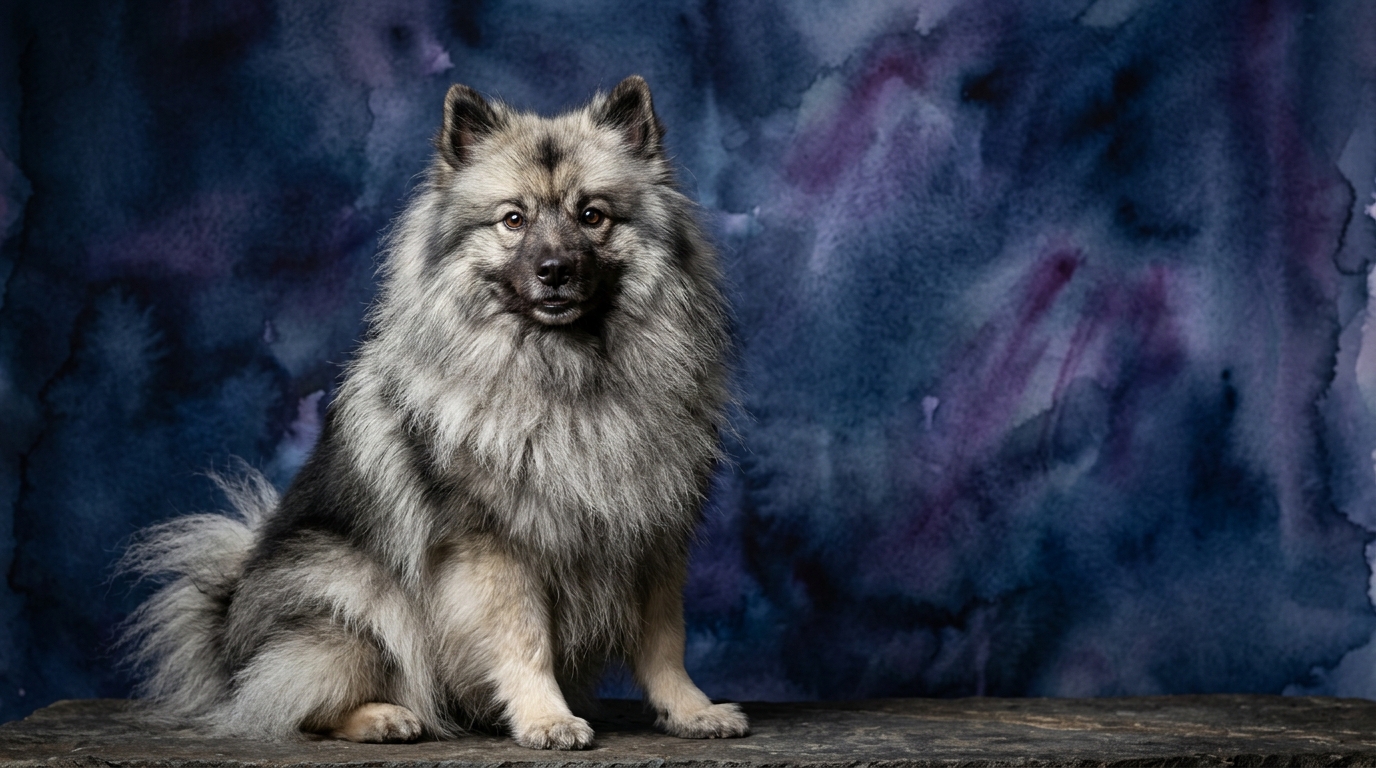
In contrast, the Keeshond, a Non-Sporting breed with an impressive Coren rank of #16, exhibits a sharper, more agile cognitive makeup. Its Problem Solving is rated at 4/5, indicating a strong capacity for novel challenges, while its Training Speed also stands at 4/5, showcasing a quick grasp of new concepts. Social Intelligence is 3/5, similar to the Bullmastiff, and Instinctive Drive is also 3/5. However, the Keeshond truly distinguishes itself with a remarkable 5/5 in Memory, suggesting an exceptional ability to recall and apply learned information over extended periods. This profile highlights a dog with a keen intellect and a superior capacity for retaining complex knowledge.
Where the Bullmastiff Wins Cognitively
While the Keeshond boasts higher scores in rapid learning and memory, the Bullmastiff's cognitive strengths lie in areas that prioritize steadfastness and deliberate discernment. Their 3/5 in Social Intelligence, coupled with their inherent guardian instincts, means they excel in calmly assessing their environment for anomalies. A Bullmastiff's problem-solving (3/5) might manifest as a pragmatic, rather than intricate, solution to a perceived threat, focusing on direct action or deterrent rather than complex manipulation. For instance, they might be quicker to recognize a subtle shift in a stranger's demeanor or an unusual sound outside the home, processing this information through a lens of protective responsibility. Their 3/5 in Instinctive Drive also suggests a more controlled, less impulsive response to environmental stimuli compared to some breeds with higher drives. This means they are less likely to be distracted by every passing squirrel, instead channeling their attention towards their primary role as a watchful companion. Their cognitive process, while not geared for speed, is robust in its consistency and reliability, making them superb at maintaining a vigilant presence without excessive reactivity. This deliberate processing can be a distinct advantage in situations requiring a calm, unwavering presence and a focus on essential duties rather than multifaceted tasks. Their cognitive strength is in their unwavering, focused attention to their environment and their role within it.
Where the Keeshond Wins Cognitively
The Keeshond’s cognitive profile shines brightly in areas demanding quick mental processing, adaptability, and exceptional recall. With a formidable 4/5 in Problem Solving, they demonstrate a superior capacity to analyze novel situations and formulate effective solutions, often with an element of ingenuity. This means they are not just capable of learning commands, but also of understanding the underlying principles of a task and applying them in varying contexts. Their 4/5 in Training Speed means they absorb new information rapidly, often requiring fewer repetitions than many other breeds to master a new skill. However, the Keeshond’s crowning cognitive achievement is their 5/5 in Memory. This exceptional recall allows them to retain a vast repertoire of commands, remember complex sequences, and apply past lessons to present challenges with remarkable accuracy over extended periods. This makes them outstanding candidates for activities that build upon learned skills, such as advanced obedience, intricate trick training, or agility courses where remembering sequences is paramount. Their cognitive agility allows them to process multiple pieces of information simultaneously, making them highly responsive and capable of executing precise actions based on a deep understanding of their environment and expectations. This superior cognitive processing makes them highly adaptable to new learning challenges.
Which is Easier to Train, and Why?
When it comes to ease of training, the Keeshond generally holds an advantage due to its higher scores in Training Speed (4/5) and Memory (5/5). They grasp new concepts quickly and retain them exceptionally well, meaning less repetition is typically needed to solidify behaviors. Their strong problem-solving ability (4/5) also helps them decipher what is being asked of them more readily, often anticipating commands or understanding multi-step instructions. Behavioral differences reflecting this include a greater eagerness to engage in training sessions, a quicker response to cues, and a lower likelihood of 'forgetting' previously learned commands, even after a break in practice. While they can have an independent streak, their cognitive capacity ensures that once they understand a rule or command, it is deeply ingrained.
The Bullmastiff, with a 3/5 in both Training Speed and Memory, will require a more patient and consistent approach. They learn at a steady pace, but new commands will typically need more repetitions and regular reinforcement to become second nature. Their problem-solving (3/5) is less about intricate solutions and more about direct application, meaning training methods should be clear, concise, and unambiguous. Behavioral differences often include a greater need for consistent leadership and a tendency to test boundaries if training is inconsistent. They may not 'forget' commands entirely, but a lack of regular practice can lead to slower responses or a need for refreshers. Training a Bullmastiff is rewarding, but it demands commitment to a consistent routine and a firm, fair hand to ensure their moderate memory and learning speed translate into reliable obedience.
Suitability for Active vs. Relaxed Owners
The cognitive profiles of these two breeds suggest different ideal owner lifestyles. The Keeshond, with its elevated Problem Solving (4/5) and exceptional Memory (5/5), thrives with owners who can provide consistent mental stimulation. These dogs are at their best when their brains are actively engaged, whether through advanced obedience training, learning complex tricks, participating in dog sports like agility, or solving interactive puzzle toys. An active owner for a Keeshond is not necessarily one who runs marathons, but one who enjoys dedicating time to intellectual engagement, providing new challenges, and fostering a mentally enriched environment. They need their minds exercised as much as their bodies, making them suitable for owners who value a cognitively responsive and adaptable companion.
Conversely, the Bullmastiff, with its more moderate scores across all cognitive dimensions, generally suits owners seeking a more relaxed and predictable companionship. Their 3/5 in training speed and problem-solving indicates they are content with a steady routine and less intense mental demands. While they certainly benefit from training and engagement, they do not possess the same inherent drive for complex mental challenges as the Keeshond. Their social intelligence (3/5) and instinctive drive (3/5) make them excellent, steadfast companions for owners who appreciate a calm, watchful presence and a more deliberate pace of life. A relaxed owner for a Bullmastiff is someone who offers consistent affection, moderate physical activity, and a stable environment, valuing loyalty and a grounded demeanor over constant cognitive engagement and high-energy mental tasks.
The Verdict
Choose the Bullmastiff if you seek a loyal, steadfast, and protective companion who thrives on a predictable routine and appreciates a more deliberate pace of learning, content with moderate mental engagement and consistent guidance.
Choose the Keeshond if you are an owner who enjoys engaging in complex training, dog sports, or providing consistent mental challenges, valuing a companion with exceptional memory and a quick, adaptable mind.
🧠 Find Your Pet's IQ Score
Our Pet IQ Lab assessment covers 25+ tests across 5 cognitive dimensions — personalized to your breed.
Take the Full IQ Test →Frequently Asked Questions
Does Coren rank directly reflect a dog's overall intelligence?
No, Coren's ranking primarily assesses 'working and obedience intelligence,' focusing on a dog's trainability and ability to follow commands. The Cosmic Pet IQ Lab provides a more nuanced view by breaking down intelligence into several dimensions, revealing specific cognitive strengths beyond just obedience, such as problem-solving and memory.
Are Bullmastiffs difficult to train?
While their training speed is 3/5, indicating they learn at a steady pace rather than rapidly, Bullmastiffs are not inherently difficult to train. They require consistent, patient training with clear commands, positive reinforcement, and a strong, fair leader. Their moderate memory means consistency is crucial to solidifying learned behaviors over time.
What activities best suit a Keeshond's cognitive strengths?
Keeshonds excel in activities that leverage their high problem-solving ability (4/5) and exceptional memory (5/5). This includes advanced obedience, agility, trick training, and puzzle toys, all of which provide crucial mental stimulation. Their cognitive agility makes them ideal for learning complex sequences and adapting to new challenges.