Side-by-Side Cognitive Profiles
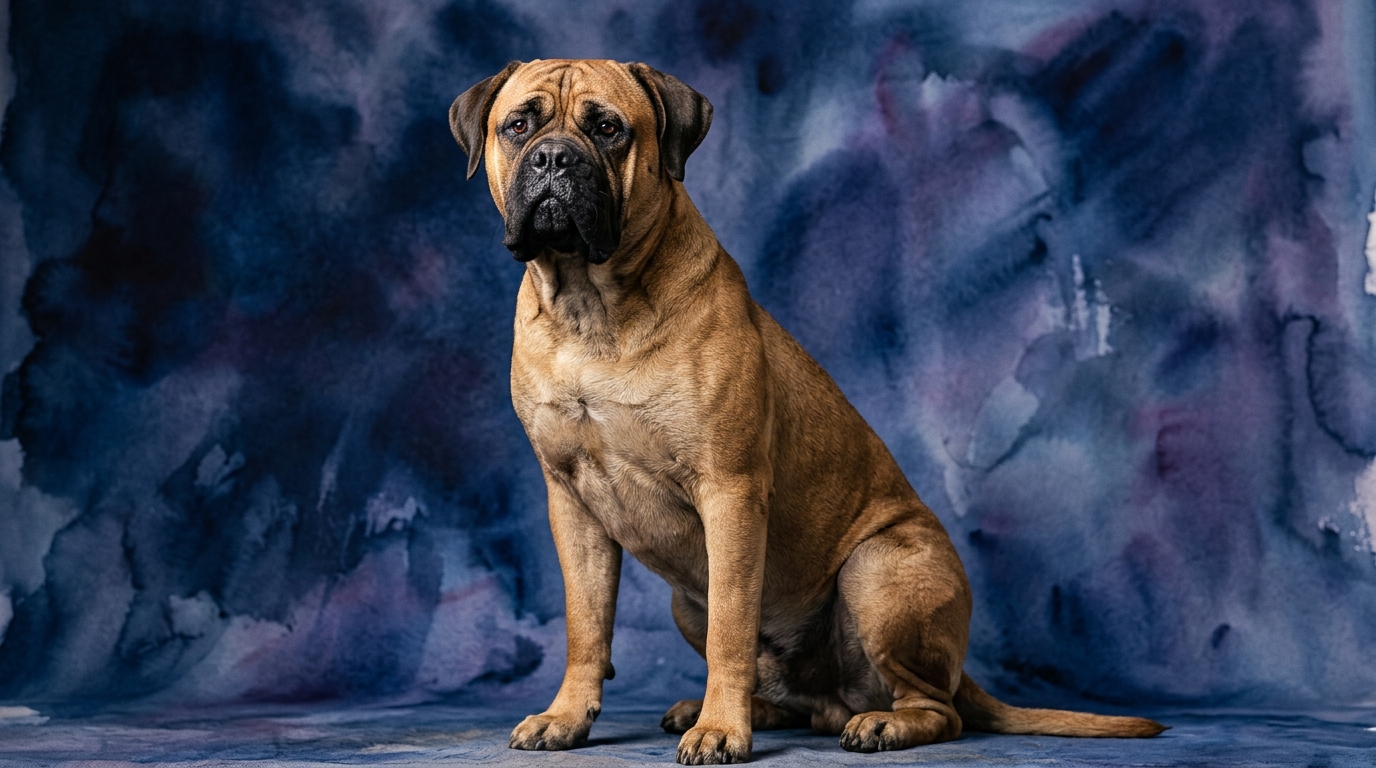
**Bullmastiff (Working Group, Coren Rank #69):** This breed’s 3/5 score in Problem Solving reflects a deliberate and often independent approach to challenges. Rather than immediate, trial-and-error solutions, they tend to observe, process information, and then act with a purpose, particularly when it involves assessing potential threats or protecting their territory. Their problem-solving is less about intricate puzzles and more about practical, real-world scenarios requiring a steady, thoughtful response. For Training Speed (3/5), Bullmastiffs absorb new commands at a moderate pace, preferring consistency and clear, patient instruction. Their independent nature means they need to understand the 'why' behind a command and may require more repetition to solidify new behaviors compared to highly eager breeds, but once learned, commands are often retained reliably. A Bullmastiff's Social Intelligence (3/5) shines in their discerning nature; they are perceptive observers of human behavior and household dynamics, quickly understanding social hierarchies and emotional states within their family unit. While not overtly demonstrative with strangers, they accurately gauge intentions and subtle cues, making them effective, albeit reserved, social navigators who prioritize their family's well-being. Their Instinctive Drive (3/5) is predominantly rooted in guarding and companionship, manifesting as a strong protective instinct towards their family and property, coupled with a deep desire to be near their human companions. Their drive isn't typically for high-energy pursuits or retrieving, but rather a steady, watchful presence. Lastly, Bullmastiffs possess a solid, practical Memory (3/5), retaining learned commands, routines, and experiences over long periods, particularly those associated with their daily lives and social interactions, which contributes to their dependable nature.
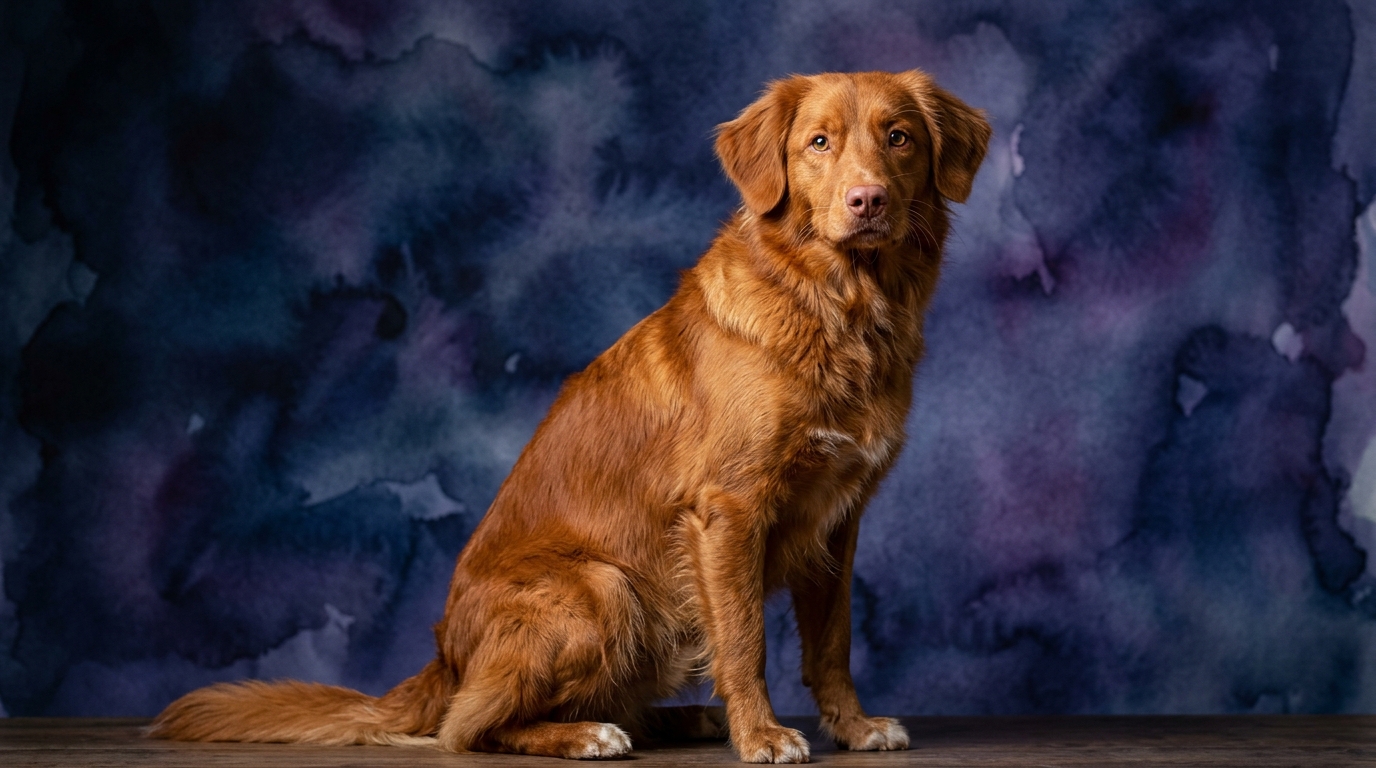
**Nova Scotia Duck Tolling Retriever (Sporting Group, Not Coren-Ranked):** Tollers approach Problem Solving (3/5) with an adaptive and often energetic mindset. Their score indicates a capacity to figure out tasks, especially those involving retrieving or navigating varied terrains, through focused effort and a willingness to try different approaches. While not always opting for the most direct solution, they show persistence and ingenuity, particularly when motivated by a desired outcome like a thrown toy or a hidden treat. For Training Speed (3/5), Tollers exhibit a moderate pace, often eager to please and quick to engage in learning. They respond well to positive reinforcement and can pick up new tasks with enthusiasm, particularly if the training involves movement, games, or retrieving. Their willingness to participate often makes the training process engaging and productive, leading to steady progress in acquiring new skills. The Toller's Social Intelligence (3/5) is marked by their keen awareness of their surroundings and the emotions of their human companions; they are often attuned to subtle shifts in mood and can adapt their behavior accordingly, seeking engagement or offering comfort. Their social interactions are typically enthusiastic and cooperative, demonstrating an ability to read cues and respond in ways that foster connection and teamwork. This breed's Instinctive Drive (3/5) is strongly oriented towards their retrieving heritage, manifesting as a sustained desire to chase, retrieve, and 'toll' (lure) waterfowl, translating into a general enthusiasm for games of fetch, swimming, and active outdoor pursuits. This drive requires regular outlets and provides a powerful motivator for training and engagement. Finally, Tollers demonstrate a functional and task-oriented Memory (3/5), reliably recalling commands, learned routes, and the location of favorite toys or retrieves. Their memory is particularly effective for sequences related to their work or play, allowing them to remember complex retrieving patterns or routines.
Where the Bullmastiff Excels Cognitively
While both breeds share a 3/5 rating across the board, the Bullmastiff's cognitive strengths often manifest in areas requiring measured judgment and protective discernment. Their problem-solving, rated 3/5, leans towards evaluating situations for potential threats or inconsistencies within their established environment. For example, a Bullmastiff might excel at recognizing a subtle shift in a stranger’s demeanor that indicates unease, prompting a watchful stance rather than an immediate, impulsive reaction. This is not about complex puzzle-solving, but rather a practical, real-world assessment of safety and security. Their 3/5 social intelligence allows them to interpret family dynamics with a nuanced understanding, often acting as a calm, observant presence that registers emotional states and social cues without needing to be at the center of attention. This translates into a perceptive companion who can offer quiet support or a steady presence when needed, demonstrating a deeper comprehension of human emotional states than a more outwardly expressive breed might. Furthermore, their memory, also 3/5, is particularly robust for recalling established routines and boundaries, making them exceptionally reliable in maintaining household order and recognizing familiar faces or situations, which is crucial for their guardian role.
Where the Nova Scotia Duck Tolling Retriever Excels Cognitively
Conversely, the Nova Scotia Duck Tolling Retriever's cognitive advantages, also underpinned by 3/5 scores, are evident in their adaptability and task-focused persistence. Their problem-solving, while also 3/5, is often expressed through creative and energetic approaches to physical tasks or retrieving challenges. A Toller might quickly devise a way to retrieve a toy from an awkward spot, using their agility and tenacity, whereas a Bullmastiff might ponder a more direct, less physical solution. This is about dynamic engagement with their environment. Their 3/5 training speed, combined with their strong instinctive drive, means they often show exceptional focus and enthusiasm in learning tasks that align with their retrieving instincts. They might learn a multi-step retrieve sequence more readily, not because they are 'smarter' in a general sense, but because the activity itself is profoundly rewarding and intrinsically motivating for them. Their social intelligence, also 3/5, excels in cooperative settings, making them highly attuned to handler cues during activities like obedience or agility, demonstrating a seamless partnership that relies on swift interpretation and response to human direction.
Trainability: Engagement vs. Independence
Determining which breed is 'easier' to train is less about raw cognitive capacity and more about their inherent motivations and behavioral tendencies. Both breeds hold a 3/5 training speed, but this score manifests differently. The Nova Scotia Duck Tolling Retriever, with its pronounced 3/5 instinctive drive for retrieving and active engagement, often brings a palpable enthusiasm to training sessions. They are typically eager to please, highly food-motivated, and thrive on interactive tasks, making them responsive to positive reinforcement and eager to participate in learning new commands or complex routines, especially those involving movement or objects. Their willingness to work collaboratively and their sustained focus on tasks that align with their natural drives can make the training process feel more fluid and rewarding for an owner who enjoys active engagement. In contrast, the Bullmastiff, while capable of learning at a 3/5 speed, tends to be more independent in their approach. Their 3/5 instinctive drive is rooted in guarding and companionship, not high-octane work. They require clear, consistent, and patient training that respects their deliberate nature. They may not offer the same eager exuberance as a Toller, often needing to understand the practical purpose behind a command. While they learn reliably, training a Bullmastiff often demands more patience, less repetition of frivolous tricks, and a focus on establishing trust and mutual respect, rather than relying solely on enthusiastic cooperation. Therefore, for an owner seeking a highly engaged and cooperative partner in activities, the Toller might *feel* easier to train due to their intrinsic motivation and zest for work. For an owner who values a thoughtful, steady learner and is prepared for a more independent temperament, the Bullmastiff will prove equally trainable, albeit with a different dynamic.
Matching Canine Cognition to Lifestyle
The distinct expressions of their 3/5 instinctive drives largely dictate which breed aligns better with active versus relaxed lifestyles. The Nova Scotia Duck Tolling Retriever, with its strong 3/5 drive for retrieving and energetic engagement, is unequivocally suited for active owners. This breed requires substantial daily physical and mental stimulation to thrive. They benefit immensely from activities like extended fetch sessions, swimming, hiking, dog sports such as agility or flyball, and even canine scent work. An owner who enjoys spending hours outdoors and can provide consistent outlets for their Toller's natural inclination to 'work' will find a deeply satisfied and well-behaved companion. Without adequate exercise and mental challenges, a Toller can become restless or develop undesirable behaviors, as their inherent drive seeks an outlet. The Bullmastiff, on the other hand, with its 3/5 instinctive drive centered on guarding and companionship, is generally a better fit for more relaxed owners. While they do require regular, moderate exercise to maintain their substantial physique and overall health, their needs are not as intense or sustained as a Toller's. Daily walks, short play sessions, and opportunities to patrol their yard are usually sufficient. Their calm, watchful demeanor means they are content to be a steady presence within the home, observing their surroundings and enjoying quiet companionship with their family. They are not typically candidates for high-impact dog sports or endurance activities. Owners seeking a loyal, protective companion who enjoys a more leisurely pace of life will find the Bullmastiff's temperament aligns well with their lifestyle, provided they offer consistent leadership and social integration.
The Verdict
Choose a Bullmastiff if you seek a calm, discerning guardian with a steady presence, valuing deliberate judgment and a more relaxed daily pace, provided you appreciate their independent learning style and protective nature.
Opt for a Nova Scotia Duck Tolling Retriever if you desire an energetic, cooperative partner for outdoor adventures and dog sports, thriving on consistent mental and physical challenges that tap into their retrieving drive.
🧠 Find Your Pet's IQ Score
Our Pet IQ Lab assessment covers 25+ tests across 5 cognitive dimensions — personalized to your breed.
Take the Full IQ Test →Frequently Asked Questions
Are Bullmastiffs difficult to train given their independence?
Bullmastiffs are not inherently difficult to train, but their 3/5 training speed is coupled with a more independent temperament. They respond best to consistent, patient methods and clear communication, often needing to understand the purpose of a command rather than just rote learning. Expect a steady learning curve rather than rapid acquisition of complex tricks.
How does a Toller's instinctive drive manifest in daily life?
A Toller's 3/5 instinctive drive is strongly geared towards retrieving and high-energy engagement. In daily life, this means a consistent desire for games of fetch, swimming, and active outdoor play. They thrive on having a 'job' to do, whether it's retrieving toys, participating in dog sports, or engaging in vigorous walks, and require ample outlets for this energy.
Despite similar IQ scores, what's the core cognitive difference?
The core cognitive difference, despite identical 3/5 IQ scores, lies in the *application* of those abilities, shaped by their breed roles. The Bullmastiff's cognition focuses on deliberate judgment, protective assessment, and maintaining order, while the Toller's excels in adaptive problem-solving for physical tasks, cooperative engagement, and sustained focus on retrieving-related activities.