Side-by-Side IQ Profile: Bullmastiff vs. Otterhound
While both the Bullmastiff and the Otterhound register identical 3/5 scores across The Cosmic Pet Pet IQ Lab's five cognitive dimensions, understanding their breed-specific manifestations is crucial. These scores indicate a moderate, practical application of their mental faculties, deeply influenced by their historical roles.
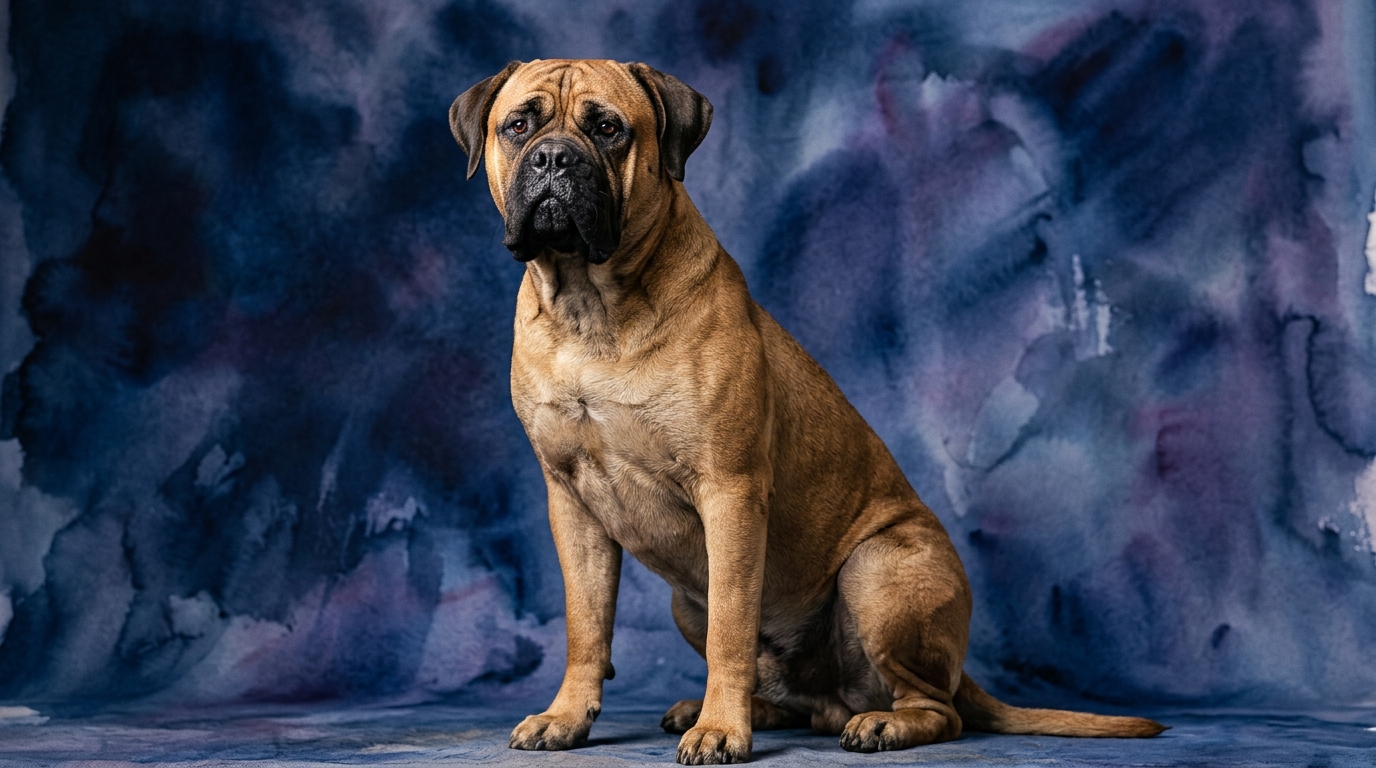
The Bullmastiff, a member of the Working Group and ranked #69 by Coren for working/obedience intelligence, demonstrates a cognitive profile geared towards protection and companionship. Their Problem Solving (3/5) often manifests as a keen awareness of their environment, adept at assessing perceived threats or unusual situations within their territory. Training Speed (3/5) reflects a steady, rather than rapid, learning pace; they respond best to consistent, patient instruction, motivated by a desire to please their family. Social Intelligence (3/5) in a Bullmastiff is deeply attuned to human emotions and family dynamics, displaying a calm, watchful empathy, especially with their immediate circle. Their Instinctive Drive (3/5) is predominantly focused on guardianship, vigilance, and a strong sense of duty to their people. Finally, their Memory (3/5) is robust for retaining routines, people, and places, aiding their protective role and reinforcing family bonds.
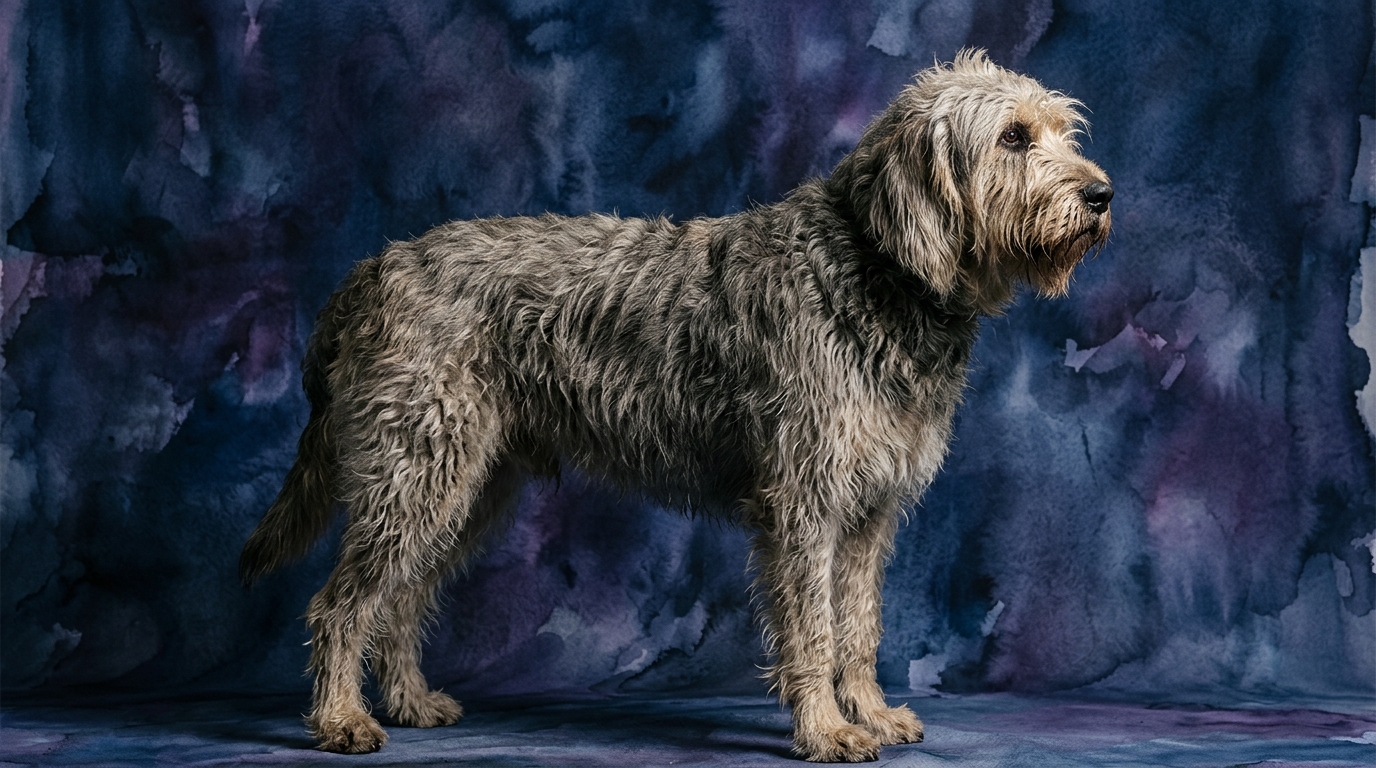
The Otterhound, belonging to the Hound Group and not Coren-ranked, presents a cognitive tapestry woven with an extraordinary sense of smell and an independent spirit. Their Problem Solving (3/5) is almost exclusively applied to tracking; they excel at navigating complex terrains and overcoming obstacles through persistent olfactory investigation, rather than abstract reasoning. Training Speed (3/5) indicates an average learning capacity, yet their profound scent drive can make them seem less responsive; success hinges on making lessons more engaging than the allure of a fresh trail. Social Intelligence (3/5) for an Otterhound is often described as boisterous and congenial, relating well to both humans and other dogs with a friendly, if sometimes clumsy, understanding of social interactions. Their Instinctive Drive (3/5) is overwhelmingly dominated by their powerful nose and an insatiable desire to track, guiding much of their behavior and focus. Their Memory (3/5) is particularly adept at recalling scent trails and familiar routes, allowing them to retrace steps or differentiate between complex smells over long distances.
Where the Bullmastiff Wins Cognitively
The Bullmastiff's cognitive strengths lean towards a nuanced understanding of their domestic world, making them exceptional companions within a family unit. While their Problem Solving is rated 3/5, its expression is refined for practical, situation-based reasoning, particularly concerning the safety and well-being of their household. This isn't about solving complex puzzles, but rather evaluating perceived anomalies or potential threats with a calm, deliberate approach, often intervening subtly if they sense distress in their people. Their Social Intelligence, also 3/5, is finely tuned to human emotional states and family dynamics, allowing them to provide comfort or anticipate needs with a deep, protective empathy. This ability to integrate seamlessly into a human family structure, combined with a reliable Memory for individuals and routines, gives them an edge in maintaining household harmony and acting as a steadfast, intuitive guardian.
Where the Otterhound Wins Cognitively
The Otterhound's unique cognitive victories are profoundly rooted in their ancestral purpose: tracking game with an unparalleled olfactory focus. While their Problem Solving scores an average 3/5, its manifestation is extraordinary when a scent trail is involved. They demonstrate relentless focus and ingenuity in overcoming physical and environmental obstacles, not through abstract thought, but by persistently following a scent, showcasing a specialized form of intelligence that is highly effective in their domain. Their Instinctive Drive, also rated 3/5, is singularly concentrated on their olfactory abilities, making them masters of scent detection and discrimination. This specialization means their Memory is particularly adept at recalling complex scent patterns and intricate routes, allowing them to retrace steps or differentiate between overlapping smells with remarkable precision. This highly specialized, persistent intelligence makes them unparalleled in tasks requiring sustained focus on sensory input over long distances and varied terrains.
Which is Easier to Train and Why
Despite both breeds scoring 3/5 for Training Speed, the practical experience of training them diverges significantly due to their inherent motivations and distractions. The Bullmastiff, driven by a desire to remain an integral part of their family unit and fulfill a protective role, generally responds well to consistent, positive reinforcement from their primary caregivers. Their Problem Solving and Social Intelligence, while moderate, are geared towards understanding human cues and expectations, making them typically amenable to obedience training when approached with patience and clear communication. Their distractibility is generally lower in a controlled environment, allowing for focused learning sessions. They thrive on establishing a reliable routine and performing tasks that reinforce their bond with their family.
In contrast, the Otterhound's training journey is often complicated by their powerful, ever-present Instinctive Drive to track. Their 3/5 training speed is perpetually challenged by their nose; a captivating scent can instantly override any learned command, making recall particularly difficult in open spaces. Training an Otterhound demands immense creativity to make lessons more compelling than the allure of a fresh trail, requiring owners to harness their innate drive through activities like scent work rather than attempting to suppress it. Consistency is paramount, but so is understanding that their primary motivation is often the thrill of the chase, even if it's just a fascinating smell. Therefore, while both require commitment, the Bullmastiff generally presents fewer fundamental behavioral hurdles for basic obedience, as their motivations align more directly with human companionship and structured expectations.
Which Suits Active Owners vs. Relaxed Owners
Owners considering either breed must align their lifestyle with the dog's inherent energy and mental stimulation requirements. The Bullmastiff, despite its imposing size, typically fits well with more relaxed owners. Their Instinctive Drive (3/5) is focused on vigilance and companionship rather than high-octane activity, making them content with moderate daily exercise, such as a leisurely walk or supervised yard time. Their Social Intelligence and Memory make them excellent indoor companions who enjoy quiet companionship and observing their family. They thrive in environments where they can be close to their people, offering a calm, watchful presence without demanding constant physical engagement. A Bullmastiff's mental stimulation often comes from interacting with their family and observing their surroundings, fulfilling their protective instincts from a comfortable vantage point.
Conversely, the Otterhound is undeniably suited for active owners. Their strong Instinctive Drive (3/5), specifically their relentless urge to track, demands significant physical and mental engagement. These dogs require long, vigorous walks, opportunities for off-leash exploration in secure areas, and structured scent work or canine sports to truly thrive. Their Problem Solving and Memory are wired to explore and follow their nose, leading to destructive behaviors, persistent vocalizations, or escape attempts if under-stimulated. A relaxed owner might find an Otterhound’s energy and vocal nature overwhelming, as their mental and physical needs are substantial. For the Otterhound, 'active' isn't just about physical exercise; it's about providing outlets for their profound olfactory intelligence and allowing them to engage their senses in meaningful, stimulating ways.
The Verdict: When to Choose Each Breed
The Verdict
Choose the Bullmastiff if you seek a calm, steadfast companion and guardian who thrives on family interaction and moderate activity, offering a protective presence within a relaxed household. They are ideal for owners who appreciate a dog whose cognitive strengths lie in domestic harmony and quiet vigilance.
Opt for the Otterhound if you are an active owner passionate about outdoor adventures and capable of providing consistent, engaging mental stimulation, particularly through scent work. They are best suited for those who embrace a boisterous, independent spirit and can channel their powerful tracking instincts into fulfilling activities.
🧠 Find Your Pet's IQ Score
Our Pet IQ Lab assessment covers 25+ tests across 5 cognitive dimensions — personalized to your breed.
Take the Full IQ Test →Frequently Asked Questions
Are Bullmastiffs generally easy to train for basic obedience?
Bullmastiffs possess a 3/5 Training Speed, meaning they learn at an average pace. They respond well to consistent, positive reinforcement and clear communication, especially when motivated by a desire to please their family. Patience and repetition are key to their success.
Do Otterhounds require a lot of exercise and mental stimulation?
Yes, Otterhounds require significant physical activity and mental engagement. Their strong instinctive drive to track demands long, vigorous walks, secure off-leash opportunities, and structured scent work to prevent boredom and destructive behaviors.
Which breed is typically better suited for families with children?
Both breeds can be good with children with proper socialization and training, but their approach differs. Bullmastiffs often exhibit a calm, protective demeanor towards family children, while Otterhounds are generally boisterous and playful, requiring supervision due to their size and energy.