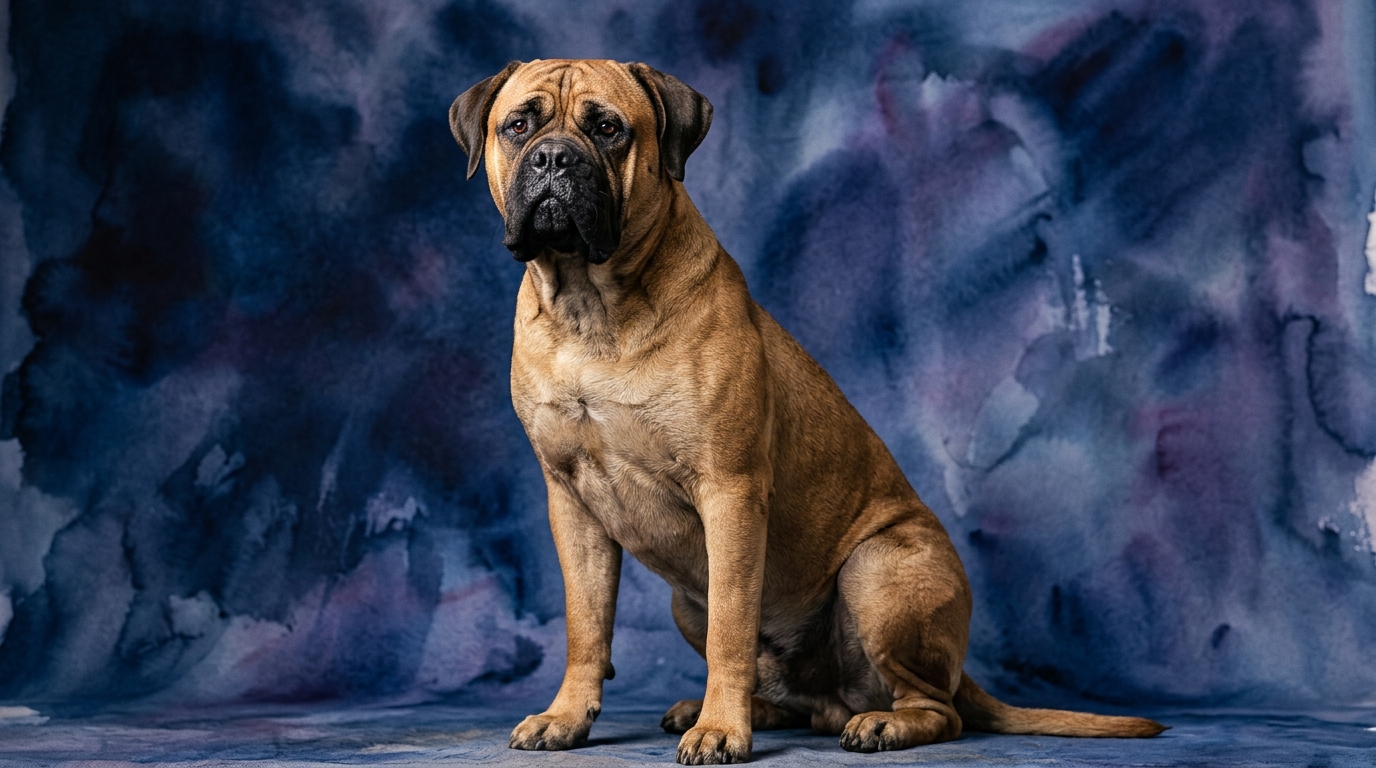
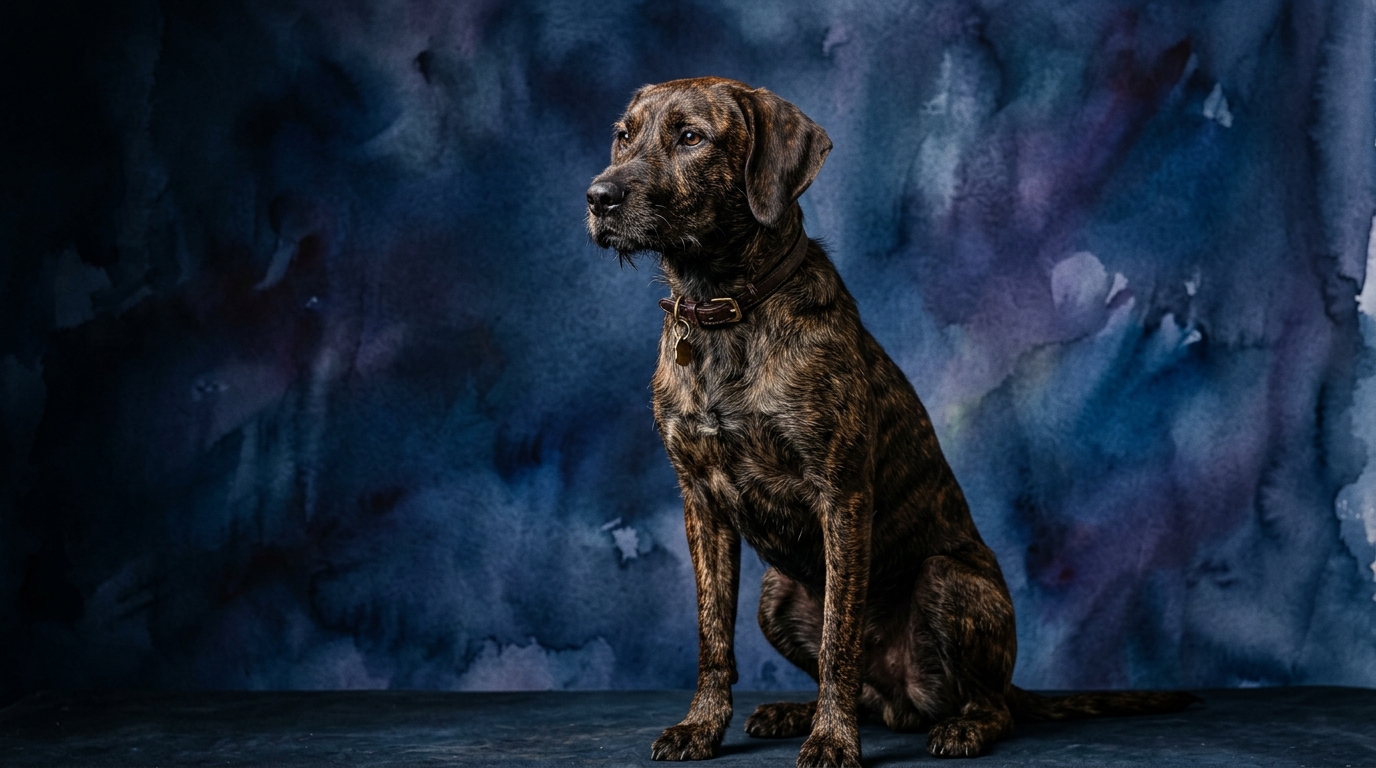
Side-by-Side IQ Profile: Bullmastiff vs. Plott Hound
The Cosmic Pet Pet IQ Lab assesses five crucial dimensions of canine intelligence, offering a nuanced view beyond simplistic labels. For both the Bullmastiff (Working Group, Coren rank #69) and the Plott Hound (Hound Group, Not Coren-ranked), each of these dimensions registers a score of 3/5. This apparent parity, however, masks a significant divergence in the *nature* of their cognitive strengths, rooted deeply in their breed-specific purposes.
**Problem Solving (3/5):** For the Bullmastiff, this score reflects a practical, situational problem-solving ability crucial for a guardian. They excel at assessing their environment for potential threats, discerning unfamiliar individuals, and understanding territorial boundaries. Their problem-solving is about vigilant observation and decisive, albeit often non-confrontational, action to protect their family. The Plott Hound's 3/5 in problem-solving manifests quite differently; it's an exceptional capacity for decoding complex scent trails, navigating varied terrain, and persisting through environmental challenges to locate quarry. Their intellect is geared towards a multi-sensory puzzle, interpreting olfactory data to reconstruct a path.
**Training Speed (3/5):** The Bullmastiff's 3/5 indicates they are capable learners, but often require consistent, patient, and firm guidance due to their independent streak and inherent protective nature. They grasp commands at an average pace, but may weigh the perceived necessity of an instruction against their own judgment. The Plott Hound's identical score reflects a different challenge: while capable of learning, their powerful instinctive drive to follow scent often takes precedence. Training involves consistent repetition and creative motivation to hold their attention against the overwhelming allure of a compelling smell, making their 'speed' more about sustained engagement than initial comprehension.
**Social Intelligence (3/5):** A Bullmastiff's social intelligence revolves around their family unit, displaying deep loyalty and an intuitive understanding of their human companions' moods and needs. They are reserved with strangers, reading social cues to determine potential threats or acceptance within their defined social circle. The Plott Hound, as a pack animal, exhibits social intelligence through cooperative dynamics, understanding their place within a canine or human hunting group. They are generally amiable, though their focus can easily be diverted by external stimuli, sometimes appearing less attuned to subtle human social cues than a guardian breed.
**Instinctive Drive (3/5):** The Bullmastiff's 3/5 here signifies a strong, inherent guarding instinct. They possess a deep drive to protect their home and family, expressed through watchful vigilance, a formidable presence, and a readiness to intervene if necessary. This drive is deliberate and measured. For the Plott Hound, a 3/5 represents an intense, undeniable drive for scent work and pursuit. Their instinct is to track, bay, and follow a trail with unwavering focus and stamina, a drive that can be all-consuming and overrides many other considerations.
**Memory (3/5):** The Bullmastiff's memory is robust for routines, individuals (both welcomed and suspicious), and learned boundaries. This is vital for their role as a consistent guardian, remembering past interactions and established rules. The Plott Hound's 3/5 memory is acutely specialized for recalling scent patterns, terrain features, and successful hunting strategies. They can remember complex routes and the nuances of specific scents over long periods, an invaluable asset in their tracking endeavors.
Where the Bullmastiff Wins Cognitively
The Bullmastiff's cognitive strengths shine in areas requiring situational awareness and deliberate decision-making for protective purposes. Their Coren ranking, while not at the top, places them within the realm of working obedience, indicating a capacity for understanding and executing commands relevant to their role. This breed excels at discerning subtle shifts in environment or human behavior, processing information to identify potential threats before they escalate. Their problem-solving is often about risk assessment and strategic deterrence, making them adept at 'reading a room' and acting as a steadfast, watchful presence. They possess a unique blend of physical presence and mental calm, allowing them to make measured judgments rather than reacting impulsively. This cognitive advantage makes them highly effective guardians, capable of independent thought when family safety is concerned, distinguishing between a friendly visitor and an actual intruder with impressive accuracy.
Where the Plott Hound Wins Cognitively
The Plott Hound's cognitive triumphs are deeply rooted in their specialized sensory processing and unwavering focus on a task. Their problem-solving capabilities, while scoring identically to the Bullmastiff, are arguably more complex in their specific domain: interpreting a tapestry of olfactory information. A Plott Hound can unravel a cold trail, differentiating between countless environmental odors to isolate and follow a specific scent, a feat of sensory intelligence that few breeds can match. Their memory is exceptional for recalling the intricacies of past trails and hunting grounds, allowing them to learn from experience in the field. This breed displays an extraordinary capacity for sustained mental and physical endurance while engaged in their instinctive drive, demonstrating a unique form of cognitive tenacity. Their independence in tracking, making real-time decisions about direction and strategy based solely on scent, highlights a superior form of autonomous problem-solving within their specialized domain.
Which is Easier to Train and Why
When considering general obedience, the Bullmastiff generally presents a more straightforward training experience compared to the Plott Hound, despite both scoring 3/5 in training speed. The Bullmastiff, while possessing an independent streak, typically learns through consistent, fair, and firm methods because they are ultimately driven by a desire to integrate into their family unit and understand their role as a guardian. Their lower distraction threshold for external stimuli, compared to a hound, allows them to focus more readily on human instructions. A Bullmastiff's protective nature means they respond well to training that establishes clear boundaries and reinforces their position as a trusted family member, making them more amenable to structured obedience.
The Plott Hound, conversely, poses a unique challenge for general obedience due to their overwhelmingly powerful scent drive. While capable of learning, their minds are constantly scanning for interesting odors, making sustained attention to human commands difficult in an uncontrolled environment. A Plott Hound might perfectly execute a 'sit-stay' in the living room, but the moment a compelling scent wafts by outdoors, their instinctive drive takes over, rendering previous training momentarily irrelevant. Training a Plott Hound effectively requires immense patience, creativity, and often, channeling their natural drives into activities like scent work or tracking, rather than trying to suppress them. Their independence and single-minded focus on scent mean that recall can be particularly challenging, as the reward of following a trail often outweighs human praise or treats. Therefore, while both require dedication, the Bullmastiff's cognitive leanings make them generally more receptive to conventional obedience training.
Which Suits Active Owners vs. Relaxed Owners
The Bullmastiff is an ideal companion for owners who appreciate a generally relaxed but vigilant presence indoors, but who are prepared for consistent, moderate exercise. After a good walk or play session, a Bullmastiff is typically content to recline, observe their surroundings, and be a calm, reassuring presence. Their mental stimulation comes from being part of the family, understanding routines, and fulfilling their role as a protector, rather than constant physical exertion. They suit owners who value a loyal, watchful companion and are comfortable with a large, powerful dog that requires consistent structure and early socialization, but isn't demanding of constant, high-intensity physical activity.
The Plott Hound, on the other hand, is unequivocally suited for active owners who can provide ample opportunities to engage their powerful physical and cognitive drives. These dogs are not content with a simple stroll around the block; they thrive on vigorous exercise that often involves exploring, sniffing, and covering ground. Mentally, they need outlets for their instinctive tracking abilities, whether through organized scent work, hiking adventures where they can follow trails, or dog sports that challenge their nose and stamina. A Plott Hound needs an owner who understands and embraces their hound nature, providing consistent mental and physical stimulation to prevent boredom and destructive behaviors. They are perfect for owners who enjoy an active outdoor lifestyle and are willing to integrate their dog's natural hunting instincts into their daily routine.
The Verdict: When to Choose Each
Choosing between a Bullmastiff and a Plott Hound hinges entirely on the lifestyle and specific needs an owner can provide, reflecting their distinct cognitive applications despite similar IQ scores. Both breeds offer deep companionship, but their minds are wired for different purposes.
The Verdict
Choose the Bullmastiff if you seek a calm, steadfast guardian with a watchful intellect, one who thrives on quiet companionship and consistent, moderate exercise, offering a strong sense of security to their home.
Opt for the Plott Hound if you're an active, adventurous individual or family, eager to engage a dog with an unparalleled scent drive and an independent, tenacious spirit, providing ample opportunities for vigorous exploration and mental tracking challenges.
🧠 Find Your Pet's IQ Score
Our Pet IQ Lab assessment covers 25+ tests across 5 cognitive dimensions — personalized to your breed.
Take the Full IQ Test →Frequently Asked Questions
Do Bullmastiffs need a lot of mental stimulation?
Bullmastiffs benefit from consistent mental engagement, primarily through training that reinforces their role as a guardian and family member. While not requiring constant 'puzzle-solving' in the traditional sense, they thrive on understanding routines, learning boundaries, and having their protective instincts channeled appropriately. Daily training sessions and interactive family time keep their minds sharp and content.
Are Plott Hounds good family dogs, despite their hunting instincts?
Yes, Plott Hounds can be wonderful family dogs. They are generally amiable and loyal, especially when well-socialized from a young age. Their pack nature often means they get along well with children and other pets, though their strong prey drive requires careful management around smaller animals. Providing sufficient outlets for their energy and scenting instincts is key to a harmonious family life.
How does Coren's ranking relate to the Pet IQ Lab scores?
Coren's ranking primarily assesses 'working and obedience intelligence,' focusing on how quickly a dog learns and obeys commands. The Pet IQ Lab provides a broader, multi-dimensional view, including problem-solving, social intelligence, instinctive drive, and memory, which offers a more complete picture of a breed's cognitive profile beyond just obedience. A low Coren rank doesn't mean a dog isn't 'smart,' but rather that its intelligence might manifest in ways not captured by obedience tasks, as seen with the Plott Hound.