Side-by-Side IQ Profile: Bullmastiff vs. Polish Lowland Sheepdog
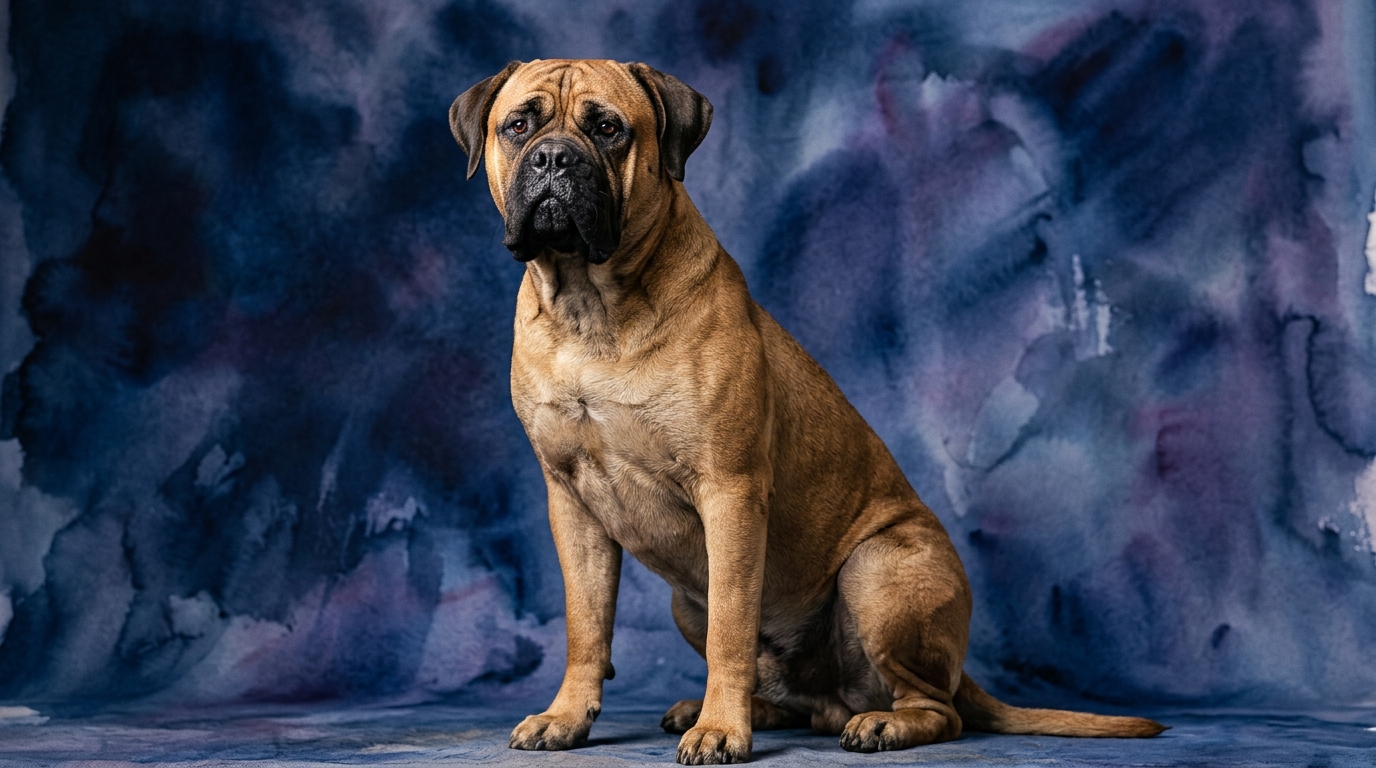
The Bullmastiff, a Coren-ranked #69 breed, consistently scores a 3 out of 5 across all five of The Cosmic Pet Pet IQ Lab's cognitive dimensions. Their Problem Solving at 3/5 suggests a practical, situation-aware approach, often focused on assessing immediate environmental changes or potential threats. Training Speed also at 3/5 indicates they are capable learners, absorbing commands and routines at a moderate pace, particularly when they understand the purpose or benefit. Their Social Intelligence at 3/5 points to an ability to form strong bonds with their immediate family and discern friend from stranger, essential for their protective role. An Instinctive Drive of 3/5 strongly emphasizes their guarding and territorial instincts, manifesting as a watchful and protective demeanor. Finally, their Memory at 3/5 suggests a good retention of experiences, routines, and the identities of those within their perceived territory.
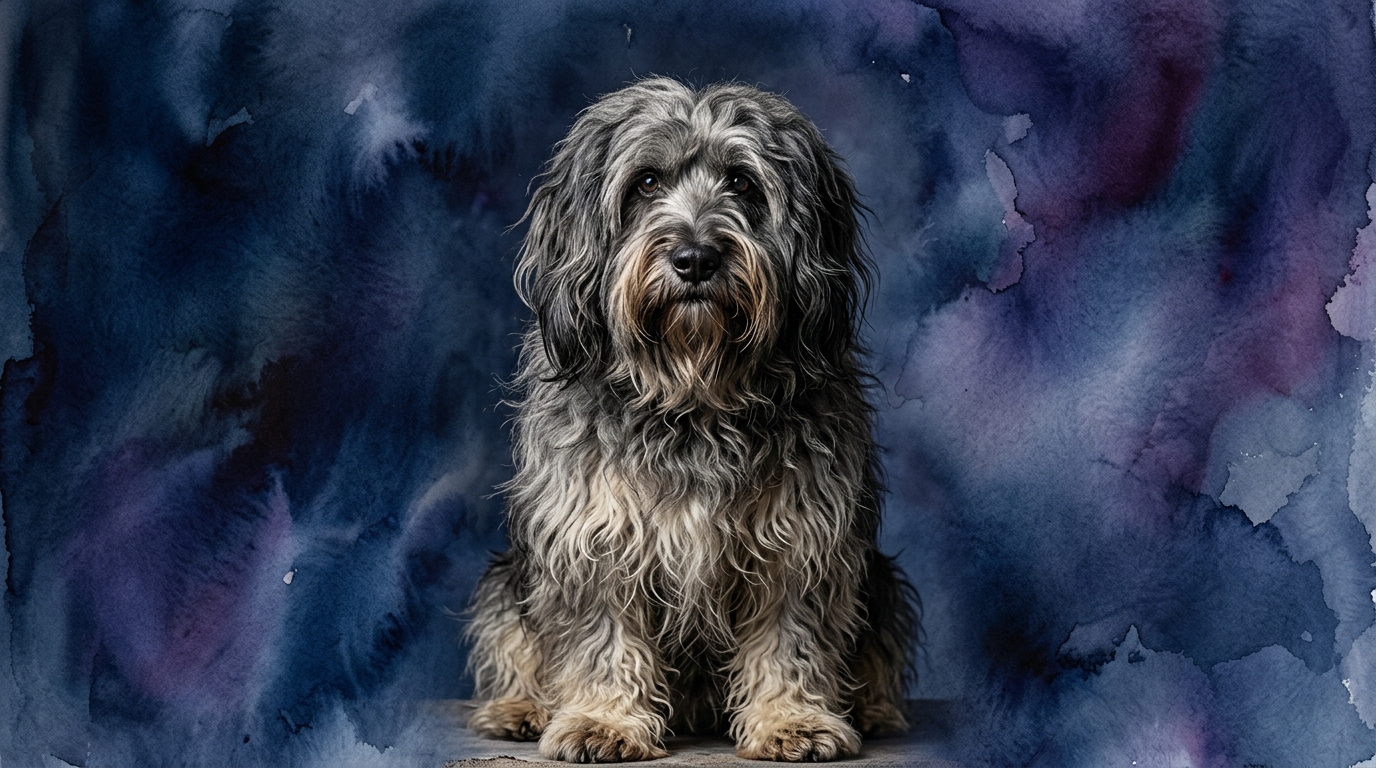
The Polish Lowland Sheepdog, while not Coren-ranked, also exhibits a uniform 3 out of 5 across all five IQ dimensions. Their Problem Solving at 3/5 reflects an aptitude for navigating complex environments, often involving livestock management or figuring out how to achieve a goal independently. A Training Speed of 3/5 means they are responsive to instruction, capable of learning intricate sequences, but their independent streak might require engaging methods to maintain focus. Their Social Intelligence at 3/5 is geared towards interacting effectively within a working 'team,' whether that's a flock or a human handler, often exhibiting a nuanced understanding of social cues. The Instinctive Drive at 3/5 is profoundly rooted in their herding heritage, compelling them to gather, move, and manage. Their Memory at 3/5 enables them to recall complex commands, routes, and the individual characteristics of their charges or family members.
Where the Bullmastiff Wins Cognitively
While both breeds share identical numerical scores, the Bullmastiff's cognitive strengths distinctly lean into their role as a steadfast guardian. Their 3/5 in Social Intelligence shines brightest in their ability to quickly identify and respond to perceived threats or unusual presences, offering a nuanced understanding of who belongs and who doesn’t within their family unit. This isn't just about aggression but a finely tuned discernment. Their Problem Solving, also at 3/5, often manifests as practical, real-time assessment of situations requiring a calm, measured response, rather than frantic action, making them adept at 'reading' a scenario before reacting. This measured approach, combined with their 3/5 Instinctive Drive for protection, means they excel at maintaining a watchful presence and acting decisively when their family's safety is at stake, a specific type of cognitive application that sets them apart from the more active problem-solving of a herding breed.
Where the Polish Lowland Sheepdog Wins Cognitively
The Polish Lowland Sheepdog's cognitive prowess, despite matching scores, is tailored for dynamic, independent work. Their 3/5 Problem Solving truly excels in situations requiring quick, on-the-fly decisions, particularly when managing livestock or navigating complex agility courses. This isn't just about following commands; it's about anticipating, adapting, and improvising. Their 3/5 Instinctive Drive for herding provides a relentless mental energy that seeks purpose and challenge, driving them to find solutions to perceived 'problems' like a scattered flock or an unengaged owner. Furthermore, their 3/5 Social Intelligence, while different from the Bullmastiff's, allows them to subtly influence and communicate with their charges or human partners, often without direct commands, showcasing a sophisticated understanding of group dynamics. This breed thrives on mental engagement that requires initiative and independent thought, a hallmark of their herding ancestry.
Which is Easier to Train and Why
Despite both breeds scoring a 3/5 in Training Speed, their ease of training presents different considerations. The Bullmastiff, with its inherent desire to please its family and a strong sense of loyalty, can be quite responsive to consistent, positive reinforcement. They learn best with clear, firm, and gentle guidance, and once they understand a command's purpose, their memory (3/5) ensures good retention. However, their physical strength and occasional independent streak mean that early socialization and consistent leadership are crucial to prevent stubbornness. They are generally less prone to 'thinking for themselves' when given a clear directive, making foundational obedience relatively straightforward for an experienced handler.
The Polish Lowland Sheepdog, while equally capable of learning due to their 3/5 Training Speed, often requires a more engaging and varied training approach. Their herding background instills an independent nature and a drive for mental stimulation, meaning repetitive drills without purpose can lead to boredom or a tendency to 'negotiate' commands. They excel in activities like agility, trick training, or herding trials where their problem-solving (3/5) and instinctive drive (3/5) are channeled productively. An owner who can make training a dynamic, puzzle-solving experience will find the Polish Lowland Sheepdog a willing and quick learner, but those seeking a purely compliant, rote learner might find their independent spirit more challenging.
Which Suits Active Owners vs. Relaxed Owners
For owners seeking a more relaxed, yet protective companion, the Bullmastiff often fits the bill. While they require regular, moderate exercise to maintain health and prevent boredom, they are generally content to be calm and watchful indoors, especially once past puppyhood. Their cognitive strengths align with a home environment where their primary 'job' is to be a loyal, discerning family member and guardian. They thrive with owners who can provide consistent leadership, a secure routine, and appreciate a dog that is present and observant without demanding constant high-energy engagement. They are not suited for entirely sedentary lifestyles, but their energy needs are manageable for many.
Conversely, the Polish Lowland Sheepdog is an ideal match for active owners who relish mental and physical engagement with their dog. Their herding instincts demand an outlet, whether through structured training, dog sports like agility or herding, or extensive daily walks and playtime. These dogs possess a boundless curiosity and a strong drive to 'do' something, making them less suitable for owners who prefer a purely ornamental or low-maintenance companion. An owner who can provide consistent mental challenges and a stimulating environment will find the Polish Lowland Sheepdog a joyful and endlessly entertaining partner, thriving on shared activities and purpose-driven tasks.
The Verdict
Choose the Bullmastiff if you seek a calm, steadfast protector who thrives on family loyalty and a clear, consistent routine, offering discerning companionship with moderate exercise needs. They are best for owners who appreciate a watchful presence and a strong, affectionate bond without constant high-energy demands.
Opt for the Polish Lowland Sheepdog if you are an active individual or family eager to provide consistent mental stimulation and physical activity, engaging in dog sports or intricate training. This breed flourishes with owners who can channel their independent problem-solving and herding instincts into purposeful activities.
🧠 Find Your Pet's IQ Score
Our Pet IQ Lab assessment covers 25+ tests across 5 cognitive dimensions — personalized to your breed.
Take the Full IQ Test →Frequently Asked Questions
Are Bullmastiffs good with children?
Bullmastiffs can be excellent with children, often showing a patient and protective nature. However, due to their large size, supervision is always recommended, especially with very young children, to prevent accidental bumps. Early socialization is key to fostering their gentle side.
Do Polish Lowland Sheepdogs bark a lot?
Polish Lowland Sheepdogs can be vocal, using barks to communicate or alert, a trait stemming from their herding background. Consistent training and mental stimulation can help manage excessive barking, but owners should expect a dog that will use its voice.
What kind of mental stimulation do these breeds need?
The Bullmastiff benefits from puzzle toys and short, engaging training sessions focused on obedience and discernment. The Polish Lowland Sheepdog requires more active mental challenges like agility, advanced obedience, herding games, or complex scent work to satisfy their innate problem-solving and herding drives.