Side-by-Side Cognitive Profiles: Decoding the Nuances of a 3/5 Score
At The Cosmic Pet Pet IQ Lab, we assess canine intelligence across five key dimensions, each scored from 1 to 5. Interestingly, both the Bullmastiff and the Treeing Walker Coonhound register a consistent 3/5 across the board. This identical numerical outcome, however, belies significant differences in how these breeds express their cognitive abilities, deeply rooted in their historical roles and inherent temperaments. A 3/5 indicates a solid, functional level of intelligence, capable of learning and adapting, but perhaps not with the lightning speed or complex abstract reasoning seen in higher-scoring breeds.
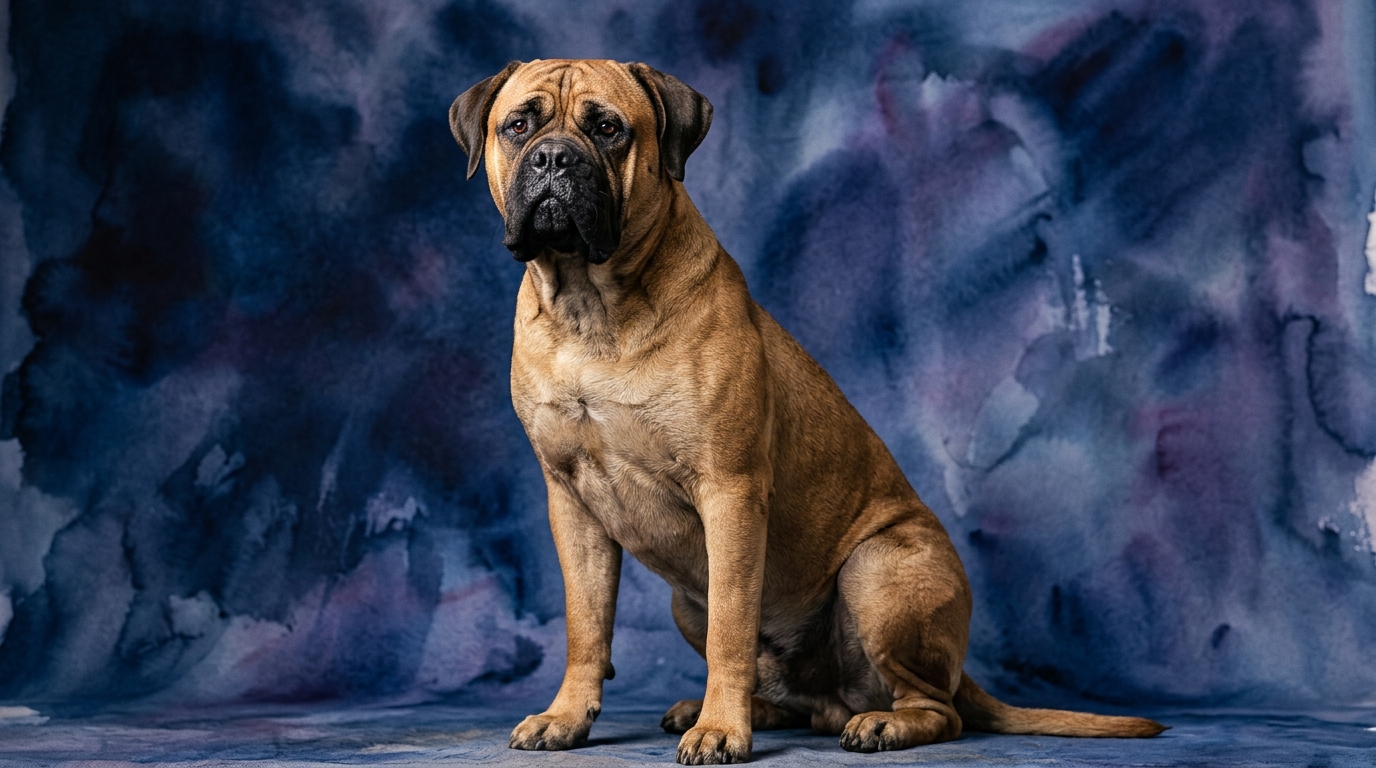
For the **Bullmastiff**, a 3/5 in Problem Solving typically manifests as practical, security-oriented solutions. They excel at understanding household routines and identifying deviations, such as an unfamiliar person approaching the property. Their Training Speed at 3/5 suggests they learn new commands with consistent reinforcement, but their independent streak means they require patient, firm, and fair methods rather than endless repetition. Social Intelligence at 3/5 means they are discerning; deeply loyal to their family unit, they are often reserved and watchful with strangers, accurately assessing intentions. Their Instinctive Drive, also 3/5, is geared towards protection and guardianship, manifesting as a strong territorial instinct and a desire to keep their loved ones safe. Finally, their Memory at 3/5 allows them to recall routines, learned commands, and familiar individuals with good accuracy, building strong associations over time.
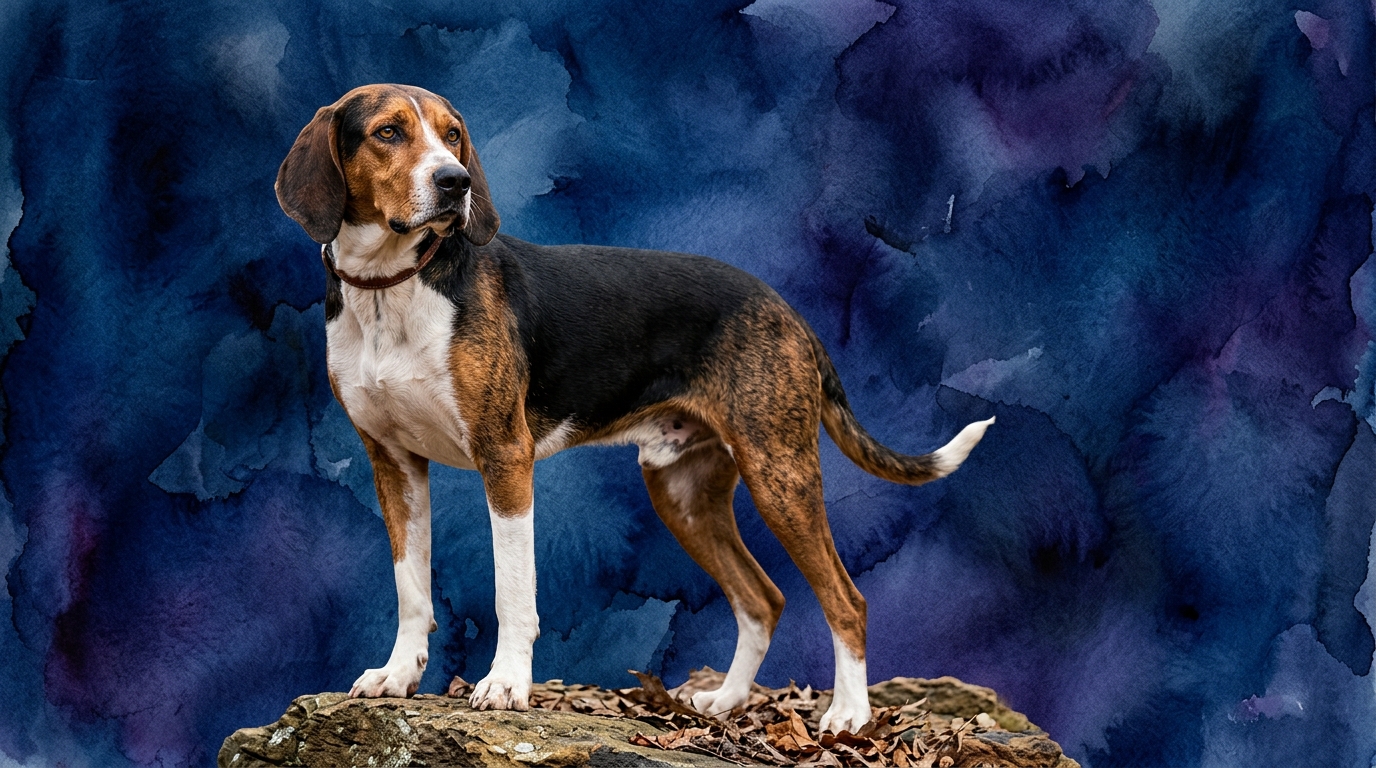
The **Treeing Walker Coonhound**, despite the same 3/5 scores, applies these cognitive faculties in a vastly different context. Their Problem Solving at 3/5 is primarily focused on scent-based puzzles, such as tracking a complex trail through varied terrain. They are adept at navigating environments using their nose, interpreting subtle cues that humans miss. Training Speed at 3/5 for a Coonhound means they can learn quickly, but their strong prey drive and independent nature often make them appear less responsive to conventional obedience. Their social intelligence, also 3/5, is typically friendly and affable, particularly within their 'pack' or family, but can be singularly focused on a scent once engaged, temporarily overriding social cues. Their Instinctive Drive at 3/5 is profoundly strong, centered on hunting, tracking, and 'treeing' quarry, leading to intense focus and vocalization during pursuit. Their Memory at 3/5 is exceptional for recalling scent trails and geographical locations associated with tracking, allowing them to retrace steps or remember productive hunting grounds.
Where the Bullmastiff Excels Cognitively
The Bullmastiff's cognitive strengths shine in areas demanding discernment, consistency, and a calm, protective presence. Their 3/5 problem-solving, while not abstract, is highly effective in a domestic context; they are adept at learning household rules and routines, quickly understanding what is expected of them within their home territory. This practical intelligence extends to their social interactions, where their 3/5 social intelligence allows them to accurately gauge the mood and intentions of familiar individuals, offering comfort or vigilance as appropriate. They excel at being a steadfast, predictable companion, relying on their solid memory to reinforce learned behaviors and recall the faces of friends and family. Their cognitive profile makes them particularly adept at tasks requiring a steady temperament and a clear understanding of boundaries, such as maintaining a peaceful home environment or acting as a deterrent without excessive aggression. They are more likely to think through a situation before reacting impulsively, a hallmark of their deliberate nature.
Where the Treeing Walker Coonhound Excels Cognitively
The Treeing Walker Coonhound's cognitive prowess is unequivocally tied to its foundational purpose: hunting. Their 3/5 problem-solving ability is a masterclass in navigating complex sensory information, primarily scent. They can disentangle multiple scent trails, follow a specific one over miles, and adapt their strategy to changing environmental conditions, showcasing a sophisticated spatial and olfactory intelligence. This isn't just instinct; it's a dynamic, real-time problem-solving process. Their 3/5 instinctive drive is not merely strong but incredibly focused, allowing them to maintain intense concentration on a task, like tracking, for extended periods, ignoring distractions that would derail many other breeds. Their memory, also 3/5, is remarkably specialized for remembering intricate scent patterns and geographical layouts, allowing them to learn and recall vast amounts of environmental data. In scenarios demanding sustained, independent, and highly specialized sensory processing, the Treeing Walker Coonhound's cognitive abilities are unparalleled.
Training Dynamics: A Tale of Two Temperaments
When it comes to training, the identical 3/5 'training speed' score belies profoundly different experiences for owners. The Bullmastiff, while possessing a 3/5 training speed, benefits from a lower innate energy level and a desire for stability within their family unit. They respond well to consistent, fair, and positive reinforcement, making them generally amenable to obedience training in a controlled environment. Their stubborn streak, a common Working Group trait, means they might test boundaries, but once they understand and accept a command, their memory and desire for routine ensure good retention. Training success with a Bullmastiff often hinges on patience and establishing clear leadership, leveraging their natural inclination towards structure and protection.
The Treeing Walker Coonhound, despite the same 3/5 training speed, presents a different challenge. Their formidable 3/5 instinctive drive, particularly their scent-driven focus, can make traditional obedience difficult. When a Coonhound's nose hits a compelling scent, their world narrows to that single stimulus, often rendering them temporarily 'deaf' to commands. This isn't defiance; it's their cognitive wiring prioritizing their primary function. Training requires immense creativity, high-value rewards, and often specialized methods that either integrate scent work or are compelling enough to override it. Recall, in particular, is a significant behavioral hurdle due to their tendency to follow a trail far from their handler. Their independence means they don't inherently seek to please in the same way a Bullmastiff might; they need to be convinced that engaging with you is more rewarding than following their nose. Therefore, while both have a 3/5 training speed, the Bullmastiff is generally perceived as easier for general obedience due to fewer intrinsic distractions and a more home-centric focus.
Matching Lifestyles: Active vs. Relaxed Owners
The choice between these two breeds heavily depends on an owner's lifestyle and activity level. A Bullmastiff thrives with a relaxed owner who appreciates a calm, steadfast companion. While they require daily walks and mental stimulation through puzzle toys or short training sessions, their energy demands are moderate. They are well-suited to quiet evenings at home, enjoying the company of their family, and are generally content with a securely fenced yard for pottering. Owners who enjoy a deliberate pace, consistent routines, and a dog that is a formidable, yet gentle, presence will find a Bullmastiff a rewarding match. They are not built for endurance runs or complex agility courses.
Conversely, the Treeing Walker Coonhound is an ideal partner for active owners who relish outdoor adventure. Their high energy levels and powerful instinctive drive necessitate extensive daily exercise, often requiring more than just a leashed walk around the block. They excel in activities like hiking, running, canicross, or, ideally, scent-based sports like tracking or barn hunt, which engage both their physical and mental capacities. Owners must be prepared to manage their strong prey drive and vocalizations, and provide a securely fenced area or long-line leash for safe exploration. For an owner who embraces an active, outdoor-centric lifestyle and can channel the Coonhound's remarkable drive into productive outlets, this breed offers an incredibly engaging and devoted companion.
The Verdict
Choose a Bullmastiff if you seek a calm, protective family member who thrives on routine and offers discerning loyalty, fitting well into a moderately active home that values a steady presence.
Opt for a Treeing Walker Coonhound if you lead a highly active, outdoor-oriented life and desire an energetic, scent-driven partner for adventures, prepared to engage their unique tracking intellect and manage their strong instincts.
🧠 Find Your Pet's IQ Score
Our Pet IQ Lab assessment covers 25+ tests across 5 cognitive dimensions — personalized to your breed.
Take the Full IQ Test →Frequently Asked Questions
Are Treeing Walker Coonhounds harder to train than Bullmastiffs?
Yes, generally. While both score 3/5 in training speed, the Coonhound's powerful scent drive and independent nature mean they require more creative, consistent, and highly motivating training methods to overcome distractions, making general obedience more challenging than with a Bullmastiff.
Do both breeds require a lot of exercise?
No, their exercise needs differ significantly. A Bullmastiff thrives on moderate daily walks and mental enrichment, whereas a Treeing Walker Coonhound demands extensive, vigorous exercise and opportunities to engage their strong scenting instincts daily, making them suitable for very active owners.
How do their social intelligence scores of 3/5 manifest differently?
A Bullmastiff's 3/5 social intelligence often translates to a discerning loyalty towards their family and cautious observation of strangers, prioritizing security. A Treeing Walker Coonhound's 3/5 points to a friendly, often boisterous sociability, especially with those they consider part of their 'pack,' but their focus can be singularly scent-driven.