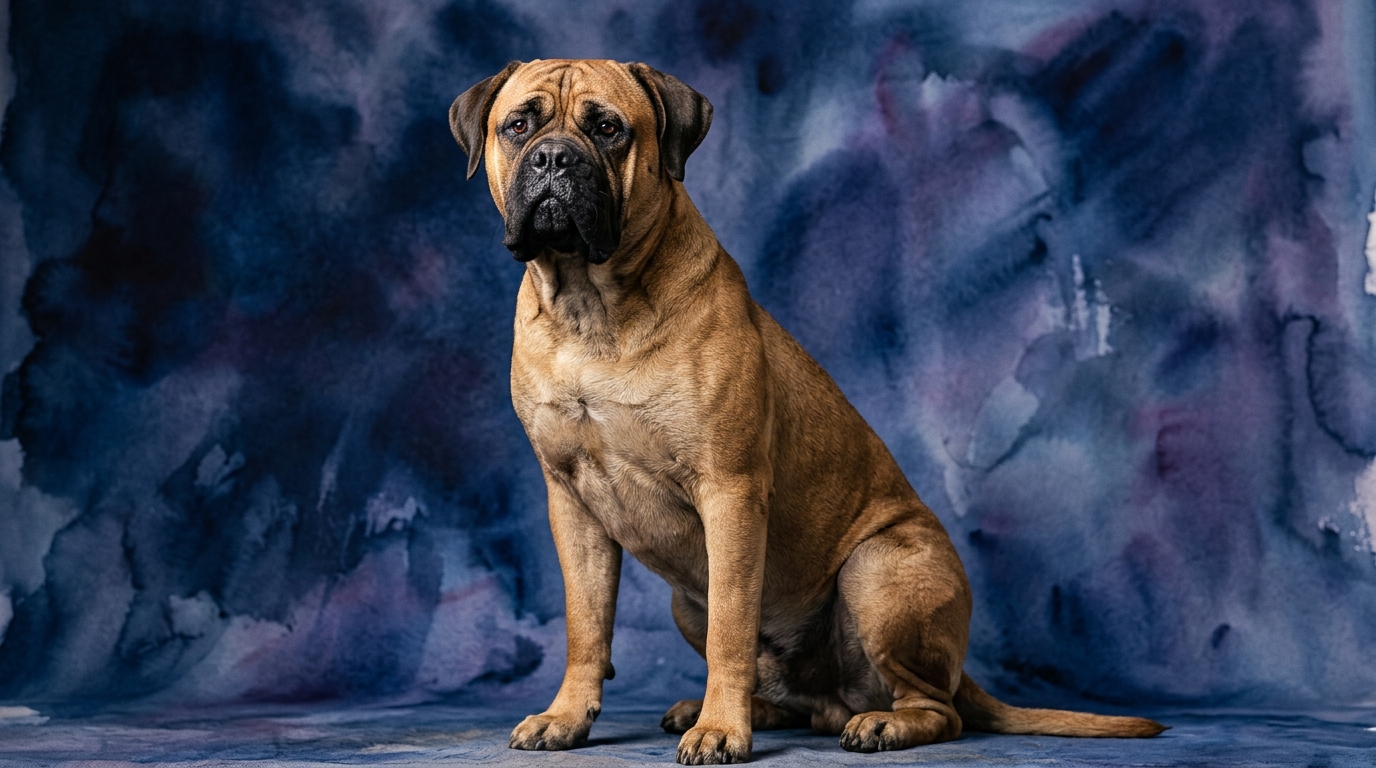
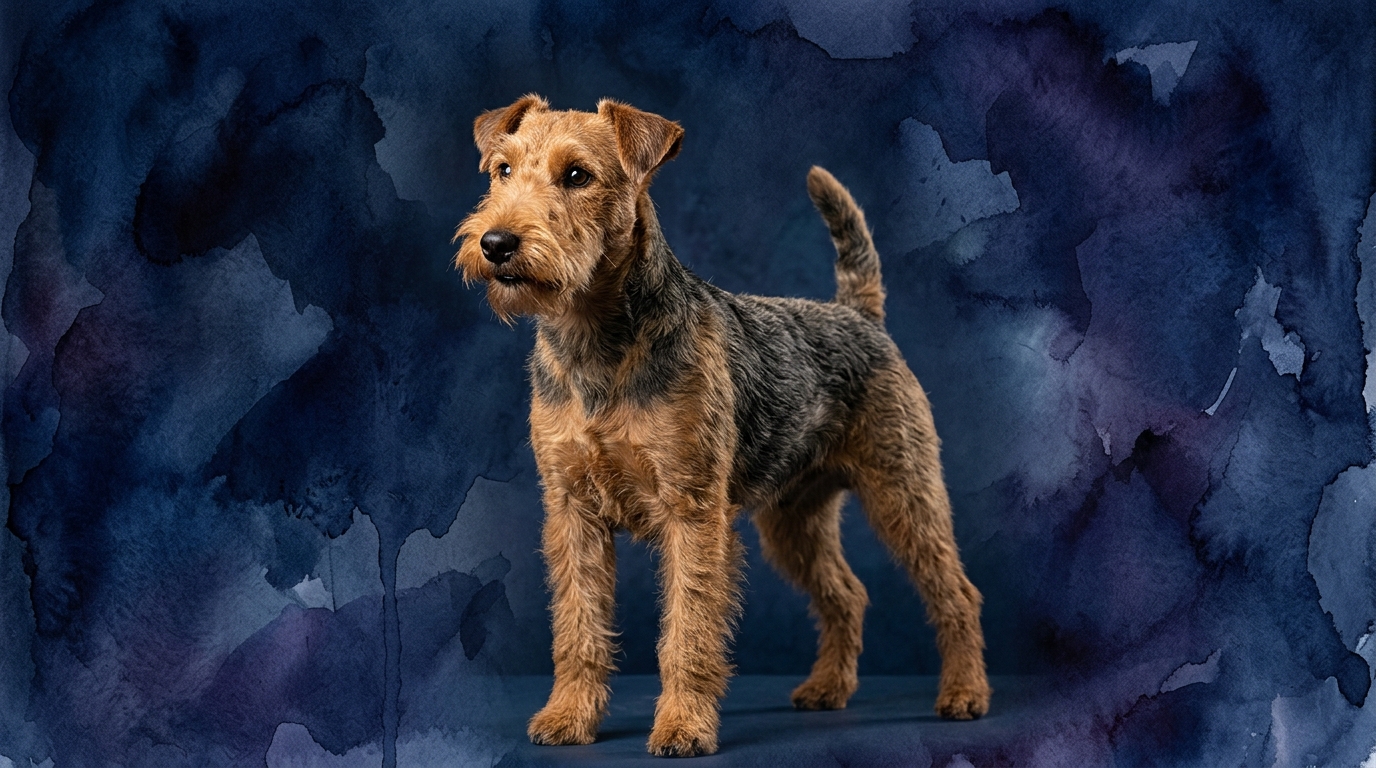
Side-by-Side Cognitive Profiles: Guardians vs. Game Terriers
At The Cosmic Pet Pet IQ Lab, we evaluate canine intelligence across five critical dimensions: Problem Solving, Training Speed, Social Intelligence, Instinctive Drive, and Memory. For both the Bullmastiff and the Welsh Terrier, our assessments reveal a consistent score of 3 out of 5 across all categories, indicating a solid, functional cognitive foundation, though their expressions of these traits vary greatly.
The Bullmastiff, ranked #69 by Coren, demonstrates a deliberate approach to Problem Solving (3/5), often preferring to observe and assess before acting, a trait valuable in a guardian role. Their Training Speed (3/5) reflects a capacity for learning that requires patience and consistency, as they absorb commands steadily rather than with lightning quickness. Social Intelligence (3/5) in a Bullmastiff manifests as a discerning nature, forming deep bonds with their family while maintaining a watchful distance with strangers. Their Instinctive Drive (3/5) is rooted in protection and territoriality, a powerful, inherent motivation, and their Memory (3/5) allows them to retain training and recall past experiences with reliability.
The Welsh Terrier, while not Coren-ranked, mirrors the Bullmastiff's 3/5 scores across the board, yet their terrier spirit imbues these scores with a different character. Their Problem Solving (3/5) is often characterized by resourceful, independent thinking, sometimes employing persistence to overcome obstacles rather than pure logic. Training Speed (3/5) for a Welshie means they can learn quickly, but their independent streak may require more engaging methods to maintain focus. Social Intelligence (3/5) presents as an outgoing but sometimes opinionated nature, keen to interact but on their own terms. Their Instinctive Drive (3/5) is a strong legacy of their hunting heritage, expressed through digging, chasing, and exploring, and their Memory (3/5) is robust enough to recall both commands and the locations of buried treasures or favorite mischief spots.
Where the Bullmastiff Cognitively Excels
The Bullmastiff's cognitive strengths are deeply intertwined with their historical role as a guardian. Their deliberate Problem Solving (3/5) shines in situations demanding calm assessment and a measured response, rather than impulsive action. For instance, when presented with a novel object or situation, a Bullmastiff often takes time to process the information, weigh potential outcomes, and then proceed with a thoughtful, rather than reactive, approach.
This breed's Social Intelligence (3/5) allows for a remarkable emotional perceptiveness within their family unit, enabling them to pick up on subtle cues of distress or discomfort from their human companions. This nuanced understanding translates into a profound, albeit quiet, empathy and a steadfast protective presence. Their Instinctive Drive (3/5), while not high-octane, is singularly focused on vigilance and protection, making them exceptionally attuned to their environment for potential threats, a cognitive specialization that sets them apart.
Where the Welsh Terrier Cognitively Shines
The Welsh Terrier's cognitive prowess is best observed in their spirited independence and adaptability. Their Problem Solving (3/5) often manifests as tenacious ingenuity, particularly when faced with a challenge that requires physical manipulation or strategic persistence, like figuring out how to access a forbidden treat or navigating a complex scent trail. This isn't always about abstract thought but about practical, hands-on solutions.
Their Training Speed (3/5), while matching the Bullmastiff numerically, often involves a quicker initial grasp of concepts, driven by their eagerness for engagement and novelty. However, maintaining that engagement requires creative and varied training approaches to combat potential boredom. The Welsh Terrier's Instinctive Drive (3/5) is a vibrant asset for owners who enjoy activities like scent work or agility, where their quick reactions and focused intensity allow them to excel in tasks demanding speed and precision.
Training Dynamics: Bullmastiff's Deliberation vs. Welsh Terrier's Independence
When considering ease of training, both breeds score 3/5 in Training Speed, but their behavioral nuances create distinct experiences. The Bullmastiff's training journey is characterized by a need for consistency, clear communication, and positive reinforcement. They are not quick to respond to harsh methods; instead, they thrive on understanding the 'why' behind a command and will comply reliably once they grasp it, often becoming steadfast in their learned behaviors. Their deliberative nature means they might take a few more repetitions to internalize a command, but once learned, it’s deeply ingrained.
Conversely, the Welsh Terrier's 3/5 Training Speed means they can pick up new commands relatively quickly, but their independent, spirited terrier nature means they might choose whether or not to obey based on their current motivation or perceived importance of the task. Training a Welsh Terrier often requires more engaging, game-based methods and a trainer who can consistently outsmart their clever, sometimes stubborn, streak. They require mental stimulation to prevent boredom, which can lead to selective hearing or self-invented 'games' if not appropriately channeled.
Lifestyle Match: Active Engagement vs. Relaxed Vigilance
The cognitive profiles of these breeds suggest different ideal owner lifestyles. The Bullmastiff, despite its imposing size, is generally suited for owners who prefer a more relaxed pace but can provide consistent, moderate exercise and mental engagement through training and companionship. Their strong Social Intelligence (3/5) means they thrive on being part of the family unit, often content to observe quietly from a comfortable spot, but they still require daily walks and opportunities for structured mental activity to prevent boredom and maintain their balanced temperament.
The Welsh Terrier, with its lively Instinctive Drive (3/5) and independent Problem Solving (3/5), is a better fit for active owners who relish daily adventures and can provide ample mental and physical stimulation. They thrive on varied activities like hiking, interactive play, and dog sports that tap into their terrier instincts for chasing and exploring. An owner who understands and appreciates their spirited nature and can channel their boundless energy and curiosity will find a rewarding companion in a Welsh Terrier.
The Verdict
Choose a Bullmastiff if you seek a calm, steadfast companion who offers quiet loyalty and a reassuring protective presence, and you are prepared for patient, consistent training.
Opt for a Welsh Terrier if you desire an energetic, independent partner for adventures, appreciate a dog with a spirited personality, and can provide consistent mental and physical engagement.
🧠 Find Your Pet's IQ Score
Our Pet IQ Lab assessment covers 25+ tests across 5 cognitive dimensions — personalized to your breed.
Take the Full IQ Test →Frequently Asked Questions
Are Bullmastiffs difficult to train because of their size?
Bullmastiffs are not inherently difficult to train, but their deliberate nature means they require patience and consistent methods. Their 3/5 Training Speed indicates they learn steadily, often benefiting from positive reinforcement and clear, calm instruction rather than forceful approaches.
Do Welsh Terriers need a lot of exercise to be well-behaved?
Yes, Welsh Terriers possess a strong Instinctive Drive (3/5) and benefit greatly from regular, engaging exercise to channel their energy constructively. Without adequate physical and mental stimulation, their independent problem-solving skills might be applied to less desirable activities like digging or mischief.
How do their protective instincts compare?
The Bullmastiff's protective instincts (Instinctive Drive 3/5) are primarily focused on guardian duties, manifesting as a watchful, territorial presence. The Welsh Terrier's protective instincts, while present, are less about guarding property and more about protecting their family unit with spirited alerts and tenacious determination against perceived threats.