The Cognitive Landscape: Side-by-Side IQ Profiles
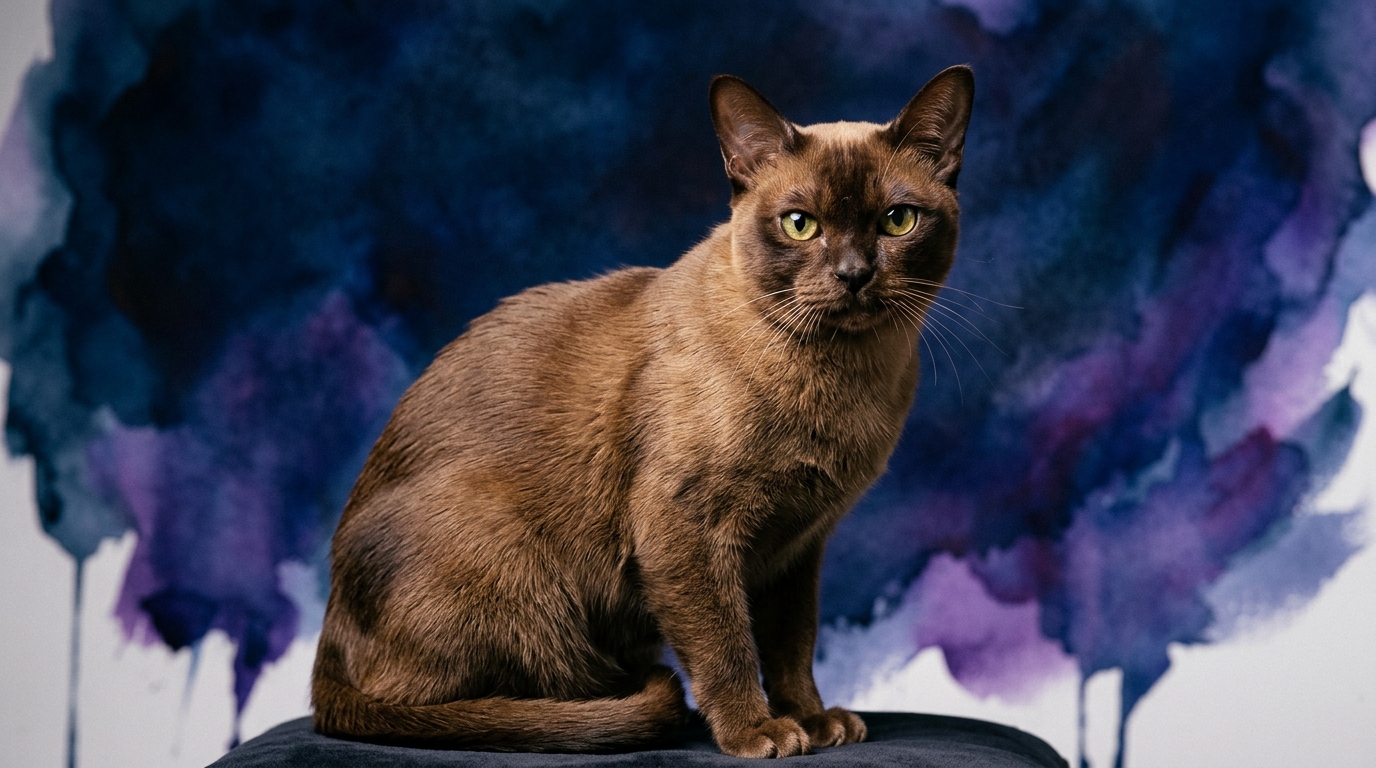
The Cosmic Pet Pet IQ Lab's assessment provides a granular view into the cognitive makeup of both the Burmese and Himalayan cat. For the Burmese, a vibrant picture emerges: their Problem Solving is rated 4/5, indicating a strong capacity for navigating complex situations and figuring out novel solutions. Their Training Speed stands at an exceptional 5/5, suggesting a rapid assimilation of new commands and routines. Complementing this is a Social Intelligence score of 5/5, reflecting a profound attunement to human emotional states and social cues. Their Instinctive Drive is moderate at 3/5, while their Memory is notably robust at 4/5, allowing for excellent recall of experiences and learned behaviors.
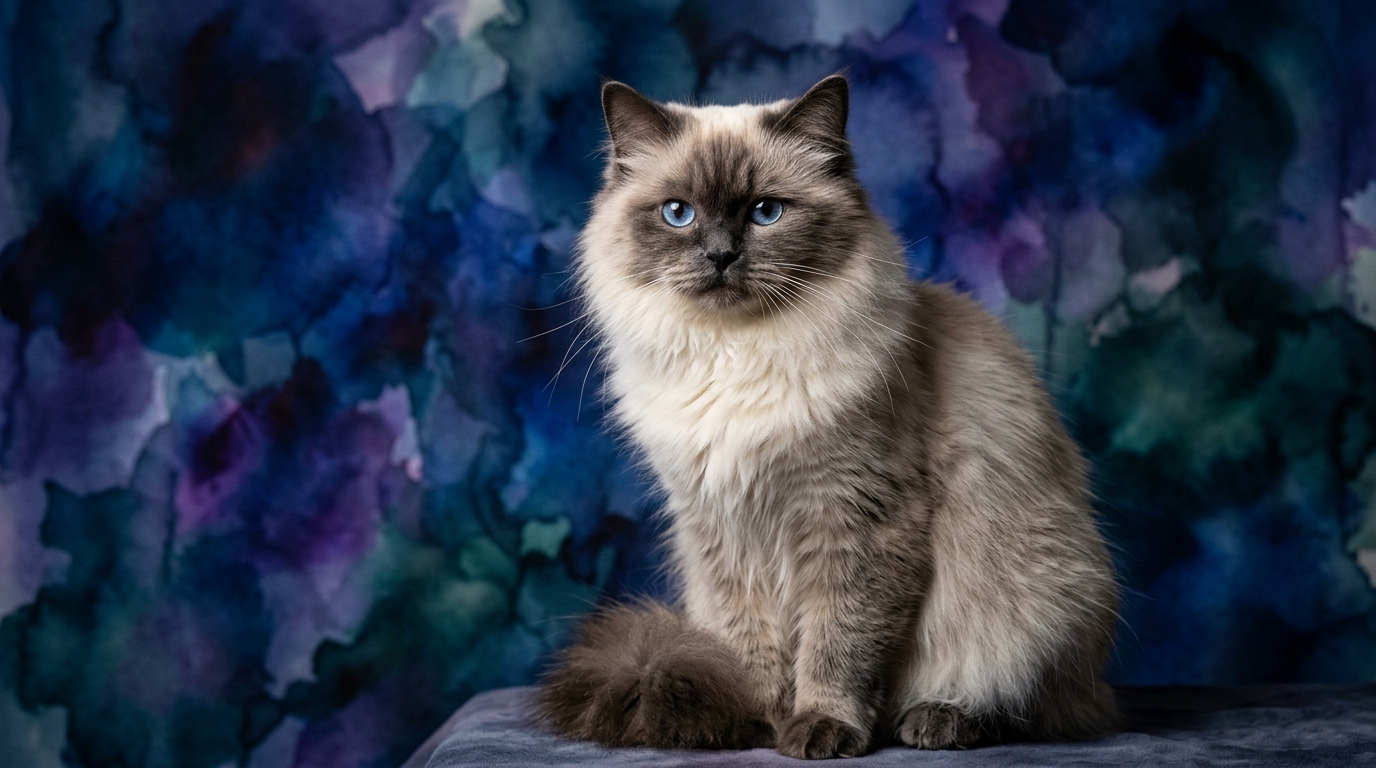
In contrast, the Himalayan cat presents a profile of steady, consistent cognitive abilities. Their Problem Solving is rated 3/5, indicating a competent but perhaps more deliberate approach to challenges. Training Speed for the Himalayan is 3/5, suggesting they learn at a moderate pace, requiring consistent reinforcement. Their Social Intelligence also scores 3/5, pointing to an affectionate but often more reserved interaction style. Like the Burmese, their Instinctive Drive is 3/5, enjoying play without being overly driven by predatory urges. Finally, their Memory is rated 3/5, ensuring they retain routines and recognize familiar faces effectively.
Where the Burmese Excels Cognitively
The Burmese cat consistently demonstrates a cognitive edge in several key areas. Their superior Problem Solving (4/5) means they are often the architects of their own environment, adept at figuring out how to open doors, cabinets, or even operate simple mechanisms to access desired items. This isn't just about curiosity; it's a genuine aptitude for understanding cause and effect and manipulating their surroundings.
Perhaps their most striking advantage is in Training Speed (5/5) and Social Intelligence (5/5). A Burmese is not merely trainable; they are eager to engage, often picking up complex tricks, leash training, or even multi-step routines with remarkable swiftness. This rapid learning is deeply intertwined with their exceptional social acumen; they are incredibly responsive to human communication, reading body language and vocal tones with precision, making them highly collaborative partners in learning. Their 4/5 Memory further solidifies these gains, allowing them to recall intricate sequences and past interactions with vivid clarity, reinforcing their learned behaviors over time.
The Himalayan's Unique Cognitive Strengths
While the Himalayan's individual scores might not reach the peaks of the Burmese in specific cognitive dimensions, their strength lies in a balanced, consistent cognitive profile that aligns perfectly with their serene temperament. Their moderate Problem Solving (3/5) ensures they can navigate their home environment comfortably without constantly seeking to deconstruct it, offering a peaceful co-existence for owners who prefer fewer 'cat-engineered' surprises. This level of cognitive engagement is sufficient for their needs, allowing them to enjoy their surroundings rather than feeling compelled to master every challenge.
Their Training Speed (3/5) indicates a capacity for learning routines and commands, albeit at a more deliberate pace. This steady approach means they are less likely to become bored quickly with repetitive tasks, and their learning sticks with consistent, gentle reinforcement, making them reliably predictable companions. They might not learn tricks in an instant, but they will reliably adhere to established household rules and routines with patience.
The Himalayan's Social Intelligence (3/5), while not as effusive as the Burmese, is characterized by a calm, devoted affection. Himalayans form deep, quiet bonds, often content to observe and enjoy proximity rather than demanding constant, interactive engagement. This makes them particularly adept at providing comforting companionship without overwhelming their human counterparts, a cognitive 'win' for those seeking a tranquil presence. Their 3/5 Memory is robust enough for remembering routines, familiar faces, and preferred comfort spots, contributing to their overall sense of contentment and security in their environment.
Ease of Training: Burmese vs. Himalayan
When it comes to ease of training, the Burmese cat stands out significantly with a Training Speed of 5/5. Their innate curiosity, combined with their high social intelligence and eagerness to interact, makes them exceptionally receptive to positive reinforcement. They quickly grasp the connection between actions and rewards, allowing them to master complex tricks, respond to their name consistently, or even walk on a leash with relative ease. Their quick wit and desire for engagement drive their rapid learning, making training a rewarding and interactive experience for both cat and owner.
The Himalayan, with a Training Speed of 3/5, requires a different approach. They are certainly capable of learning, but their pace is more deliberate, and they respond best to patience and consistency. While they can master basic commands, litter training, and adhere to routines, it often takes more repetition and a calmer environment. Their more reserved social intelligence means they might not be as driven by the desire to 'please' in the same way a Burmese is, necessitating an owner who understands and respects their steady, thoughtful learning style.
Matching Feline Intelligence to Lifestyle
For active owners seeking a feline companion who thrives on interaction and mental stimulation, the Burmese is an ideal match. Their high problem-solving skills and exceptional social intelligence mean they require consistent engagement through puzzle toys, interactive play sessions, and opportunities to learn new things. They flourish in environments where their humans are present and willing to participate in their cognitive adventures, often following their owners from room to room and initiating play.
Conversely, the Himalayan is perfectly suited for more relaxed owners who appreciate a calm, devoted presence. Their balanced cognitive profile and more reserved social nature mean they are content with quieter companionship, gentle affection, and a predictable routine. While they enjoy play, it's typically less intense and frequent than a Burmese. They provide a comforting presence without demanding constant intellectual engagement, making them excellent companions for those who prefer a tranquil home environment.
The Verdict
Choose a Burmese if you seek a highly interactive, quick-witted feline companion who thrives on mental engagement and deep social bonds, ready to learn tricks and participate actively in your daily life.
Opt for a Himalayan when you desire a serene, devoted presence, a cat whose calm demeanor and steady intelligence offer quiet companionship and predictable comfort without demanding constant intellectual stimulation.
🧠 Find Your Pet's IQ Score
Our Pet IQ Lab assessment covers 25+ tests across 5 cognitive dimensions — personalized to your breed.
Take the Full IQ Test →Frequently Asked Questions
Are Burmese cats truly smarter than Himalayans?
Based on The Cosmic Pet Pet IQ Lab's metrics, Burmese cats demonstrate higher aptitudes across most cognitive dimensions, particularly in problem-solving, training speed, social intelligence, and memory. While both breeds are capable learners, the Burmese exhibits a more pronounced quickness and depth in these areas.
What kind of mental enrichment does a Burmese cat need?
A Burmese thrives on consistent mental challenges, including puzzle toys, interactive play sessions that simulate hunting, and learning new tricks or commands through positive reinforcement. Their high social intelligence also means they benefit greatly from ample human interaction and companionship.
How can I best interact with a Himalayan cat's intelligence?
Engaging a Himalayan cat's intelligence involves gentle, consistent interaction and respecting their more reserved nature. Provide simple puzzle toys, regular but not overly strenuous play sessions, and consistent routines. They appreciate calm companionship and respond well to patient, positive reinforcement in training.