Dissecting Canine Cognition: A Side-by-Side IQ Profile
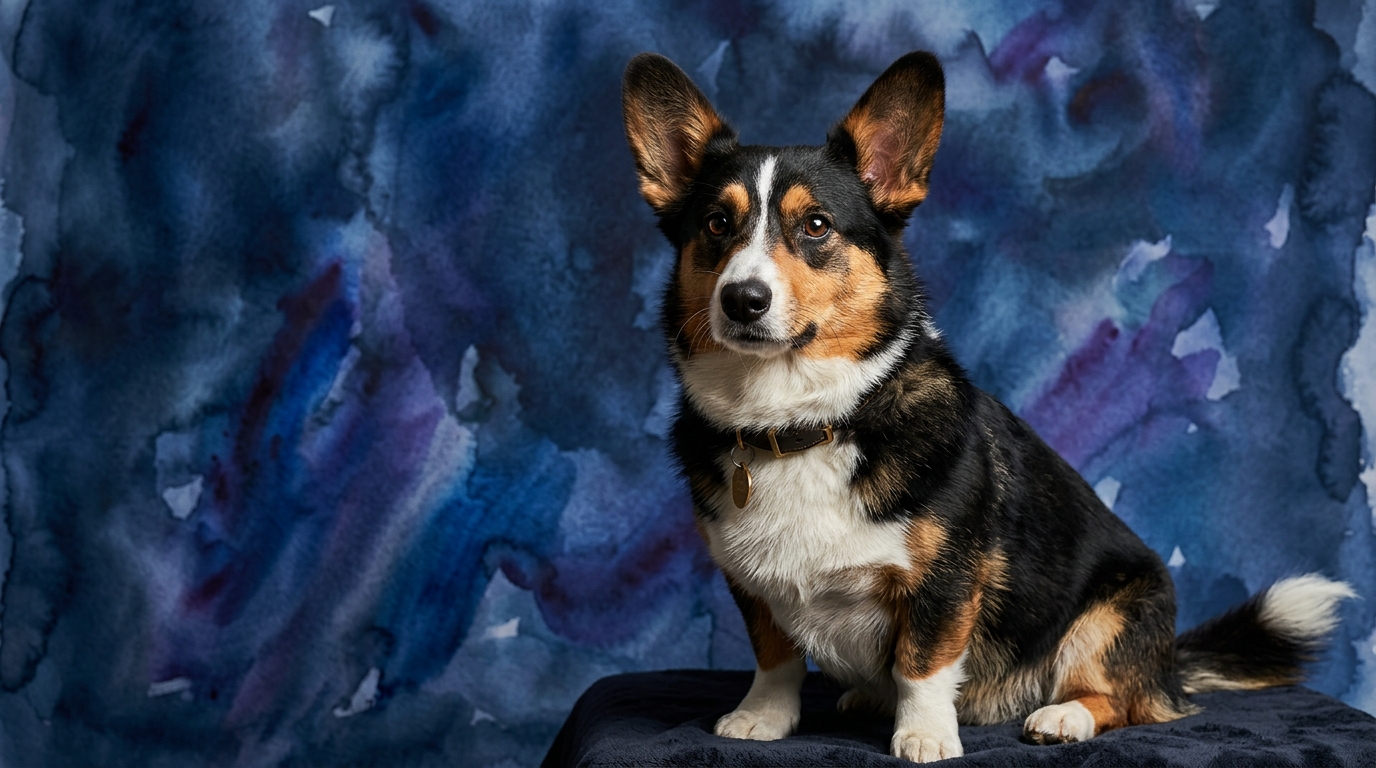
The Cardigan Welsh Corgi, a Herding group member and recognized at Coren rank #26, exhibits a robust cognitive blueprint. Their Problem Solving score of 4/5 indicates a resourceful mind, capable of strategizing to overcome obstacles, whether it's figuring out how to retrieve a toy from under furniture or navigating a new environment. This breed's Training Speed also rates 4/5, signifying a swift capacity for acquiring new commands and routines, making them responsive pupils in structured learning environments. Social Intelligence stands at 3/5, suggesting an awareness of human cues and group dynamics, though often balanced with an independent streak rooted in their historical working role. Their Instinctive Drive, also 3/5, points to a moderate expression of herding behaviors, which can manifest as gentle nudging or watchful oversight of their 'flock.' Finally, a Memory score of 4/5 ensures they retain learned behaviors and experiences effectively over time, building a strong foundation for ongoing learning.
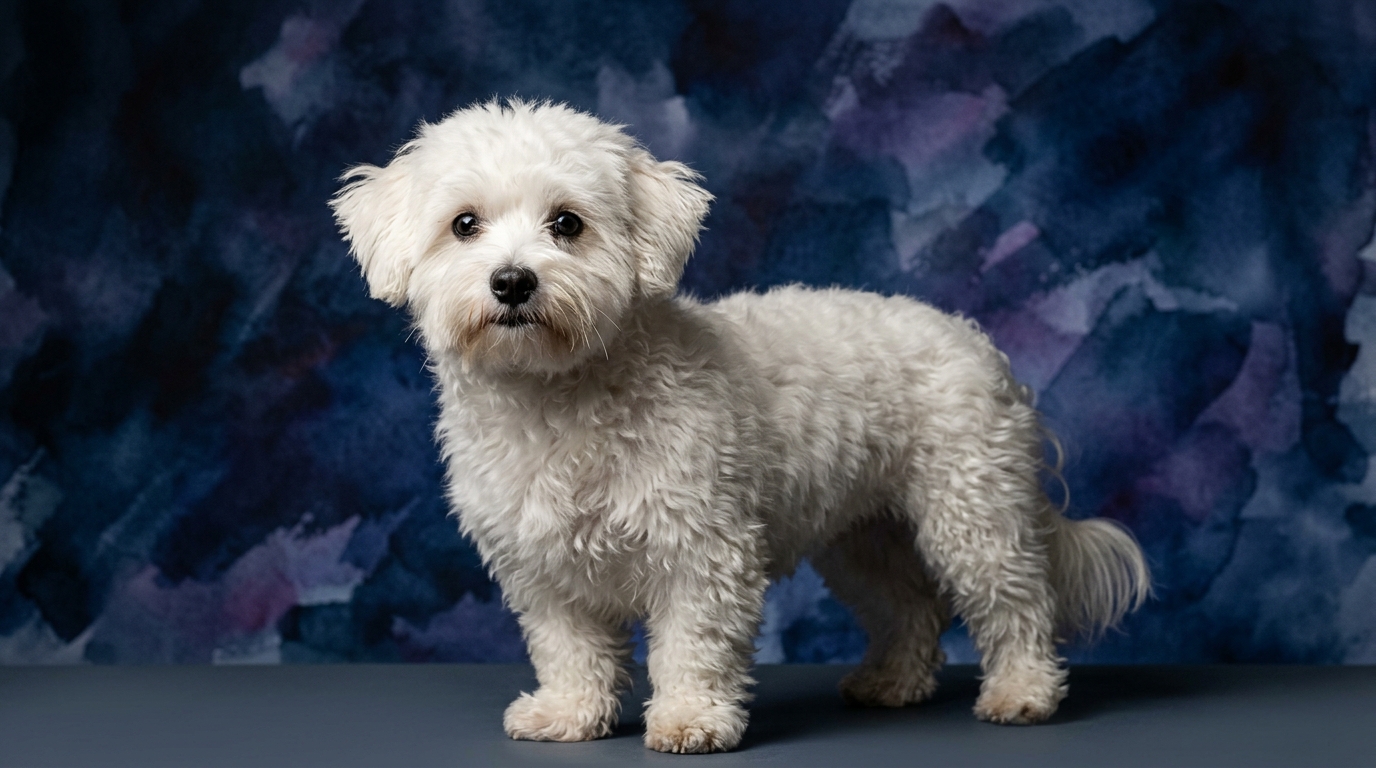
In contrast, the Coton de Tuléar, a charming member of the Non-Sporting group, presents a different cognitive landscape. With a Problem Solving score of 3/5, Coton de Tuléars are competent at tackling straightforward challenges, though they might benefit from clearer guidance for more intricate puzzles. Their Training Speed, also 3/5, means they learn at a steady pace; consistency and positive reinforcement are particularly effective for embedding new behaviors. A Social Intelligence of 3/5 highlights their affinity for human connection, often making them adept at reading their family's moods and seeking interaction. Their Instinctive Drive, rated 3/5, is typically geared towards companionship and playful engagement rather than specific working tasks, showing minimal herding or strong prey drive. A Memory score of 3/5 suggests they retain information reliably, though perhaps requiring more frequent reinforcement for less common commands compared to their Corgi counterparts.
Cardigan Welsh Corgi's Cognitive Edge
The Cardigan Welsh Corgi distinctly outpaces the Coton de Tuléar in several key cognitive domains, primarily driven by their heritage as working herding dogs. Their superior Problem Solving ability (4/5) means they are inherently more inclined to independently analyze situations and devise solutions. This might manifest as quickly understanding how to open a child-proof gate or figuring out a novel way to get to a desired object. This capacity for autonomous thought stems from generations of needing to make decisions on the fly while managing livestock, often without direct human commands. Their higher Training Speed (4/5) underscores a quicker neural processing of new information and associations. Corgis tend to grasp new cues and sequences with fewer repetitions, translating into a more efficient learning curve for complex tricks, obedience routines, or even specialized dog sports like agility. This efficiency is a direct benefit of their historical role, where rapid response to commands and environmental changes was crucial for effective herding.
Furthermore, the Cardigan's enhanced Memory (4/5) allows them to solidify learned behaviors and recall them consistently over extended periods. This means once a Corgi has mastered a command or a routine, it is likely to remain embedded in their cognitive repertoire, requiring less frequent 'refresher' training compared to a breed with a lower memory score. This robust recall is invaluable for maintaining a reliable set of behaviors, from basic manners to intricate scent work. Their natural curiosity and drive to engage with their environment also contribute to a proactive approach to learning, where they are often seeking out mental stimulation rather than passively waiting for instruction.
Coton de Tuléar's Unique Cognitive Strengths
While the Coton de Tuléar may not boast the same raw problem-solving or training speed as the Cardigan Welsh Corgi, their cognitive strengths lie in areas that foster deep human-animal bonds and adaptability within a domestic setting. Both breeds score 3/5 for Social Intelligence, but the Coton's expression of this often leans heavily into understanding and mirroring human emotional states, making them exceptionally attuned companions. They excel at picking up on subtle social cues like changes in voice tone or body language, often responding with comforting gestures or playful invitations. This refined social radar allows them to integrate seamlessly into family life, often anticipating their owner's needs or moods with a quiet understanding.
The Coton's Instinctive Drive, also rated 3/5, is fundamentally different from the Corgi's herding impulse. For the Coton, this drive is primarily channeled into seeking and maintaining companionship. Their desire to be close to their human family isn't a passive trait but an active cognitive pursuit, driving behaviors that reinforce social connection. This means they are often motivated by praise and interaction, making them eager participants in activities that involve their people. Their cognitive landscape prioritizes social cohesion and emotional reciprocity, which, while not reflected in higher scores for tasks, makes them particularly adept at navigating the complexities of human relationships and forming strong, reciprocal bonds within a home environment.
Training Trajectories: Corgi vs. Coton
When it comes to ease of training, the Cardigan Welsh Corgi generally presents a more straightforward path for the average owner. Their 4/5 Training Speed score is a significant advantage, meaning they typically pick up new commands and routines with fewer repetitions than the Coton de Tuléar. Corgis are often eager to engage in structured learning, processing information rapidly and retaining it effectively due to their strong memory. Their problem-solving acumen also means they are less likely to get 'stuck' on a training concept; they can often extrapolate from previous lessons or figure out what is being asked of them more independently. This responsiveness makes them excellent candidates for advanced obedience, trick training, or dog sports where quick learning and precise execution are valued.
The Coton de Tuléar, with a 3/5 Training Speed, requires a more patient and consistently positive approach. While certainly trainable, they may need more frequent reinforcement sessions and a clear, repetitive structure to solidify new behaviors. Their motivation often stems from the desire for social connection and praise, so positive reinforcement methods, such as treats, verbal encouragement, and play, are particularly effective. Unlike the Corgi, who might find intrinsic reward in solving the 'puzzle' of a new command, the Coton often needs the social aspect of training to be engaging. Owners should be prepared for a slightly slower learning curve and understand that maintaining consistency is paramount to prevent old habits from resurfacing. However, their social intelligence makes them highly receptive to their owner's mood and intentions, which can be leveraged to build a strong training partnership.
Matching Breeds to Lifestyles: Activity Levels and Engagement
The choice between a Cardigan Welsh Corgi and a Coton de Tuléar also hinges significantly on an owner's lifestyle and activity preferences. The Cardigan Welsh Corgi, with its herding heritage, thrives with active owners who can provide ample mental and physical stimulation. Their instinctive drive, even at 3/5, means they possess a natural inclination for purposeful activity. These dogs benefit from regular walks, engaging play sessions, and opportunities to use their problem-solving skills in activities like puzzle toys, scent work, or even herding games. An owner who enjoys hiking, participates in dog sports, or is committed to consistent training will find the Corgi a rewarding and engaged companion. Without sufficient outlets for their cognitive and physical energy, Corgis can become restless or channel their ingenuity into less desirable behaviors, reflecting their need for mental engagement.
Conversely, the Coton de Tuléar is an ideal match for more relaxed owners or those seeking a highly adaptable companion. While they appreciate regular walks and playtime, their exercise needs are generally moderate. Their cognitive focus on social interaction means they are content to spend much of their time simply being with their family, whether it's cuddling on the couch, following you from room to room, or engaging in gentle play. Their lower instinctive drive for specific working tasks means they are less prone to restlessness if a day includes more quiet time. Coton de Tuléars excel in homes where companionship is a priority, adapting well to apartment living or a more sedentary pace, provided they receive consistent affection and opportunities for social engagement. Their cognitive profile makes them excellent emotional support animals due to their attunement to human companionship.
The Verdict
Choose the Cardigan Welsh Corgi if you are an active owner who enjoys engaging in consistent training, providing ample mental stimulation, and appreciates a dog with a keen problem-solving mind and robust memory for tasks.
Opt for the Coton de Tuléar if you prioritize a highly adaptable, affectionate companion whose cognitive strengths lie in social attunement and a gentle, devoted presence, fitting well into a more relaxed household.
🧠 Find Your Pet's IQ Score
Our Pet IQ Lab assessment covers 25+ tests across 5 cognitive dimensions — personalized to your breed.
Take the Full IQ Test →Frequently Asked Questions
Do Cardigan Welsh Corgis bark a lot?
Cardigan Welsh Corgis can be quite vocal, often using their barks to alert their family to new arrivals or perceived threats, a remnant of their herding instincts. Consistent training can help manage excessive barking.
Is the Coton de Tuléar truly a non-shedding dog?
While no dog is truly 100% non-shedding, Coton de Tuléars are considered very low-shedding and are often a suitable choice for individuals with allergies. Regular grooming is still essential to prevent matting of their soft coat.
Are Coton de Tuléars good family dogs with children?
Coton de Tuléars generally excel as family dogs and are known for their gentle and patient nature with children. Their strong social intelligence helps them adapt to family dynamics, though supervision with very young children is always recommended.