Side-by-Side IQ Profile
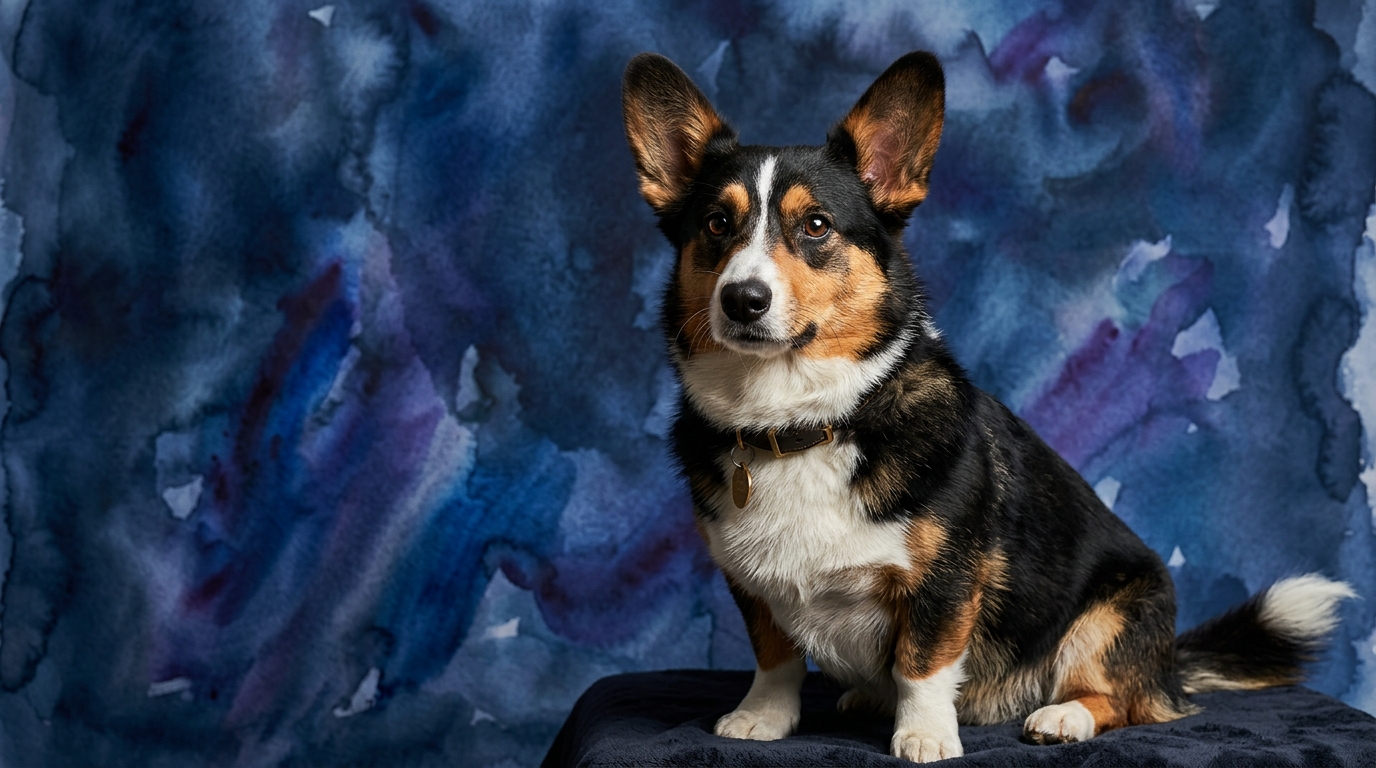
The Cardigan Welsh Corgi, a diligent herding breed, presents a robust cognitive profile. Their Problem Solving is rated 4/5, indicating a strong capacity to analyze situations and devise solutions, often independently. Training Speed also scores 4/5, reflecting their eagerness and aptitude for quickly acquiring new commands and behaviors, a trait honed by generations of working alongside humans. Social Intelligence stands at 3/5, suggesting a moderate ability to interpret human cues and social dynamics within a family unit. Their Instinctive Drive is 3/5, denoting a moderate impulse for breed-specific behaviors. Memory is 4/5, signifying an excellent ability to retain learned information.
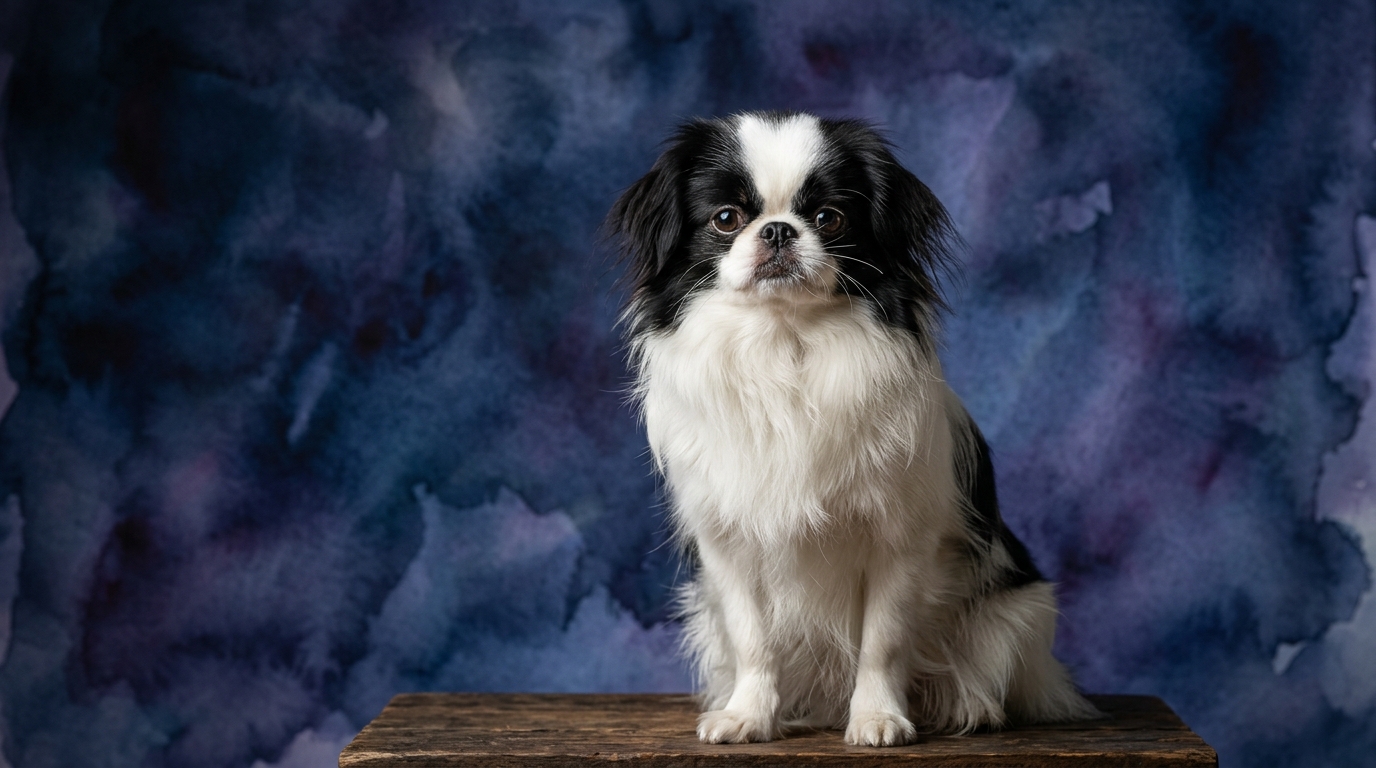
In contrast, the Japanese Chin, a breed developed purely for companionship, exhibits a consistently balanced cognitive makeup. Their Problem Solving is 3/5, indicating a competent but perhaps less independently driven approach to challenges, preferring to seek human assistance. Training Speed is likewise 3/5, meaning they are capable of learning but may require more repetition or motivation compared to more task-oriented breeds. Social Intelligence also scores 3/5, suggesting they are adequately attuned to their human companions' moods and interactions, fostering a strong bond. Their Instinctive Drive is 3/5, reflecting a moderate, manageable level of inherent breed behaviors. Memory, at 3/5, allows them to recall routines and familiar faces effectively.
Where Cardigan Welsh Corgi Wins Cognitively
The Cardigan Welsh Corgi distinctly excels in areas requiring mental agility and retention, scoring higher in both Problem Solving (4/5) and Memory (4/5) compared to the Japanese Chin. Their herding lineage instilled independent thought, enabling them to figure out complex sequences like opening gates or navigating obstacle courses with self-sufficiency. This superior problem-solving acumen translates into a dog that enjoys mental challenges and can often surprise owners with their ingenuity in resolving minor dilemmas. Coupled with their strong memory, Corgis are adept at retaining intricate command sequences or understanding household rules, making them excellent candidates for advanced obedience, agility, or even scent work. Their Coren rank of #26 solidifies their position among breeds noted for operational intelligence. These cognitive strengths mean a Corgi thrives when given opportunities to use its mind actively, preventing boredom and potential mischief.
Where Japanese Chin Wins Cognitively
While the Japanese Chin's individual cognitive scores are consistently 3/5, its unique advantage lies in the balance and suitability of this profile for its primary role: a devoted companion. Its moderate Problem Solving (3/5) means it's less likely to independently orchestrate elaborate schemes or challenge household boundaries, fostering a more predictable and serene home environment. Unlike some breeds with higher problem-solving drives that might invent their own entertainment, a Chin is generally content with the companionship and routines provided by its human. Its 3/5 Instinctive Drive further supports this, possessing fewer powerful urges to chase or explore far afield, making it a more contained presence. This harmonious cognitive blend results in a dog that is less prone to anxiety from under-stimulation, finding satisfaction in close human interaction rather than needing constant mental tasks. The Chin's cognitive strengths are subtle, manifesting as inherent calm and a capacity for deep, uncomplicated bonding without intense mental demands.
Which is Easier to Train and Why
When it comes to formal training, the Cardigan Welsh Corgi generally presents as the easier breed to teach new commands and behaviors due to its higher Training Speed (4/5) and Problem Solving (4/5). Their historical role required them to quickly learn and respond to complex commands from shepherds, making them inherently receptive to instruction. A Corgi often grasps new commands in fewer repetitions and generalizes behaviors across environments. However, their moderate Instinctive Drive (3/5) can sometimes manifest as a stubborn streak or a tendency to "herd" family members, requiring consistent and firm guidance. Independent problem-solving can also lead them to test boundaries.
The Japanese Chin, with its Training Speed of 3/5, is certainly capable of learning, but it may require a more patient and positive reinforcement-focused approach. They might take more repetitions to solidify a command, and their motivation often stems from a desire to please their beloved human rather than an inherent drive to perform tasks. Their lower problem-solving score means they are less likely to "figure out" a shortcut or challenge a command, making them more straightforward once they understand what is expected. Their consistent 3/5 Instinctive Drive means fewer strong, distracting urges, making them less prone to chasing during training. While not as quick as a Corgi, a Chin's agreeable nature and focus on companionship make them pleasant, if slower, students for basic obedience.
Which Suits Active Owners vs Relaxed Owners
The Cardigan Welsh Corgi is ideally suited for active owners who relish engaging with their dog both physically and mentally. Their robust Problem Solving (4/5), Training Speed (4/5), and Memory (4/5) mean they thrive on structured activities, training sessions, and interactive games that challenge their minds. Owners enjoying tricks, dog sports like agility, or adventurous hikes will find a Corgi an eager, capable partner. Their moderate Instinctive Drive (3/5) requires outlets, necessitating consistent mental stimulation to prevent boredom and unwanted behaviors. A Corgi needs an owner who can commit to regular engagement, transforming their sharp intellect into a well-behaved and fulfilled companion.
Conversely, the Japanese Chin is a perfect match for more relaxed owners seeking a devoted, tranquil companion. Their consistent 3/5 scores across all cognitive dimensions mean they are content with a less demanding lifestyle, valuing close human proximity over rigorous training or extensive physical exertion. Owners preferring gentle walks, cozy evenings, and a dog whose joy comes from proximity will find the Chin exceptionally rewarding. While they still benefit from basic training and mental enrichment, their needs are less intense than a Corgi's. Their balanced Instinctive Drive (3/5) means they are generally calm indoors, less prone to destructive behaviors from under-stimulation, suiting apartment dwellers or quieter homes. A Chin flourishes with an owner who appreciates their gentle nature and offers consistent affection without the expectation of high-performance tasks.
The Verdict
For owners seeking a highly engaged canine partner eager for mental challenges and structured activities, the Cardigan Welsh Corgi offers superior problem-solving, training speed, and memory.
If your lifestyle leans towards serene companionship and a dog whose cognitive strengths lie in being a devoted, low-maintenance presence, the Japanese Chin's balanced and moderate profile is an ideal fit.
🧠 Find Your Pet's IQ Score
Our Pet IQ Lab assessment covers 25+ tests across 5 cognitive dimensions — personalized to your breed.
Take the Full IQ Test →Frequently Asked Questions
Do Cardigan Welsh Corgis require a lot of mental stimulation?
Yes, with a Problem Solving score of 4/5 and a Memory of 4/5, Corgis thrive on mental challenges like puzzle toys, training sessions, and interactive games to keep their minds engaged and prevent boredom.
Are Japanese Chins difficult to train given their 3/5 Training Speed?
While their Training Speed is moderate, Japanese Chins are capable of learning basic obedience; they may simply require more patience and positive reinforcement, focusing on their desire for companionship rather than complex task mastery.
Which breed is better for apartment living based on their cognitive traits?
The Japanese Chin's balanced cognitive profile and moderate instinctive drive make it generally more suited for apartment living, as it's less prone to needing extensive mental and physical outlets compared to the Cardigan Welsh Corgi.