Side-by-Side IQ Profile: Cardigan Welsh Corgi vs. Norwegian Buhund
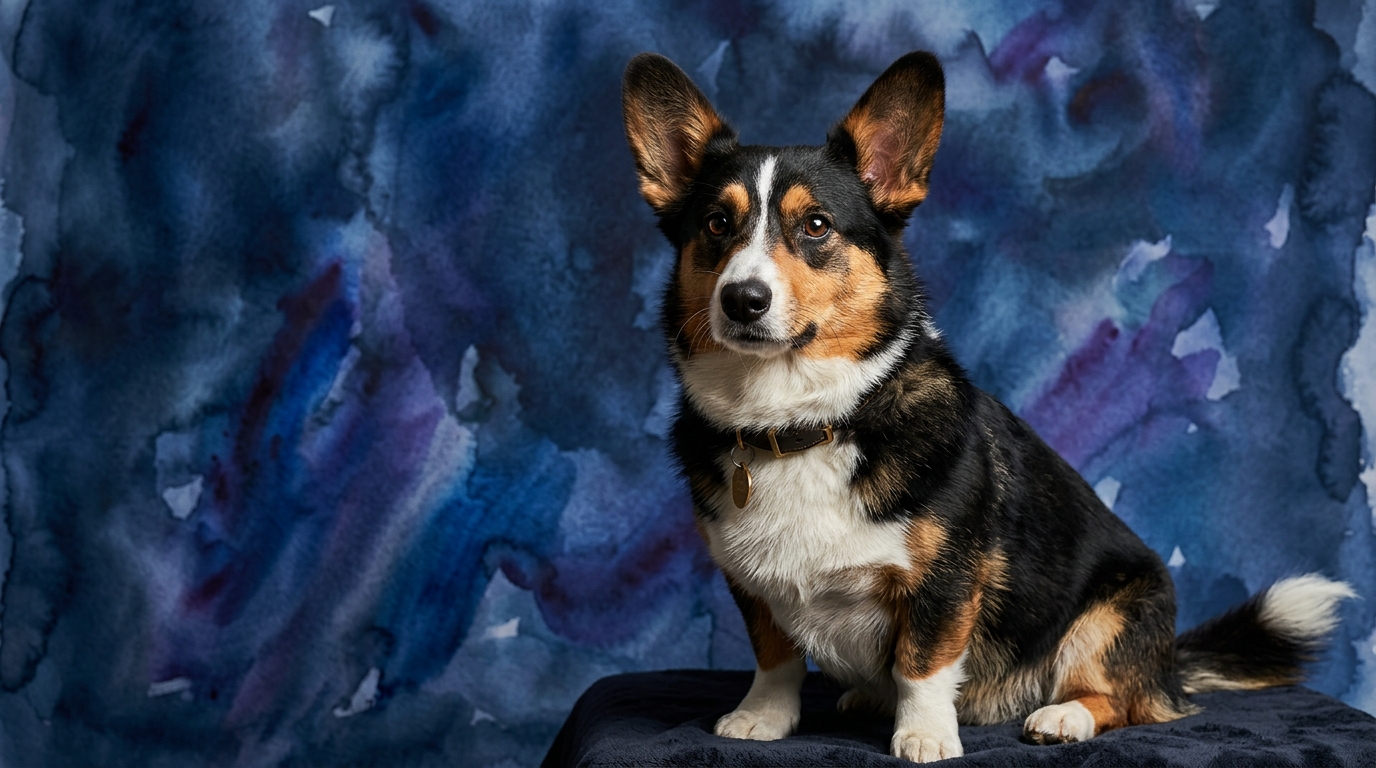
The Cardigan Welsh Corgi, recognized by Coren as ranking #26 in working intelligence, presents a well-rounded and agile cognitive profile. Its problem-solving ability scores a robust 4/5, indicating a dog capable of quickly assessing new situations and devising effective solutions. This agility extends to its training speed, also rated 4/5, suggesting a rapid grasp of new commands and an eagerness for structured learning. Social intelligence stands at 3/5, meaning they understand human cues well enough to form strong bonds but retain a degree of independent thought. Their instinctive drive, at 3/5, reflects their herding heritage, needing appropriate outlets for their innate urges. Finally, a memory score of 4/5 ensures they retain learned behaviors and routines with notable consistency.
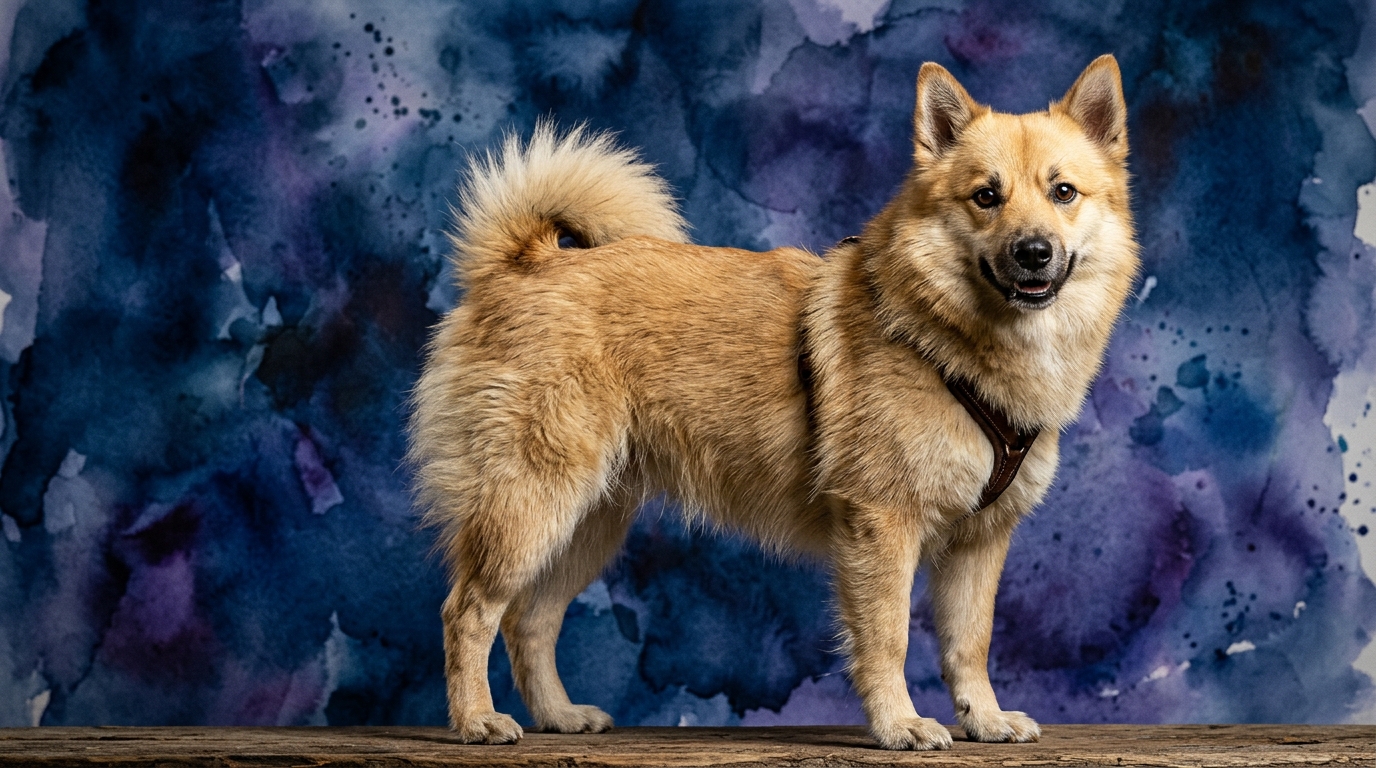
In contrast, the Norwegian Buhund, while not Coren-ranked, demonstrates a consistently solid cognitive makeup across the board. Its problem-solving ability is rated 3/5, indicating a competent dog that can tackle challenges, often relying on established patterns or learned experiences rather than immediate novel solutions. Training speed also sits at 3/5, signifying a steady learner who thrives on clear, consistent instruction, building proficiency over time. Like the Corgi, its social intelligence is 3/5, allowing for good human connection while maintaining a distinct canine perspective. Its instinctive drive is similarly 3/5, a clear nod to its herding origins and a need for productive engagement. The Buhund’s memory is rated 3/5, ensuring it retains information reliably, though perhaps not with the Corgi's lightning-fast recall of intricate sequences.
Where Cardigan Welsh Corgi Wins Cognitively
The Cardigan Welsh Corgi showcases clear cognitive advantages in several key areas, particularly when it comes to adaptability and learning efficiency. Its superior problem-solving score of 4/5, compared to the Buhund’s 3/5, highlights its capacity to navigate novel situations with greater ingenuity and less hesitation. For instance, a Corgi might more readily figure out how to open a child-proof gate or devise a new strategy to retrieve a toy stuck under furniture, rather than simply giving up or relying on a human. This quick-wittedness is intrinsically linked to its training speed, also a 4/5. Corgis tend to absorb new commands, tricks, and complex routines with remarkable rapidity, making them prime candidates for advanced obedience, agility, or even intricate trick training. Their higher memory score of 4/5 further reinforces this, allowing them to retain vast repertoires of learned behaviors and complex sequences over long periods. Owners often report that Corgis remember commands or routines from years past with surprising clarity, demonstrating a strong cognitive archive that facilitates ongoing learning and predictable behavior in established contexts. This combination of swift learning, inventive problem-solving, and robust memory truly sets the Cardigan Welsh Corgi apart in terms of cognitive agility.
Where Norwegian Buhund Shines Cognitively
While the Norwegian Buhund’s individual scores might not surpass the Corgi’s in raw numbers, its unique cognitive profile presents a compelling case for a different kind of intellectual strength: consistency and robust reliability. With every cognitive dimension rated at 3/5, the Buhund offers a balanced and predictable mental approach that can be exceptionally valuable in certain roles and environments. Its 3/5 problem-solving, for example, suggests a dog that is competent and effective without being overly "clever" or prone to self-invented solutions that might deviate from desired outcomes. This can be a distinct advantage in situations requiring adherence to established methods rather than constant innovation. Similarly, its 3/5 training speed, while not as fast as the Corgi's, implies a steady, committed learner who, once taught, tends to retain and perform tasks with dependable consistency, less prone to "forgetting" or trying to outsmart the handler. The Buhund’s moderate social intelligence and instinctive drive, both 3/5, indicate a dog that is engaged and connected but perhaps less susceptible to overstimulation or distraction from complex environmental cues, allowing for a more focused approach to its work or family interactions. This overall cognitive equilibrium translates into a dog that is often perceived as steadfast, dependable, and less likely to present unexpected cognitive challenges, making it an excellent choice for owners who value consistency and a straightforward learning curve.
Which Is Easier to Train and Why
Evaluating ease of training between these two breeds requires understanding their distinct learning styles. The Cardigan Welsh Corgi, with its 4/5 training speed and 4/5 problem-solving, generally proves quicker to pick up new commands and complex sequences. Their inherent eagerness to engage mentally and their capacity for novel thought mean they thrive on varied training sessions and quickly grasp the 'why' behind a command. However, this very intelligence can also manifest as a charming stubbornness, a common herding trait where they might decide their way is better, requiring a trainer to be equally clever and consistent with positive reinforcement. They need mental engagement to prevent boredom and undesirable self-employment.
The Norwegian Buhund, with its consistent 3/5 across training speed, problem-solving, and memory, offers a different training experience. They are steady learners, perhaps not as lightning-fast as the Corgi, but exceptionally reliable once a concept is understood. They respond best to clear, patient, and consistent instruction, building proficiency through repetition and positive reinforcement. They are less likely to try to outsmart their trainer or invent alternative solutions, making foundational obedience a predictable and rewarding process. While they might require more repetitions to solidify a new behavior, their consistency once learned can be a significant advantage, leading to a highly dependable companion.
Which Suits Active Owners vs. Relaxed Owners
Neither the Cardigan Welsh Corgi nor the Norwegian Buhund is ideally suited for truly 'relaxed' owners in the sense of a sedentary lifestyle; both are working herding breeds that require significant engagement. However, their specific cognitive profiles suggest different types of active ownership. The Cardigan Welsh Corgi, with its higher problem-solving and training speed, thrives with owners who are actively involved in structured training, dog sports like agility or obedience, or who enjoy devising complex mental games and puzzle toys. These dogs need their quick minds challenged daily to prevent boredom, which can lead to destructive behaviors. They suit owners who relish a highly interactive and mentally stimulating partnership, providing varied experiences and consistent intellectual engagement.
The Norwegian Buhund, while equally requiring physical activity, might appeal to active owners who prioritize consistent outdoor adventures and regular, structured exercise routines over constant novel intellectual challenges. Their balanced 3/5 cognitive profile suggests they enjoy routine and clear expectations. They excel with owners who enjoy hiking, long walks, or perhaps consistent participation in sports like rally or herding trials, where reliability and consistency are key. While they need mental engagement, it might be less about inventing new puzzles daily and more about reinforcing learned behaviors and exploring new environments in a structured manner.
The Verdict
If you relish a quick-witted, highly adaptable canine partner eager for complex training, novel mental games, and can consistently provide varied intellectual challenges, the Cardigan Welsh Corgi is likely your ideal match.
Conversely, if you seek a steadfast, consistently capable companion who thrives on clear guidance, established routines, and enjoys regular physical activity without necessarily demanding constant novel intellectual innovation, the Norwegian Buhund will prove to be a wonderfully dependable friend.
🧠 Find Your Pet's IQ Score
Our Pet IQ Lab assessment covers 25+ tests across 5 cognitive dimensions — personalized to your breed.
Take the Full IQ Test →Frequently Asked Questions
Are Cardigan Welsh Corgis prone to stubbornness?
Yes, their high problem-solving ability and independent herding drive can sometimes manifest as stubbornness, as they might prefer their own clever solutions. Consistent, positive reinforcement training from a young age is crucial to channel their intellect effectively.
Do Norwegian Buhunds require a lot of mental stimulation?
Absolutely. Despite their consistent 3/5 scores, Buhunds are still herding dogs with an active mind and body. They thrive on regular training sessions, puzzle toys, and exploring new environments to keep them engaged and prevent boredom.
Which breed is better for first-time dog owners?
Both breeds can be good for first-time owners who are committed to consistent training and providing ample physical and mental exercise. However, the Norwegian Buhund's more predictable and consistent cognitive approach might be slightly less demanding in terms of managing a very clever and potentially stubborn mind, making it a potentially smoother learning curve for a novice owner.