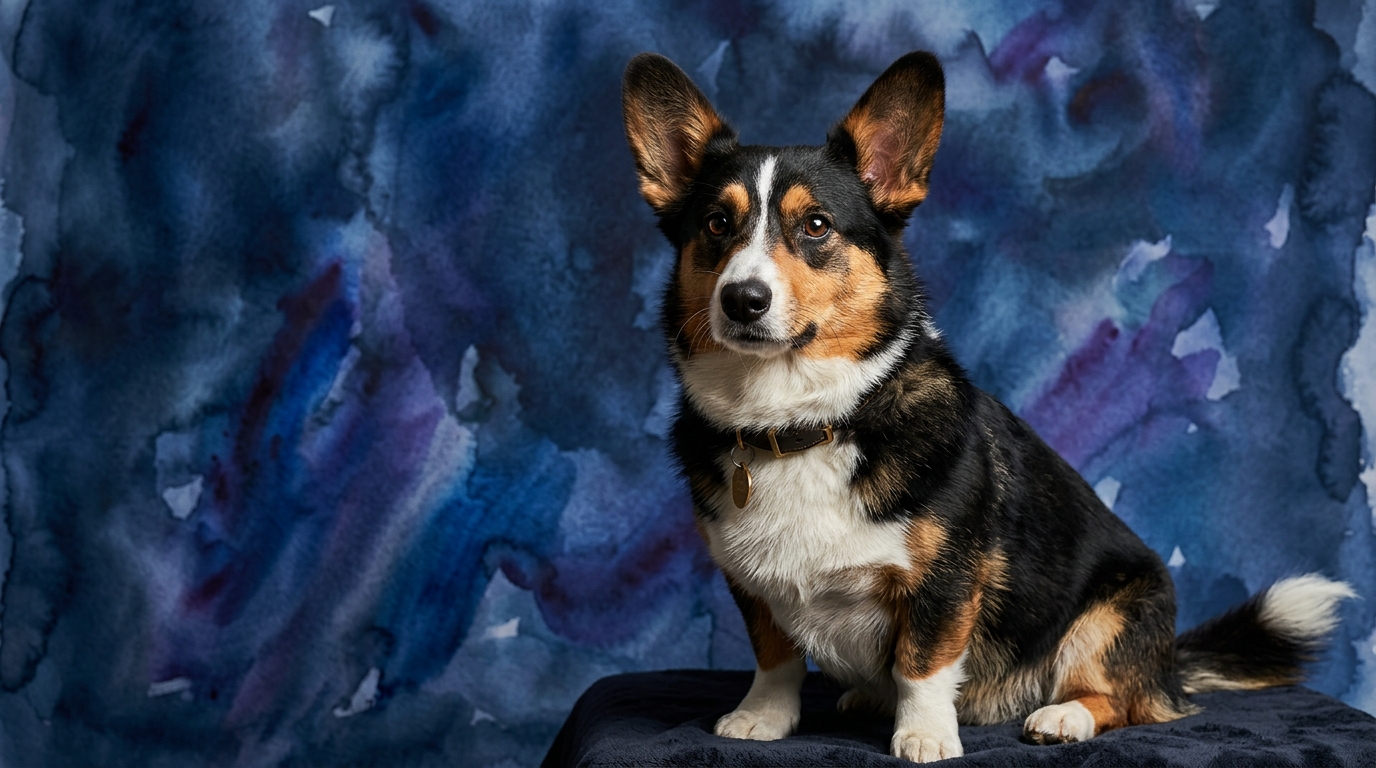
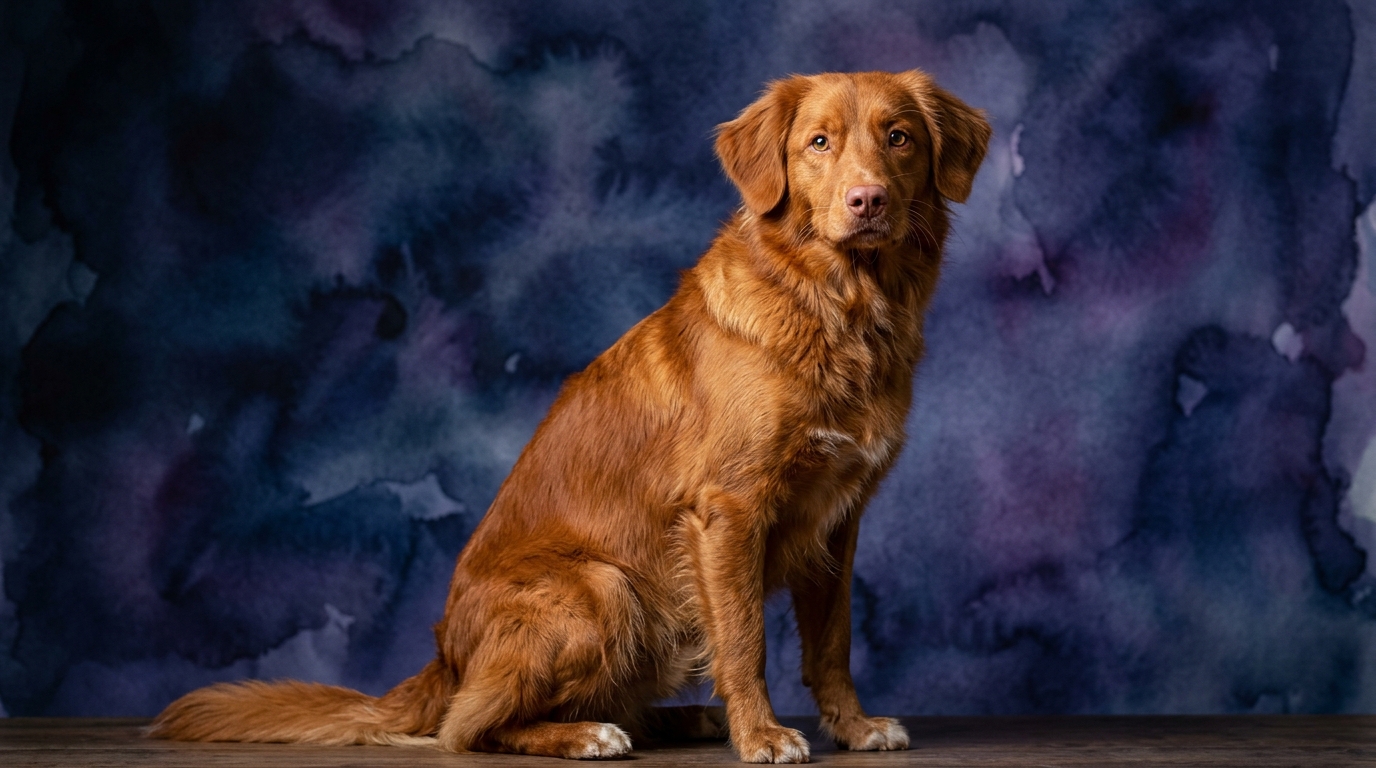
Side-by-Side IQ Profile: Herding Wit vs. Sporting Acuity
The Cardigan Welsh Corgi, a member of the Herding Group with a Coren rank of #26, showcases a cognitive profile forged by centuries of guiding livestock. Their Problem Solving is rated at 4/5, reflecting a history where independent decisions were crucial for managing herds in varied terrains; they often display ingenuity in navigating complex scenarios or manipulating objects. Their Training Speed is 4/5, indicating a remarkable ability to quickly grasp and respond to intricate commands, a trait essential for working closely with shepherds. Social Intelligence stands at 3/5, demonstrating a good understanding of human cues and pack dynamics, though their herding instincts can sometimes manifest in "managing" family members. An Instinctive Drive of 3/5 points to a purposeful herding drive that, while present, is often balanced by a desire for companionship. Finally, their Memory is 4/5, allowing them to recall complex sequences of tasks, territorial layouts, and past experiences with impressive consistency.
In contrast, the Nova Scotia Duck Tolling Retriever, from the Sporting Group and not Coren-ranked, possesses a specialized intelligence tailored to its unique role. Their Problem Solving is 3/5, showing a practical, goal-oriented approach, particularly effective in retrieving tasks and environmental challenges. Training Speed is 3/5; Tollers learn at a steady pace, often excelling with clear, positive reinforcement and repetition, especially when linked to their innate drives. Their Social Intelligence is 3/5, highlighting a strong attunement to their handlers, which is vital for cooperative hunting and reading subtle human signals. An Instinctive Drive of 3/5 is deeply rooted in retrieving and their signature "tolling" behavior, demanding outlets for this powerful, purpose-driven urge. Their Memory is 3/5, enabling them to retain information pertinent to their retrieving duties and training protocols, ensuring reliable performance in their specialized field.
Where the Cardigan Welsh Corgi Cognitively Excels
The Cardigan Welsh Corgi demonstrates a distinct cognitive edge in areas requiring independent thought and rapid information processing, traits deeply ingrained from its herding lineage. Their superior Problem Solving score (4/5 versus the Toller's 3/5) directly reflects their need to make autonomous decisions in dynamic environments, such as splitting livestock or navigating obstacles. This manifests in their impressive ability to strategize how to access a hidden treat or quickly master a new puzzle toy, showcasing a proactive and adaptive mental approach to novel challenges. They don't just react; they often anticipate and plan.
Furthermore, the Corgi’s higher Training Speed (4/5 vs. 3/5) and Memory (4/5 vs. 3/5) combine to make them exceptionally receptive to formal obedience and advanced trick training. A Corgi can often grasp a new command in fewer repetitions and retain it over extended periods, enabling them to build a broad and complex repertoire of learned behaviors. Their strong memory was vital for recalling intricate herding patterns and the movements of individual animals, translating today into a capacity for remembering complex routines, agility courses, and a wide array of verbal cues, making them versatile and consistent performers in diverse learning contexts.
Where the Nova Scotia Duck Tolling Retriever Shows Unique Cognitive Strengths
While the Nova Scotia Duck Tolling Retriever's numerical IQ scores might appear slightly lower in some aspects compared to the Corgi, their cognitive profile is uniquely tailored to their specialized role, highlighting a different kind of operational intelligence. Their "tolling" behavior, a sophisticated luring technique involving playful antics along the shoreline to attract curious ducks, demands a precise blend of sustained focus, strategic patience, and acute understanding of environmental cues. This isn't merely an instinct; it's a learned, cooperative strategy that speaks to a specific cognitive design for partnership.
The Toller's 3/5 in Social Intelligence and Instinctive Drive, while matching the Corgi's social score, is perfectly calibrated for symbiotic work with a human hunter. They excel at reading their handler's subtle signals and maintaining sustained engagement in a task, a particular cognitive strength for cooperative hunting. Their problem-solving, rated 3/5, is highly effective within their domain, allowing them to efficiently track, retrieve, and return game, demonstrating a practical, goal-oriented intelligence that thrives on purpose and partnership. This specific application of their cognitive abilities makes them exceptional at their intended function, demanding a unique blend of observation, restraint, and enthusiastic execution within their specialized field.
Which is Easier to Train and Why
When considering general obedience and the ease of introducing a wide array of commands, the Cardigan Welsh Corgi typically presents as the more straightforward student. Their higher Training Speed (4/5) and superior Memory (4/5) mean they usually require fewer repetitions to grasp new concepts and retain them consistently. The Corgi’s historical role demanded a dog that could quickly learn and respond to complex directions from a shepherd, fostering a natural inclination towards biddability and a keen interest in varied learning, making training sessions often engaging and productive.
The Nova Scotia Duck Tolling Retriever, with a Training Speed of 3/5 and Memory of 3/5, is by no means difficult to train but often benefits from more consistent reinforcement and structured sessions. Their training success is significantly amplified by tapping into their strong retrieving drive; tasks that involve fetching, carrying, or problem-solving related to these instincts will often see faster progress and higher enthusiasm. While they possess a strong desire to please their handler, their focus can sometimes be more singularly directed towards their innate sporting drives, meaning a trainer might need to be more creative in making non-retrieving tasks equally rewarding to maintain their enthusiasm and engagement.
Which Suits Active Owners vs. Relaxed Owners
Neither the Cardigan Welsh Corgi nor the Nova Scotia Duck Tolling Retriever are suitable for truly "relaxed" owners who prefer minimal engagement, as both are working breeds that thrive on purpose and activity. However, there are distinctions in the type and intensity of activity they require. The Cardigan Welsh Corgi, while possessing a strong work ethic from its herding lineage, is a smaller dog and can often be satisfied with a combination of brisk walks, engaging puzzle toys that challenge their 4/5 problem-solving abilities, and regular, stimulating training sessions. Their exercise needs are significant but can be met without requiring daily marathon runs or dedicated hunting trips, making them a better fit for owners who enjoy daily structured activities like obedience, agility, or scent work, but don't live an extreme outdoor lifestyle.
The Nova Scotia Duck Tolling Retriever, on the other hand, is built for endurance and intense physical exertion. Their strong instinctive drive (3/5) for retrieving and their sporting background means they genuinely need vigorous daily exercise, often involving swimming, fetching, or long runs. An owner considering a Toller should be prepared for a consistently active outdoor lifestyle, potentially participating in dog sports like dock diving, field trials, or extensive hiking. A "relaxed" owner would quickly find themselves with an under-stimulated Toller, whose energy and drive, while not higher numerically than the Corgi's, manifests in a larger, more physically demanding package that requires substantial physical outlets.
The Verdict
Choose the Cardigan Welsh Corgi if you seek a highly trainable companion adept at independent problem-solving and eager to learn a broad spectrum of commands, fitting well into an active home that appreciates mental engagement and structured activities.
Opt for the Nova Scotia Duck Tolling Retriever if you lead a consistently vigorous outdoor lifestyle and are prepared to channel their unique retrieving and luring instincts into dedicated, high-energy activities.
🧠 Find Your Pet's IQ Score
Our Pet IQ Lab assessment covers 25+ tests across 5 cognitive dimensions — personalized to your breed.
Take the Full IQ Test →Frequently Asked Questions
Is the Cardigan Welsh Corgi truly smarter than a Nova Scotia Duck Tolling Retriever?
While the Corgi generally shows higher scores in problem-solving, training speed, and memory, the Toller possesses a highly specialized intelligence perfectly adapted for its unique "tolling" work. "Smarter" is less about a universal metric and more about suitability for specific tasks and environments, highlighting different cognitive strengths.
Do Tollers require more exercise than Corgis?
Yes, Tollers typically demand significantly more vigorous physical exercise due to their sporting background and powerful retrieving drive, often needing intense daily outlets like swimming or long fetch sessions. Corgis need regular activity and mental stimulation, but usually not the same intensity or endurance as a Toller.
Can a Nova Scotia Duck Tolling Retriever be a good family pet despite its hunting background?
Absolutely, with proper socialization, consistent training, and sufficient outlets for their energy and instinctive drives, Tollers make devoted and affectionate family members. Their social intelligence allows them to bond closely with their human pack, thriving in an engaged household.