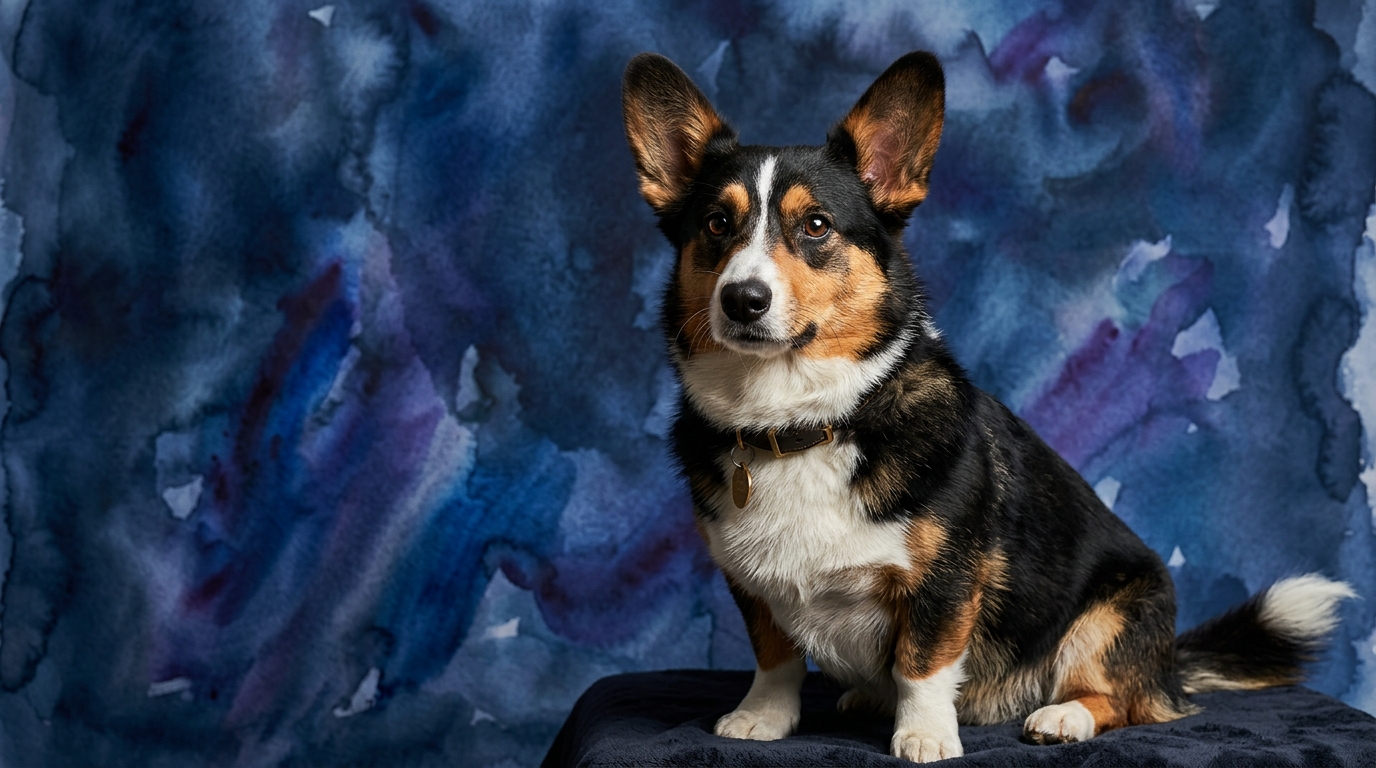
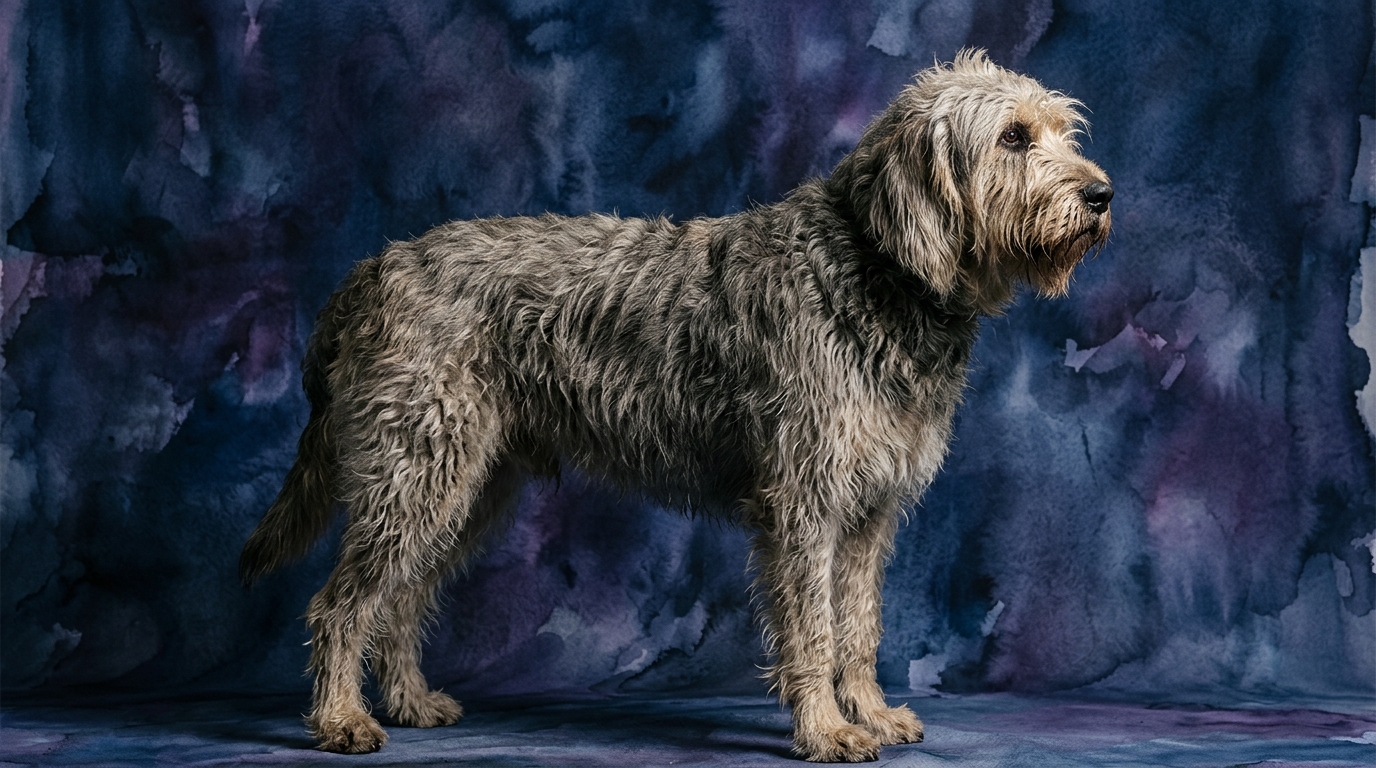
Side-by-side IQ Profile
Understanding the distinct cognitive blueprints of the Cardigan Welsh Corgi and the Otterhound begins with a side-by-side look at their IQ dimensions. The Cardigan Welsh Corgi, ranked #26 by Coren, demonstrates a formidable mental agility. Their Problem Solving (4/5) reflects a strong capacity for independent thought and strategic navigation of challenges, a legacy of their herding role. Training Speed (4/5) is similarly high, indicating they quickly grasp and retain new commands, making them highly responsive. Social Intelligence (3/5) is solid, allowing them to interpret human cues effectively, while their Instinctive Drive (3/5) for herding is present but manageable. A robust Memory (4/5) underpins their quick learning and reliability.
In contrast, the Otterhound, not Coren-ranked, possesses a different, yet equally specialized, cognitive makeup. Their Problem Solving (3/5) is methodical, often linked to persistence in scent-related tasks. Training Speed (3/5) is steady, requiring consistency, as their focus can be drawn by compelling environmental stimuli. Social Intelligence (3/5) is amiable and competent for family life. Their Instinctive Drive (3/5) is powerfully geared towards scent work, a deep-seated urge that defines much of their behavior. Memory (3/5) is average, effective for recalling learned behaviors and scent trails, though perhaps less for abstract concepts. Both breeds offer unique cognitive strengths tailored to their ancestral roles.
Where Cardigan Welsh Corgi Wins Cognitively
The Cardigan Welsh Corgi's cognitive profile demonstrates clear advantages in areas that demand quick mental agility and responsiveness to human instruction. Their superior Problem Solving score of 4/5 means they are more likely to independently strategize and overcome novel challenges, whether it's figuring out how to open a gate or navigating a complex agility course. This inherent ingenuity makes them engaging partners for owners who enjoy teaching intricate tricks or participating in dog sports that require strategic thinking. Coupled with a Training Speed of 4/5, Corgis typically absorb new commands with impressive efficiency, often needing fewer repetitions to achieve mastery. This rapid learning curve makes them highly responsive to consistent training, allowing for a broader repertoire of learned behaviors. Their strong Memory (4/5) further enhances this, ensuring that once a lesson is learned, it tends to stick, contributing to their reliability and consistency in performance. This combination of quick problem-solving, rapid learning, and robust recall positions the Cardigan Welsh Corgi as a highly adaptable and mentally agile companion, excelling in environments that value mental engagement and directed activity.
Where Otterhound Wins Cognitively
While the Otterhound's individual scores might appear lower than the Corgi's in some categories, their cognitive strengths are perfectly adapted to their specialized purpose, representing a different kind of mental prowess. The Otterhound's 3/5 in Instinctive Drive, specifically their profound scenting ability, is where their cognitive design truly shines. This isn't just about a strong nose; it's about the mental focus and unwavering persistence required to follow a complex, often faint, scent trail over vast distances and varied terrain for hours on end. Their Problem Solving at 3/5, while not as quick as a Corgi's, manifests as methodical, tenacious deduction when faced with a lost trail or a challenging environment. They are not easily deterred by obstacles when on a mission, exhibiting a profound dedication to their task that showcases a robust, specialized form of intelligence. Their average Training Speed (3/5) and Memory (3/5) mean they are capable learners, but their primary focus is often external, driven by the world of scent. This makes them less prone to overthinking or anxiety from complex abstract tasks, instead excelling in sustained, goal-oriented work. An Otterhound's cognitive 'win' lies in their specialized dedication, endurance, and profound ability to interpret the world through scent, a capability that few breeds can match in its depth and application.
Which is Easier to Train and Why
Based on their cognitive profiles, the Cardigan Welsh Corgi generally presents as the easier breed to train. Their Training Speed of 4/5 indicates a quicker uptake of commands and routines, often requiring fewer repetitions for mastery. This is complemented by their Problem Solving score of 4/5, which suggests an inherent desire to understand and engage with tasks, making them proactive participants in training sessions. Corgis often exhibit a strong drive to please their handlers and are highly motivated by positive reinforcement, leading to a more fluid and rewarding training experience. In contrast, the Otterhound's Training Speed of 3/5 means they learn at a more deliberate pace. Their Problem Solving at 3/5, while competent, is often focused on their primary instinctive drive – scent work. This means an Otterhound can be easily distracted by compelling scents in the environment, requiring more patience and consistency from their trainer. While they are certainly trainable, their independent nature and powerful nose mean that training an Otterhound often involves more creative strategies to maintain focus and channel their natural inclinations effectively, making them a more challenging prospect for novice trainers or those seeking rapid obedience.
Which Suits Active Owners vs Relaxed Owners
The choice between these breeds significantly depends on an owner's lifestyle. Cardigan Welsh Corgis, with their higher problem-solving and training speed, thrive with active owners who enjoy consistent mental engagement through dog sports like agility or trick training. Their moderate size means exercise needs can be met with vigorous walks and indoor play, alongside significant mental enrichment; a Corgi requires a 'job' to prevent boredom. Conversely, the Otterhound's profound instinctive drive for scent work demands substantial, consistent physical exercise, ideally involving long hikes or opportunities to follow trails. These are not dogs for short strolls. Otterhounds require owners who embrace outdoor adventures and can provide ample outlets for their powerful nose. Relaxed owners might struggle to meet the Otterhound's considerable exercise requirements. Corgis suit owners prioritizing mental stimulation and moderate physical activity, while Otterhounds are best for highly active individuals dedicated to outdoor exploration and channeling a deep working drive.
The Verdict
Choose the Cardigan Welsh Corgi if you seek a mentally agile companion eager to learn, excel in various dog sports, and thrive on consistent mental engagement within a moderately active lifestyle.
Opt for the Otterhound if you are an exceptionally active individual, passionate about outdoor adventures, and prepared to embrace and channel a powerful, independent scenting drive with consistent, patient guidance.
🧠 Find Your Pet's IQ Score
Our Pet IQ Lab assessment covers 25+ tests across 5 cognitive dimensions — personalized to your breed.
Take the Full IQ Test →Frequently Asked Questions
Are Cardigan Welsh Corgis prone to boredom if not mentally stimulated?
Yes, with their high problem-solving and memory scores, Corgis require regular mental challenges to prevent boredom, which can manifest as unwanted behaviors if their cognitive needs are neglected.
Can an Otterhound live happily in an urban apartment?
An Otterhound can adapt to apartment living if their significant exercise needs and opportunities for scent work are consistently met, but their size and vocal nature mean a house with a secure yard is generally more suitable.
How do their social intelligence scores impact their family life?
Both breeds have a 3/5 social intelligence score, meaning they form strong bonds and understand basic family dynamics, making them generally amiable companions who appreciate clear communication and consistent social interaction.