Side-by-Side IQ Profile: Cardigan Welsh Corgi vs. PBGV
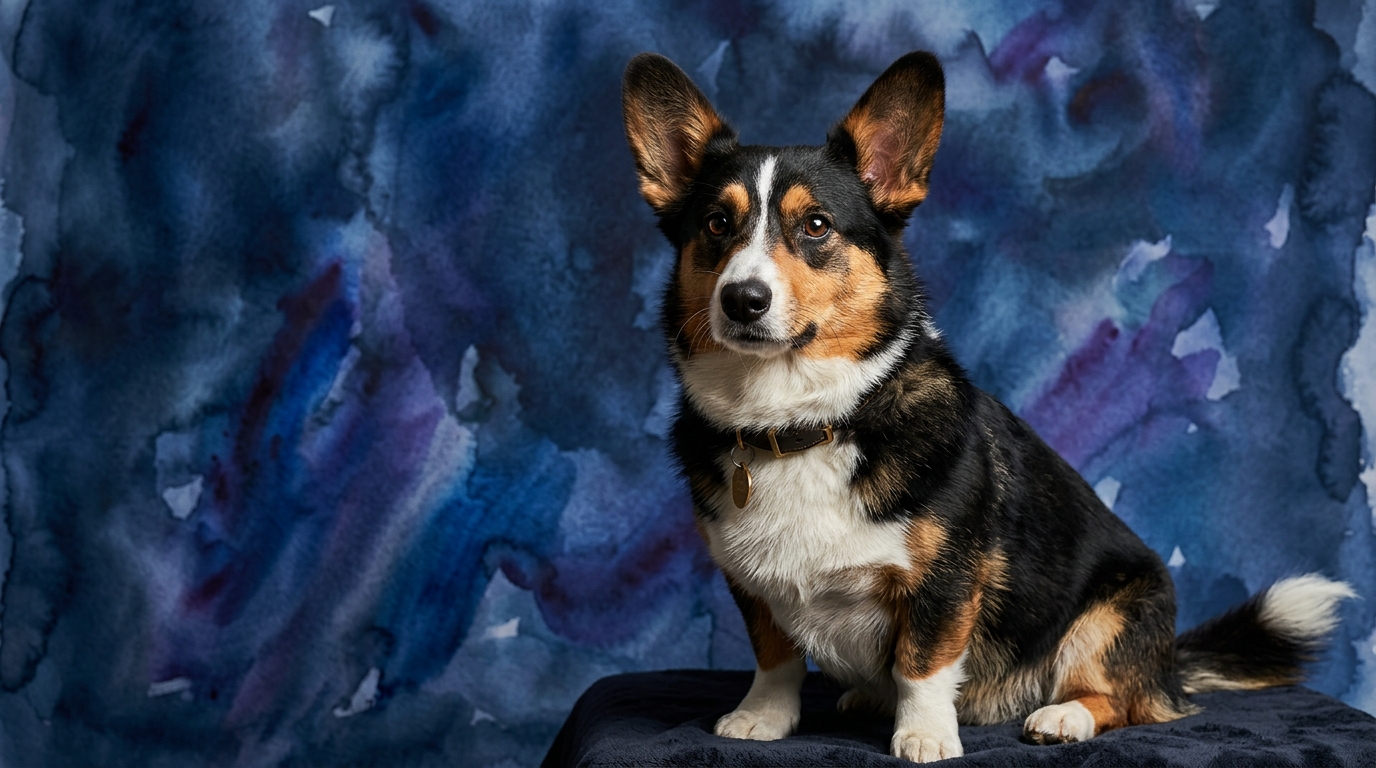
At The Cosmic Pet Pet IQ Lab, we delve into five key dimensions of canine intelligence to understand how breeds process information and interact with their world. For the Cardigan Welsh Corgi, a member of the Herding Group, their Coren ranking of #26 places them among dogs with excellent working intelligence. This signifies a strong capacity for understanding new commands, often within 5-15 repetitions, and obeying them reliably on the first command 85% of the time or better. Their problem-solving score of 4/5 indicates a knack for devising creative solutions to obstacles, like figuring out how to open a gate or manipulating complex puzzle toys. Coupled with a training speed of 4/5 and a memory of 4/5, Corgis generally grasp new commands with impressive efficiency and retain them well. Their social intelligence is rated at 3/5, suggesting they form strong bonds and read human emotions to a degree, though their independent streak and herding instincts might occasionally prioritize their own agenda. Their instinctive drive of 3/5 manifests as a manageable desire to gather or direct, which can be channeled into appropriate activities.
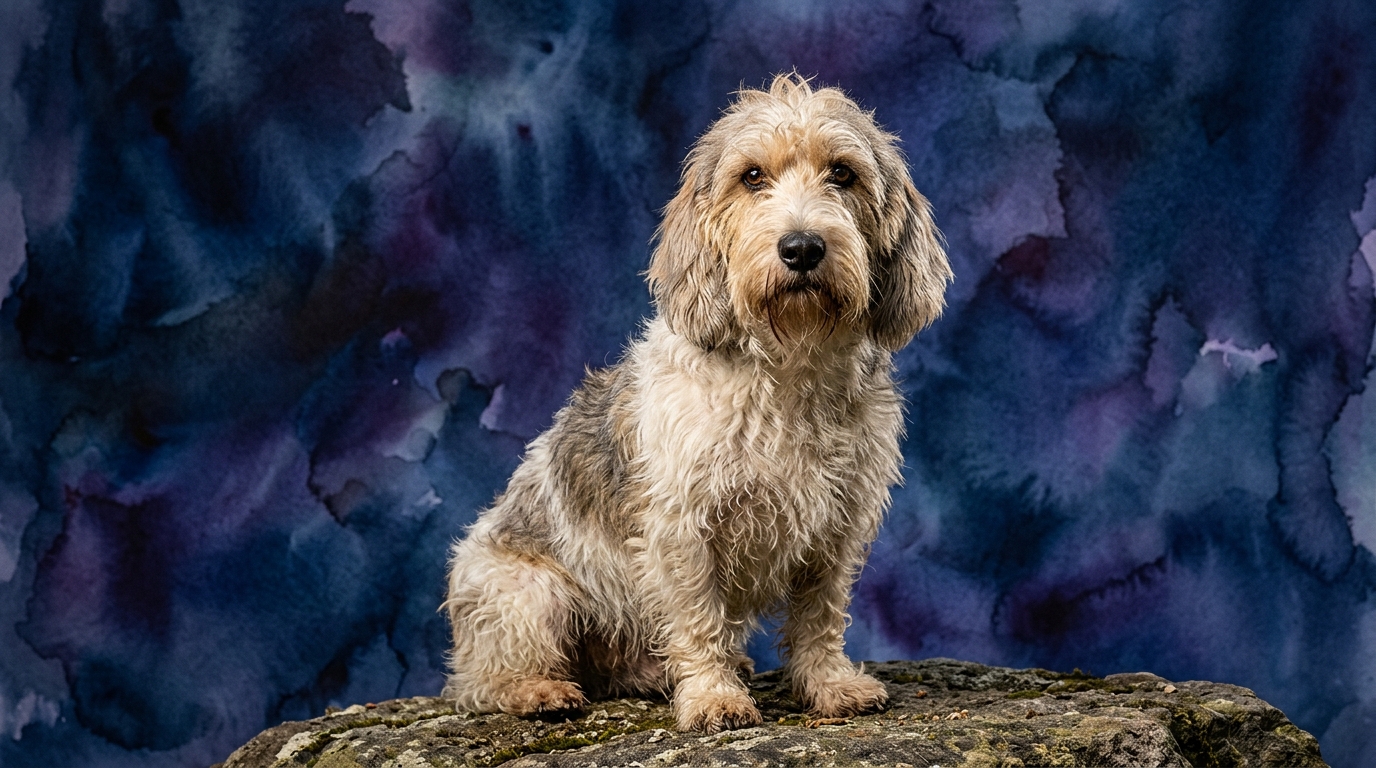
The Petit Basset Griffon Vendéen (PBGV), a spirited Hound, does not appear on the Coren ranking, which simply means their specialized intelligence isn't measured by typical obedience-focused metrics. Their problem-solving capacity is rated at 3/5, reflecting a tenacious, scent-driven approach rather than strategic planning. PBGVs will persist with a sniff-and-explore method until they physically locate a solution, often involving their powerful nose. Their training speed is 3/5, meaning they require more repetition (25-40+) and patience, as their independent hound nature often leads them to prioritize a compelling scent over a human command. Similarly, their memory is 3/5; they remember things relevant to their primary drives, like the location of a favorite scent, but command recall can be overridden by strong olfactory distractions. A social intelligence score of 3/5 means PBGVs are generally amiable and enjoy company, but their interactions are often filtered through their independent, scent-focused lens. Their instinctive drive of 3/5 is dominated by an unwavering determination to follow a trail, a defining characteristic that can override almost any other consideration.
Where the Cardigan Welsh Corgi Wins Cognitively
The Cardigan Welsh Corgi truly shines in cognitive tasks requiring abstract thought and the manipulation of objects based on learned principles, scoring 4/5 in problem-solving. Their herding background demands strategic thinking, enabling them to understand and execute complex sequences of commands, such as navigating an agility course or performing tricks that build on multiple steps. They exhibit superior rapid acquisition of new commands and complex behavioral chains, making them adept at learning and retaining intricate routines. Furthermore, their adaptability to varied training scenarios is a testament to their focus on human direction and their ability to generalize learned behaviors across different contexts. Their strong memory (4/5) allows them to consistently recall multi-step routines and specific training sequences, making them reliable partners in structured activities. Ultimately, the Corgi's cognitive strength lies in their ability to efficiently process and consistently apply human instructions.
Where the Petit Basset Griffon Vendéen Wins Cognitively
The Petit Basset Griffon Vendéen truly excels in areas where sensory intelligence, particularly olfactory prowess, is paramount. They possess an exceptional capacity for olfactory problem-solving, able to meticulously track scents over long distances and uncover hidden objects purely by smell, a clear advantage over the visual and strategic approach of the Corgi. Their cognitive strength lies in independent decision-making when pursuing a sensory goal; they are bred to work autonomously, following a trail without constant human input. This tenacity in following a scent trail demonstrates a sustained and focused attention on a specific sensory task that few breeds can match. PBGVs are masters at navigating complex outdoor environments, primarily relying on their acute sense of smell and auditory cues to interpret their surroundings. Their intelligence is deeply rooted in their sensory perception and an indomitable drive to explore and follow, making them unparalleled in their specialized field.
Which is Easier to Train and Why
When considering ease of training, the Cardigan Welsh Corgi generally presents a more straightforward path. Their impressive 4/5 training speed and 4/5 memory, coupled with centuries of working closely with humans in a cooperative herding role, mean they are typically eager to please and quick to pick up new tasks. Corgis respond very well to positive reinforcement and consistency, understanding that compliance often leads to rewards and strengthens their partnership with their human. Their herding background means they are inherently accustomed to taking direction and working as part of a team, making them receptive to structured lessons. They value the communication and interaction inherent in training sessions, often viewing it as a collaborative effort.
The Petit Basset Griffon Vendéen, while certainly capable of learning, presents a more significant training challenge. With a 3/5 training speed and 3/5 memory, and a strong, independent instinctive drive, successful training requires substantial patience, creativity, and a deep understanding of hound psychology. A PBGV might perfectly understand a 'recall' command but, if a compelling scent crosses their path, their innate drive to follow that scent will often override any learned command. Their independent nature as a hound means they were historically bred to work somewhat autonomously, following a scent trail for hours without constant human intervention. For a PBGV, the world of smells often takes precedence over human directives. Training must be highly engaging, fun, and constantly compete with their powerful olfactory distractions, often requiring a strong motivator like high-value treats or toys to capture and hold their attention.
Which Suits Active Owners vs. Relaxed Owners
The Cardigan Welsh Corgi thrives with active owners who enjoy structured activities, consistent training, and mental engagement. Their herding heritage demands a purpose and activity beyond mere lounging; they are not content to be mere couch potatoes. Owners who can provide consistent guidance, engage them in dog sports like agility, obedience, or even urban herding, and appreciate a dog that genuinely enjoys learning and working will find a Corgi a fulfilling companion. Their energy needs consistent channeling through both physical exercise and mental challenges to prevent boredom and potential undesirable behaviors. They are excellent partners for active lifestyles that include regular, purposeful interaction.
The Petit Basset Griffon Vendéen, despite its 'basset' moniker, is far from a purely relaxed companion. They suit active owners who appreciate outdoor adventures, especially those involving scent-related activities like nose work or tracking, or simply long, meandering walks where the dog can thoroughly explore with its nose. They need owners who are patient with their independent streak, understand their powerful scent drive, and are willing to embrace the reality that a walk with a PBGV is often dictated by their olfactory discoveries. While they enjoy lounging, their daily requirement for vigorous, scent-driven exercise is non-negotiable. A truly 'relaxed' owner, in the sense of someone seeking a sedentary pet, might struggle with the PBGV's non-negotiable need for extensive outdoor exploration and its tendency to follow its nose rather than a strict schedule.
The Verdict
Choose the Cardigan Welsh Corgi if you seek a highly trainable companion eager to learn, excel in structured activities, and engage in a cooperative partnership, valuing quick understanding and consistent obedience.
Choose the Petit Basset Griffon Vendéen if you appreciate an independent spirit with a profound connection to the sensory world, enjoying outdoor adventures focused on scent exploration and valuing tenacity over immediate compliance.
🧠 Find Your Pet's IQ Score
Our Pet IQ Lab assessment covers 25+ tests across 5 cognitive dimensions — personalized to your breed.
Take the Full IQ Test →Frequently Asked Questions
Do Cardigan Welsh Corgis bark a lot?
Cardigan Welsh Corgis can be vocal, often using their barks to alert owners or express excitement. Their herding instinct contributes to their watchfulness, making them prone to sounding the alarm, particularly at perceived intruders or novel stimuli.
Are Petit Basset Griffon Vendéens good with children?
PBGVs are generally affectionate and good-natured, making them suitable companions for children. However, their independent nature and strong scent drive mean supervision is always important, especially with very young kids, to ensure harmonious interactions.
How much exercise does a PBGV need?
PBGVs require moderate to high exercise, ideally including daily opportunities for off-leash exploration in a secure area where they can follow scents. Structured walks and playtime are also essential to keep them mentally and physically stimulated, preventing boredom.